
Are you tired of finding cat hair all over your clothes and furniture? You’re not alone.
Shedding is one of the biggest challenges for cat owners, especially if you have allergies or just want a cleaner home. But what if you could enjoy the companionship of a cat without the constant mess of fur? Discovering cat breeds that don’t shed much—or at all—can change the way you experience pet ownership.
Keep reading to find out which cats fit perfectly into your lifestyle and how they can make your home fur-free and full of love.

Credit: www.thepioneerwoman.com
Shedding Basics
Understanding shedding helps pet owners manage cat hair better. Shedding is natural and varies by cat breed. Some cats shed very little, making them ideal for allergy sufferers. Knowing why cats shed and their shedding patterns is useful.
Why Cats Shed
Cats shed to remove old or damaged hair. This helps keep their coat healthy. Shedding also helps regulate body temperature. Hair grows in cycles, and shedding clears space for new growth. Stress, diet, and health affect shedding too.
Shedding Patterns
Most cats shed more in spring and fall. This is called seasonal shedding. They lose their thick winter coat in spring. In fall, they grow a thicker coat for winter. Indoor cats may shed less due to stable temperatures. Individual cats can shed differently depending on breed and health.
Credit: lacvets.com
Low-shedding Cat Traits
Choosing a cat that sheds less can make a big difference in your daily routine and home cleanliness. Low-shedding cats often share specific traits that influence how much fur they lose. Understanding these traits helps you pick a pet that fits your lifestyle and allergy concerns.
Coat Types And Shedding
Coat type plays a key role in shedding levels. Cats with shorter or finer fur usually shed less compared to those with long, thick coats. Breeds like the Siamese or Cornish Rex have unique fur textures that hold onto hair better, reducing loose strands around your home.
Some cats have single-layer coats, which means they lack the dense undercoat that often leads to heavy shedding. This makes breeds like the Russian Blue and Sphynx stand out as low-shedding options. Have you noticed how less fur on your clothes can improve your day?
Hypoallergenic Qualities
Low-shedding cats often come with hypoallergenic traits, making them better for allergy sufferers. These cats produce fewer allergenic proteins, which are usually carried in their saliva and fur. Breeds such as the Balinese and Devon Rex are known for these qualities.
While no cat is completely allergy-free, choosing a breed with hypoallergenic traits can help you manage symptoms. It’s worth spending time with a cat before adopting to see how your body reacts. Could a hypoallergenic cat allow you to enjoy pet companionship without constant sneezing?
Top Low-shedding Cat Breeds
Many cat lovers prefer breeds that shed less. Low-shedding cats help keep homes cleaner. They also suit people with mild allergies. These breeds have unique coats and personalities. Here are some top low-shedding cat breeds to consider.
Sphynx
The Sphynx is famous for its hairless look. It has soft, warm skin instead of fur. This breed sheds very little to none. Sphynx cats are friendly and very social. They love attention and enjoy being close to people.
Russian Blue
Russian Blues have short, dense fur. Their double coat traps loose hair. Shedding is minimal and easy to manage. These cats are calm and gentle. They often form strong bonds with their owners.
Siberian
Siberians have a thick triple coat. Despite this, they shed less than many breeds. Their fur is water-resistant and soft. Siberians are playful and affectionate. They also adapt well to families and other pets.
Balinese
Balinese cats have long, silky hair. Their coat sheds less than other long-haired cats. They require regular grooming to stay clean. Balinese cats are intelligent and talkative. They enjoy interactive play and mental stimulation.
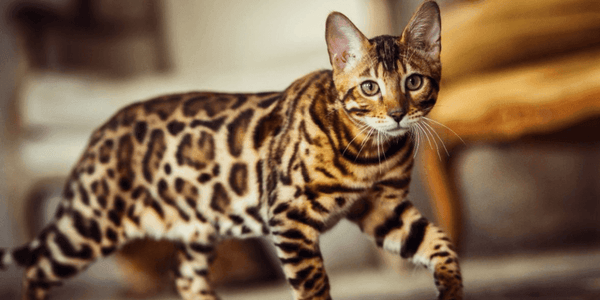
Bengal
Bengals have short, dense fur that sheds little. Their coat has a beautiful spotted pattern. These cats are active and curious. Bengals need plenty of exercise and playtime. They often enjoy climbing and exploring their space.
Devon Rex
Devon Rex cats have soft, curly coats. Their fur is thin and sheds very little. These cats are known for their playful nature. They love human company and attention. Devon Rex cats often act like small dogs.

Credit: shamelesspets.com
Care Tips For Low-shedding Cats
Caring for low-shedding cats involves understanding their unique needs. These cats require specific attention to maintain their health and happiness. Although they shed less, they still need regular care to thrive.
Grooming Needs
Low-shedding cats have simpler grooming routines. Brush them weekly to remove loose fur and prevent matting. Use a gentle brush suitable for their coat type. Keep grooming sessions short and positive to build a routine. Check their ears and eyes for dirt. Clean them gently with a damp cloth.
Health Considerations
Monitor your cat’s health with regular vet check-ups. Low-shedding cats are prone to specific health issues. Keep an eye on their weight and diet. Provide a balanced diet rich in nutrients. Ensure they have access to fresh water at all times. Watch for signs of allergies or skin issues. Seek veterinary advice if concerns arise. Regular playtime keeps them active and reduces stress.
Choosing The Right Cat
Choosing the right cat breed is important for a happy home. Cats that do not shed much can be easier to care for. They help keep your space cleaner and reduce allergies. Think about your daily routine and living space before picking a breed. Understanding your needs helps find the perfect furry friend.
Lifestyle Matching
Every cat breed has its own personality and energy level. Some breeds enjoy lots of play and attention. Others prefer quiet and calm environments. Consider how much time you spend at home. Choose a cat that fits your activity level. Busy people may prefer low-maintenance breeds. Families with kids might want playful and gentle cats. Matching lifestyle with cat needs keeps both happy.
Allergy Factors
Cat allergies often come from dander, not just fur. Breeds that shed less usually produce less dander. This can reduce allergic reactions. No cat is 100% hypoallergenic, but some are better for allergies. Breeds like the Sphynx, Russian Blue, and Balinese shed very little. Regular grooming also helps control allergens. Know your allergy limits before choosing a cat breed.
Frequently Asked Questions
Which Cat Breeds Are Known For Minimal Shedding?
Breeds like the Sphynx, Russian Blue, and Devon Rex shed very little. Their unique coats reduce fur loss, making them ideal for allergy sufferers and those preferring a cleaner home.
Are Hairless Cats Completely Non-shedding?
Yes, hairless cats like the Sphynx do not shed fur. However, they require regular skin care to remove oils and dirt since they lack a protective coat.
How Do Hypoallergenic Cats Reduce Shedding?
Hypoallergenic cats produce fewer allergens and shed less fur. Breeds such as Balinese and Siberian are popular because they minimize allergic reactions while keeping shedding low.
Can Shedding Vary Within The Same Cat Breed?
Yes, shedding levels can differ due to genetics, diet, and environment. Even low-shedding breeds may shed more during seasonal changes or stress periods.
Conclusion
Choosing a cat breed that sheds little can make pet care easier. These cats help keep your home cleaner and allergy symptoms lower. Each breed has its own unique traits and personalities. Think about what fits your lifestyle best. Enjoy the company of a furry friend without the extra fur mess.
A low-shedding cat can be a great choice for many families. Take time to research and find the perfect match for you. Your new cat will bring joy and comfort every day.

Leave a Reply