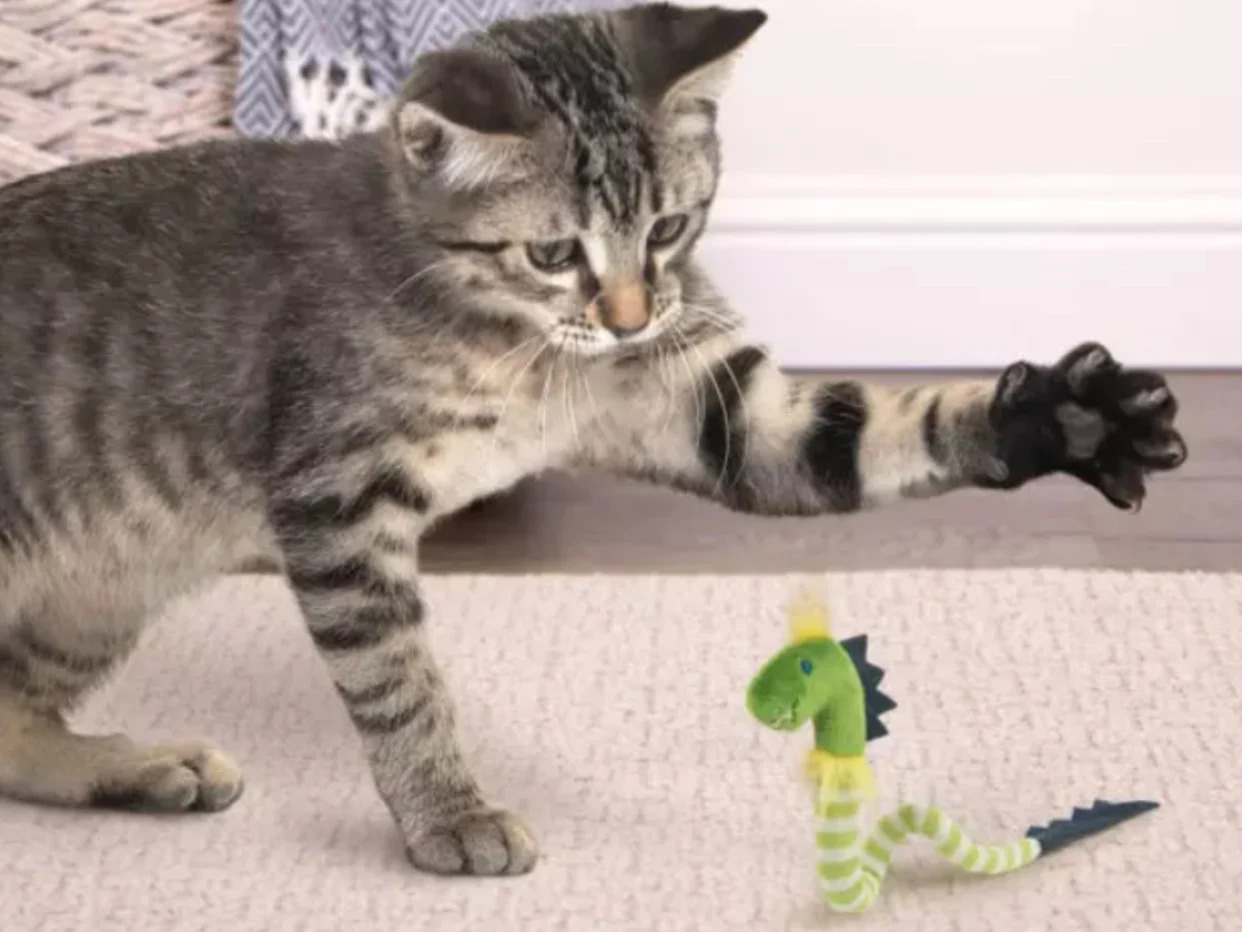
Have you ever noticed your cat suddenly acting extra playful or a little goofy when you bring out a catnip-filled toy? It’s almost like they’re on a tiny adventure of their own.
But have you ever wondered if your furry friend is actually getting “high” from those toys? Understanding what catnip does to your cat can help you see their behavior in a whole new light. Keep reading to discover the surprising truth about catnip and how it really affects your cat’s mind and body.

Credit: www.yahoo.com
How Catnip Affects Cats
Understanding how catnip affects cats can help you see why your feline friend suddenly becomes playful, relaxed, or even a bit wild when they encounter a catnip-filled toy. The effects are rooted in chemistry and biology, making the experience both fascinating and fun to watch. Let’s look at what happens inside your cat’s nose and brain when catnip is involved.
Chemical Components Of Catnip
Catnip contains a compound called nepetalactone, which is the main reason cats react to it. This oil is found in the leaves, stems, and seeds of the plant.
When cats sniff or chew catnip, nepetalactone binds to receptors in their noses. This interaction triggers a response in their brain that mimics pheromone effects.
Did you know that not all cats are affected by catnip? About 30% to 50% of cats don’t respond at all, which is linked to genetics.
Cats’ Sensory Response
Your cat’s sense of smell is incredibly sharp, and nepetalactone activates the sensory neurons. These neurons send signals to the olfactory bulb in the brain, which processes smells.
This activation leads to stimulation of areas in the brain that control behavior and emotions. That’s why cats often seem euphoric or energized after smelling catnip.
Think about the last time your cat rolled around or rubbed their face on a catnip toy. That’s their sensory system reacting to this unique chemical.
Behavioral Changes
When cats interact with catnip-filled toys, their behavior changes in noticeable ways. Some become hyperactive, chasing and pouncing, while others may become calm and even drool.
These behaviors usually last about 10 to 15 minutes before your cat loses interest. After this, it takes a while before they respond to catnip again.
Have you noticed how your cat’s mood shifts around catnip? Observing these changes can give you clues about their personality and preferences.

Credit: www.catmumjournal.co.uk
Do Cats Actually Get High?
Have you ever noticed your cat rolling around, rubbing its face on a catnip-filled toy, or suddenly bursting into playful antics? It’s tempting to wonder if they’re actually getting “high” like humans might after certain substances. But what really happens when your cat interacts with catnip?
Comparison To Human Intoxication
The effects of catnip on cats are often described as a form of intoxication, but it’s very different from how humans experience getting high. Catnip contains a compound called nepetalactone, which triggers a reaction in a cat’s olfactory system. This reaction doesn’t affect the brain the same way human drugs or alcohol do.
Unlike a human high, which can alter perception, mood, and motor skills over several hours, catnip’s effect is more about stimulating play and excitement. It’s more like a temporary burst of energy or euphoria rather than a full intoxication.
Duration And Intensity Of Effects
The “high” your cat experiences from catnip usually lasts between 5 to 15 minutes. After this short period, your cat will lose interest and won’t respond to catnip again until some time passes—usually about an hour.
Not all cats react to catnip; about 30% of cats show no response at all. This is due to genetic differences, so if your cat doesn’t seem interested, it’s not necessarily a sign of something wrong.
Physical Vs Psychological Reactions
Your cat’s response to catnip combines both physical and psychological effects. Physically, you might see dilated pupils, drooling, or a relaxed body posture. Psychologically, the cat may seem playful, curious, or even a bit frisky.
These reactions don’t cause harm or lasting changes in behavior. Instead, they provide a temporary, enjoyable experience for your cat—almost like a short, fun break in their day.
Next time your cat dives into a catnip toy, watch closely. What do their reactions tell you about how they experience the world? Could these moments be a simple source of joy rather than anything more complex?
Role Of Catnip Toys
Catnip toys often trigger playful and excited behavior in cats. The active ingredient in catnip creates a safe, temporary feeling of euphoria. Many cats enjoy rolling, rubbing, and pouncing on these toys without any harmful effects.
Catnip toys play a significant role in providing your feline friend with an enriching and stimulating experience. These toys are not just playthings; they are tools that can enhance your cat’s mood, relieve stress, and even encourage exercise. But what makes these toys so special? The secret lies in the catnip, a plant that many cats find irresistible due to its natural compounds.Types Of Catnip Toys
Catnip toys come in a variety of forms to suit different feline preferences. Plush toys infused with catnip are popular, allowing your cat to cuddle and chew. There are also interactive toys, like balls and tunnels, that have catnip hidden inside to encourage active play. You might even find scratching posts with catnip built-in, combining fun with practical use for claw maintenance.Effectiveness Compared To Fresh Catnip
Many cat owners wonder if catnip toys are as effective as fresh catnip. While fresh catnip can be more potent due to its volatile oils, catnip toys offer a more controlled, mess-free option. These toys release catnip scents gradually, prolonging the playful effects. Additionally, they can be stored easily and used repeatedly, making them a convenient choice for busy pet parents.Safety And Usage Tips
Using catnip toys safely is crucial to ensure your cat’s health and well-being. Always supervise your cat during playtime to prevent any accidental ingestion of toy parts. Rotate the toys regularly to maintain your cat’s interest and prevent overstimulation. It’s also wise to choose toys made from non-toxic materials, ensuring they are safe if your cat decides to chew on them. Have you ever noticed how your cat reacts to different types of toys? Understanding their preferences can help you select the most engaging and beneficial options for them. Remember, a happy cat is a healthy cat, and the right toys can make all the difference.Why Some Cats Ignore Catnip
Not all cats react to catnip the same way. Some ignore it completely. This difference puzzles many cat owners. Understanding why some cats don’t respond can help you find other ways to engage your pet. Several factors influence a cat’s reaction to catnip, including genetics, age, and alternative plant options.
Genetic Factors
Catnip sensitivity depends largely on genetics. About 50% to 70% of cats have a gene that makes them respond. Cats without this gene show no interest in catnip. This trait is inherited from their parents. It explains why some cats ignore catnip toys despite repeated exposure.
Age And Sensitivity
Kittens and older cats often react less to catnip. Kittens under three months usually don’t respond. Their nervous systems are still developing. Older cats may lose sensitivity due to age. Sensitivity can also vary by individual health and mood.
Alternative Plants For Cat Stimulation
Some cats prefer other plants to catnip. Silver vine, valerian root, and matatabi can excite cats that ignore catnip. These plants produce similar reactions in cats. Offering a variety of toys with different scents can keep your cat entertained and happy.
Benefits And Risks Of Catnip
Catnip is a popular ingredient in many cat toys, known for its ability to trigger playful and sometimes euphoric reactions in cats. While it offers clear mental and physical benefits, it’s important to understand the risks involved with overexposure. Knowing how catnip affects your feline friend helps you use it wisely and safely.
Mental And Physical Stimulation
Catnip activates sensory neurons in cats, sparking curiosity and excitement. This stimulation encourages active play, which can improve your cat’s overall mood and reduce boredom. Many cat owners notice their pets become more engaged and lively after interacting with catnip-filled toys.
Mentally, catnip provides a form of enrichment, helping cats stay sharp and alert. Physically, it promotes exercise, which is crucial for indoor cats that may not get enough activity. Have you seen your cat suddenly dart around or roll on the floor after playing with catnip toys? That’s their natural response kicking in.
Potential Overexposure Effects
Too much catnip can lead to unwanted behaviors like aggression or lethargy. Some cats might become overstimulated, leading to stress or anxiety rather than joy. Others may lose interest if exposed too frequently, reducing the toy’s effectiveness.
It’s also worth noting that not all cats respond to catnip; sensitivity is inherited and about 30-50% of cats don’t react at all. Overuse can dull the response in those who do react, so moderation is key. What signs does your cat show when they’ve had enough?
Recommendations For Owners
- Offer catnip toys in short, controlled sessions to keep your cat interested.
- Rotate catnip toys with other types of toys to prevent overexposure.
- Observe your cat’s behavior carefully to spot any negative reactions early.
- Store catnip-filled toys away when not in use to maintain their potency.
By balancing catnip use, you can keep your cat happy and healthy while enjoying the benefits of these playful, stimulating toys. Have you tried limiting catnip sessions to see if your cat’s enthusiasm changes?

Credit: www.amazon.com
Frequently Asked Questions
Do Cats Get High From Catnip Toys?
Yes, cats can get a mild “high” from catnip toys. Catnip contains nepetalactone, which triggers a temporary euphoric response in cats.
How Long Does Catnip’s Effect Last In Cats?
The effects of catnip usually last about 10 to 15 minutes. After this, cats lose interest until they recover sensitivity.
Are All Cats Affected By Catnip?
No, about 30% of cats do not respond to catnip. Sensitivity to catnip is inherited and varies by genetics.
Is Catnip Safe For Cats To Play With?
Yes, catnip is safe and non-addictive. It provides mental stimulation and encourages playful behavior in cats.
Conclusion
Cats react to catnip toys with playful and happy behavior. The “high” they get is safe and short-lived. Not all cats respond; genetics play a role. Catnip can help reduce stress and encourage exercise. Always watch your cat to ensure they enjoy it safely.
Giving catnip toys now and then can brighten your cat’s day. Remember, moderation keeps playtime fun and healthy. Catnip is a simple way to make your pet feel joyful and relaxed.



Leave a Reply