
Have you ever wondered why some cats don’t have tails? If you’ve seen a cat without that familiar swishing tail, you might be curious about what makes these unique felines so special.
Understanding which cat breeds naturally don’t have tails can change the way you see and appreciate these charming pets. You’ll discover the fascinating breeds of tailless cats and why their lack of a tail doesn’t stop them from being full of personality and love.
Keep reading to uncover the secrets behind these extraordinary cats—you won’t want to miss it!
Tailless Cat Breeds
Some cat breeds naturally have little or no tails. These cats are unique in appearance. Their taillessness can be a charming trait. It can also affect their balance and movement slightly. Tailless cat breeds often have a friendly and playful nature. They make wonderful pets for many households.
The Manx is the most famous tailless breed. It comes from the Isle of Man. Manx cats can have no tail or a short stub. Their strong legs help them jump and climb. They are loyal and love to be near people.
Japanese Bobtails have a short, fluffy tail. Their tails look like little pom-poms. This breed is very active and curious. They often appear in Japanese art and folklore. These cats are friendly and enjoy attention.
American Bobtails have short tails too. Their tails can be straight or curved. They are known for their wild look. Despite this, they are gentle and loving. They adapt well to different homes.
Kurilian Bobtail
Kurilian Bobtails have thick, short tails. They come from Russia and nearby islands. These cats are strong hunters and very smart. They are calm and enjoy family life. Their tails add to their distinct look.
Pixie-bob
Pixie-Bobs have short or bobbed tails. They look like wild bobcats. Pixie-Bobs are playful and very social. They bond closely with their owners. Their tailless trait makes them stand out.
Manx Cat
The Manx cat is famous for its unique lack of a tail. This breed stands out with its round body and strong legs. Many cat lovers find the Manx cat charming and mysterious. Its tailless feature results from a natural genetic mutation. This trait has made the Manx a popular choice among cat enthusiasts worldwide.
Origin And History
The Manx cat comes from the Isle of Man, a small island between Great Britain and Ireland. It has been on the island for hundreds of years. Locals believed the Manx was a special cat with magical powers. The breed gained attention outside the island in the 19th century. Breeders worked to keep the Manx’s unique tailless trait alive.
Physical Traits
- Short or no tail, sometimes just a small stump
- Round head with large, round eyes
- Strong, muscular body with broad chest
- Thick double coat that can be short or long
- Variety of colors and patterns
The Manx’s lack of a tail does not affect its balance. It moves gracefully and jumps well. The breed can have a full tail, a stub, or no tail at all.
Personality And Behavior
Manx cats are friendly and social pets. They enjoy playing and interacting with people. These cats are often described as loyal and protective. They adapt well to different homes and families. Manx cats are intelligent and curious. They like to explore but also enjoy quiet time. Their gentle nature makes them great companions for children.
Japanese Bobtail
The Japanese Bobtail is a fascinating cat breed known for its unique tail—or rather, the lack of a long one. Instead of a full-length tail, this breed sports a short, stubby “bobbed” tail that looks like a fluffy pom-pom. This distinctive trait sets the Japanese Bobtail apart and makes it a conversation starter among cat lovers.
Distinctive Features
The most obvious feature of the Japanese Bobtail is its short tail, which can vary in shape but never fully extends like other cats’ tails. Their tails often have kinks or curls, giving each cat a unique tail “signature.”
Besides the tail, they have a slender, muscular body and long legs. Their fur can be either short or long, and they often have striking color patterns, especially the popular “mi-ke” (calico) coat.
Cultural Significance
The Japanese Bobtail holds a special place in Japanese culture, symbolizing good luck and fortune. You might recognize the “Maneki-neko,” the beckoning cat figurine often seen in shops and restaurants, which is modeled after this breed.
These cats are not just pets but cultural icons that have been celebrated in Japanese folklore and art for centuries. Owning a Japanese Bobtail can feel like having a little piece of history and tradition in your home.
Temperament
Japanese Bobtails are known for their playful and intelligent nature. They’re social cats who enjoy interaction and often form strong bonds with their owners.
If you want a cat that’s active and curious, this breed fits the bill. Their lively personality means they need plenty of mental and physical stimulation to stay happy.
Have you ever noticed how some cats seem to have a personality all their own? The Japanese Bobtail certainly does—and their unique tail is just the beginning of what makes them special.
American Bobtail
American Bobtail cats are known for their short, bobbed tails. This unique feature makes them stand out. Their tails are naturally short, adding to their distinctive look.
The American Bobtail is a fascinating breed that captures the hearts of cat enthusiasts with its unique appearance and charming personality. Known for their natural bobbed tails, these cats are a living testament to the diversity in the feline world. If you’ve ever wondered what it would be like to have a cat with a playful spirit and an adventurous nature, the American Bobtail might just be the perfect fit for you.Appearance
American Bobtails stand out with their wild, yet affectionate look. Their tails, which are naturally short and bobbed, can vary in length from an inch up to a few inches, making each cat distinct. They often have tufted ears, like a lynx, and a sturdy, muscular build that gives them an athletic appearance.Genetic Background
This breed’s unique tail is the result of a natural genetic mutation. Unlike the Manx, which may face health issues due to taillessness, the American Bobtail’s genetic structure generally supports their health. It’s a delightful example of how nature creates variety without compromising well-being.Temperament
American Bobtails are known for their friendly and affectionate nature. They are sociable and form strong bonds with their human families. These cats are also intelligent and enjoy interactive play, which makes them great companions for both adults and children. Have you ever considered how a pet’s personality can brighten your home? With the American Bobtail, you get more than just a pet; you gain a loyal friend. Their adaptable nature makes them suitable for various living environments, whether you’re in a bustling city apartment or a quiet suburban home. Are you ready to welcome this delightful breed into your life?Other Tailless Variants
Tailless cats are fascinating and come in more varieties than you might expect. Besides the well-known breeds, several other tailless variants have unique traits that make them stand out. These breeds often have rich histories and distinct personalities that might surprise you.
Kurilian Bobtail
The Kurilian Bobtail is a sturdy, intelligent breed with a naturally short tail that looks like a pom-pom. Its tail length varies from a few inches to almost a regular tail but always remains noticeably shorter. This breed is known for its playful and social nature, making it a great companion if you want an active and friendly cat.
One interesting fact about the Kurilian Bobtail is its origin from the Kuril Islands, where its short tail helped it navigate rugged terrain. Have you ever noticed how certain physical traits can link a cat to its environment?
Cymric Cat
The Cymric cat is essentially a long-haired version of the Manx, famous for its taillessness. Its rounded body and thick coat give it a cuddly appearance, but don’t let that fool you—they are agile and curious. The Cymric’s tail can be completely absent or just a small stump, but this doesn’t affect their ability to move with grace.
Many owners find the Cymric’s expressive eyes and playful personality irresistible. If you’re considering a cat that’s both unique and affectionate, this breed might catch your attention.
Taillessness In Mixed Breeds
Taillessness isn’t limited to pure breeds; it can also appear in mixed breeds due to genetic variations. Sometimes, this trait surprises owners who didn’t expect a cat without a tail from a typical litter. Mixed breed cats with taillessness often have unique looks and personalities, shaped by their diverse heritage.
Have you ever met a cat with an unexpected physical trait that made you curious about its background? These cats remind us that every pet has a story worth discovering.

Credit: www.aol.com
Genetics Behind Taillessness
Taillessness in cats fascinates many pet lovers and breeders. This unique trait comes from specific genetic changes. These changes affect how a cat’s tail grows before birth. Understanding these genetics helps explain why some breeds naturally have no tails or very short ones.
Gene Mutations
Taillessness often results from mutations in certain genes. These mutations change the normal development of the spine and tail. One well-known gene involved is the T-boxgene, which controls tail formation. Mutations here can stop the tail from growing fully or at all. Different cat breeds may have different gene mutations causing taillessness.
Inheritance Patterns
Taillessness usually follows specific inheritance patterns. It can be dominant or recessive, depending on the gene involved. In some breeds, a single copy of the mutated gene causes a tailless kitten. In others, two copies might be needed. Breeders use this knowledge to predict if kittens will have tails or not. Understanding inheritance helps maintain healthy breeding practices.
Health Considerations
Some gene mutations linked to taillessness can affect cat health. They may cause spinal problems or nerve issues. Not all tailless cats face health problems, but risks exist. Responsible breeders check for these issues to protect the cats’ well-being. Knowing the health impacts helps owners care for tailless cats better.
Caring For Tailless Cats
Caring for tailless cats requires some special attention to their unique physical traits and needs. These cats, like the Manx or Japanese Bobtail, may not have tails, but they still thrive with the right care and environment. Understanding their health, behavior, and how they adapt to their surroundings will help you provide the best life for your feline friend.
Health Needs
Tailless cats can be prone to specific health issues related to their spine and balance. You should watch for signs of discomfort or mobility problems. Regular vet check-ups are crucial to catch any problems early.
Because the tail helps with balance, these cats might struggle with jumping or climbing at times. Providing softer landing areas or ramps can reduce injury risks. Ask your vet about exercises or physical therapy that can support their spine health.
Behavioral Traits
Without tails, some cats may express themselves differently. You might notice your cat using their body and vocal sounds more to communicate. Pay close attention to these cues to understand their mood and needs better.
Many tailless cats are known to be affectionate and playful, but they might also be more cautious around new environments. How does your cat react to changes? Observing their behavior will help you create a calm and secure space for them.
Environmental Adaptations
Your home setup can make a big difference for a tailless cat. Soft surfaces, gentle ramps, and secure climbing spots help them move safely. Think about adding padded corners or low-height shelves to reduce falls.
Temperature control is also important since some tailless breeds may have less fur coverage. Providing warm blankets or heated beds can keep them comfortable. Have you noticed your cat seeking warm spots more often?

Credit: www.petsradar.com
Choosing A Tailless Cat
Choosing a tailless cat means considering more than just its unique appearance. These cats often have distinct personalities and care needs that differ from typical breeds. Understanding these differences will help you make a decision that benefits both you and your new feline friend.
Compatibility With Families
Tailless cats, like the Manx or the Japanese Bobtail, tend to be very social and affectionate. They usually get along well with children and other pets, making them great additions to family homes. However, some may have a playful yet stubborn streak, so patience is key when introducing them to younger kids.
Think about your family’s activity level. If you have energetic kids, a tailless cat that enjoys interactive play can be a perfect match. On the other hand, quieter families might prefer a more laid-back tailless breed.
Adoption Tips
When adopting a tailless cat, always ask about their health history. Some breeds, like the Manx, are prone to spinal issues due to their genetic makeup. A responsible shelter or breeder should provide you with detailed health records.
Visit the cat multiple times before deciding. Observe how it behaves in different environments—does it seem comfortable and curious, or anxious and withdrawn? These observations can tell you a lot about how the cat will adjust to your home.
Common Myths
One common myth is that tailless cats have balance problems. While the tail helps with balance, many tailless breeds adapt quickly and move just as gracefully as other cats. Their bodies compensate for the missing tail in surprising ways.
Another myth is that these cats are less affectionate. In reality, many tailless cats form strong bonds with their owners and crave attention. Don’t let myths stop you from welcoming a wonderful companion into your life.
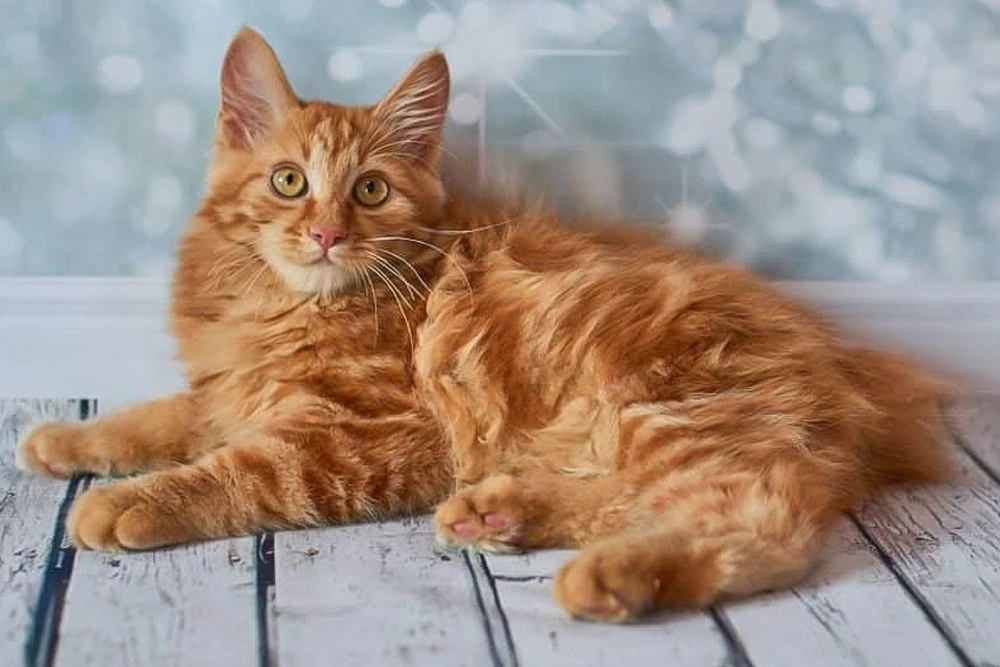
Credit: cats.fandom.com
Frequently Asked Questions
Which Cat Breeds Naturally Lack Tails?
Breeds like the Manx, Japanese Bobtail, and Cymric naturally have little or no tails. This trait is genetic and unique to these breeds. They are popular for their distinctive appearance and playful personalities.
Why Do Some Cats Have No Tails?
Tail absence in certain breeds is due to a genetic mutation. This mutation affects tail development before birth. It is harmless and does not impact the cat’s health or mobility.
Are Tailless Cats Healthier Than Tailed Cats?
Tailless cats are generally healthy but may face spinal issues. Responsible breeders screen for health problems to ensure well-being. Most tailless cats live normal, active lives without complications.
How Does A Tailless Cat Communicate Differently?
Tailless cats use body language and vocalizations more. Without tails, they rely on ear and eye movements to express emotions. They adapt well and communicate effectively with humans and other pets.
Conclusion
Cats without tails have unique charm and personality. Breeds like the Manx and Japanese Bobtail show us nature’s variety. These cats adapt well and live happy lives. Their tail-less feature does not affect their playfulness or love. Knowing these breeds helps you appreciate different cat types.
Every cat, with or without a tail, is special. Tail or no tail, cats bring joy and comfort. Choose a cat that fits your lifestyle and heart.



Leave a Reply