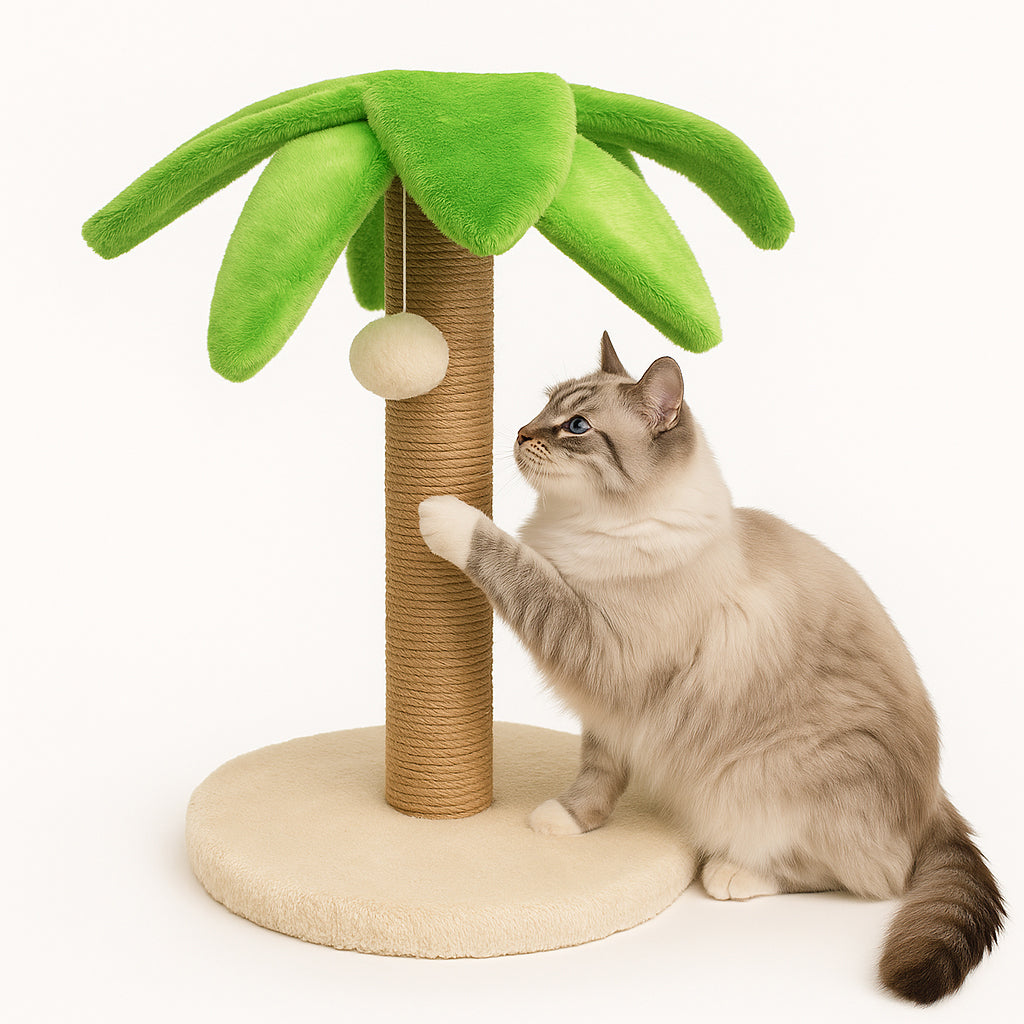
Are you tired of buying cat toys that fall apart after just a few play sessions? You want something strong, safe, and fun for your furry friend—something that lasts.
Imagine making a toy that your cat can chase, bite, and bat around without it breaking apart in no time. In this guide, you’ll discover simple steps to create a very sturdy cat toy that keeps your kitty entertained and saves you money.
Keep reading to learn how easy it is to craft a durable toy your cat will love!

Credit: www.amazon.com
Choosing Strong Materials
Choosing strong materials is key to making a cat toy that lasts. Cats can be rough with their toys. Picking the right fabrics and fillings helps the toy resist claws and bites. It also keeps the toy safe for your cat to play with. Durable materials mean fewer broken toys and happier cats.
Best Fabrics For Durability
Some fabrics handle wear and tear better than others. Look for materials that resist scratching and biting. Canvas and denim are tough and long-lasting. Felt is thick and soft but can wear out faster. Nylon and heavy cotton blends also work well. Avoid thin or delicate fabrics that tear easily.
Safe And Sturdy Fillings
Fillings affect the toy’s shape and safety. Use polyester fiberfill or cotton stuffing for softness and durability. Avoid small beads or pellets that cats might swallow. Organic materials like dried catnip add fun without harm. Make sure the filling stays inside, even if the fabric rips a little.
Using Recycled Materials
Recycled fabrics can be strong and eco-friendly. Old denim jeans or canvas bags work great for toy covers. Clean and cut them into safe pieces. Use scraps from other sewing projects to reduce waste. Recycled materials save money and help the environment. Just check they are free from harmful dyes or chemicals.
Essential Tools And Supplies
Creating a sturdy cat toy needs the right tools and supplies. These items help build a toy that lasts through rough play. Choosing quality materials ensures safety and durability. Prepare all essentials before starting the project.
Sewing Equipment
- Needles: Use sharp sewing needles for strong stitches.
- Thread: Pick thick, durable thread that resists wear.
- Scissors: Sharp fabric scissors make clean cuts easy.
- Thimble: Protect fingers during hand sewing sessions.
- Measuring Tape: Measure fabric accurately for perfect fits.
- Pins: Hold fabric pieces together before sewing.
Adhesives And Fasteners
- Fabric Glue: Use non-toxic glue safe for pets.
- Hot Glue Gun: Quick adhesion for small parts.
- Velcro Strips: Allow easy removal and cleaning.
- Snap Buttons: Secure parts without sewing.
- Safety Eyes: Choose secure eyes made for toys.
Additional Crafting Tools
- Stuffing Material: Use soft but firm stuffing for shape.
- Fabric: Select durable and pet-safe fabrics like felt or denim.
- Markers: Mark cutting lines and design patterns.
- Templates: Create shapes easily using paper templates.
- Ruler: Keep designs straight and even.
Simple Durable Toy Designs
Creating a sturdy cat toy doesn’t have to be complicated. Simple designs often prove to be the most durable and engaging for your feline friend. These toys focus on strong materials and easy construction, ensuring your cat stays entertained without the constant need for replacements.
Knotted Fabric Toys
Knotted fabric toys are incredibly easy to make and surprisingly tough. Use thick cotton or fleece strips and tie tight knots at intervals. Cats love the texture and the resistance knots provide during play.
Try adding a bit of catnip inside the knots to make the toy irresistible. This design holds up well even with aggressive chewing and clawing. Have you noticed how your cat prefers toys they can grab and bite? Knotted fabric toys satisfy that instinct perfectly.
Stuffed Mouse Models
Stuffed mice are a classic favorite. To make a durable one, choose tightly woven fabric like denim or canvas. Fill it with a firm stuffing such as polyester fiberfill and a small amount of crinkly paper for extra sensory fun.
Sew the seams twice to prevent your cat from pulling the stuffing out. Adding a bell or a small rattle inside can keep your cat curious and engaged. What small details make your cat come back to a toy again and again?
Interactive Wand Toys
Interactive wand toys combine durability with interactive play. Use a strong wooden dowel or a thick plastic stick as the wand base. Attach a securely tied fabric strip, feather, or a small stuffed element at the end.
Make sure the attachment is tight and reinforced with extra stitches or glue. These toys encourage your cat to jump, chase, and exercise while you control the fun. How often do you get to play actively with your cat? Interactive wands make it easy and rewarding.
Step-by-step Toy Construction
Creating a sturdy cat toy is a rewarding project. It ensures hours of fun for your feline friend. Start with simple materials found around the house. Follow these steps to craft a toy that lasts.
Cutting And Preparing Materials
Gather all necessary materials: fabric, string, and stuffing. Use scissors to cut fabric into desired shapes. Ensure edges are smooth to avoid fraying.
Cut string to a suitable length for dangling. Prepare stuffing by fluffing to add volume. Double-check material sizes before proceeding.
Assembling And Securing Parts
Begin by stitching fabric pieces together. Leave a small gap for stuffing. Insert stuffing evenly to maintain shape.
Secure the string firmly to the fabric. Use strong knots to prevent detachment. Reinforce seams for added durability.
Finishing Touches For Longevity
Inspect the toy for loose threads or gaps. Trim any excess fabric or string. Apply non-toxic glue to secure weak spots.
Allow the toy to dry completely before use. Store in a dry place to prevent mold. Regularly check and maintain the toy for safety.
Enhancing Toy Strength
Enhancing the strength of a cat toy ensures it lasts longer during play. Strong toys resist tearing and rough bites from playful cats. Focus on building durability right from the sewing to the final touches. Small improvements make a big difference in toy lifespan.
Double Stitching Techniques
Double stitching adds extra strength to seams. Sew the edges twice using a tight stitch pattern. Use strong thread like nylon or polyester for durability. Overlap stitches slightly to avoid gaps. This technique helps the toy hold together during rough play.
Reinforcing Stress Points
Stress points break first, so reinforce them carefully. Add extra fabric layers at corners and joints. Use small patches or strips sewn over these areas. Secure loose ends of thread to prevent unraveling. Reinforced stress points keep the toy intact longer.
Waterproofing And Cleaning Tips
Waterproofing protects the toy from moisture and stains. Spray fabric protector or use waterproof fabric for parts exposed to dirt. Clean the toy regularly with mild soap and water. Avoid harsh chemicals that weaken materials. Proper care maintains strength and hygiene.
Safe Toy Features
Creating a sturdy cat toy requires attention to safety. Cats love to chew and play roughly. A safe toy protects your pet from harm. Using the right materials and design ensures your cat stays safe. Focus on features that prevent choking and poisoning. This section covers key safety points for making a strong cat toy.
Non-toxic Components
Choose materials that are free from harmful chemicals. Avoid plastics with BPA or phthalates. Use natural fibers like cotton or wool. Safe dyes and paints matter too. Cats may bite or lick the toy. Non-toxic parts keep your pet healthy. Check labels before buying crafting supplies.
Avoiding Small Detachable Parts
Small pieces can be swallowed or choked on. Do not use buttons, beads, or tiny bells. Secure all parts firmly to the toy’s body. Sew or glue parts tightly to prevent loosening. Large pieces reduce the risk of ingestion. Keep the toy simple but fun. Strong attachments keep your cat safe.
Testing For Safety
Inspect the toy regularly for wear and tear. Tug and pull parts to test strength. Replace the toy if seams come undone. Watch your cat play with the toy the first time. Look for signs of damage or loose parts. Fix problems before letting your cat play freely. Safety checks prevent accidents and injuries.
Maintaining And Repairing Toys
Keeping your cat’s toy sturdy and safe means paying attention to how you maintain and repair it. A well-cared-for toy lasts longer and stays fun for your furry friend. Let’s look at practical ways to clean, fix, and know when it’s time to let go.
Cleaning Methods
Regular cleaning removes dirt and bacteria that build up on toys. Most fabric toys can be hand-washed in warm, soapy water. Use mild detergent and rinse thoroughly to avoid any harmful residues.
For harder materials like wood or plastic, wipe them down with a damp cloth and a pet-safe disinfectant. Dry completely before giving the toy back to your cat to prevent mold or mildew. How often you clean depends on how much your cat uses the toy and if it gets dirty quickly.
Simple Repairs To Extend Life
Toys often wear out around seams or loose parts. You can sew up small tears with a needle and strong thread to keep stuffing inside. Glue can fix broken plastic or wood parts, but make sure it’s non-toxic and fully dry before use.
Replacing worn-out feathers, bells, or strings can bring new life to old favorites. Keep a small repair kit handy so you can fix toys as soon as you spot damage. Have you ever noticed your cat loses interest when a toy feels “broken”? Quick repairs keep their playtime exciting.
When To Replace Toys
Even the best-maintained toys won’t last forever. Look for sharp edges, exposed stuffing, or broken parts that could harm your cat. If you spot any of these, it’s time to retire the toy.
Also, if your cat stops showing interest, it might be a sign the toy no longer engages them. Rotating toys regularly can keep their curiosity alive and reduce wear on individual items. What’s your cat’s favorite toy that’s stood the test of time?

Credit: www.amazon.com
Creative Customizations
Customizing your cat toy not only makes it more appealing to your feline friend but also ensures it stands out from the usual store-bought options. Adding personal touches can turn a simple toy into your cat’s new favorite companion. Think about what excites your cat the most and tailor the toy to match those preferences.
Adding Catnip And Scents
Catnip is a classic way to grab your cat’s attention instantly. You can sprinkle dried catnip inside the toy or sew in a small pouch filled with it. Some cats respond better to silvervine or valerian root, so consider trying those scents if catnip doesn’t work for your furry pal.
Don’t overlook other smells that cats love, like a hint of tuna or chicken broth on a cloth piece inside the toy. Just be sure these scents are safe and non-toxic. Have you noticed your cat’s reaction to different smells? Experiment to find the perfect match.
Personalizing With Colors And Patterns
Bright colors and fun patterns can make the toy visually stimulating for both you and your cat. Use fabric paints or sew on pieces of fabric in your cat’s favorite colors. Remember, cats see colors differently, so high contrast combinations like blue and yellow often catch their eye better.
Think beyond just aesthetics—patterns like stripes or polka dots can mimic the look of small prey animals, which might spark your cat’s hunting instincts. What colors does your cat seem drawn to? Personalizing the toy this way can make playtime more exciting.
Incorporating Bells And Textures
Adding a small bell inside the toy creates a jingling sound that can keep your cat entertained for hours. Make sure the bell is securely sewn in to avoid any choking hazards. If your cat is more sensitive to sound, try soft crinkly materials instead.
Textures also play a huge role in keeping your cat engaged. Combine smooth fabrics with rougher ones like burlap or felt patches to give your cat different tactile experiences. Have you noticed how your cat reacts to different textures? Including these can turn a simple toy into a multi-sensory adventure.

Credit: maqianqian88.en.made-in-china.com
Frequently Asked Questions
What Materials Make A Cat Toy Very Sturdy?
Use durable materials like thick rope, strong fabric, and non-toxic glue. Avoid fragile or easily torn items to ensure longevity and safety.
How To Safely Assemble A Durable Cat Toy?
Secure all parts tightly with strong knots or stitches. Avoid small detachable pieces to prevent choking hazards for your cat.
Which Cat Toy Designs Last The Longest?
Simple designs with fewer parts last longer. Focus on robust shapes like balls or knots that withstand rough play.
How Often Should I Check My Cat Toy’s Durability?
Inspect your cat toy weekly. Replace or repair it immediately if you notice any damage to keep your cat safe.
Conclusion
Making a sturdy cat toy takes time and care. Use strong materials and simple designs. Test the toy often to keep it safe. Cats love toys that last long and feel fun. You can enjoy watching your cat play happily.
Small effort leads to big smiles for both. Try making one today and see the joy!



Leave a Reply