Are you curious about the different breeds of cats and which one might be the perfect fit for you? Whether you’re thinking of adopting a furry friend or just want to learn more about these fascinating creatures, understanding the variety of cat breeds can help you make the best choice.
From playful and energetic to calm and cuddly, each breed has its own unique personality and charm. Keep reading to discover the most popular cat breeds and find out which one matches your lifestyle and preferences perfectly. Your future feline companion could be just a few paragraphs away!

Credit: www.rd.com
Popular Cat Breeds
Choosing the right cat breed can shape your daily life and home atmosphere. Each popular breed offers unique traits that fit different lifestyles and personalities. Understanding these breeds helps you pick a companion that truly matches your needs and preferences.
Siamese
Siamese cats are known for their striking blue eyes and sleek bodies. They are extremely vocal and love to communicate with you, often demanding attention. If you enjoy a talkative and affectionate pet, the Siamese might be your perfect match.
Maine Coon
The Maine Coon is one of the largest domestic cat breeds, famous for its tufted ears and bushy tail. They are gentle giants, friendly to kids and other pets, making them great family cats. Are you ready for a big, fluffy friend who loves to play and cuddle?
Persian
Persians catch eyes with their long, luxurious coats and flat faces. They prefer a calm environment and enjoy lounging around, which suits a quieter home. Their grooming needs are high, so ask yourself if you have time for regular brushing.
Ragdoll
Ragdolls are named for their tendency to go limp when held, showing their trust and relaxation. They are sweet and social, often following their owners from room to room. If you want a cat that acts more like a loyal dog, consider the Ragdoll.
Bengal
Bengals boast a wild look with their leopard-like spots and energetic behavior. They need plenty of stimulation and love interactive play. Can you keep up with a cat that’s always ready for an adventure?
Rare Cat Breeds
Rare cat breeds stand out with unique looks and personalities. They often have special traits not seen in common cats. These breeds attract cat lovers who want something different and special.
Many rare cats have interesting stories and origins. They can be playful, affectionate, or independent. Owning a rare breed is a chance to experience something truly unique.
Sphynx
The Sphynx is famous for its hairless body. It feels warm and soft like suede. This breed loves attention and enjoys cuddles. Sphynx cats are very friendly and curious. Their lack of fur means they need regular skin care.
Scottish Fold
Scottish Folds have folded ears that give a cute look. Their ears bend forward, making their face rounder. These cats are calm and gentle companions. They adapt well to different home environments. Scottish Folds enjoy quiet play and affection.
Savannah
The Savannah is a tall, slender cat with wild looks. It is a mix of domestic cats and wild servals. Savannah cats are active and love to explore. They need space to run and climb. Their striking spots make them eye-catching pets.
Turkish Van
Turkish Vans have a unique pattern: mostly white with colored tails and heads. They love water and often swim happily. This breed is playful and energetic. Turkish Vans enjoy interactive toys and games. They form strong bonds with their owners.
Peterbald
Peterbald cats have a slim body and can be hairless or have short coats. They are elegant and graceful movers. This breed is social and likes to be with people. Peterbalds enjoy being active and playful. Their soft skin needs gentle care.
Breed Characteristics
Cat breeds vary widely in how they look and behave. Each breed has special traits that make it unique. These traits help match cats with owners who will enjoy their company the most.
Understanding breed characteristics helps you find a cat that fits your lifestyle and home. Traits like size, fur type, and personality shape every cat’s daily life.
Physical Traits
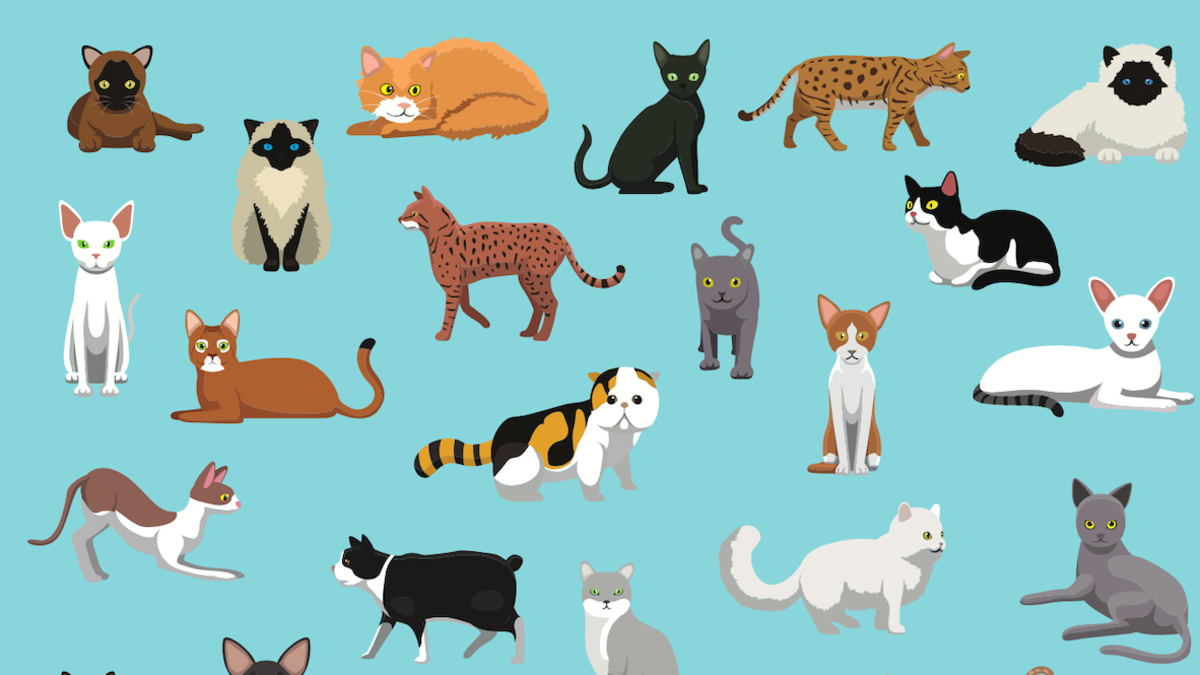
Cat breeds show many physical differences. Some have short fur, while others have long, fluffy coats. Body size can range from small to large. Eye color and ear shape also vary widely.
- Coat length: short, medium, or long
- Body size: small, medium, or large
- Ear shape: pointed, rounded, or tufted
- Eye color: green, blue, amber, or mixed
Temperament
Each breed has its own personality style. Some cats are calm and gentle. Others are playful and curious. Many breeds enjoy social time with people and other pets.
- Calm and relaxed
- Playful and energetic
- Friendly and social
- Independent and quiet
Activity Levels
Activity levels differ between breeds. Some cats love to climb and explore. Others prefer lounging and quiet time. Activity can depend on age and health too.
- High energy: loves play and exercise
- Moderate energy: balanced play and rest
- Low energy: prefers calm and sleep
Grooming Needs
Grooming needs vary by fur type and breed. Long-haired cats need regular brushing. Short-haired cats require less grooming but still benefit from care. Some breeds shed more than others.
- Daily brushing for long coats
- Weekly brushing for short coats
- Regular nail trimming and ear cleaning
- Bathing rarely needed but helpful sometimes
Credit: paradepets.com
Choosing The Right Breed
Choosing the right cat breed shapes your pet experience. Each breed has unique traits, needs, and temperaments. Matching a cat’s personality with your lifestyle improves happiness for both of you. Think about daily habits, home space, family members, and health concerns. These factors guide you to a breed that fits well.
Lifestyle Compatibility
Some cat breeds are energetic and need lots of playtime. Others prefer calm and quiet environments. Active people may enjoy playful breeds like Bengals or Abyssinians. Those who want a relaxed companion might choose Ragdolls or Persians. Consider how much time you spend at home daily. Cats that need attention may not suit busy schedules.
Allergy Considerations
Allergies affect many cat lovers. Some breeds cause fewer allergic reactions. Siberians, Balinese, and Sphynx cats are known to be better for allergy sufferers. No cat is completely hypoallergenic, but some produce less dander. Spending time with a cat before adoption helps test allergies. This step can prevent future problems.
Space Requirements
Living space matters for a cat’s comfort. Large breeds or active cats need room to roam and play. Small apartments suit quieter and smaller breeds. Consider vertical space like cat trees or shelves. A cramped space can stress an energetic cat. Choose a breed that matches your home size and layout.
Family Dynamics
Different breeds react differently to children and other pets. Gentle breeds like British Shorthairs and Ragdolls often tolerate kids well. Some cats prefer a calm home without loud noises or sudden movements. If you have other pets, choose a breed known for social behavior. Understanding your family’s lifestyle helps pick a cat that fits smoothly.
Breed Origins And History
The fascinating world of cat breeds is as diverse as it is intriguing. Each breed carries a unique story, woven through history and shaped by human influences. Understanding the origins and development of these breeds not only enriches our appreciation but also deepens our connection with these furry companions.
Ancient Breeds
Some cat breeds trace their origins back to ancient civilizations. Take the Egyptian Mau, a breed believed to be the descendant of cats worshipped by pharaohs. Their spotted coats are reminiscent of the wild cats depicted in ancient Egyptian art. Similarly, the Siamese cat, known for its striking blue eyes and contrasting fur, has a storied past linked to royalty in Thailand. Owning a Siamese was once a privilege of kings, and they were believed to bring good luck. Have you ever wondered how these breeds managed to maintain their distinct characteristics over centuries? It’s a testament to their resilience and adaptability.
Modern Developments
The 19th and 20th centuries saw a boom in the development of new cat breeds. Breeders began experimenting, crossing existing breeds to create new ones with specific traits. The American Shorthair, for instance, was developed from European cats brought to North America by early settlers. They were prized for their hunting skills and adaptability. In contrast, the Scottish Fold, with its distinctive folded ears, was discovered by chance on a farm in Scotland in the 1960s. This spontaneous mutation quickly gained popularity, leading to a whole new breed. Isn’t it fascinating how selective breeding can shape the evolution of a species?
Breed Recognition
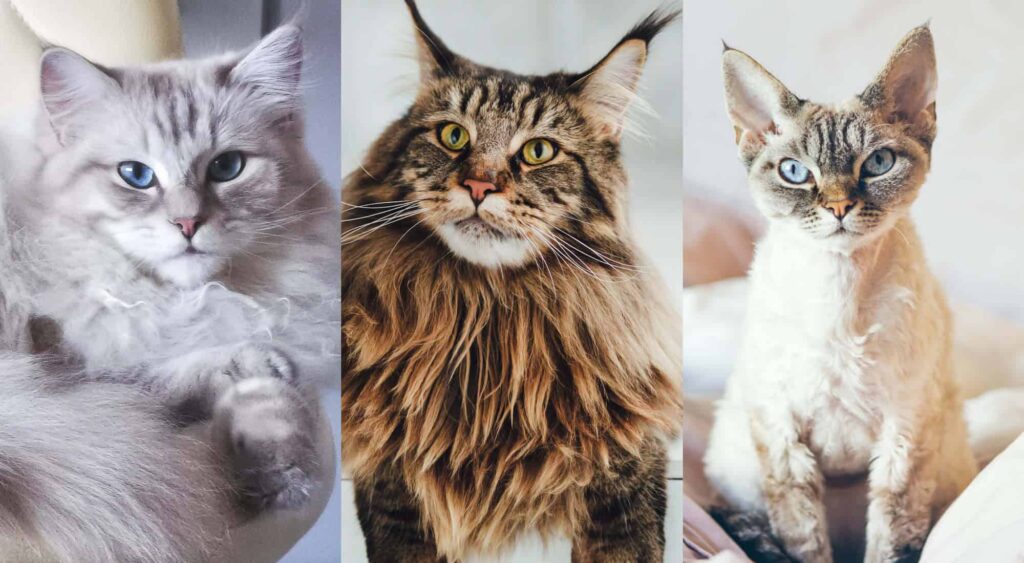
Recognizing a cat breed involves more than just identifying physical traits. Breed recognition is a formal process governed by cat fancier organizations like The International Cat Association (TICA) and the Cat Fanciers’ Association (CFA). These organizations set strict standards for each breed, ensuring consistency and quality. They evaluate factors like temperament, health, and appearance before granting official status. Have you ever thought about what goes into maintaining these standards? It’s a meticulous process that ensures each breed remains true to its roots while adapting to modern times. Next time you encounter a cat, consider the rich tapestry of history and care that defines its breed. It might just change the way you see our feline friends.
Credit: rawznaturalpetfood.com
Frequently Asked Questions
What Are The Most Popular Cat Breeds Worldwide?
Popular cat breeds include the Persian, Maine Coon, Siamese, Ragdoll, and Bengal. Each breed has unique traits and personalities that appeal to different cat lovers.
How Do Cat Breeds Differ In Personality Traits?
Cat breeds vary in energy levels, sociability, and playfulness. For example, Siamese cats are vocal and social, while Persians are calm and affectionate.
Which Cat Breeds Are Best For Families With Kids?
Maine Coons, Ragdolls, and British Shorthairs are known for being gentle and patient. These breeds generally get along well with children and other pets.
Are There Hypoallergenic Cat Breeds Available?
Yes, breeds like the Siberian, Balinese, and Sphynx produce fewer allergens. These cats are better suited for people with mild allergies.
Conclusion
Cats come in many breeds, each with unique traits and looks. Some are playful, others calm and gentle. Choosing the right breed depends on your lifestyle and preferences. Every cat has its own charm and personality. Knowing about different breeds helps you find a perfect companion.
Cats bring joy and comfort to any home. Explore, learn, and enjoy the wonderful world of cat breeds.




Leave a Reply