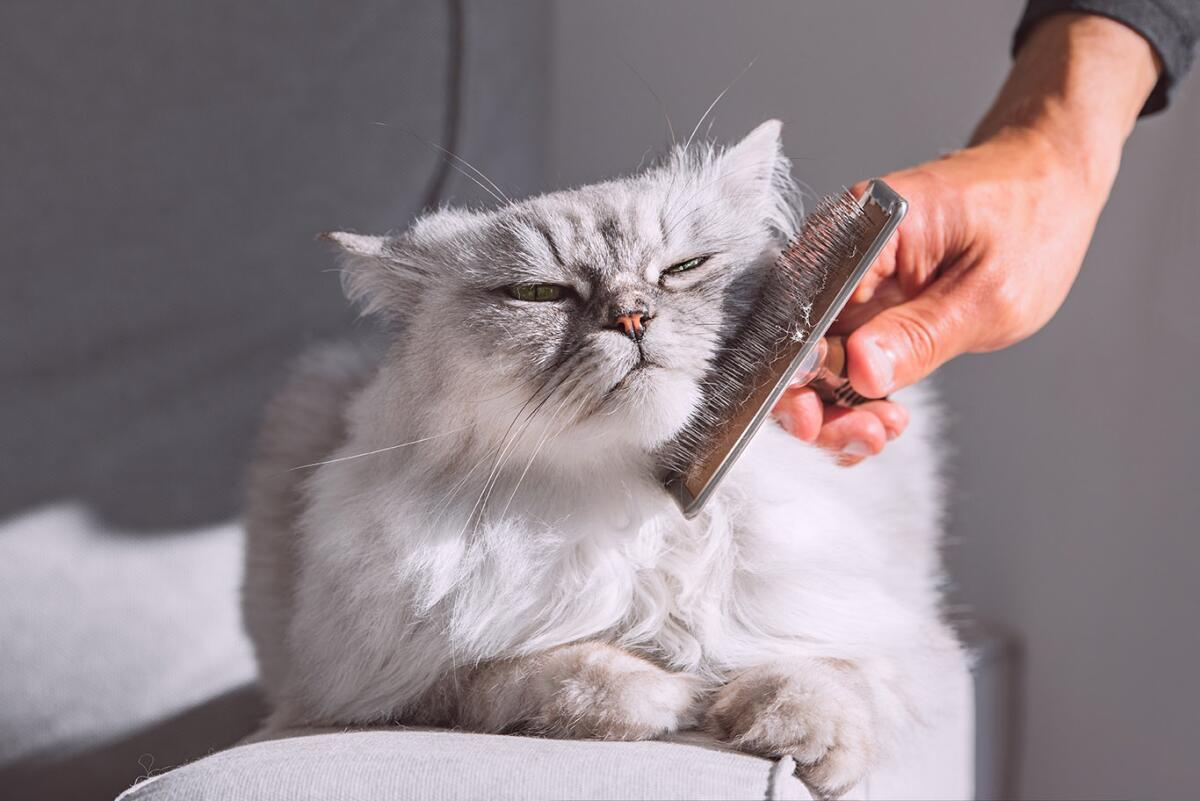
Grooming your cat might seem like a simple task, but it can make a huge difference in your pet’s health and happiness. You might wonder how to start, what tools to use, or how to keep your cat calm during the process.
This guide will answer all your questions and show you easy steps to keep your furry friend looking and feeling great. By the end, you’ll feel confident and ready to make grooming a positive experience for both you and your cat.
Keep reading to discover the secrets to smooth, stress-free cat grooming.
Choosing The Right Grooming Tools
Choosing the right grooming tools is essential for making the grooming process smooth and enjoyable for both you and your cat. Each cat’s coat and personality require specific tools that work best to keep them clean, comfortable, and looking their best. Picking the right items can prevent stress and make grooming less of a chore.
Brush Types For Different Coats
Your cat’s coat type determines the brush that will work best. Short-haired cats usually benefit from a soft-bristle brush that removes loose fur without irritating the skin. Long-haired cats need a slicker brush or a wide-toothed comb to detangle knots and prevent mats.
If your cat has a double coat, like a Maine Coon or Norwegian Forest Cat, a deshedding tool can help remove the undercoat effectively. Notice how your cat reacts to different brushes—if they seem uncomfortable, try switching to a gentler option. How often you brush also depends on the coat type; long-haired cats may need daily brushing, while short-haired ones usually require less frequent care.
Selecting Nail Clippers
Choosing the right nail clippers can make trimming your cat’s nails a safer and easier task. Scissor-style clippers are great for precision and control, especially if your cat is a bit nervous. Guillotine-style clippers work well for quick cuts but require steady hands to avoid injury.
Some owners prefer electric nail grinders for a smoother finish, although they may need some time to get your cat used to the noise. Remember, sharp, clean clippers prevent splitting and discomfort. Have you noticed your cat’s nail shape or thickness? That can help you decide which type fits best.
Using Cat-safe Shampoos
Not all shampoos are safe for cats, so picking a product specifically formulated for feline skin is crucial. Human shampoos or dog shampoos often contain ingredients that can irritate your cat’s sensitive skin or cause allergic reactions. Cat-safe shampoos usually have a gentle pH balance and avoid harsh chemicals.
If your cat has skin conditions, look for medicated shampoos recommended by your veterinarian. Some shampoos also offer added benefits like flea control or moisturizing effects. Have you ever read the label to check for harmful ingredients before purchasing a shampoo? It’s a simple step that protects your cat’s health.
Brushing Techniques
Brushing your cat is more than just a routine task; it’s a chance to build trust and keep their coat healthy. Different cats need different brushing approaches depending on their hair type and temperament. Let’s dive into brushing techniques that make grooming easier for both you and your feline friend.
Frequency For Short And Long Hair
Short-haired cats usually only need brushing once or twice a week. This helps remove loose fur and reduces shedding around the house. Long-haired cats demand more attention—daily brushing is ideal to prevent mats and keep their coat shiny.
Think about your cat’s lifestyle too. Indoor cats might need less frequent brushing than outdoor cats exposed to dirt and debris. How often do you notice loose fur or knots forming? Adjust your brushing schedule based on those signs.
Handling Mats And Tangles
Mats can be uncomfortable or even painful for your cat if left untreated. Start by gently teasing apart small tangles with your fingers before using a comb. Never pull hard; it can hurt your cat and make future grooming sessions a struggle.
For stubborn mats, use a mat splitter or specialized dematting tool carefully. If a mat is too tight or close to the skin, it’s safer to consult a professional groomer or vet. Have you noticed your cat hiding when you reach certain spots? That might signal sensitive mats that need gentle care.
Calming Your Cat During Brushing
Many cats resist brushing, but patience and calmness can change that. Use a soft brush and start slowly, letting your cat sniff and get comfortable with the tool. Speak softly and offer treats to create positive associations.
Watch your cat’s body language: ears back or tail flicking means it’s time for a break. Try brushing in short sessions and gradually increase the time as your cat relaxes. What’s your cat’s favorite spot to be touched? Focus there first to build trust.
Bathing Your Cat
Bathing your cat might sound challenging, but with the right approach, it can become a manageable part of your grooming routine. Cats are naturally clean animals, so baths aren’t often necessary. However, there are times when a bath is the best option for their health and hygiene.
When To Bathe Your Cat
Not all cats need regular baths. You should consider bathing your cat if they get into something sticky, smelly, or toxic that they cannot clean off themselves.
Older cats or those with health issues might struggle with self-grooming, making occasional baths helpful. Additionally, long-haired breeds sometimes benefit from baths to prevent matting and excessive shedding.
Ask yourself: has your cat become noticeably dirty or oily? Are there signs of fleas or skin problems that require medicated baths? These are good reasons to give your cat a bath.
Step-by-step Bathing Process
- Prepare the area:Use a sink or tub with a non-slip mat to keep your cat safe. Gather all supplies like cat shampoo, a cup for rinsing, and towels before starting.
- Brush your cat first:Removing loose fur and tangles helps the bath go smoother and prevents mats from tightening when wet.
- Use lukewarm water:Fill the tub or sink with just a few inches of water. Cats dislike cold or hot water, so test the temperature with your wrist.
- Gently wet your cat:Use a cup or sprayer to wet your cat slowly, avoiding their face and ears.
- Apply cat-specific shampoo:Lather gently, focusing on dirty areas. Never use human shampoo as it can irritate their skin.
- Rinse thoroughly:Make sure no soap remains, as residue can cause itching or discomfort.
- Clean the face carefully:Use a damp cloth to wipe your cat’s face instead of pouring water over it.
Drying Tips And Precautions
After the bath, wrap your cat in a large, soft towel to absorb as much water as possible. Cats can get cold quickly, so keep the room warm and draft-free.
If your cat tolerates it, you can use a hairdryer on the lowest heat and speed setting. Keep it moving constantly and avoid blowing directly into their face.
Watch your cat closely for signs of stress or discomfort during drying. Sometimes, a calm cuddle session afterward helps them relax and feel safe again.
Have you noticed your cat’s reaction after a bath? Understanding their mood can guide you to improve the experience next time.
Nail Care Basics
Nail care is essential for your cat’s health and comfort. Long nails can cause pain and injury. Regular trimming keeps nails at a safe length. It also prevents damage to furniture and skin. Understanding nail care basics helps you keep your cat happy and healthy.
How To Trim Nails Safely
Use a sharp, small pet nail clipper. Hold your cat gently but firmly. Press the paw pad to extend the nail. Avoid cutting the pink part, called the quick. It contains nerves and blood vessels. Trim only the sharp tip of the nail. If your cat struggles, pause and try again later. Reward your cat with treats after each trim.
Signs Your Cat Needs A Nail Trim
- Nails clicking on hard floors.
- Nails curling or growing into the paw pads.
- Scratches on furniture or skin.
- Difficulty walking or jumping.
- Visible long nails even when relaxed.
Alternatives To Nail Trimming
- Use nail caps to cover sharp nails.
- Provide scratching posts to wear down nails naturally.
- Regular play to encourage natural nail filing.
- Consult a groomer for professional nail care.
Ear And Eye Maintenance
Cleaning a cat’s ears and eyes helps keep infections away. Use a soft cloth and gentle movements to wipe dirt and discharge carefully. Regular checks prevent discomfort and maintain your cat’s health.
Cats are known for their cleanliness, yet ear and eye maintenance remains crucial. Regular checks keep your feline friend’s health in check. This section explores safe ear cleaning, spotting infections, and maintaining eye hygiene.Cleaning Ears Without Harm
Gently clean your cat’s ears. Use a soft cloth or cotton ball. Avoid cotton swabs; they might hurt. Dampen the cloth with warm water. Wipe only the outer ear. Do not insert anything inside. Check for wax or dirt buildup.Detecting Ear Infections
Watch for signs of ear infections. Redness, swelling, or bad odor are clues. Your cat might shake its head or scratch its ears. If you notice these signs, consult a vet promptly. Early detection prevents complications.Eye Cleaning And Care
Keep your cat’s eyes bright and clear. Use a damp cloth to clean them. Wipe gently from the inner corner outward. Remove any discharge or debris. Check for redness or cloudiness. Healthy eyes are vital for your cat’s wellbeing.
Credit: www.latimes.com
Dental Hygiene Tips
Maintaining your cat’s dental hygiene is crucial for their overall health. Poor dental care can lead to pain, infections, and even affect their heart and kidneys. Let’s look at practical ways you can keep your cat’s teeth clean and healthy.
Brushing Your Cat’s Teeth
Brushing your cat’s teeth might sound challenging, but starting slowly can make a big difference. Use a toothbrush designed for cats and a toothpaste made specifically for them—never use human toothpaste. Try brushing for just a few seconds at first, then gradually increase the time as your cat gets used to it.
Have you noticed your cat resisting at first? That’s normal. Patience and gentle praise can help build a positive routine.
Dental Treats And Toys
Dental treats and toys offer an easy way to support your cat’s oral health between brushings. Look for treats that help reduce plaque and tartar buildup. Some toys are designed to massage gums and clean teeth while your cat plays, making dental care part of their fun.
Think about mixing these into your cat’s routine. Which treats or toys does your cat enjoy most? That preference can guide your choices.
Recognizing Dental Problems
Spotting dental issues early can save your cat a lot of discomfort. Watch for signs like bad breath, drooling, difficulty eating, or pawing at the mouth. Red or swollen gums and loose teeth are also red flags.
If you notice any of these, schedule a vet visit promptly. How often do you check your cat’s mouth? Regular checks can catch problems before they worsen.
Grooming For Health Monitoring
Grooming your cat is more than keeping their fur clean. It helps you watch their health closely. Regular grooming lets you find problems early. You can spot skin troubles or parasites before they get worse. This care keeps your cat happy and healthy.
Spotting Skin Issues Early
Look for redness, bumps, or dry patches on the skin. Check for hair loss or unusual lumps. These signs can mean allergies, infections, or other skin problems. Early spotting means quick treatment. It prevents pain and serious health issues.
Checking For Parasites
Parasites like fleas and ticks hide in fur. Run your fingers gently through your cat’s coat. Watch for tiny black dots or moving bugs. Check behind ears, neck, and belly—common spots for pests. Removing parasites early stops itching and infections.
When To Visit The Vet
- If you find sores, swelling, or wounds that don’t heal quickly.
- When your cat scratches or licks a spot too much.
- If you see signs of parasites you cannot remove.
- When your cat shows unusual behavior or seems in pain.
Regular vet visits keep your cat’s health on track. Grooming helps you know when to seek professional care.
Credit: brooklynpetspa.com
Creating A Positive Grooming Routine
Grooming a cat gently builds trust and keeps their coat clean. Use soft brushes and short sessions to make grooming pleasant. Regular care helps prevent mats and keeps your cat healthy.
Creating a positive grooming routine for your cat helps them feel secure. Grooming time can strengthen your bond and promote their health. Cats may resist grooming at first. With patience and care, they will enjoy it.Building Trust With Your Cat
Start by creating a safe grooming space. Let your cat explore the area. Use gentle tones to soothe them. Begin with short grooming sessions. Gradually increase the time as they get comfortable. Respect your cat’s boundaries. Stop if they show signs of stress. This builds trust over time.Using Treats And Praise
Positive reinforcement works wonders. Keep your cat’s favorite treats handy. Reward them during and after grooming. Use verbal praise in a calm voice. This makes grooming a positive experience. Your cat will associate grooming with treats and affection.Making Grooming A Daily Habit
Consistency is key. Schedule grooming at the same time each day. This creates a routine your cat expects. Even short sessions help maintain their coat. Daily grooming reduces shedding and prevents mats. Your cat will look forward to this special time with you.
Credit: catit.ca
Frequently Asked Questions
How Often Should I Groom My Cat?
Groom your cat at least once a week to remove loose fur and dirt. Long-haired cats may need daily grooming. Regular sessions prevent matting and reduce hairballs, keeping your cat healthy and comfortable.
What Tools Are Best For Cat Grooming?
Use a soft-bristle brush for short hair and a wide-toothed comb for long hair. Nail clippers and flea combs are also essential. Choose tools that suit your cat’s fur type for effective grooming.
Can Grooming Help With Cat Hairballs?
Yes, regular grooming reduces loose fur your cat swallows. This lowers hairball formation and promotes healthier digestion. Brushing helps remove dead hair before it reaches your cat’s stomach.
How Do I Groom A Nervous Or Scared Cat?
Be gentle and calm. Use slow movements and soft voices to reassure your cat. Start grooming in short sessions to build trust. Offering treats can help make grooming a positive experience.
Conclusion
Grooming your cat helps keep them clean and healthy. Regular brushing removes loose fur and dirt. It also reduces hairballs and matting. Cats enjoy gentle, calm grooming sessions. Use the right tools for your cat’s fur type. Watch for signs of skin problems or pests.
A well-groomed cat feels happier and more comfortable. Make grooming a part of your routine. It strengthens the bond between you and your pet. Simple steps can make grooming easy and enjoyable.




Leave a Reply