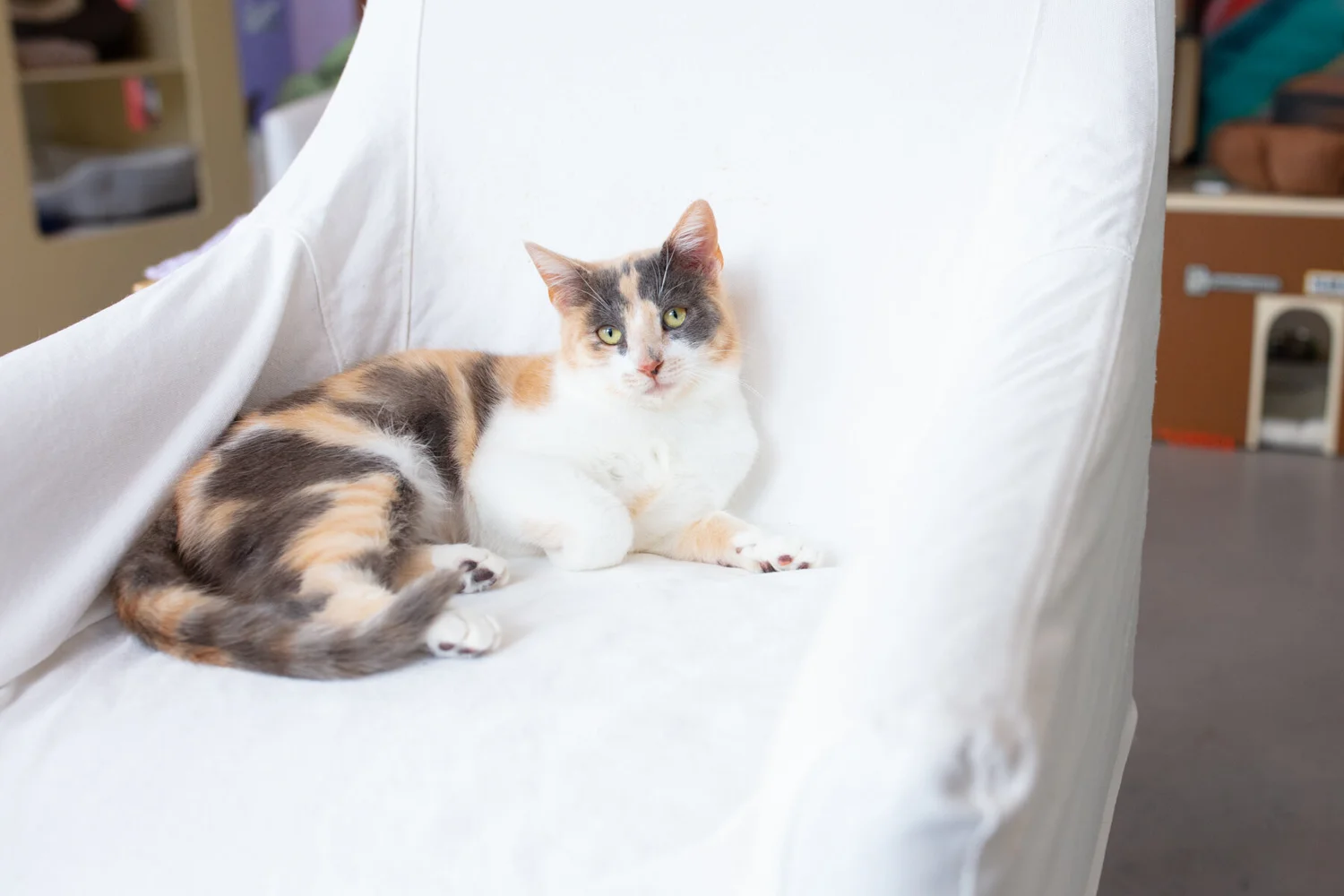
Have you ever wondered what breeds a calico cat can come from? If you’re curious about these colorful felines and want to know how their unique coat patterns appear in different cat breeds, you’re in the right place.
Understanding the breeds behind calico cats can help you appreciate their beauty even more. Keep reading, and you’ll discover surprising facts that might change the way you see these charming cats forever.
Calico Cat Genetics
Calico cat genetics is a fascinating topic that explains how these colorful felines come to have their unique and striking coats. Understanding the genetics behind calico patterns can help you appreciate why these cats look the way they do and why certain traits appear mostly in females. Let’s break down the key genetic factors that create the distinctive calico coloring.
Color Patterns And Genetics
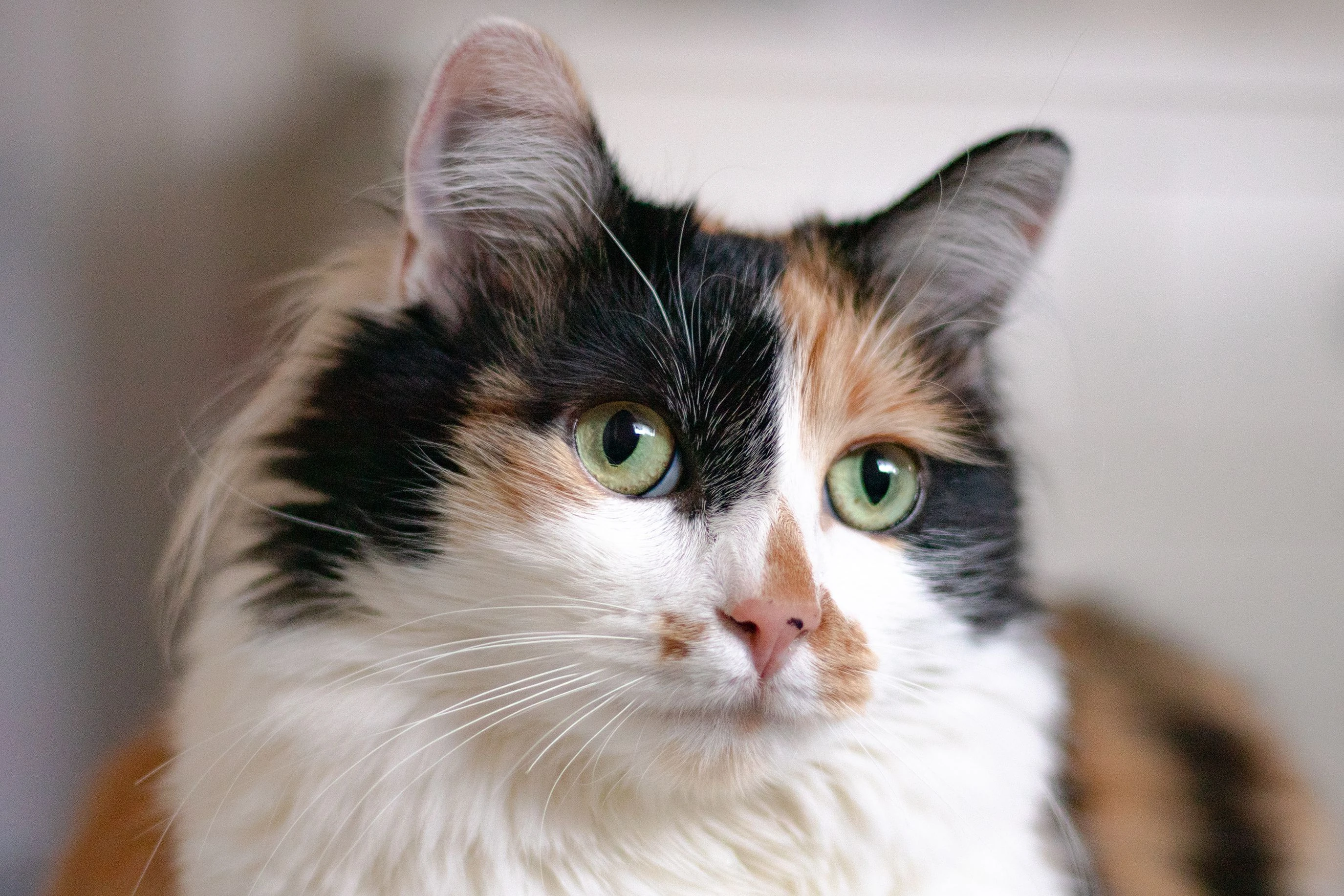
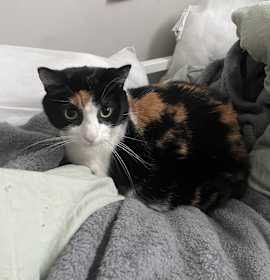
Calico cats display a tri-color coat pattern, typically a mix of white, orange, and black patches. This pattern results from the interaction of multiple genes controlling pigment production and distribution.
The white areas come from a gene that limits pigment cells, while the black and orange patches are linked to the X chromosome. This genetic combination creates the patchwork effect that makes calicos so eye-catching.
Have you ever noticed how no two calico cats have the exact same pattern? That’s because the random inactivation of one X chromosome in each cell leads to different color patches, making each coat truly unique.
Gender And Color Link
Almost all calico cats are female, and the reason lies in their genetics. The genes responsible for orange and black fur are carried on the X chromosomes, meaning a cat must have two X chromosomes (XX) to display both colors.
Male cats have only one X chromosome (XY), so they can usually be either orange or black, but not both. However, in rare cases, a male cat with an extra X chromosome (XXY) can be calico, but these cats are often sterile.
Understanding this link helps explain why you’ll rarely see male calico cats and why female calicos are so special in the feline world.
Inheritance Of Calico Traits
Calico coloring is not inherited in a simple dominant or recessive pattern. Instead, it depends on which X chromosome is active in different skin cells, a process called X-inactivation or lyonization.
This means even if a kitten inherits the genes for orange and black fur, the random turning off of one X chromosome in each cell determines the final coat pattern. The white patches come from a separate gene controlling pigment distribution.
So, if you’re wondering whether two calico parents will always have calico kittens, the answer is no. The genetics involved create a variety of possible outcomes, making breeding calico cats unpredictable and intriguing.
Credit: cats.fandom.com
Common Calico Breeds
Calico cats are famous for their unique tri-color coats. These colors appear in many cat breeds. Some breeds show calico patterns more often than others. They offer a mix of beauty and personality that many cat lovers admire.
Common calico breeds come in different shapes and sizes. They share the distinct calico coloring but have unique traits. Understanding these breeds helps identify the perfect calico cat for your home.
American Shorthair
The American Shorthair is a popular calico breed. They have a sturdy body and short, dense fur. Their calico colors are bright and well-defined. This breed is friendly and easy to care for. They adapt well to family life and indoor living.
Japanese Bobtail
The Japanese Bobtail stands out with its short, bobbed tail. Their calico pattern is often vibrant and striking. This breed is playful and active. They are known for their strong bond with humans. Japanese Bobtails bring joy and energy to any home.
Persian Calico
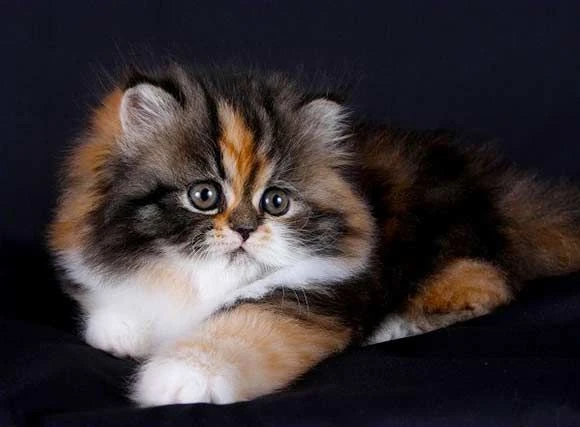
Persian Calicos have long, fluffy fur that feels soft to touch. Their calico colors blend beautifully on their thick coats. This breed is calm and gentle. Persians require regular grooming to keep their fur clean. They make loving and quiet companions.
Breeds That Can Produce Calico Offspring
Calico cats are known for their unique tricolor coats, but not every breed can produce these beautiful patterns. The calico coloring depends on specific genetic factors linked to the X chromosome. This means calico offspring can appear in various breeds, both common and rare. Understanding which breeds can produce calico cats helps cat lovers appreciate this special coat pattern more.
Domestic Short And Long Hair Cats
Many domestic short and long hair cats can have calico coats. These cats do not belong to a specific breed but are mixed or non-pedigree cats. Their gene pool is diverse, making calico patterns common in this group.
- Domestic Short Hair cats often show strong calico patterns.
- Domestic Long Hair cats can have soft, fluffy calico coats.
- Both types carry the genetic traits needed for calico coloring.
Exotic And Rare Breeds
Some exotic and rare cat breeds can also produce calico offspring. These breeds have the right genetics for the calico pattern but may show it less often. Their unique colors add to their charm.
- Japanese Bobtail cats often display striking calico patterns.
- Turkish Van cats can show calico markings, especially on their heads and tails.
- Manx cats sometimes have calico coats, combined with their tailless trait.
Crossbreeding Potential
Crossbreeding can increase the chances of calico offspring by mixing genes from different breeds. This practice blends traits and coat colors, sometimes creating new calico patterns. Crossbreeding involves careful selection to maintain health and coat quality.
- Crosses between domestic cats and specific breeds can yield calico kittens.
- Breeders often select parents with known calico genes.
- Crossbreeding supports genetic diversity and unique calico patterns.
Stunning Calico Mixes
Calico cats are famous for their unique tri-color coats. These colors create stunning patterns that catch the eye. When calico traits mix with different breeds, the results are truly beautiful. Stunning calico mixes combine the best features of both breeds. They offer not only striking looks but also unique personalities.
Calico Maine Coon
The Maine Coon is a large, friendly cat with long fur. A calico Maine Coon has a thick, soft coat with patches of orange, black, and white. These cats are gentle giants, known for being social and playful. Their luxurious fur and colorful markings make them a favorite among cat lovers.
Calico Bengal
Bengals are wild-looking cats with spotted or marbled coats. A calico Bengal blends the calico pattern with the Bengal’s bold spots. This mix results in a fierce yet colorful coat. Calico Bengals are active and curious, needing plenty of playtime and attention.
Calico Scottish Fold
Scottish Folds have unique folded ears that give them a sweet, owl-like face. A calico Scottish Fold combines this adorable trait with a tri-color coat. These cats are calm and affectionate, making great companions. Their soft fur and charming looks attract many cat fans.
Traits Of Calico Mixes
Calico cats are known for their striking tri-color coats. When they mix with other breeds, their offspring often inherit unique traits. These mixed-breed cats can exhibit a delightful array of appearances, temperaments, and health characteristics. Understanding these traits can help in caring for and appreciating these beautiful creatures.
Appearance Variations
Calico mixes display a range of coat patterns and colors. Each cat is unique. Their coats can include patches of white, black, and orange. Some may have more blended colors, creating a mosaic effect. The texture of their fur can vary too. It ranges from short and sleek to long and fluffy.
Temperament Differences
Calico mixes can have diverse personalities. They might inherit traits from both parent breeds. Some are independent and adventurous, while others are affectionate and loyal. Their temperament can depend on the specific breeds in their lineage.
Health Considerations
These cats can have health traits from both parents. Some may be prone to conditions common in their parent breeds. Regular vet check-ups are important for maintaining their health. A balanced diet and proper exercise can support their well-being.
Credit: animals.fandom.com
Breeding Challenges And Ethics
Breeding calico cats presents unique challenges and raises important ethical questions. These cats are not just beautiful; their distinctive coat colors come from complex genetics that affect breeding outcomes. Understanding these factors helps you make informed and responsible decisions if you consider breeding calicos.
Genetic Complexity
Calico cats owe their tri-color coats to a rare genetic mechanism linked to the X chromosome. Since females have two X chromosomes, they can display the calico pattern, but males usually cannot unless they have an unusual XXY pattern. This means breeding calicos isn’t straightforward—you can’t simply pair any cat and expect calico offspring.
Genetic unpredictability makes it tough to guarantee calico kittens. Breeders often face surprises with coat colors and patterns. This complexity demands careful planning and a deep understanding of cat genetics before attempting to breed calicos.
Responsible Breeding Practices
Responsible breeding goes beyond just producing calico kittens. You need to prioritize the health and temperament of the cats involved. Avoid breeding cats with known genetic disorders or health issues, even if they have the desired coat pattern.
Good breeders carefully document lineage and genetic history. They also ensure proper care and socialization for both parents and kittens. Have you considered how much time and resources are necessary to maintain ethical standards in breeding?
Impact On Cat Welfare
Breeding without considering welfare can lead to health problems and emotional stress for cats. Some calico breeding attempts focus too much on appearance, ignoring the cats’ wellbeing. This approach can cause suffering and reduce quality of life for the animals involved.
When you breed or support breeding, think about the long-term impact on the cats. Will the kittens have loving homes? Are the breeding conditions humane? Your choices affect not only the cats but also the reputation of responsible breeding as a whole.
Credit: www.adoptapet.com
Frequently Asked Questions
What Breeds Commonly Have Calico Cats?
Calico cats are not a breed but a color pattern. They appear in many breeds like American Shorthair, Persian, and Maine Coon. Any breed with the right genetics can have calico coloring.
Can Calico Cats Be Male Or Female?
Almost all calico cats are female due to genetics. Male calicos are extremely rare and usually sterile. This happens because calico coloring depends on two X chromosomes.
Do Calico Cats Belong To Specific Breed Groups?
Calico is a color pattern, not a breed group. It can occur in many different cat breeds. The pattern involves white, orange, and black patches on the fur.
Are Calico Cats Linked To Certain Personality Traits?
Calico cats do not have breed-specific personality traits. Personality depends on breed and individual cat. However, many owners describe calicos as affectionate and playful.
Conclusion
Calico cats can come from many cat breeds, not just one. Their unique colors appear in breeds like American Shorthair, Maine Coon, and Persian. This mix of breeds makes calico cats special and diverse. Understanding their breed background helps appreciate their beauty and traits.
Every calico cat has a story told by its colors and breed. They remain a favorite among cat lovers worldwide for their charm and personality. Exploring calico breeds offers fun insights into these colorful companions.




Leave a Reply