If your cat has fleas, you might be wondering, “Can I take my cat with fleas to the groomer?” You want your furry friend clean and comfortable, but fleas can make the grooming process tricky. Taking the wrong step could spread those pesky pests or make your cat’s skin worse.
You’ll discover what you need to know before booking that grooming appointment. By the end, you’ll feel confident about the best way to care for your cat and keep those fleas under control. Keep reading to protect your pet and ensure a stress-free grooming experience.
Risks Of Grooming A Flea-infested Cat
Taking a cat with fleas to a groomer carries several risks. Fleas can cause discomfort and health problems for your cat. They also pose a threat to other pets and the grooming environment. Understanding these risks helps protect your cat and others from harm.
Health Concerns For Your Cat
Fleas irritate your cat’s skin and cause intense itching. This can lead to scratches and wounds. Fleas may also cause allergic reactions or infections. In severe cases, flea bites can lead to anemia. Stress from flea infestations weakens your cat’s immune system. Grooming a flea-infested cat without treatment can worsen these issues.
Potential Spread To Other Pets
Fleas easily jump from one animal to another. Bringing a flea-infested cat to the groomer risks spreading fleas to other pets. This can cause new infestations in healthy animals. Groomers often care for multiple pets daily. A single flea can quickly multiply and infest many animals. Protecting all pets means addressing fleas before grooming visits.
Impact On Grooming Tools And Environment
Fleas can hide in grooming tools like brushes and combs. They may also infest bedding and grooming stations. This creates a cycle of reinfestation that is hard to break. Tools and spaces need thorough cleaning to kill fleas and eggs. Flea infestations at a grooming salon affect many pets and clients. Preventing infestations helps maintain a safe and clean environment.

Credit: bramaleaanimalhospital.ca
Signs Your Cat Has Fleas
Spotting fleas on your cat early can save both of you a lot of discomfort. Fleas don’t just cause itching—they can lead to serious skin problems and even infections. Knowing the signs your cat has fleas helps you decide if a trip to the groomer is safe or if treatment should come first.
Common Flea Symptoms
One of the most obvious signs is intense scratching or biting, especially around the neck and tail areas. You might notice red, irritated patches or small scabs on your cat’s skin. Hair loss in spots where your cat frequently scratches can also indicate a flea problem.
Sometimes, fleas cause your cat to develop flea allergy dermatitis, leading to more severe skin issues. If your cat is shaking its head or scratching its ears excessively, that could be another warning sign.
Behavioral Changes To Watch For
Have you noticed your usually calm cat acting restless or agitated? Fleas can make your pet uncomfortable enough to change its mood. Your cat might spend more time grooming or hiding away to escape the irritation.
Pay attention if your cat seems more tired than usual or loses interest in playtime. These subtle shifts can hint that fleas are causing stress or discomfort, even if you don’t see the bugs right away.
Checking For Flea Dirt And Eggs
Flea dirt looks like tiny black specks on your cat’s fur—almost like pepper. You can check by parting the fur and placing what you find on a damp paper towel. If it turns reddish-brown, that’s flea dirt, which is actually flea feces containing digested blood.
Flea eggs are small, white, and oval-shaped, often found near the skin or in thick fur. Running a fine-toothed flea comb through your cat’s coat can help you spot these early signs. Catching flea dirt and eggs early means you can act before the infestation worsens.
Preparing A Flea-infested Cat For Grooming
Preparing your flea-infested cat for grooming is essential to ensure a safe and comfortable experience for both your pet and the groomer. Fleas can cause stress and discomfort, so addressing the issue beforehand helps prevent further infestations and protects everyone involved. Let’s look at how you can get your cat ready effectively.
Consulting Your Veterinarian
Before scheduling a grooming appointment, talk to your veterinarian about your cat’s flea problem. They can confirm the presence of fleas and recommend the best treatment plan tailored to your cat’s health.
Your vet might also advise on whether your cat is fit for grooming immediately or if you need to wait until the flea issue is under control. This step saves you from unnecessary stress and potential complications during grooming.
Effective Flea Treatments Before Grooming
Applying an effective flea treatment is crucial before taking your cat to the groomer. Use vet-approved flea medications such as topical drops, oral tablets, or collars to reduce the flea population.
Make sure to follow the instructions carefully and allow enough time for the treatment to work—usually a few days. This prevents fleas from jumping to the groomer’s tools or other animals.
- Choose a treatment suitable for your cat’s age and health condition.
- Avoid over-the-counter products that may not be safe or effective.
- Monitor your cat for any side effects after applying the treatment.
Bathing Tips To Reduce Fleas
Bathing your cat can help wash away fleas and soothe irritated skin before grooming. Use a flea shampoo recommended by your vet to kill fleas on contact.
Make the bath short and gentle to avoid stressing your cat. Use lukewarm water and keep the shampoo away from sensitive areas like the eyes and ears.
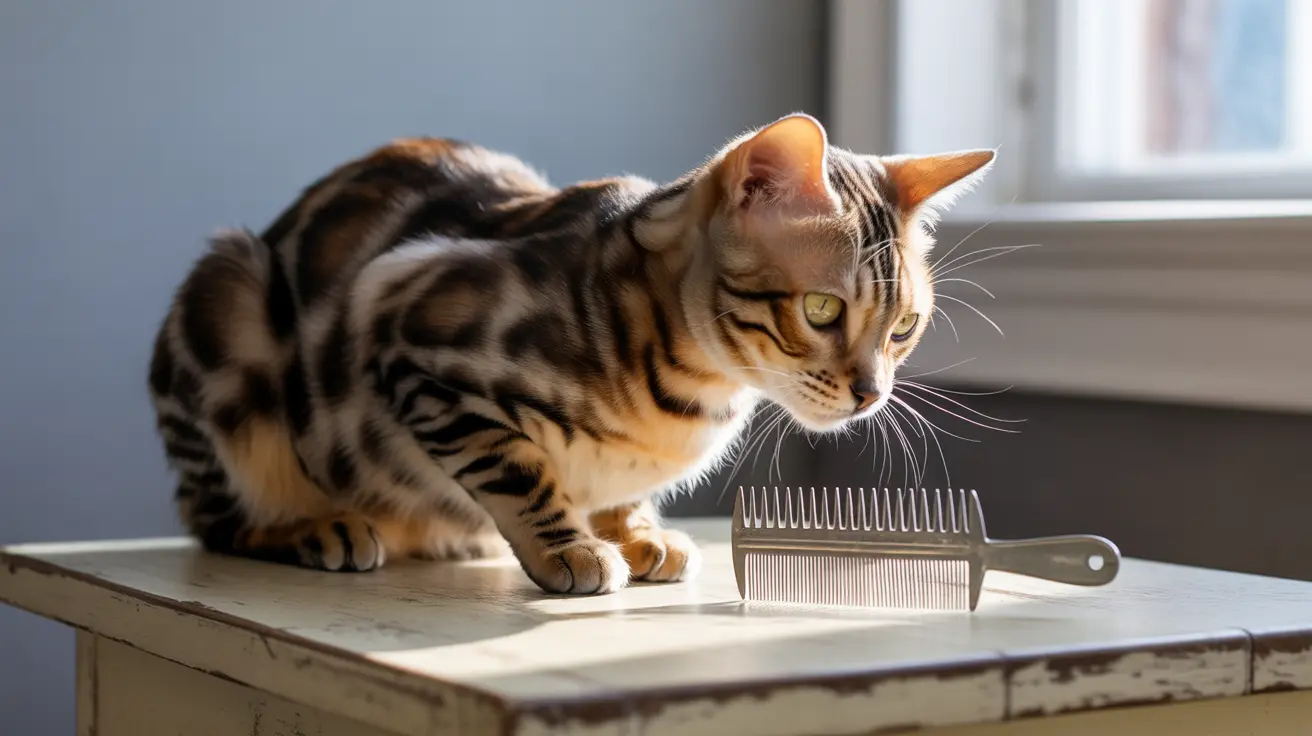
- Comb your cat with a flea comb immediately after the bath to remove dead fleas and eggs.
- Dry your cat thoroughly with a towel to prevent chills.
- Keep your cat calm and reward them with treats to make the experience positive.
Credit: www.petscare.com
Choosing The Right Groomer
Choosing the right groomer is essential for cats with fleas. The groomer must know how to handle flea issues safely. A good groomer will protect your cat and other pets in the shop. It also ensures your cat gets the care it needs without stress or harm.
Finding a groomer with experience in flea control helps avoid problems. Clear communication about flea treatment is key. Understanding the groomer’s policies on fleas ensures your cat stays safe.
Finding Flea-experienced Groomers
Look for groomers who mention flea treatment on their websites. Ask pet owners in your area for recommendations. Experienced groomers know how to check for fleas and treat them. They use safe products designed for cats with fleas.
Visit the grooming salon before booking. Check if the place is clean and well-organized. A flea-experienced groomer will keep the grooming area free of pests.
Questions To Ask Before Booking
- Do you have experience grooming cats with fleas?
- What flea treatments do you use during grooming?
- How do you protect other animals from fleas?
- Do you require flea treatment before grooming?
- What steps do you take if fleas are found during grooming?
Asking these questions helps you find a groomer who can handle fleas safely. It also shows the groomer cares about pet health.
Groomer’s Flea Control Policies
Good groomers have clear policies about fleas. They may require proof of flea treatment before grooming. Some groomers offer flea baths or treatments as part of the service.
Check if the groomer isolates pets with fleas. This stops fleas from spreading to other animals. Policies should include cleaning and disinfecting tools after each pet.
Knowing these rules helps protect your cat and others. It keeps the grooming environment safe and healthy.
During The Grooming Session
Taking a cat with fleas to the groomer can spread pests to other pets. Inform the groomer first to ensure proper care and safety. Some groomers may refuse service until fleas are treated.
During the grooming session, it’s essential to ensure your cat’s comfort and safety, especially if fleas are involved. Grooming can be a soothing experience, but it also requires vigilance. You want the best for your furry friend, so understanding what happens during this time can be incredibly beneficial.Monitoring Your Cat’s Behavior
Keep an eye on your cat’s behavior during the grooming session. Cats can be unpredictable, especially in unfamiliar environments. If your cat shows signs of distress, like hissing or trying to escape, it might be time to intervene. Have you noticed any unusual behavior from your cat during grooming in the past? Share these observations with your groomer. It helps them tailor their approach to suit your cat’s needs, ensuring a smoother session.Ensuring Proper Flea Management
Effective flea management is crucial during grooming. Your groomer should use flea-specific treatments that are safe for your cat. Discuss the types of products they use before the session begins. Are you already using a flea treatment at home? Let your groomer know. Combining efforts can enhance the effectiveness of the flea management plan.Communicating With The Groomer
Clear communication with your groomer is key. Share any concerns you have about fleas or your cat’s behavior. This ensures they are well-informed and can adjust their techniques accordingly. Do you have any specific requests for the grooming session? Don’t hesitate to speak up. Your input is valuable in making the experience as positive as possible for both you and your pet.Post-grooming Flea Care
After your cat’s grooming session, especially if fleas were involved, the real work begins. Post-grooming flea care is essential to ensure your feline friend stays comfortable and the infestation doesn’t return. You want to protect your cat not just during the grooming but long after it’s over.
Ongoing Flea Prevention
Preventing fleas is a continuous effort. Use veterinarian-approved flea treatments regularly, such as topical solutions or flea collars, to keep your cat protected. Don’t stop just because the grooming removed the visible fleas—tiny eggs and larvae might still be lurking.
Consider giving your cat a gentle flea combing session every few days. This simple routine can catch any fleas before they multiply. How often do you check for fleas on your cat? Making it part of your weekly care can save a lot of trouble later.
Cleaning Your Home Environment
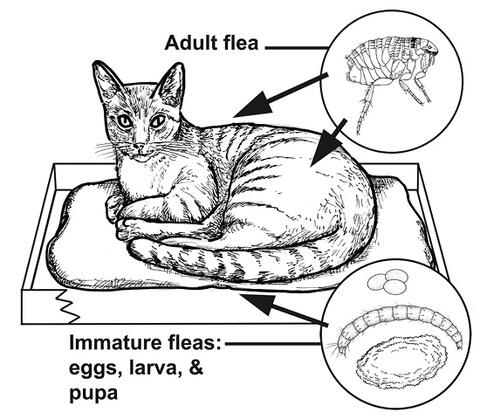
Fleas don’t just live on your cat—they infest your home too. Vacuum floors, rugs, and furniture thoroughly to remove flea eggs and larvae. Wash your cat’s bedding and any fabric they frequently use in hot water to kill off any unseen pests.
Using a household flea spray or fogger might be necessary if the infestation is severe. Be sure to follow product instructions carefully to keep your family and pets safe. Could your home be the reason fleas keep coming back?
Follow-up Veterinary Care
Regular vet visits are critical after flea treatment. Your vet can check if the flea problem is fully resolved and suggest additional treatments if needed. They can also test for flea-borne illnesses that might not be obvious right away.
If your cat shows signs of itching, hair loss, or skin irritation after grooming, don’t wait—schedule a vet appointment. Early intervention can prevent bigger health issues. Are you ready to act quickly when you notice changes in your cat’s behavior or skin?
Credit: extension.msstate.edu
Frequently Asked Questions
Can I Bring A Flea-infested Cat To The Groomer?
It’s best to treat your cat for fleas before grooming. Fleas can spread to other pets and the groomer’s equipment. Most groomers refuse cats with fleas to prevent infestations. Use flea treatments and ensure your cat is flea-free before scheduling grooming.
How Do Groomers Handle Cats With Fleas?
Professional groomers usually require flea treatment before grooming. They may use specialized shampoos if fleas are detected. However, many groomers prefer to avoid grooming cats with active flea infestations to protect their workspace. Communicate with your groomer about flea issues beforehand.
What Flea Treatments Are Safe Before Grooming?
Topical treatments and flea collars are commonly safe before grooming. Consult your vet to choose effective and safe flea control products. Avoid using harsh chemicals right before grooming. Proper flea control ensures a comfortable grooming experience for your cat.
Can Untreated Fleas Affect Other Pets At The Groomer?
Yes, fleas can easily transfer between animals during grooming. This can cause infestations in other pets and the facility. Groomers take precautions to prevent flea spread by refusing untreated pets. Treating your cat first protects your cat and others.
Conclusion
Taking a cat with fleas to the groomer needs care and planning. Fleas spread quickly and cause discomfort. Treat your cat before visiting the groomer. Call the groomer first to ask about their flea policy. A clean and safe environment helps your cat feel calm.
Regular flea checks keep your pet healthy. Protect your cat and other pets in the salon. A little effort keeps grooming safe and stress-free. Your cat will thank you with a happy purr.




Leave a Reply