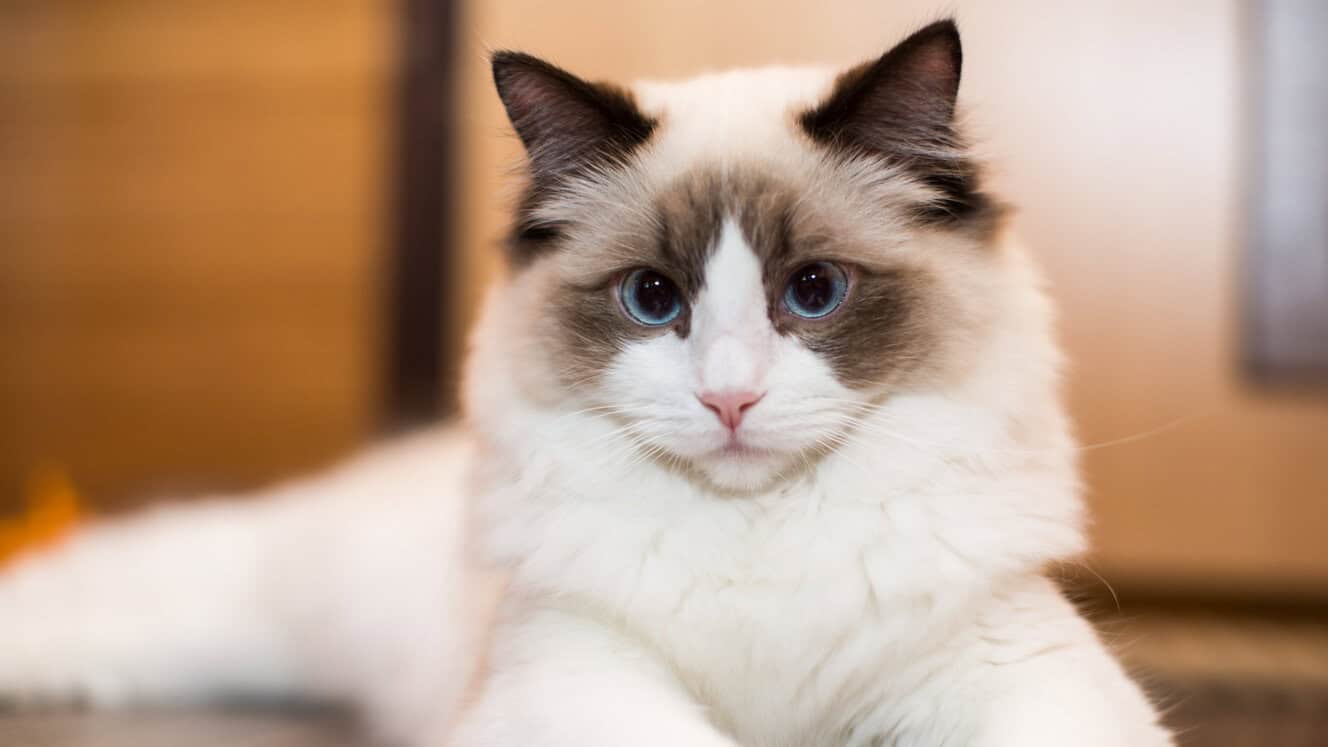
Have you ever wondered what makes a Ragdoll cat so unique and lovable? If you’re curious about the breeds that come together to create this gentle giant, you’re in the right place.
Understanding the mix behind your Ragdoll’s charm will help you appreciate its personality and care needs even more. Keep reading to discover the fascinating breeds that shape your Ragdoll cat’s look and character.
.png?v=1752471050539)
Credit: vetslovepets.com.au
Ragdoll Cat Origins
The origins of the Ragdoll cat are a fascinating mix of chance and careful breeding. Understanding where this gentle giant comes from helps you appreciate its unique traits. You might be surprised how a few cats in California shaped the breed you know today.
Early Beginnings In California
The Ragdoll story starts in the 1960s in Riverside, California. A breeder named Ann Baker noticed a unique cat with striking blue eyes and an unusually calm temperament. This cat became the cornerstone of what would become the Ragdoll breed.
These early cats were unlike typical domestic cats. Their docile nature and tendency to go limp when held gave them the name “Ragdoll.” Have you ever wondered how a cat could be so relaxed and trusting?
Role Of Ann Baker
Ann Baker played a huge role in developing the Ragdoll breed. She carefully selected cats that displayed the soft temperament and striking appearance she wanted. Her goal was to create a cat that was both beautiful and incredibly gentle.
She also trademarked the name “Ragdoll” and established strict breeding rules. This helped preserve the breed’s unique characteristics but also sparked debates among breeders. What do you think about controlling a breed’s development so tightly?
Foundation Cats And Their Traits
The foundation cats were a small group, but each had traits that shaped the Ragdoll’s personality and look. They shared features like blue eyes, semi-long fur, and a relaxed demeanor. These traits are now standard in every Ragdoll you meet.
- Blue Eyes:One of the breed’s most recognizable features.
- Soft Coat:Plush and silky, inviting you to pet and cuddle.
- Gentle Temperament:Known for being calm and affectionate.
Knowing the origins and traits of these foundation cats can help you understand why Ragdolls are so special. Does your cat display these classic traits, or does it have its own unique twist?
Key Breeds Influencing Ragdolls
The Ragdoll cat is a unique breed shaped by several other well-known cats. Its gentle nature and striking looks come from a mix of special breeds. Understanding these key breeds helps us see why Ragdolls are so beloved.
Each breed added traits that made the Ragdoll distinct. Soft fur, calm personality, and beautiful color patterns trace back to these ancestors. Let’s explore the main breeds that influenced Ragdolls.
Persian Cat Characteristics
Persian cats are famous for their long, silky fur and round faces. They have a calm and quiet nature that fits well with Ragdolls. The thick, plush coat of Ragdolls comes from Persian genes. Persians also add a luxurious look and a gentle temperament to Ragdolls.
Birman Cat Influence
Birmans are known for their striking blue eyes and color-point patterns. These features are clearly visible in Ragdolls. Birmans bring a friendly and social personality that Ragdolls share. Their medium-long fur and soft texture also contribute to the Ragdoll’s appearance.
Siamese Cat Traits
Siamese cats provide the pointed color patterns seen in Ragdolls. Their slender body shape influenced the Ragdoll’s graceful build. Siamese cats are vocal and active, but Ragdolls tend to be more laid-back. The Siamese genes add brightness to Ragdolls’ eyes and unique color points.
Genetic Makeup And Appearance
The genetic makeup of a Ragdoll cat shapes its unique look and personality. These cats come from a mix of breeds that give them their soft fur, striking colors, and gentle nature. Their appearance and traits come from specific genes passed down through generations.
Coat Patterns And Colors
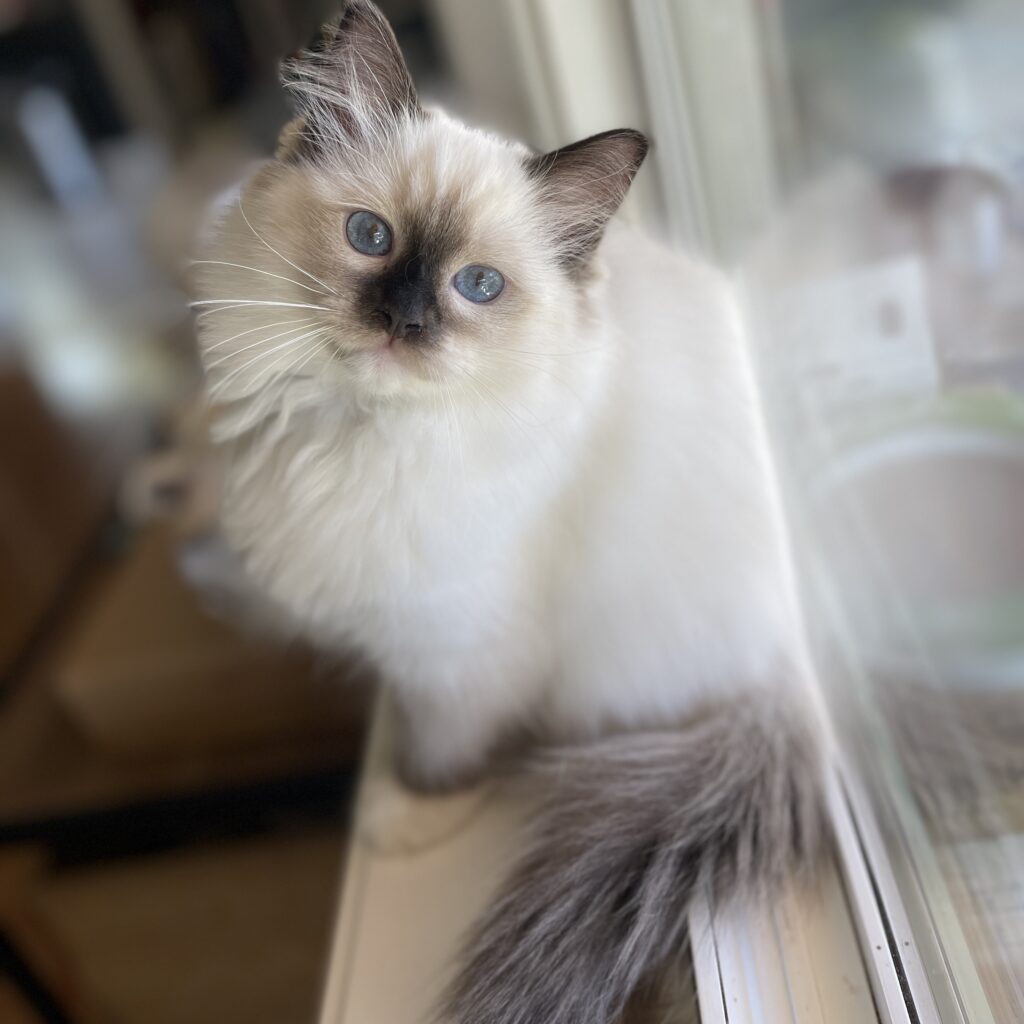
Ragdolls have distinctive coat patterns and colors that stand out. Their fur is usually long and silky, with soft shades like:
- Seal
- Blue
- Chocolate
- Lilac
- Flame
- Pointed patterns
These patterns include colorpoints, mitted, and bicolor styles. The gene pool from other breeds helps create this variety. Their beautiful coat makes them easy to recognize.
Physical Features Inherited
Ragdolls inherit several physical traits from their ancestors. They have large, muscular bodies with a sturdy frame. Their eyes are bright blue and almond-shaped. Their soft fur feels plush and dense. The breed’s long tails and broad heads are also inherited from parent cats.
Behavioral Traits Passed Down
Gentle and calm behavior is a key trait in Ragdolls. They are known for their friendly nature and love of human company. These cats often go limp when held, a trait passed down genetically. Their playful yet relaxed attitude makes them excellent pets. These behaviors come from the breed’s mixed ancestry, blending calm and social instincts.
Credit: www.masterpieceragdolls.com
Breeding Practices And Standards
Breeding Ragdoll cats involves careful planning and strict standards. These practices help keep the breed healthy and true to its unique traits. Breeders focus on genetics, health, and appearance. They follow specific rules set by cat associations. This section explores the key practices and standards behind Ragdoll breeding.
Selective Breeding Techniques
Selective breeding targets the best traits in Ragdolls. Breeders choose cats with strong health and ideal features. They avoid pairing cats with genetic issues. Traits like soft coat, blue eyes, and gentle temperament are important. Breeders track family lines to prevent inbreeding. This helps keep the breed strong and consistent.
Breed Associations And Guidelines
Breed associations guide Ragdoll breeders worldwide. These groups set rules on appearance and behavior. They approve breeding pairs based on health tests and traits. Associations also organize cat shows to maintain standards. Following these guidelines ensures the breed stays recognizable. It also protects the welfare of the cats.
Maintaining Breed Purity
Maintaining purity means keeping Ragdolls free from other breed influences. Breeders avoid crossbreeding with different cats. This protects the unique look and nature of Ragdolls. Purebred status adds value and trust to the cats. Regular health checks and documentation support breed purity. This commitment preserves Ragdoll cats for future generations.
Ragdolls Compared To Related Breeds
Ragdoll cats share traits with breeds like Birman, Persian, and Siamese. Their soft fur and calm nature come from these related breeds. These connections help explain the Ragdoll’s unique look and gentle personality.
Understanding the unique characteristics of Ragdoll cats can be fascinating, especially when you start comparing them with their related breeds. While they share some similarities with other popular feline breeds, Ragdolls also boast distinctive traits that make them stand out. By examining these differences and similarities, you can better appreciate the unique charm of Ragdoll cats.Differences From Persians And Birmans
Ragdolls and Persians may both have luxurious coats, but their grooming needs differ significantly. Persians require daily brushing to maintain their long, dense fur, while Ragdolls typically need less frequent grooming due to their semi-long coats that are less prone to matting. Birmans, on the other hand, share a similar coat texture with Ragdolls but differ in temperament. Birmans are known for their independent streak, whereas Ragdolls are more likely to follow you around the house, craving your attention and companionship.Similarities With Siamese Cats
The striking blue eyes are a hallmark of both Siamese and Ragdoll cats, drawing many cat lovers to these breeds. You might also notice that both breeds enjoy interactive play and can be quite vocal, although Ragdolls tend to be less chatty than their Siamese counterparts. Ragdolls and Siamese cats also share a social nature, often forming strong bonds with their human families. They thrive on interaction and are known to greet you at the door, eager for a cuddle or playtime.Unique Ragdoll Temperament
What sets Ragdolls apart is their remarkably calm and gentle temperament. They are often referred to as “puppy-like” because of their tendency to go limp when picked up, a trait that delights many Ragdoll owners. This breed is exceptionally tolerant and patient, making them great companions for families with children or other pets. Their laid-back demeanor doesn’t mean they’re aloof; rather, Ragdolls love being involved in your daily activities and often seek the warmth of your lap for a cozy nap. Have you ever experienced the affectionate gaze of a Ragdoll cat? It’s truly captivating and might just make you wonder how you ever lived without one.
Credit: pearlsragdolls.com
Frequently Asked Questions
What Breeds Contribute To The Ragdoll Cat’s Lineage?
Ragdoll cats primarily descend from the Persian, Birman, and Burmese breeds. These breeds influence their large size, silky coat, and calm temperament. The original Ragdoll was bred by crossing a white Angora-type cat with other domestic cats, enhancing their unique traits.
How Does The Burmese Breed Affect Ragdoll Cats?
The Burmese breed contributes to the Ragdoll’s affectionate nature and striking blue eyes. It also influences their muscular build and playful personality. This breed’s traits help make Ragdolls gentle and sociable companions.
Are Ragdoll Cats Related To Siamese Cats?
Yes, Ragdolls share some ancestry with Siamese cats, mainly through early breeding programs. This relation is evident in their color points and blue eyes. However, Ragdolls are larger and have a softer, fluffier coat.
What Role Does The Birman Breed Play In Ragdolls?
The Birman breed influences the Ragdoll’s distinctive color patterns and silky fur. Both breeds share a similar gentle temperament and striking blue eyes. This connection adds to the Ragdoll’s beauty and calm demeanor.
Conclusion
Ragdoll cats have a unique mix of breeds in their background. This blend gives them their soft fur and calm nature. Knowing these breeds helps you understand your cat better. Each breed adds special traits to the Ragdoll’s charm. They make the cat gentle, friendly, and beautiful.
Owning a Ragdoll means enjoying a loving and peaceful pet. Their breed mix makes them stand out from others. Now, you can appreciate your Ragdoll’s special roots.




Leave a Reply