Have you noticed your cat grooming less as they age? It’s natural to wonder why your once meticulous feline friend isn’t keeping up with their usual cleaning routine.
Understanding whether cats stop grooming when they get older can help you spot potential health issues before they become serious. You’ll discover the reasons behind changes in your cat’s grooming habits and what you can do to keep your furry companion comfortable and healthy.
Keep reading to learn how to care for your aging cat the right way.
Cats’ Grooming Habits
Older cats may groom less due to joint pain or health issues. Reduced grooming can lead to matted fur and skin problems. Regular vet checks help keep senior cats clean and healthy.
How Cats Groom Themselves
Cats use their tongues to clean their fur. Their tongues have tiny, hook-like structures. These hooks help remove dirt and loose hair. Cats lick all parts of their bodies carefully. They also use their teeth to nibble out mats or tangles. Sometimes, cats use their paws to wash their faces. They lick their paws and then rub their faces with them. Grooming takes up a good part of a cat’s day. It keeps their coat smooth and shiny.
Purpose Of Grooming
Grooming does more than keep cats clean. It helps control body temperature by spreading saliva. This cools them down on hot days. Grooming also removes parasites like fleas. It reduces stress and calms the cat. Cats groom to show care and bond with others. They often groom each other in groups. Grooming helps detect injuries or skin problems early. Overall, it supports a cat’s health and comfort.
Aging And Grooming Changes
As cats grow older, their grooming habits often change. Aging affects their ability and desire to keep themselves clean. These changes can be subtle or quite noticeable depending on the cat’s health and lifestyle. Understanding how aging impacts grooming helps pet owners provide better care.
Physical Challenges In Older Cats
Older cats may face joint pain and arthritis. This makes bending and reaching difficult. Grooming requires flexibility, which can decrease with age.
Dental problems can also cause discomfort. Cats may avoid grooming if their mouth hurts. Their fur might become matted or dirty as a result.
Vision and hearing loss are common in senior cats. These senses help them navigate and stay clean. A decline can reduce grooming frequency and thoroughness.
Behavioral Shifts With Age
Older cats might groom less due to lower energy levels. They may prefer resting over grooming sessions. Their motivation to stay clean can drop.
Stress and cognitive decline affect grooming habits too. Confusion can lead to inconsistent or incomplete grooming. Some cats may even forget to groom certain areas.
Changes in routine or environment can increase anxiety. An anxious cat grooms less or overgrooms one spot. Both are signs of behavioral shifts linked to aging.
Common Health Issues Affecting Grooming
Older cats may stop grooming due to health problems. These issues can make grooming hard or painful. Understanding common health problems helps in caring for aging cats. It also explains why grooming habits change with age.
Arthritis And Mobility Problems
Arthritis causes joint pain and stiffness in older cats. Moving and bending become difficult. Grooming requires flexibility and reaching different body parts. Cats with arthritis may skip grooming hard-to-reach areas. Reduced movement leads to a messy coat and skin issues.
Dental Issues
Dental problems cause pain while eating or grooming. Cats with sore teeth avoid licking their fur. Poor dental health lowers grooming frequency. It also leads to bad breath and weight loss. Regular dental care supports healthy grooming habits.
Skin Conditions
Skin diseases cause itching, redness, and discomfort. Cats may stop grooming to avoid pain. Some skin issues cause fur loss or scabs. Untreated skin problems worsen and reduce grooming. Early treatment helps maintain a clean and healthy coat.
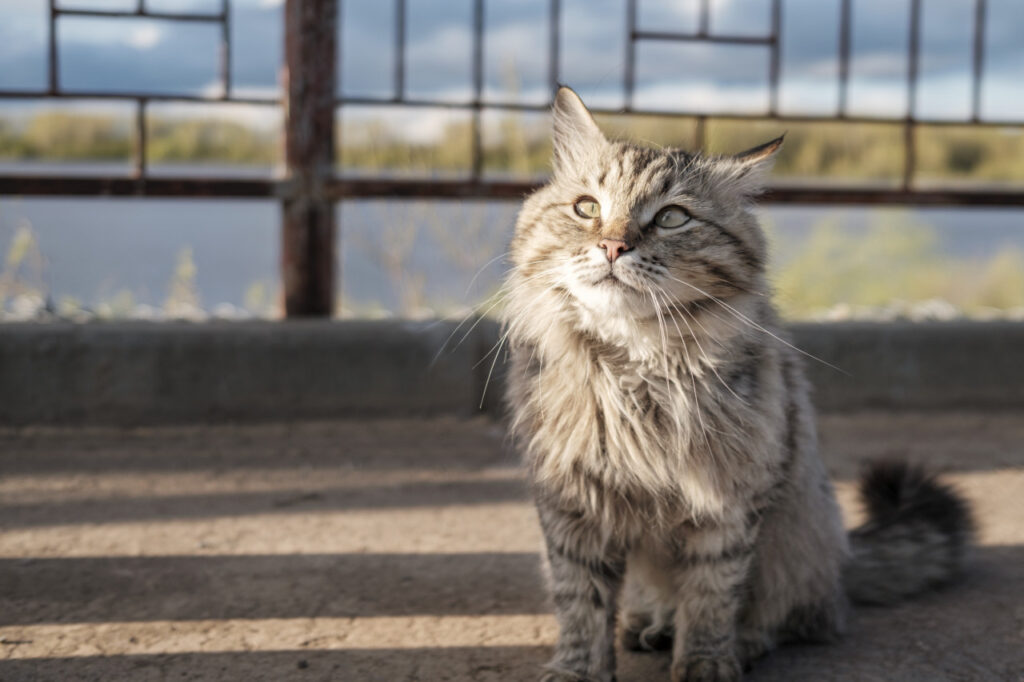
Credit: alexthecatgroomer.com
Signs Of Grooming Problems
Recognizing signs of grooming problems in your older cat is crucial. Grooming is more than just keeping fur clean; it’s a key indicator of your cat’s health and comfort. If your feline friend starts neglecting their coat, it’s time to pay attention.
Matted Fur And Dirt
One clear sign of grooming issues is matted fur. Older cats may struggle to reach certain areas, causing tangles and knots. Dirt can also build up, making their coat look dull and unkempt. You might notice clumps of fur that don’t lay flat or patches where the fur is missing.
Have you seen your cat avoiding grooming spots? This could mean they’re experiencing pain or stiffness. Checking these areas regularly helps you catch problems early and keep your cat comfortable.
Unusual Odors
Foul smells coming from your cat’s coat can signal grooming neglect. Cats usually keep themselves very clean, so a persistent odor often points to health issues or a lack of grooming. This might be due to infections, dental problems, or skin conditions.
Pay attention if your cat smells different than usual. It’s a good idea to consult your vet to rule out any underlying causes. Addressing odors early can prevent more serious issues down the road.
Excessive Shedding
Shedding is normal, but when it becomes excessive, it could be a sign your cat isn’t grooming enough. Older cats might shed more if they’re stressed, ill, or have skin problems. You may find more fur around your home or notice bald spots on your cat.
Regular brushing can help manage shedding and also gives you a chance to check your cat’s skin. If shedding spikes suddenly, ask yourself if there’s a change in your cat’s behavior or health. These clues can guide you to the right care.
Helping Senior Cats Stay Clean
Older cats may groom less due to arthritis or dental issues. Regular brushing helps maintain their cleanliness. Owners can assist by using gentle grooming tools and providing comfortable spaces.
As cats age, their grooming habits can change. They may groom less due to arthritis or dental issues. Helping senior cats stay clean is vital for their health and comfort. With a little extra care, you can support your older feline friend in maintaining their hygiene. Here are some effective ways to assist your senior cat in staying clean and comfortable.Regular Brushing
Regular brushing helps remove loose fur and prevent mats. Use a soft-bristle brush to gently groom your senior cat. This process can also stimulate their skin and improve circulation. Brushing can be a bonding activity, strengthening your relationship with your cat.Bathing Tips For Older Cats
Older cats may need occasional baths to stay clean. Use warm water and a gentle cat shampoo. Ensure the room is warm to prevent your cat from getting cold. Rinse thoroughly to remove all soap residues. Dry your cat with a soft towel and keep them in a warm area until completely dry.Veterinary Care
Regular vet visits are important for senior cats. A vet can check for any dental or health issues affecting grooming habits. They can also advise on the best grooming practices for your aging cat. Addressing health concerns early can improve your cat’s overall well-being.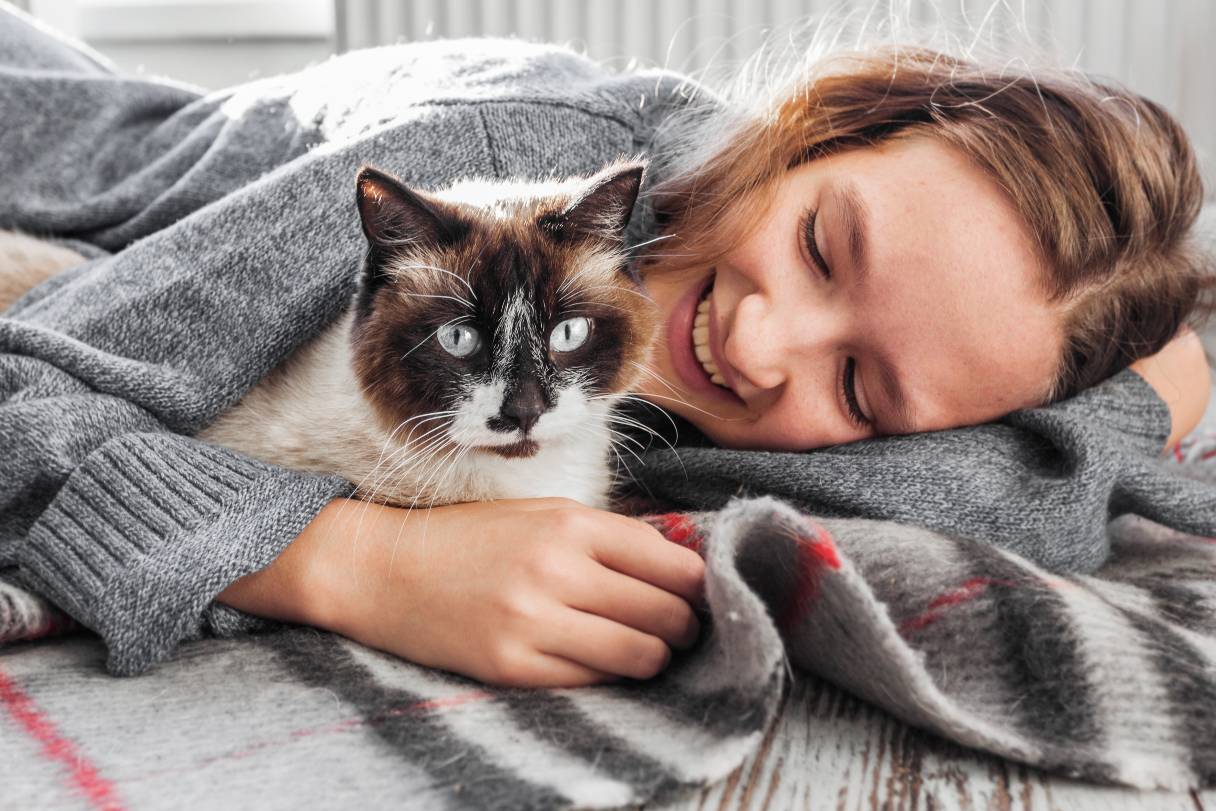
Credit: www.carecredit.com
When To Seek Professional Help
Knowing when to get professional help for your aging cat’s grooming habits can make a big difference in their comfort and health. Cats often slow down on grooming as they get older, but some changes signal a need for a vet’s attention. Understanding these signs helps you act before small issues become serious problems.
Identifying Serious Grooming Issues
Watch for patches of missing fur or persistent dandruff, which can indicate skin infections or allergies.
If your cat’s coat looks greasy or matted, it may mean they can’t reach certain areas due to arthritis or obesity. These conditions can cause pain or stiffness, making grooming difficult.
Notice any sudden changes in behavior, like increased scratching, biting, or hiding. These could be signs of discomfort or underlying health problems.
Treatment Options
Your vet might suggest medicated shampoos or topical treatments if skin infections are present. Sometimes, special diets help improve coat health from the inside out.
For mobility issues, pain relief or anti-inflammatory medications can make grooming easier for your cat. Regular gentle brushing by you can also support areas they can’t reach.
In some cases, professional grooming services are recommended to keep your cat clean and comfortable. Don’t hesitate to ask your vet what’s best for your cat’s specific needs.

Credit: www.kinship.com
Frequently Asked Questions
Do Older Cats Groom Less Frequently?
Yes, aging cats often groom less due to arthritis or dental issues. Reduced grooming can cause matted fur and skin problems.
Why Do Senior Cats Stop Grooming Themselves?
Older cats may stop grooming because of pain, reduced flexibility, or cognitive decline. This affects their ability to maintain cleanliness.
How Can I Help My Elderly Cat With Grooming?
You can assist by brushing your cat regularly. Consult a vet for health issues and provide a comfortable grooming routine.
Is Reduced Grooming A Sign Of Illness In Cats?
Yes, sudden grooming changes might indicate health problems like arthritis or dental disease. A vet checkup is recommended for older cats.
Conclusion
Cats may groom less as they grow older. This change can signal health or mobility problems. Watching your cat’s grooming habits is important. Help your senior cat stay clean and comfortable. Regular vet visits can catch issues early. Keep your older cat happy and healthy.
Small care steps make a big difference. Stay patient and gentle with your aging pet. Their grooming needs change with age, but your care never stops.




Leave a Reply