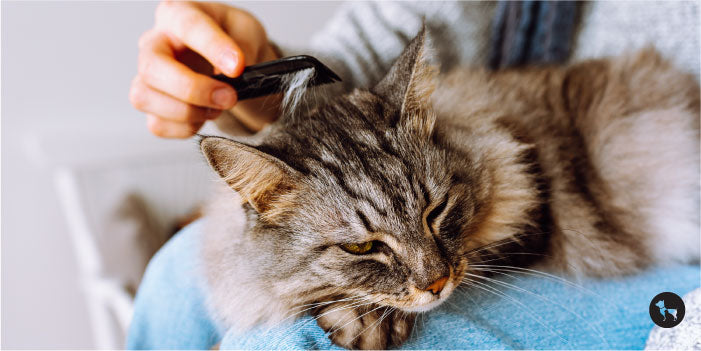
Are you wondering how often your cat needs to be groomed? Keeping your furry friend clean and healthy is easier than you might think.
Grooming isn’t just about making your cat look good—it plays a big role in their overall well-being. You’ll discover exactly what kind of grooming your cat needs and how to make it a stress-free experience for both of you. Keep reading to learn the simple steps that will keep your cat happy and healthy every day.
Cat Breeds Needing Grooming
Cats have different grooming needs based on their breed and coat type. Some breeds require regular brushing and care to keep their fur healthy and clean. Grooming helps prevent mats, reduces shedding, and keeps skin healthy. Understanding which breeds need more attention can help maintain your cat’s comfort and beauty.
Long-haired Cats
Long-haired cats need daily brushing to prevent tangles. Their thick fur can easily mat without regular care. Breeds like Persians and Maine Coons have dense coats. Grooming removes loose hair and avoids hairballs. It also keeps their skin healthy and free from dirt.
Short-haired Cats
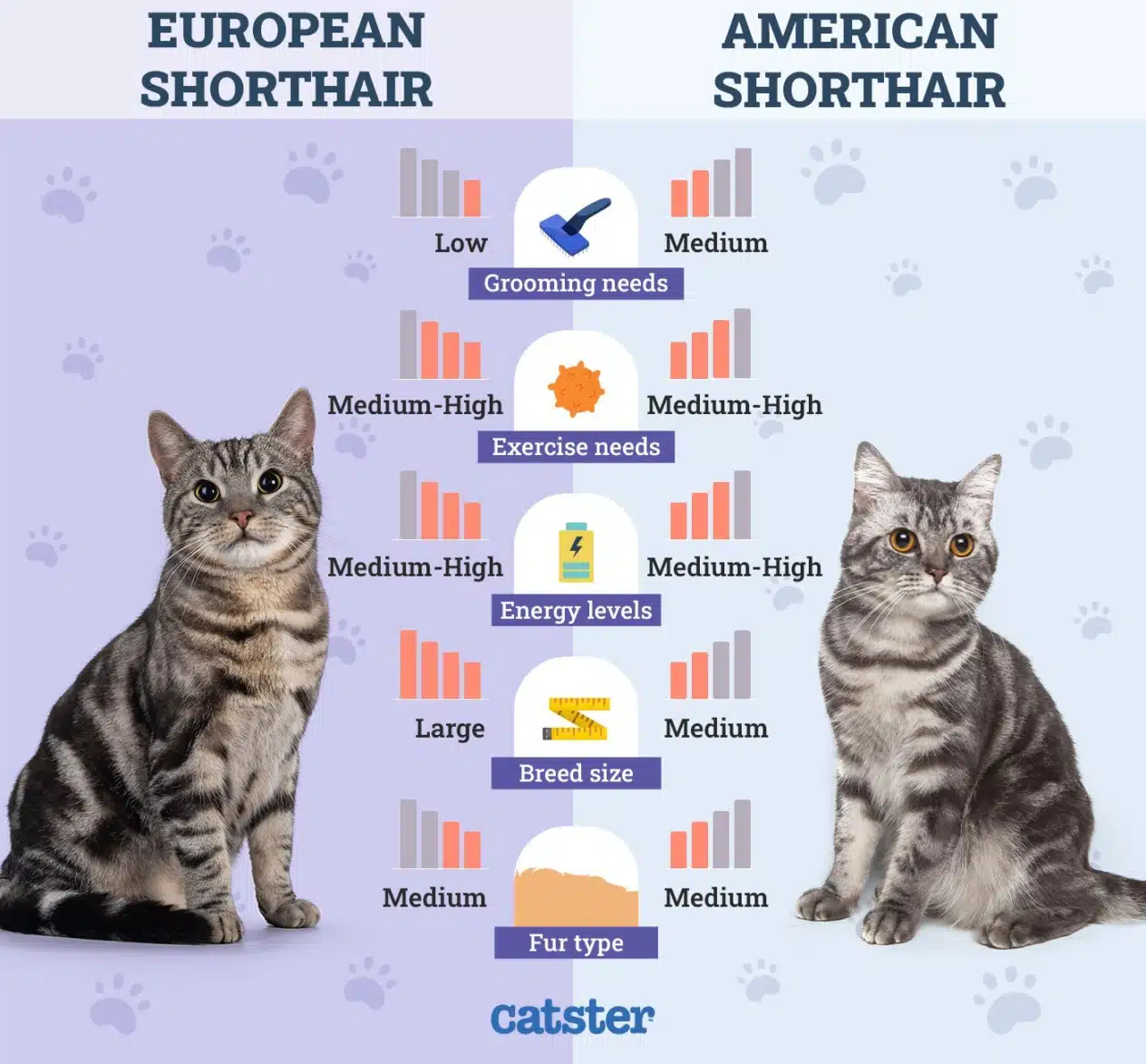
Short-haired cats require less grooming but still benefit from weekly brushing. Their fur is easier to manage but still sheds. Breeds like the American Shorthair and Siamese need occasional grooming. Brushing helps spread natural oils and reduces shedding. It also strengthens the bond between you and your cat.
Hairless Breeds
Hairless cats need skin care instead of fur grooming. Breeds like the Sphynx require regular baths to remove oils. Their skin can get dirty and oily quickly. Grooming includes wiping and bathing to keep their skin clean. Moisturizing may also be necessary to prevent dryness.

Credit: www.oakleighcentralvet.com.au
Grooming Basics For Cats
Grooming your cat is more than just keeping them clean—it’s about their comfort and health. Regular grooming helps prevent hairballs, reduces shedding, and allows you to check for any skin issues. Understanding the basics makes the process easier for both you and your feline friend.
Brushing Techniques
Choose a brush suited for your cat’s fur type—slicker brushes work well for long-haired cats, while rubber brushes suit short-haired breeds. Brush gently, following the direction of hair growth to avoid pulling or hurting your cat.
Try breaking grooming sessions into short, calm intervals. Notice how your cat reacts; if they seem tense, pause and try again later. This helps build trust and makes brushing a positive experience.
Bathing Guidelines
Most cats groom themselves well, so bathing is rarely needed. However, if your cat gets into something sticky or dirty, use lukewarm water and a mild cat shampoo. Avoid human shampoos—they can irritate your cat’s skin.
Keep the bathing area quiet and warm, and speak softly to soothe your cat. Rinse thoroughly to remove all shampoo residue, then dry your cat with a towel or a low-heat hairdryer if they tolerate it. Have you noticed how some cats seem to enjoy water, while others dread it?
Nail Trimming Tips
Regular nail trims prevent your cat from scratching furniture or accidentally hurting you. Use a pair of sharp, cat-specific nail clippers and trim only the white part of the nail, avoiding the pink quick inside.
If your cat resists, try trimming one or two nails at a time and reward them with treats. This slow approach helps your cat get used to the process without stress. Have you ever discovered your cat’s favorite treat during nail trimming?
Special Grooming Needs
Some cat breeds need more attention to grooming than others. Special grooming needs depend on factors like fur length, skin type, and even breed-specific traits. Understanding these needs helps you keep your cat comfortable and healthy.
Dealing With Mats And Tangles
Long-haired cats like Persians or Maine Coons often develop mats and tangles if not brushed regularly. These mats can cause pain and skin irritation if left untreated. Use a wide-toothed comb or a mat splitter to gently work through stubborn tangles.
Try to make grooming a calming routine, so your cat doesn’t resist. If mats are severe, consider visiting a professional groomer to avoid hurting your cat.
Managing Shedding
Some breeds, such as the Siamese or Bengal, shed less, but most cats shed seasonally. Regular brushing can reduce loose hair around your home and prevent hairballs in your cat. Use a slicker brush or deshedding tool to remove dead fur effectively.
Think about how much shedding you can manage daily before choosing a breed. Would you prefer a cat that needs weekly brushing or one that requires daily care?
Ear And Eye Care
Cats like the Scottish Fold or Sphynx often require extra attention to their ears and eyes. Dirt and wax buildup can lead to infections if ignored. Use a damp cotton ball to gently clean your cat’s ears once a week.
For eye care, wipe away any discharge with a soft, damp cloth. Notice if your cat blinks excessively or has redness—that might mean it’s time for a vet visit.

Credit: worldanimalfoundation.org
Tools For Cat Grooming
Choosing the right tools helps keep your cat healthy and happy. Grooming tools remove loose hair and dirt. They also prevent mats and tangles in fur. Proper tools make grooming easier and safer for cats.
Brushes And Combs
Brushes and combs suit different fur types. Use a soft-bristle brush for short hair. A slicker brush works well for long hair. Combs help remove small tangles and debris. Regular brushing stops shedding and hairballs.
Clippers And Scissors
Clippers trim thick or matted fur quickly. Choose quiet clippers to avoid scaring cats. Scissors help trim delicate areas like paws and face. Always use rounded-tip scissors to prevent injury. Keep blades sharp for clean cuts.
Grooming Gloves
Grooming gloves fit over your hand comfortably. They remove loose fur as you pet your cat. Gloves calm nervous cats during grooming. They also massage the skin to boost blood flow. Easy to use and clean after each session.
When To Seek Professional Grooming
Cats are known for their self-grooming habits. Yet, some cats need extra care. Professional grooming can help maintain your cat’s health and appearance. Knowing when to seek help is crucial.
Signs Your Cat Needs Help
Certain signs indicate a cat needs professional grooming. Matted fur is a common sign. It can cause skin irritation and discomfort. Excessive shedding might signal underlying health issues. Long nails can lead to pain or infection. Unpleasant odors might point to hygiene problems. Observe your cat’s coat and behavior regularly.
Choosing A Groomer
Choose a groomer with care. Check reviews and ask for recommendations. Visit the grooming facility first. It should be clean and safe. Ensure the groomer has experience with cats. Ask about their grooming techniques. Discuss your cat’s needs with them.
Cost And Frequency
The cost of grooming varies by location and service. Basic grooming might include bathing and brushing. More complex services include mat removal and nail trimming. Frequency depends on your cat’s breed and coat condition. Long-haired cats may need monthly grooming. Short-haired cats might require less frequent visits.
Credit: vogdog.com
Health Benefits Of Grooming
Regular grooming offers many health benefits for cats. It keeps their coat clean and skin healthy. Grooming also helps spot any health issues early. Cats feel more comfortable and relaxed after grooming sessions. Here are key health benefits every cat owner should know.
Preventing Skin Problems
Grooming removes dirt and dead skin from your cat’s coat. This prevents clogged pores and skin infections. Brushing also spreads natural oils, keeping the skin moisturized. It helps detect fleas, ticks, or wounds early. Regular grooming reduces the chance of skin allergies and irritation.
Reducing Hairballs
Cats swallow loose fur while grooming themselves. Too much fur can form hairballs in their stomach. Brushing removes loose hair before your cat swallows it. This lowers the chance of hairball buildup. It keeps your cat’s digestive system healthier and avoids vomiting.
Bonding With Your Cat
Grooming time builds trust and strengthens your bond. Cats enjoy gentle brushing and feel safe. It helps reduce stress and anxiety for shy or nervous cats. Regular grooming makes cats feel loved and cared for. This positive interaction improves their overall well-being.
Frequently Asked Questions
Which Cat Breeds Need Regular Grooming?
Long-haired breeds like Persians, Maine Coons, and Ragdolls require frequent grooming. Their thick coats can mat easily. Short-haired cats need less frequent grooming but still benefit from brushing.
How Often Should You Groom A Cat Breed?
Long-haired cats should be groomed daily to prevent tangles. Medium-haired breeds need grooming 2-3 times weekly. Short-haired cats generally require grooming once a week to reduce shedding.
Does Grooming Help Prevent Cat Hairballs?
Yes, regular grooming removes loose fur and reduces ingestion during self-cleaning. This decreases hairball formation and improves your cat’s digestive health. It also keeps their coat clean and healthy.
Can Grooming Improve A Cat’s Skin Health?
Grooming stimulates blood circulation and distributes natural oils. This improves skin health and coat shine. It also helps detect skin issues like parasites or infections early for timely treatment.
Conclusion
Cats need grooming to stay healthy and happy. Long-haired cats require brushing every day to avoid mats. Short-haired cats benefit from weekly brushing to reduce shedding. Regular grooming helps spot skin problems early. It also keeps your cat’s coat shiny and clean.
Make grooming a calm and gentle routine. Your cat will enjoy the attention and care. Healthy grooming habits lead to a happier pet. Remember, grooming is part of good cat care. Keep your furry friend comfortable and well-groomed.


Leave a Reply