Have you ever caught your dog eyeing your cat’s toys, especially those filled with catnip? It’s natural to wonder if these toys are safe or even fun for your furry friend.
You want to keep your dog happy and healthy, but is sharing cat toys a good idea? Keep reading to discover what you need to know before letting your dog play with catnip toys. This information could save your pet from discomfort and help you choose the best toys for both your dog and cat.
Catnip And Its Effects
Catnip is famous for its unique effects on cats. This herb can cause strong reactions in many felines. Understanding catnip and its impact helps pet owners choose safe toys for their pets. The effects vary between cats and dogs, so knowing the difference is important.
What Is Catnip
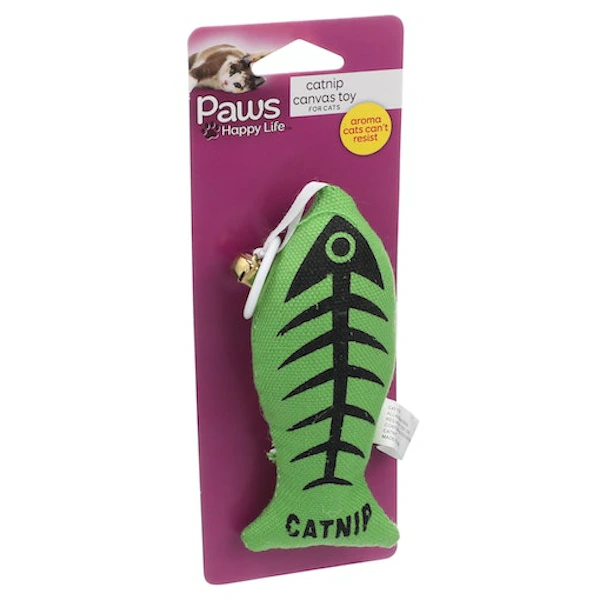
Catnip is a plant from the mint family. Its scientific name is Nepeta cataria. The plant contains a compound called nepetalactone. This compound triggers reactions in some animals. Catnip is often dried and added to cat toys.
How Catnip Affects Cats
When cats smell catnip, their behavior can change. They may:
- Roll around
- Rub their faces on the toy
- Become playful or hyperactive
- Show signs of excitement or relaxation
These effects last about 10 to 15 minutes. Not all cats react. Sensitivity is inherited, so some cats ignore catnip.
Catnip’s Impact On Dogs
Dogs do not react to catnip like cats. Nepetalactone does not affect dogs’ brains the same way. Some dogs may sniff or chew catnip toys out of curiosity. Catnip is safe for dogs but usually has no stimulating effect. Other herbs like lavender or chamomile are better for calming dogs.
Credit: www.gianteagle.com
Risks Of Dogs Playing With Cat Toys
Letting your dog play with cat toys might seem harmless, but there are real risks you should consider. Cat toys are designed specifically for cats’ play styles and safety, not dogs. Understanding these dangers can help you protect your furry friend from unexpected harm.
Potential Choking Hazards
Cat toys often contain small parts like bells, feathers, or plastic pieces. Dogs, especially larger breeds, tend to chew aggressively, which can cause these parts to break off and become choking hazards.
Think about your dog’s chewing habits. Have you noticed them swallowing small objects before? If yes, cat toys might increase the risk of blockage or injury in their throat or digestive tract.
Toxic Ingredients In Cat Toys
Many cat toys include catnip, which is safe for cats but can cause mild to severe reactions in dogs. Some dogs may experience vomiting or diarrhea after exposure to catnip.
Besides catnip, certain dyes, glues, or fillings used in cat toys might contain substances toxic to dogs. Always check the ingredient list before letting your dog near any toy made for cats.
Behavioral Concerns
Allowing your dog to play with cat toys can encourage unwanted behaviors. Dogs might start stealing or destroying your cat’s belongings, leading to tension between pets.
Have you ever witnessed your dog obsessively chasing or chewing on a cat’s toy? This could lead to frustration or aggression, especially in multi-pet households.
Providing appropriate toys for each pet helps maintain harmony and keeps your dog engaged in safe play.
Safety Tips For Pet Owners
Ensuring your dog’s safety while they explore toys designed for cats, especially those with catnip, is crucial. Not every cat toy suits a dog’s play style or chewing habits. Being cautious helps prevent accidents and keeps playtime fun for everyone.
Choosing Safe Toys For Dogs
Look for toys made from durable, non-toxic materials. Cat toys often have small parts or fragile components that dogs can easily swallow or break. Avoid toys with bells, feathers, or loose strings that might pose choking hazards.
Think about your dog’s size and chewing strength. A soft, plush cat toy may not last long and could become a choking risk if torn apart. Instead, pick toys designed to withstand stronger bites or specifically labeled as safe for dogs.
Supervising Playtime
Always watch your dog when they play with a cat’s toy, especially if it contains catnip. Dogs can react differently to catnip—some may be overly excited or even upset by it. Close supervision lets you intervene quickly if your dog starts chewing aggressively or trying to swallow parts.
Have you noticed your dog’s reaction to unfamiliar toys? Monitoring helps you understand what excites or stresses them, guiding better choices for future playtime.
Alternatives To Catnip Toys
If you want to avoid risks, try dog-safe alternatives to catnip toys. Toys infused with dog-friendly scents like peanut butter or lavender can be just as engaging. Chew toys, puzzle feeders, and interactive balls offer safe and stimulating options tailored to dogs.
Consider homemade toys or those recommended by veterinarians for your dog’s breed and temperament. This way, you keep play exciting without compromising safety or health.

Credit: www.amazon.ca
When To Consult A Veterinarian
Knowing when to consult a veterinarian is important for your dog’s safety. Cat toys with catnip may cause unexpected reactions in some dogs. Early detection and professional advice can prevent serious health issues. Watch your dog closely after giving new toys or treats.
Signs Of Adverse Reactions
- Vomiting or diarrhea
- Excessive drooling
- Restlessness or agitation
- Loss of appetite
- Skin irritation or redness
- Difficulty breathing
- Unusual lethargy
Notice any of these signs? Contact your vet immediately. Quick action helps avoid worsening symptoms.
Emergency Steps
- Remove the toy from your dog
- Keep your dog calm and comfortable
- Note the toy’s ingredients and any changes
- Call your veterinarian or an emergency clinic
- Follow professional advice closely
Do not try home remedies without vet approval. Timely care can save your dog’s life.
Preventive Care Advice
- Introduce new toys slowly and watch for reactions
- Choose toys made specifically for dogs
- Avoid catnip toys if your dog shows sensitivity
- Keep all pet toys separate
- Regularly check your dog’s health with a vet
Prevention is better than treatment. Good habits keep your pet safe and happy.

Credit: zigly.com
Frequently Asked Questions
Can Dogs Safely Play With Cat Toys Containing Catnip?
No, dogs should avoid cat toys with catnip. Catnip is harmless to cats but may cause mild upset in dogs. Some dogs might be allergic or overly stimulated, so it’s safer to provide dog-specific toys.
Is Catnip Toxic To Dogs If Ingested?
Catnip is not toxic to dogs. However, eating catnip can cause mild stomach upset or vomiting. It’s best to keep catnip away from dogs to prevent any digestive issues.
What Are The Risks Of Dogs Chewing Catnip Toys?
Chewing catnip toys can lead to choking or intestinal blockage for dogs. These toys are designed for cats and may not be durable enough for dogs. Always choose toys designed specifically for dogs to ensure safety.
Can Catnip Affect A Dog’s Behavior?
Catnip does not typically affect dogs like cats. Dogs generally do not respond to catnip’s scent. If ingested, it may cause mild stomach upset but no behavioral changes.
Conclusion
Dogs may enjoy cat toys with catnip, but cautiously. Catnip affects cats differently than dogs. Some dogs might like the smell, while others may not. Always watch your dog when giving new toys. Choose safe, durable toys to avoid choking risks.
Remember, not all catnip products suit dogs. Stick to dog-specific toys for best results. Your dog’s safety and happiness come first. Keep playtime fun and safe for your furry friend.


Leave a Reply