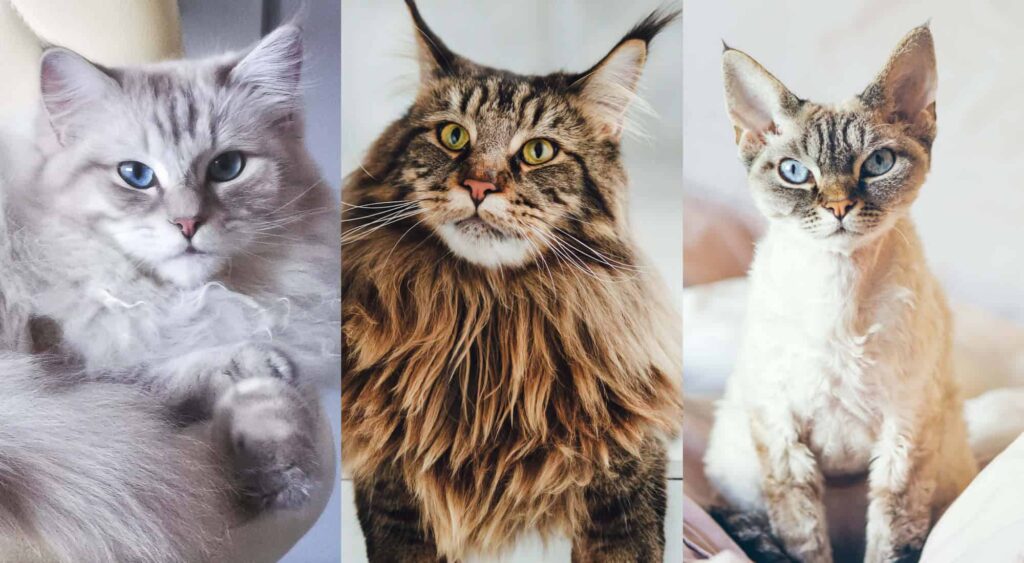
Are you thinking about bringing a cat into your life but want to know which breeds need the most attention? Understanding the most demanding cat breeds can help you prepare for their unique needs and avoid surprises.
Some cats crave constant play, while others require special care or lots of social interaction. If you want a furry friend that fits your lifestyle, knowing which breeds need extra effort is key. Keep reading to discover the top demanding cat breeds and find out if you’re ready to give them the love and care they deserve.
Traits Of High-maintenance Cats
High-maintenance cats demand more than just basic care. Their specific needs can challenge even experienced cat owners. Understanding these traits helps you decide if you’re ready for the extra commitment they require.
Grooming Needs
Some cat breeds have thick, long fur that mats easily. These cats need daily brushing to prevent tangles and hairballs. Persian and Maine Coon cats, for example, require regular grooming sessions to keep their coats healthy.
Neglecting grooming can lead to skin problems and discomfort. Are you prepared to spend time each day brushing and checking your cat’s coat?
Social And Emotional Demands
High-maintenance cats often crave constant attention and interaction. Siamese cats, known for their vocal and social nature, can become lonely or anxious if left alone too long. They may demand your company and affection throughout the day.
Consider if your lifestyle allows for frequent interaction. Can you meet their emotional needs without feeling overwhelmed?
Activity Levels
Some breeds are extremely active and playful. Abyssinians and Bengals require lots of physical and mental stimulation to stay happy. Without enough activity, these cats can develop destructive behaviors.
Do you have the energy and resources to provide toys, climbing spaces, and playtime? Their high energy means you must stay engaged.
Health Considerations
Certain breeds are prone to specific health issues that need ongoing care. For example, Scottish Folds often face joint problems, while Sphynx cats require regular skin care to avoid infections. These health needs can mean frequent vet visits and special treatments.
Are you ready to manage these potential challenges with time, effort, and extra expenses?
Popular High-maintenance Breeds
Popular high-maintenance cat breeds demand more time, attention, and care than your average feline friend. These cats often require special grooming, unique diets, or constant mental stimulation. If you’re ready to invest in your cat’s well-being, these breeds can offer rewarding companionship—but only if you’re prepared for their specific needs.
Sphynx
The Sphynx is famous for its hairless body, which looks cool but requires frequent bathing. Without fur, oils build up quickly on their skin, so you’ll need to clean them weekly to avoid skin problems.
They also crave warmth and affection, often following their owners around like a shadow. Are you ready to provide constant warmth and attention?
Persian
Persians are known for their luxurious, long coats that demand daily brushing. If you skip grooming, mats and tangles form fast, leading to discomfort and skin issues.
Their flat faces can cause breathing difficulties and tear staining, meaning regular vet visits and eye cleaning are essential. Can you commit to this kind of hands-on care?
Bengal
Bengals are energetic and intelligent cats who need plenty of playtime and mental challenges. Without enough stimulation, they can become destructive or bored.
They also have a short, dense coat that sheds moderately but prefers water, so they might surprise you by wanting to play in the sink or shower. How will you keep up with their energy and curiosity?
Scottish Fold
The Scottish Fold’s unique folded ears need regular checks for infections and ear mites. This breed can be prone to joint issues, so monitoring their mobility is important.
They’re affectionate and love being around people but may require extra health screenings. Are you prepared to manage potential health challenges alongside daily care?
Siamese
Siamese cats are extremely vocal and demand attention—they don’t like being left alone for long periods. Their sleek coats are easy to maintain, but their social needs are high.
If you’re often away, this breed might become lonely or anxious, leading to behavioral problems. Can your lifestyle accommodate a cat that needs constant companionship?
Grooming Challenges
Certain cat breeds demand extra grooming due to their thick or long fur. Regular brushing and care prevent mats and keep their coat healthy. Persian and Maine Coon cats often require the most attention to stay clean and comfortable.
Grooming demanding cat breeds can be a rewarding yet challenging task. Each breed has unique grooming needs due to their distinct coat types and sensitivities. Understanding these challenges helps in maintaining their health and appearance.Coat Types And Care
Cats come with various coat types, each needing special care. Long-haired breeds, like Persians and Maine Coons, require daily brushing. This prevents tangles and mats. Short-haired breeds, such as the Siamese, need less frequent grooming. Still, regular brushing helps reduce shedding and keeps their coat shiny.Skin Sensitivities
Some cats have sensitive skin, which needs extra attention. Breeds like the Sphynx have exposed skin, requiring regular cleaning to remove oils and dirt. For cats with allergies, hypoallergenic grooming products are essential. These products reduce the risk of irritation and keep their skin healthy.Regular Bathing And Brushing
Regular bathing is crucial for certain breeds. Cats like the Bengal, with their unique coat texture, benefit from occasional baths. Brushing helps distribute natural oils, keeping their skin and coat healthy. Using the right tools ensures an effective grooming routine.
Credit: www.reddit.com
Emotional And Social Needs
Understanding the emotional and social needs of demanding cat breeds is key to providing them with a happy and balanced life. These cats often require more than just food and shelter—they thrive on meaningful connections and consistent interaction. Meeting these needs can deepen the bond between you and your feline friend, making every moment together more rewarding.
Attention Requirements
Demanding cat breeds often crave constant attention. They don’t just want to be near you; they want you fully engaged. Cats like the Siamese or Abyssinian can become restless or anxious if left alone for too long.
Think about your day—can you carve out time to focus solely on your cat’s needs? Even short play sessions or gentle petting can satisfy their craving for attention and reduce stress.
Interaction With Owners
These breeds are highly interactive and love to communicate. Some may follow you from room to room, watching your every move or chirping to get your response. They enjoy games, training, and even learning tricks.
Have you tried using interactive toys or teaching your cat simple commands? Engaging their minds will help channel their energy positively and prevent destructive behavior.
Compatibility With Families
Not all demanding breeds fit smoothly into every family dynamic. Some cats prefer quiet homes with predictable routines, while others thrive in lively environments with children and other pets.
Consider your household’s energy before choosing a breed known for high social needs. Can your family provide consistency and patience? Matching your cat’s social style with your lifestyle can prevent frustration on both sides.
Activity And Exercise
Activity and exercise are vital for many cat breeds. Some cats need more movement and play than others. Keeping them active helps prevent boredom and health issues. Active cats often show happier and friendlier behavior.
Playfulness Levels
Different cat breeds have different play styles. Some cats love chasing toys and running around. Others prefer gentle play or short bursts of energy. Knowing a breed’s playfulness helps match toys and activities. For example, Bengal cats are very energetic. They enjoy climbing and chasing games. On the other hand, Persian cats tend to be calm and less playful.
Environmental Enrichment
Providing a stimulating environment supports active cats. Climbing trees, scratching posts, and interactive toys keep them busy. Hiding treats and puzzle feeders add mental challenges. A rich environment prevents destructive behavior from boredom. Rotating toys keeps cats interested. Window perches offer natural entertainment by watching outside activities.
Managing Energy
High-energy cats need regular exercise to stay healthy. Short play sessions throughout the day work best. Use wand toys, laser pointers, or balls to engage them. Consistent exercise helps reduce stress and anxiety. Calm cats benefit from gentle play and quiet time. Understanding energy needs helps build a stronger bond with your cat.
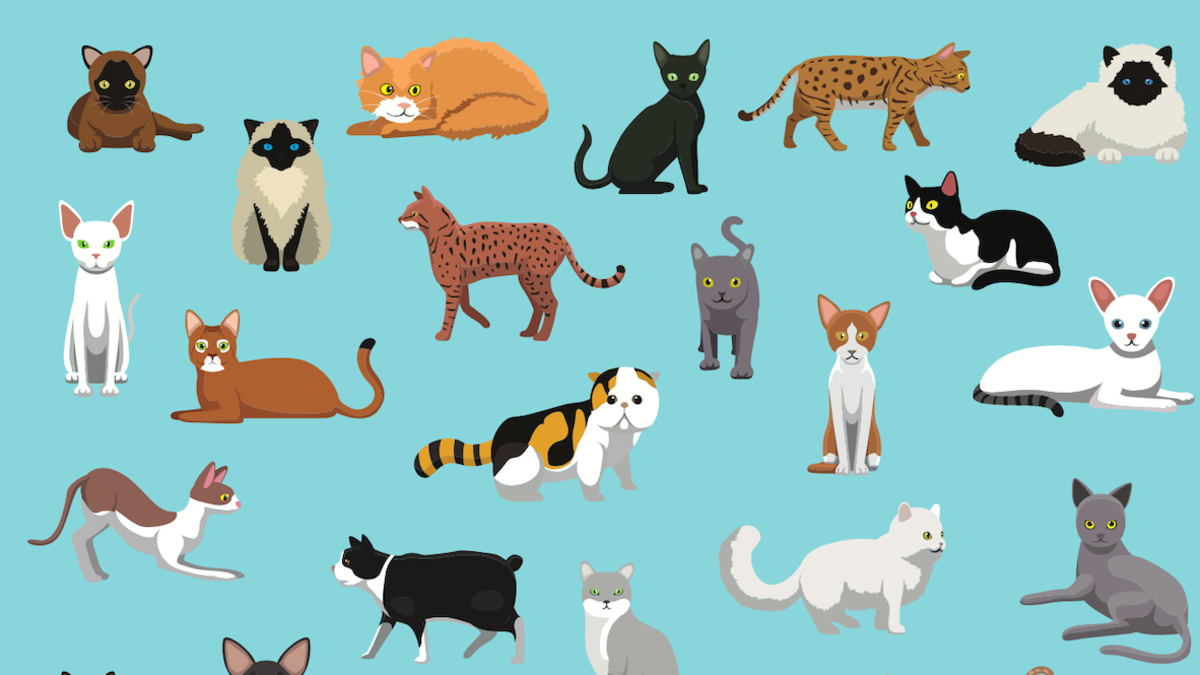
Credit: paradepets.com
Health And Veterinary Care
Taking care of your cat’s health is a key part of responsible pet ownership. Some cat breeds need extra attention because they are prone to specific health problems. Understanding these needs helps you provide the best veterinary care, keeping your furry friend happy and thriving.
Common Health Issues
Different cat breeds face unique health challenges. For example, Persian cats often suffer from respiratory problems due to their flat faces. Maine Coons are prone to hip dysplasia, which can affect their movement and quality of life.
Are you aware of the specific health risks your breed might face? Knowing these issues early can save you from unexpected vet visits and heartache.
Regular Checkups
Routine vet visits are vital, especially for demanding breeds. These checkups catch problems before they become serious. Your vet can monitor your cat’s weight, dental health, and overall condition during these visits.
Make appointments at least twice a year, or more if your cat’s breed requires it. Keeping a health diary helps track any changes and makes conversations with your vet more productive.
Diet And Nutrition
Your cat’s diet plays a huge role in their health. Some breeds need special diets to avoid obesity or manage allergies. For instance, Siamese cats benefit from high-protein food to maintain their energy levels and sleek physique.
Have you noticed how your cat reacts to different foods? Observing their preferences and sensitivities can guide you in choosing the right nutrition. Always consult your vet before making major diet changes.
Choosing The Right High-maintenance Cat
Choosing a high-maintenance cat means more than just picking a breed with a beautiful coat or charming personality. It requires honest self-reflection about your daily routine, resources, and long-term plans. High-maintenance cats can bring immense joy, but they also demand your attention and care in specific ways.
Assessing Your Lifestyle
Ask yourself how much time you realistically have to dedicate to a pet. Some demanding breeds need constant social interaction and mental stimulation. If your work or travel schedule is hectic, a low-maintenance cat might suit you better.
Consider your home environment. Do you live in a busy apartment or a quiet house? Some breeds thrive in calm spaces, while others enjoy more activity and interaction.
Time Commitment
High-maintenance cats often require daily grooming sessions to keep their coats healthy and free of mats. For example, Persian cats need regular brushing that can take up to 30 minutes each day.
Beyond grooming, these cats may need extra playtime and mental engagement. Without enough attention, they can become bored or stressed, leading to behavioral issues.
Long-term Care Considerations
Think about the financial side of owning a demanding cat. Regular vet visits, special diets, and grooming supplies can add up quickly.
Also, plan for their health needs as they age. Some breeds are prone to specific illnesses, requiring preventive care or treatments that demand time and money.
Are you prepared to meet these challenges for the next 10 to 15 years? Your commitment now will shape your cat’s quality of life and happiness.

Credit: www.rd.com
Frequently Asked Questions
What Makes A Cat Breed Highly Demanding?
A demanding cat breed requires extra care, attention, and grooming. These cats often have high energy, social needs, or health sensitivities. Owners must invest more time, patience, and resources to keep them happy and healthy.
Which Cat Breeds Need The Most Grooming?
Breeds like Persians, Maine Coons, and Ragdolls need frequent grooming. Their long or thick fur easily mats and traps dirt. Regular brushing prevents hairballs and skin problems, keeping their coats healthy and shiny.
Are Demanding Cat Breeds Good For Families?
Demanding breeds can be great for families who have time and patience. They often crave interaction and mental stimulation. However, families with young children or busy schedules may find these cats challenging to care for properly.
Do Demanding Cat Breeds Have Special Dietary Needs?
Some demanding breeds require specialized diets for health or coat maintenance. For example, Sphynx cats need more calories due to their lack of fur. Always consult a vet to meet your cat’s specific nutritional requirements.
Conclusion
Demanding cat breeds need special care and attention. They often require more time, space, and patience. Choosing the right breed helps ensure a happy home. Each cat has unique needs and personality traits. Understanding these needs makes pet ownership easier and more fun.
Careful research before adopting brings fewer surprises later. Remember, every cat deserves love and a safe place. Pick a breed that fits your lifestyle well. This way, both you and your cat enjoy life together.

Leave a Reply