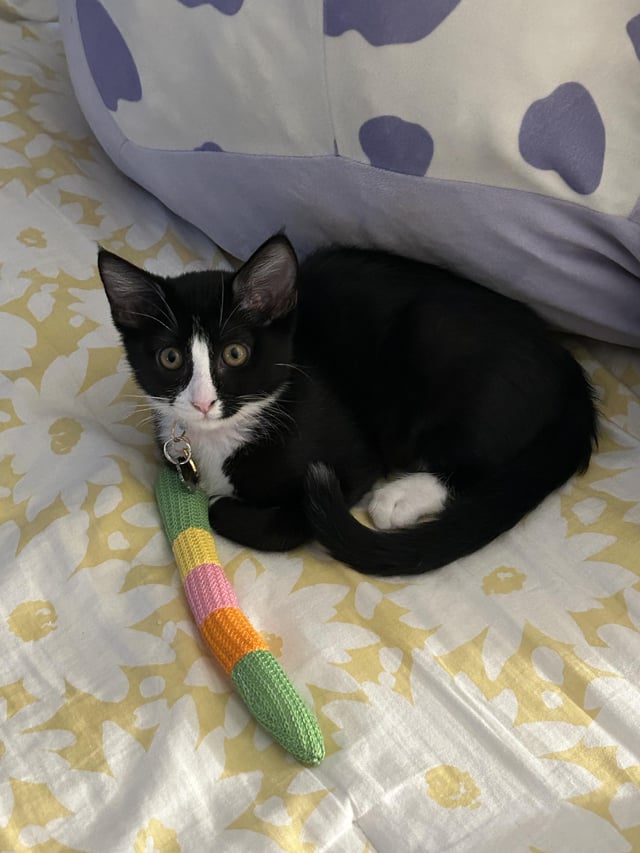
Have you ever noticed your cat going crazy for one specific toy? Maybe it’s a little mouse, a feather wand, or a crinkly ball.
But can cats really become obsessed with certain toys? Understanding why your furry friend fixates on that one special plaything can help you keep them happy and healthy. If you’ve ever wondered what’s behind this behavior and how it affects your cat’s well-being, keep reading.
You’re about to discover surprising reasons that could change the way you play with your cat forever.

Credit: www.reddit.com
Why Cats Choose Specific Toys
Cats often show a strong preference for certain toys. This choice is not random. It reflects their instincts, senses, and past experiences. Understanding why cats choose specific toys can help pet owners provide better play options. Playtime becomes more enjoyable and stimulating for cats.
Instincts Behind Toy Preferences
Cats’ hunting instincts shape their toy preferences. Toys that mimic prey attract their attention. Small, fast-moving objects trigger chasing behavior. This satisfies their natural urge to hunt. Toys that wiggle or flutter can be especially appealing. They remind cats of birds or insects in the wild.
Texture And Movement Appeal
The texture of a toy matters a lot. Cats like toys they can bite and claw easily. Soft and flexible toys feel good on their paws and mouths. Movement also plays a key role. Toys that move unpredictably keep cats engaged longer. Sudden jumps or twitches mimic real prey movements.
Scent And Familiarity
Scent influences a cat’s toy preference strongly. Cats recognize familiar smells and feel comforted. Toys with their owner’s scent or their own scent become favorites. Some cats prefer toys that carry natural smells like catnip. This adds extra excitement and encourages play.

Credit: www.reddit.com
Signs Of Toy Obsession In Cats
Cats often show unique behaviors with their favorite toys. Some cats develop strong attachments that seem like obsession. Recognizing signs of toy obsession helps owners understand their pets better. These signs reveal how a toy impacts a cat’s daily life and emotions.
Repeated Play Patterns
A cat obsessed with a toy will play with it repeatedly. It may bring the toy everywhere, even during rest times. The play looks focused and intense, not casual or distracted. Cats might follow the same routine with the toy each day. This behavior shows a deep interest beyond simple fun.
Aggressive Possession
Obsessed cats can become protective over their toys. They may hiss or swipe at others who approach the toy. The cat might hide the toy in secret spots around the house. This guarding behavior signals the toy’s high value to the cat. It shows the cat’s strong desire to keep the toy safe.
Emotional Attachment
Cats with toy obsession often show emotional reactions linked to the toy. They might cuddle or sleep with the toy for comfort. The toy can soothe anxiety or stress in the cat. Losing or misplacing the toy may cause visible distress. This attachment reveals how much the toy means to the cat.
Benefits Of Toy Fixation
Cats often focus deeply on one favorite toy, which helps boost their mental and physical activity. This fixation offers comfort and reduces stress, keeping cats happy and engaged.
Cats often show a strong attachment to certain toys. This fixation can bring several benefits. Understanding these benefits can help you support your cat’s well-being. Here are some of the key advantages of toy fixation for cats:Mental Stimulation
Cats need mental challenges to stay sharp. Toys provide puzzles and tasks. These activities stimulate their minds. A toy fixation can encourage problem-solving skills. Interactive toys can mimic hunting scenarios. This keeps their brains engaged and active. A mentally stimulated cat is a happy cat.Physical Exercise
Active play with toys promotes exercise. Cats chase, pounce, and leap. These actions keep them fit and healthy. A toy fixation can lead to regular play sessions. This helps maintain a healthy weight. Physical activity also strengthens muscles. Encourage your cat to move with its favorite toy.Stress Relief
Toys can help reduce stress and anxiety. Cats express their emotions through play. A toy fixation provides a safe outlet. It helps them release built-up energy. Engaging with toys can distract from stressors. This leads to a more relaxed and calm cat. A stress-free cat is a contented companion.
Credit: www.reddit.com
Potential Downsides Of Obsession
Obsessing over a favorite toy might seem harmless, but it can lead to some unexpected challenges for both you and your cat. While it’s fun to watch your furry friend get excited, obsession can interfere with their overall well-being and your home environment.
Neglecting Other Activities
When a cat fixates on one toy, it may ignore other important activities like eating, grooming, or socializing. This narrow focus can reduce their physical exercise and mental stimulation, which are crucial for a healthy life.
Have you noticed your cat ignoring meal times because they’re glued to a single toy? That’s a warning sign you shouldn’t overlook. Encouraging variety in play can help balance their routine and keep them engaged in multiple ways.
Aggression Toward Other Pets
Obsession with a toy can turn into possessiveness, causing your cat to act aggressively toward other pets in the house. This behavior often stems from guarding their prized possession and can create tension in a multi-pet household.
If your cat hisses or swats at others near their toy, it’s time to step in. Try providing duplicate toys or separate playtimes to ease competition and reduce stress for everyone involved.
Toy Destruction
When a cat becomes obsessed, they might chew, scratch, or destroy the toy faster than usual. This can lead to frequent replacements and potential hazards if broken pieces are swallowed or cause injury.
Consider sturdy toys designed for heavy chewers or rotating different toys to prevent wear and tear. This also keeps your cat’s interest alive without risking their safety.
How To Manage Toy Obsession
Managing your cat’s obsession with a particular toy can improve their overall happiness and prevent boredom. It’s important to keep their playtime fresh and balanced. By making simple adjustments, you can help your cat enjoy a variety of toys without becoming fixated on just one.
Rotating Toys Regularly
Switch out your cat’s toys every few days to keep their interest alive. Instead of leaving all toys available at once, put some away and bring them back later. This makes old toys feel new and exciting again.
Try organizing toys in a box and pull out different ones each week. You’ll notice your cat’s enthusiasm grows with the novelty. Have you ever seen your cat suddenly lose interest in a toy, only to pounce on it again after a break?
Introducing New Play Options
Adding new types of toys can stimulate your cat’s curiosity. Consider toys that mimic prey movements, like feather wands or laser pointers. These engage your cat’s hunting instincts in a safe way.
Don’t forget puzzle feeders or interactive toys that challenge your cat mentally. These alternatives can reduce fixation by providing variety and mental stimulation. Have you tried combining different play styles to see what excites your cat the most?
Setting Playtime Limits
Limiting how long your cat plays with a single toy helps prevent obsession. Short, frequent play sessions spread throughout the day work better than long, continuous ones. This keeps playtime fresh and prevents overstimulation.
Watch your cat’s behavior closely; if they start ignoring the toy or seem frustrated, it’s time to switch activities. Setting clear boundaries helps your cat enjoy toys without becoming overly dependent on one. How do you decide when your cat has had enough play with a specific toy?
Choosing The Best Toys For Cats
Choosing the best toys for your cat goes beyond just picking colorful or noisy items from the store. It’s about understanding what keeps your feline friend engaged, safe, and happy. The right toy can strengthen your bond and even help reduce unwanted behaviors caused by boredom.
Materials And Safety
Always check what materials the toy is made from. Cats often chew and swallow bits of their toys, so non-toxic and durable materials are a must. Avoid toys with small parts that can break off and become choking hazards.
Soft fabrics, natural fibers, and sturdy plastic are usually safe bets. Think about your cat’s chewing habits—does your cat tend to shred toys quickly? If yes, opt for tougher materials. Safety isn’t just about the toy itself; it’s also about how you supervise playtime to prevent accidents.
Interactive Vs. Solo Toys
Do you want your cat to play alone or with you? Solo toys like balls or stuffed mice let your cat entertain themselves, which is great when you’re busy. However, interactive toys, such as feather wands or laser pointers, invite you to join the fun and provide mental stimulation.
Interactive play encourages exercise and strengthens your relationship. But some cats prefer solo play to relieve stress quietly. Try mixing both types to see what your cat enjoys most. Have you noticed your cat’s energy surge when you bring out a wand toy?
Age And Personality Considerations
Just like people, cats have unique personalities and needs that change with age. Kittens usually love fast-moving toys that mimic prey, while older cats may prefer gentle, slower play. Pay attention to what excites or calms your cat.
If your cat is shy, softer and quieter toys might be better. For an energetic or curious cat, toys that challenge their hunting instincts could be a hit. What kind of playtime does your cat seem to crave most? Observing their preferences will help you choose toys that keep them happy and healthy.
Frequently Asked Questions
Can Cats Develop Obsessions With Specific Toys?
Yes, cats can become obsessed with certain toys. This behavior is often due to their hunting instincts and play preferences. Favorite toys provide mental stimulation and comfort, making cats repeatedly seek them out for fun and stress relief.
Why Do Cats Prefer Some Toys Over Others?
Cats prefer toys that mimic prey, like feathers or small mice. The texture, movement, and sound of toys appeal to their natural hunting skills. Personal preferences also play a role, as each cat has unique tastes and energy levels.
How Can I Tell If My Cat Is Obsessed With A Toy?
Signs include constant carrying, batting, and guarding the toy. Your cat may also show distress if the toy is missing. While obsession is normal, excessive attachment might require providing variety to keep your cat engaged.
Is It Healthy For Cats To Have Toy Obsessions?
Generally, toy obsessions are healthy and stimulate physical and mental activity. However, balance is key; too much fixation may indicate boredom or stress. Providing diverse toys and interaction helps maintain your cat’s overall well-being.
Conclusion
Cats can develop strong preferences for certain toys. This shows their unique personality and play style. Toys that engage their senses keep them happy and active. Offering a variety helps prevent boredom and keeps interest high. Observing your cat’s favorite toy can strengthen your bond.
Playtime becomes more fun when your cat feels excited. Remember, a happy cat is a healthy cat. Keep exploring new toys to find what your cat loves most. Simple play can bring joy to both you and your pet.

Leave a Reply