If you want to keep your cat happy and entertained, understanding what they like in their toys is key. Your furry friend isn’t just playing—they’re exploring, hunting, and staying active.
But how do you choose the right toys that truly capture your cat’s attention? You’ll discover the simple things that make cat toys irresistible to your pet. By the end, you’ll know exactly how to pick toys that keep your cat purring with joy and coming back for more.
Keep reading to unlock the secret to your cat’s favorite playtime moments!

Credit: www.amazon.com
Interactive Elements
Interactive elements in cat toys catch a cat’s attention and keep it engaged. Cats enjoy toys that move, make sounds, or feel different. These features make playtime more fun and exciting. They also help cats exercise their hunting skills and stay active.
Movement And Motion
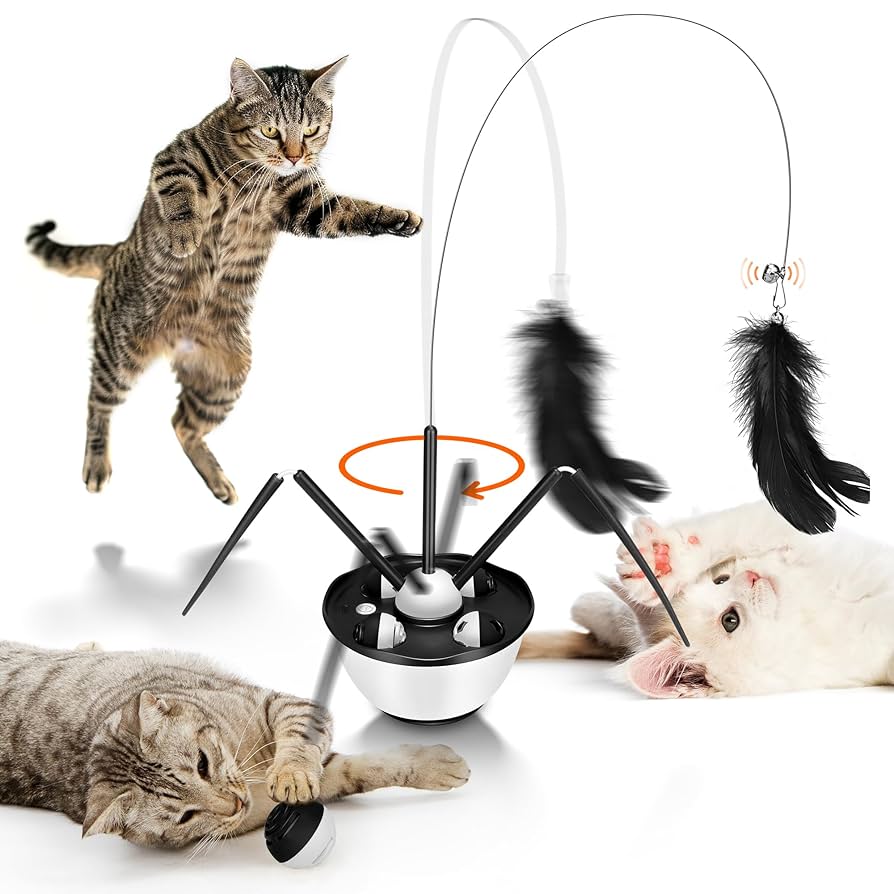
Cats love toys that move unpredictably. Toys that wiggle, spin, or bounce mimic the motions of prey. This movement triggers their hunting instincts. Battery-powered toys or those that respond to touch work well. Simple items like feather wands or balls that roll also attract cats.
Sound And Noise
Sounds can excite and intrigue cats during play. Toys that make crinkling, jingling, or rattling noises catch their ear. These noises remind cats of small animals and invite them to pounce. Soft bells or hidden noise makers inside toys add extra fun. Avoid loud or harsh sounds that may scare them.
Textures And Materials
Cats enjoy toys with varied textures. Soft, fuzzy, or rough surfaces offer different sensations for paws and mouths. Materials like faux fur, felt, or sisal are popular. Some cats prefer toys with a bit of resistance to bite or claw. Textured toys provide mental and physical stimulation during play.
Size And Shape
Cats are very particular about the toys they enjoy. Size and shape play a big role in whether a toy becomes a favorite. Toys that fit a cat’s paws and mouth can keep them entertained longer. The right size makes toys easy to hold, bite, and toss around. Shape also matters because cats like toys that mimic prey or feel good to carry.
Easy To Bat And Carry
Toys that are small enough to bat around catch a cat’s attention quickly. Cats use their paws to swipe and chase toys. A toy that is too big can be hard to move. Small, light toys fit well under paws and slide easily on floors. Cats also like toys they can pick up with their mouths. Rounded or oval shapes work well for carrying. These shapes make it simple for cats to grab and move their toys.
Variety For Different Play Styles
Different cats prefer different toy sizes and shapes. Some cats love tiny toys they can pounce on and carry. Others enjoy longer toys to chase or wrestle with. Offering a mix of shapes keeps playtime exciting. Thin, stick-like toys are great for swatting and jumping. Soft, plush shapes appeal to cats that like to cuddle their toys. Changing shapes and sizes helps meet each cat’s unique play style.
Safety Features
Cats enjoy toys with elements that mimic real prey, like feathers or bells. Interactive features such as dangling strings or moving parts capture their attention. Safety is essential, so choose toys without small parts that could be swallowed.
Cat toys are more than just entertainment for your feline friend; they’re essential for keeping your cat healthy and happy. But have you ever stopped to think about the safety features that should be present in these toys? Ensuring that the toys you choose are safe can prevent potential harm and give you peace of mind. Let’s dive into what makes a cat toy safe for your furry companion.Non-toxic Materials
When choosing toys for your cat, one of the foremost considerations should be the materials used. Toys made from non-toxic materials ensure that even if your cat chews or licks them, they won’t ingest harmful substances. Check labels for certifications or assurances that the toy is free from lead, phthalates, and other toxic chemicals. This step can significantly reduce the risk of health issues related to exposure to harmful substances. Wouldn’t you agree that knowing your cat is safe makes playtime more enjoyable?Durability And Construction
Have you ever noticed how quickly some toys fall apart? Durability is key in cat toys, not just for longevity but also for safety. A well-constructed toy resists tearing and breaking apart, avoiding small parts that could become choking hazards. Seek toys that are robust and designed to withstand your cat’s playful antics. Look for double-stitched seams and high-quality materials. This ensures that even the most energetic cats can’t easily dismantle them, keeping playtime safe and fun. Isn’t it reassuring to know that the toy you choose won’t just last longer but also protect your furry friend from potential dangers?Stimulating Scents
Cats rely heavily on their sense of smell to explore and understand their surroundings. Stimulating scents in cat toys can spark their curiosity and encourage active play. These smells often trigger instincts, making toys irresistible and more engaging for your feline friend.
Catnip Infused Toys
Catnip is a well-known favorite among cats. Toys infused with catnip release a scent that can excite or calm your cat, depending on their reaction. Some cats become playful and energetic, while others simply enjoy the calming aroma.
Not all cats respond to catnip, though. If yours does, try rotating catnip toys to keep the scent fresh and interesting. You might notice your cat coming back repeatedly to a toy with that special smell.
Herbal And Natural Aromas
Besides catnip, other natural scents like valerian root, silver vine, and honeysuckle can attract cats. These herbs offer unique smells that can stimulate play or relaxation in different ways. Toys scented with these aromas provide variety and can appeal to cats that don’t react to catnip.
Consider introducing these herbal-scented toys gradually to see which your cat prefers. You might find that a combination of scents keeps your cat more engaged than just one. Have you ever noticed your cat’s sudden interest in a new smell? That’s a clue to what works best.
Challenging Puzzles
Cats thrive when their minds are engaged. Challenging puzzles in cat toys capture their natural curiosity and hunting instincts. These toys keep your feline friend active and focused, preventing boredom and destructive behavior.
Treat-dispensing Toys
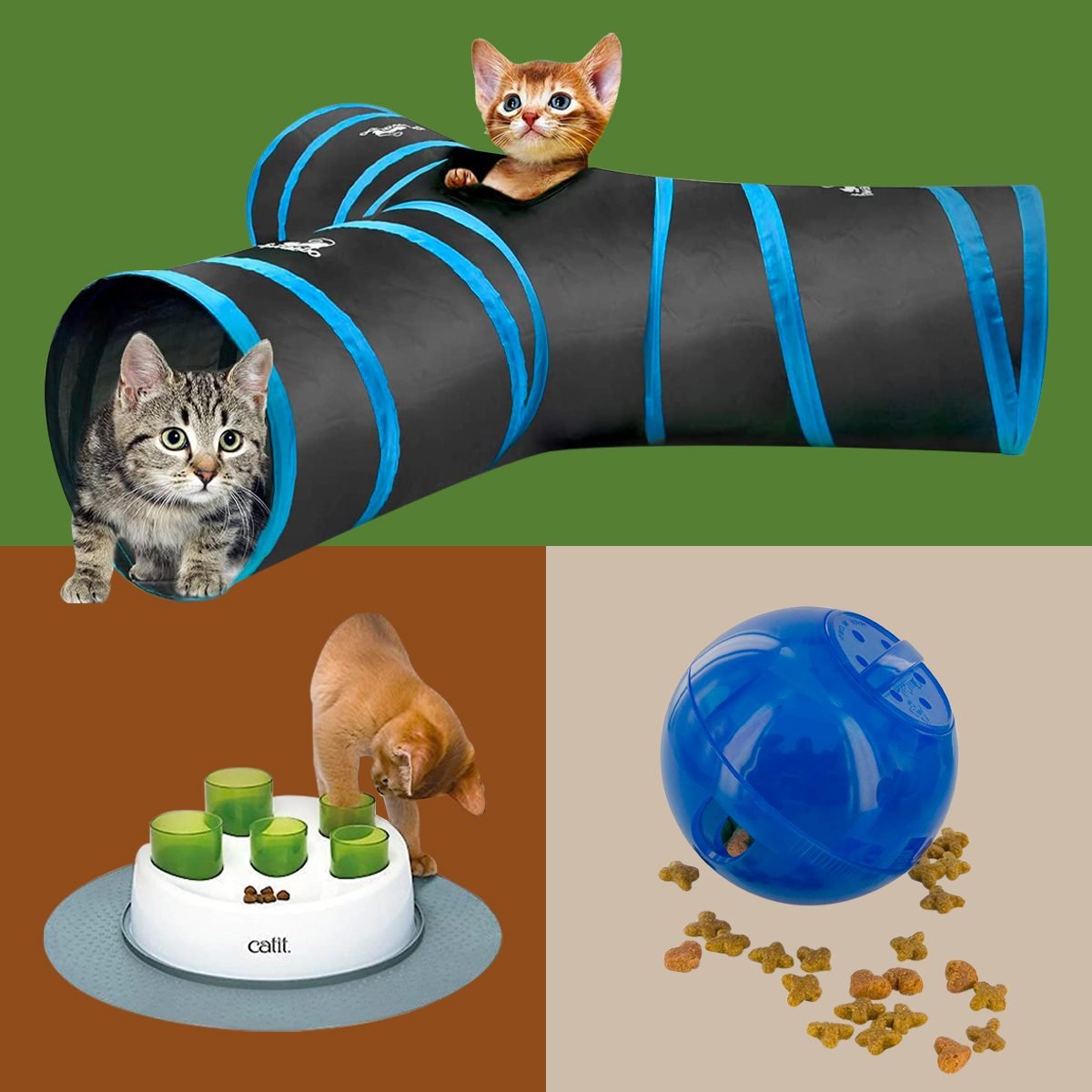
Treat-dispensing toys combine fun with reward, motivating your cat to solve puzzles for a tasty prize. These toys often require your cat to bat, nudge, or manipulate parts to release treats.
One popular design is a ball with holes that slowly dispenses kibble as it rolls. Your cat learns cause and effect while staying entertained. Have you noticed how your cat’s excitement grows as they figure out the mechanism? It’s a simple yet effective way to keep their brain sharp.
Problem-solving Elements
Problem-solving toys challenge your cat to think differently about how to access hidden rewards or navigate obstacles. Some toys feature sliding panels, rotating parts, or compartments that need opening.
These elements encourage persistence and mental effort. Cats may paw, paw, and paw again until they succeed, showing impressive determination. Offering toys with varying difficulty levels can keep your cat engaged over time.
Think about your cat’s personality and preferences when choosing puzzle toys. Do they prefer using their paws or nose? Do they enjoy solo play or interactive sessions with you? Matching toys to these traits can make playtime more rewarding for both of you.

Credit: www.amazon.com
Visual Appeal
Cats are naturally drawn to toys that catch their eyes quickly. Visual appeal plays a major role in grabbing your cat’s attention and keeping them engaged. Toys that stand out visually can turn an ordinary playtime into a thrilling adventure for your feline friend.
Bright Colors
Cats see colors differently than humans do, but they are especially attracted to bright hues like blues and greens. These colors stand out sharply against most backgrounds, making it easier for cats to spot toys moving around.
I’ve noticed that my cat ignores dull-colored toys but immediately pounces on ones with vivid blues or greens. This shows how important color can be in sparking your cat’s curiosity.
When choosing toys, look for bright colors that contrast well with your home environment. This simple choice can make a big difference in how often your cat plays.
Patterns And Shapes
Beyond color, the shapes and patterns on toys also play a crucial role in attracting cats. Stripes, spots, and irregular shapes mimic the movement and appearance of prey, which triggers your cat’s hunting instincts.
Shapes like small balls, feathers, or even toys with dangling parts offer different visual stimuli. Your cat may prefer certain shapes over others, so observe which ones spark more interest.
Consider toys with mixed patterns or unusual shapes to keep your cat guessing. Have you ever seen your cat’s eyes light up when a new shape enters their play area? That’s a clear sign that visual variety keeps them engaged longer.
Variety And Rotation
Cats love new and exciting toys. Variety and rotation keep their interest strong. Different toys offer unique textures, sounds, and movements. Changing toys often prevents boredom and encourages active play. This approach helps cats stay healthy and happy.
Keeping Playtime Fresh
Rotating toys every few days keeps cats curious. It feels like a new discovery each time. Cats tend to lose interest if they see the same toy daily. Storing some toys away and swapping them regularly works well. This simple trick keeps cats eager to play again.
Combining Different Features
Cats enjoy toys with multiple sensory elements. Combining feathers, bells, and soft fabric stimulates their senses. Toys that move unpredictably attract more attention. Mixing textures and sounds makes playtime more fun. Variety in toys challenges cats both mentally and physically.
Credit: www.rd.com
Frequently Asked Questions
What Textures Do Cats Prefer In Their Toys?
Cats enjoy toys with varied textures like soft feathers, crinkly fabric, and rubbery surfaces. These stimulate their senses and encourage play.
Why Do Cats Like Toys With Catnip?
Catnip releases a scent that triggers playful and excited behavior in cats, making toys infused with catnip highly attractive.
How Important Is Toy Size For Cats?
Toys should be appropriately sized for cats to bite and carry easily. Small toys that fit their paws are ideal.
Do Cats Prefer Moving Or Stationary Toys?
Cats are naturally attracted to moving toys as they mimic prey, stimulating their hunting instincts and encouraging active play.
Conclusion
Cats enjoy toys that move, make noise, or have interesting textures. They like chasing small, lightweight toys they can carry. Toys with feathers or bells catch their attention quickly. Soft toys offer comfort and fun for scratching or biting. Changing toys often keeps cats curious and active.
Remember, a happy cat is a playful cat. Choosing the right toys helps cats stay healthy and entertained every day. Keep exploring different options to find what your cat loves most. Playtime strengthens your bond and keeps your cat joyful.




Leave a Reply