If you have a short-haired cat, you might think grooming is simple. But even short coats need care to stay healthy and shiny.
Knowing how to groom your cat the right way can save you from messy fur around the house and keep your feline friend comfortable. You’ll discover easy steps to make grooming quick and stress-free for both you and your cat.
Ready to learn the secrets to a happy, well-groomed kitty? Keep reading—you’ll be surprised how simple it can be!

Credit: www.latimes.com
Benefits Of Grooming Short-haired Cats
Grooming short-haired cats offers more than just a way to keep them looking neat. It plays a vital role in maintaining their overall health and comfort. By taking a few moments regularly to groom your cat, you can enjoy a deeper bond and prevent many common issues before they start.
Improved Coat Health
Regular grooming helps distribute natural oils across your cat’s coat. This keeps their fur shiny and soft, which you’ll notice every time you pet them. It also removes dirt and dead hair, preventing dullness and skin irritation.
Have you ever noticed how your cat’s coat looks after a good brushing? That healthy glow is a sign of proper care. When you groom consistently, you support your cat’s skin and coat in staying balanced and vibrant.
Reduced Shedding
Short-haired cats still shed, but grooming can cut down on loose hair around your home. Brushing catches those stray hairs before they fall onto your furniture or clothes. This makes cleaning easier and keeps your living space more comfortable.
Imagine spending less time vacuuming or lint-rolling your clothes. Plus, your cat will feel better without excessive loose fur irritating their skin. Isn’t that a win-win for both of you?
Early Detection Of Health Issues
Grooming sessions are perfect opportunities to check your cat’s body for unusual signs. You can spot lumps, bumps, or skin problems early when you touch and inspect them regularly. Early discovery often means easier treatment and better outcomes.
Don’t overlook changes in your cat’s behavior during grooming either. If they suddenly resist being brushed, it might signal pain or discomfort. How often do you closely examine your cat’s skin and body during grooming? Making it a habit can save you from unexpected vet visits.

Credit: catit.ca
Essential Grooming Tools
Grooming short-haired cats might seem simple, but having the right tools makes all the difference. The right equipment keeps your cat comfortable and helps maintain their sleek coat. It also makes the grooming process quicker and more enjoyable for both of you.
Choosing The Right Brush
Short-haired cats benefit most from brushes that remove loose fur without irritating their skin. A rubber brush or a bristle brush with soft bristles usually works best. These brushes gently massage your cat while collecting shed hair, which reduces hairballs.
Try different brushes to see which your cat prefers. Some cats dislike stiff bristles but love the feel of a grooming mitt. Have you noticed how your cat reacts differently to various brushes? Their response can guide you to the perfect choice.
Using Grooming Gloves
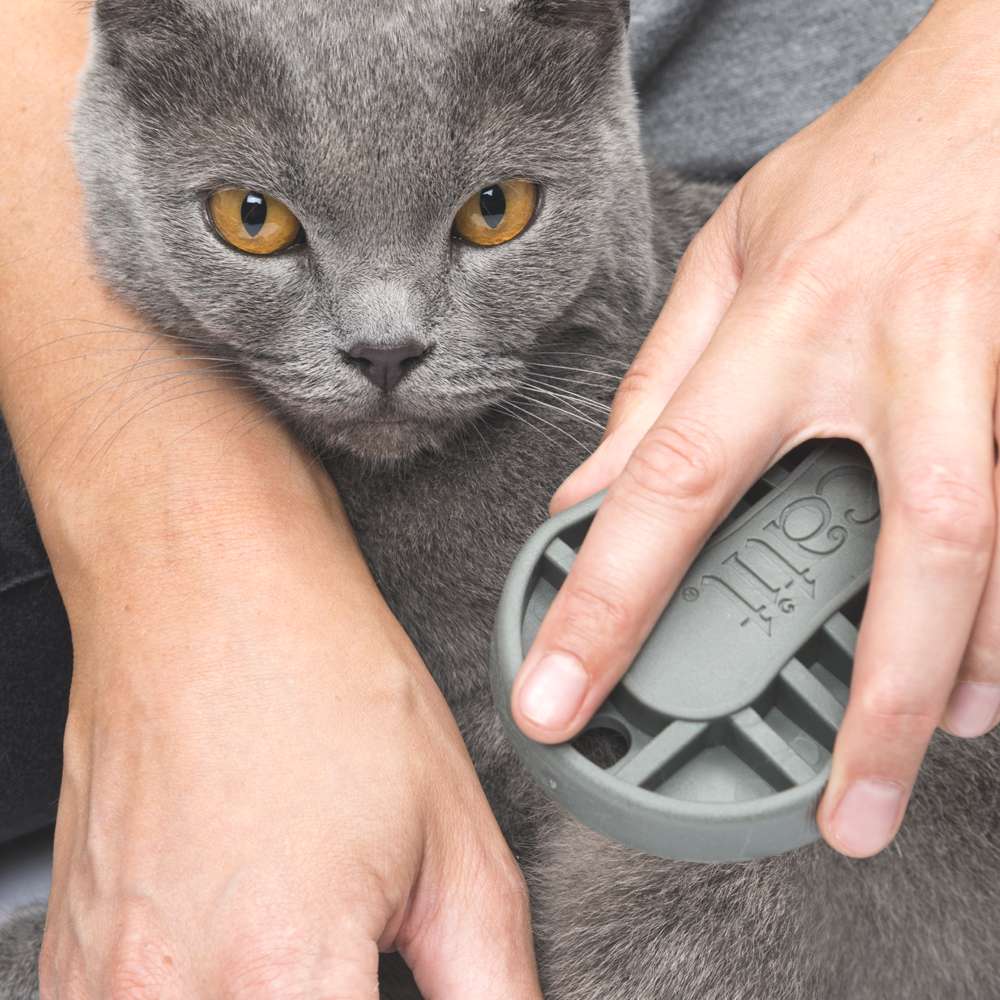
Grooming gloves are excellent for cats that dislike traditional brushes. These gloves allow you to pet your cat while removing loose fur. You can easily reach tricky areas like under the chin and behind the ears.
Besides fur removal, gloves provide a soothing massage that can calm anxious cats. If your cat tends to squirm during grooming, a glove might be your best bet. Have you tried petting your cat with a glove and noticed how much fur comes off?
Nail Clippers And Other Accessories
Short-haired cats still need nail care to prevent scratching injuries. Use nail clippers designed specifically for cats to trim their nails safely. Dull the edges with a nail file if needed to avoid snagging furniture or skin.
Other useful tools include ear cleaners and dental wipes. Ear cleaners keep infections at bay, while dental wipes support oral health. Keeping these extras handy can improve your cat’s overall well-being.
Step-by-step Grooming Routine
Grooming your short-haired cat doesn’t have to be a chore. A clear, step-by-step routine makes the process easier for both you and your feline friend. It helps keep their coat shiny, skin healthy, and reduces shedding around your home.
Brushing Techniques
Even short-haired cats benefit from regular brushing. Use a soft-bristle brush or a rubber grooming mitt to gently remove loose fur and dirt.
- Brush in the direction of hair growth to avoid irritating your cat’s skin.
- Focus on areas like the neck, back, and sides where loose hairs gather.
- Spend a few minutes each day, especially during shedding seasons, to prevent hairballs.
Notice how your cat reacts—some enjoy the attention, while others may need gentle encouragement. Have you tried brushing your cat near a sunny window? Many cats find this relaxing and it can turn grooming into bonding time.
Bathing Tips For Short-haired Cats
Bathing isn’t often necessary for short-haired cats, but occasional baths can help if they get particularly dirty or have skin issues. Use lukewarm water and a cat-specific shampoo.
- Before bathing, brush your cat to remove loose hair and mats.
- Keep water shallow and avoid getting water in their ears and eyes.
- Speak calmly and use gentle strokes to soothe your cat during the bath.
Dry your cat thoroughly with a soft towel afterward. Have you noticed how some cats seem to enjoy the water, while others avoid it? Pay attention to your cat’s comfort and adjust your approach accordingly.
Cleaning Ears And Eyes
Regularly check your cat’s ears and eyes for dirt, wax, or signs of infection. Use a soft, damp cloth or a cotton ball to clean these sensitive areas.
- For ears, gently wipe the outer part without inserting anything deep into the ear canal.
- If you see excessive wax or redness, consult your vet before attempting further cleaning.
- For eyes, wipe away any discharge using a separate clean cloth for each eye to avoid spreading infection.
Cleaning these areas not only keeps your cat comfortable but can also alert you to health issues early. Have you ever caught an ear infection just by noticing a small change during grooming? Staying attentive makes a difference.
Credit: catit.ca
Managing Common Grooming Challenges
Grooming short-haired cats can present unique challenges. These challenges require patience and the right techniques to handle well. Managing common issues helps keep your cat healthy and happy. This section covers key problems and how to tackle them effectively.
Dealing With Shedding
Short-haired cats shed throughout the year. Shedding can create a mess in your home. Regular brushing removes loose fur before it falls off. Use a soft-bristle brush or grooming glove. Brush gently in the direction of hair growth. Doing this daily reduces hairballs and fur around your house. Bathing your cat occasionally also helps reduce shedding.
Handling Sensitive Skin
Some short-haired cats have sensitive skin. Harsh brushes or shampoos can cause irritation. Choose grooming tools with soft bristles. Use mild, cat-safe shampoos for baths. Avoid over-bathing, which dries out the skin. Check the skin regularly for redness or bumps. Consult a vet if you notice any skin problems. Keep grooming sessions short to avoid stress.
Keeping Your Cat Calm
Cats often dislike grooming. Fear or discomfort makes them restless. Create a calm environment with soft lighting and quiet sounds. Speak softly to your cat during grooming. Use treats to reward good behavior. Start grooming in short sessions and increase time gradually. Stop immediately if your cat shows signs of stress. Patience and gentleness build trust over time.
Diet And Hydration For A Healthy Coat
A balanced diet rich in essential fatty acids supports a shiny, healthy coat for short-haired cats. Fresh water keeps skin hydrated, reducing dryness and shedding. Proper nutrition and hydration work together to maintain smooth, soft fur.
Diet and hydration play a vital role in maintaining a cat’s coat. A healthy coat reflects a cat’s overall well-being. Short-haired cats need proper nutrition and hydration for their coat to remain shiny and smooth. Let’s explore how diet and water intake can enhance your cat’s fur health.Nutritional Requirements
Cats need a balanced diet with proteins, fats, and vitamins. High-quality cat food with meat as the first ingredient is best. Look for cat food rich in Omega-3 and Omega-6 fatty acids. These nutrients promote a soft and shiny coat. Avoid fillers like corn and wheat, which offer little nutrition.Supplements For Coat Shine
Supplements can enhance your cat’s coat health. Fish oil is a popular choice for its Omega-3 content. It can improve coat shine and reduce shedding. Consult your vet before adding any supplements. They can recommend the best options for your cat’s needs.Importance Of Water Intake
Hydration is crucial for a cat’s coat and skin. Ensure your cat has access to fresh water at all times. Consider a cat water fountain to encourage drinking. Wet cat food also helps increase water intake. Proper hydration keeps the skin moisturized and the coat healthy.When To Seek Professional Help
Knowing when to seek professional help is key to keeping your short-haired cat healthy. Some grooming tasks need expert attention to avoid harm or discomfort. Recognizing signs that require a professional ensures your cat stays happy and safe.
Signs Of Skin Problems
Watch for redness, swelling, or scabs on your cat’s skin. Persistent scratching or biting at the fur may signal irritation. Bald patches or flaky skin often mean infection or allergies. Foul odor or discharge can indicate serious skin issues. These signs call for expert evaluation and treatment.
Professional Grooming Services
Professionals can handle tough grooming tasks safely. They trim nails without causing pain or injury. Experts remove mats or tangles that can hurt your cat. Groomers clean ears and eyes properly to avoid infections. Regular visits keep your cat comfortable and well-groomed.
Veterinary Advice
Consult a vet for persistent skin or coat problems. Vets diagnose allergies, parasites, or infections affecting your cat. They provide treatments that prevent worsening conditions. Follow their advice for special grooming needs. Early vet visits save your cat from pain and discomfort.
Frequently Asked Questions
How Often Should You Groom Short-haired Cats?
Short-haired cats should be groomed once or twice a week. Regular brushing removes loose fur and reduces shedding. It also helps prevent hairballs and keeps their coat shiny and healthy.
What Tools Are Best For Grooming Short-haired Cats?
Use a soft-bristle brush or rubber grooming mitt. These tools gently remove loose fur without irritating the skin. Avoid harsh brushes that can cause discomfort or damage to their delicate coat.
Can Grooming Prevent Hairballs In Short-haired Cats?
Yes, regular grooming reduces loose fur that cats ingest while licking. This helps minimize hairball formation and digestive issues. Grooming also promotes healthy skin and a cleaner coat.
How Do You Handle Grooming If A Cat Is Nervous?
Start grooming sessions short and gentle. Use treats and calm tones to reassure your cat. Gradually increase session length as they become more comfortable.
Conclusion
Grooming short-haired cats keeps their coat clean and healthy. Regular brushing reduces loose hair and prevents mats. It also helps you check for skin problems early. Make grooming a calm and positive time for your cat. Use gentle strokes and be patient.
This simple care routine strengthens your bond and keeps your cat happy. Start small and build the habit gradually. A well-groomed cat feels comfortable and looks great too. Keep these tips in mind for easy and effective grooming.




Leave a Reply