
You might be surprised to learn that cat poop can offer some unexpected health benefits. Yes, you read that right—something you usually want to avoid could actually help improve your well-being.
If you’re curious about how this unlikely source might support your health, keep reading. By the end of this article, you’ll discover fascinating facts that could change the way you think about your furry friend’s litter box. Don’t miss out on these eye-opening insights that could benefit you and your home.
Potential Immune Boosters
Potential immune boosters linked to cat poop might sound unusual, but there’s some interesting science behind it. Your immune system learns and adapts by encountering various microbes. Cat poop contains a variety of these microbes, which could play a role in strengthening your immune defenses.
Exposure To Microbes
Cat feces carry a mix of bacteria and other microorganisms that your body can recognize and respond to. This exposure might help your immune system practice defending itself, similar to how vaccines work by introducing harmless parts of germs.
Imagine your immune system as a training ground. The more varied the microbial “practice,” the better prepared you may be against infections. Of course, this doesn’t mean you should handle cat litter without care—proper hygiene is essential to avoid harmful infections.
Hygiene Hypothesis Connection
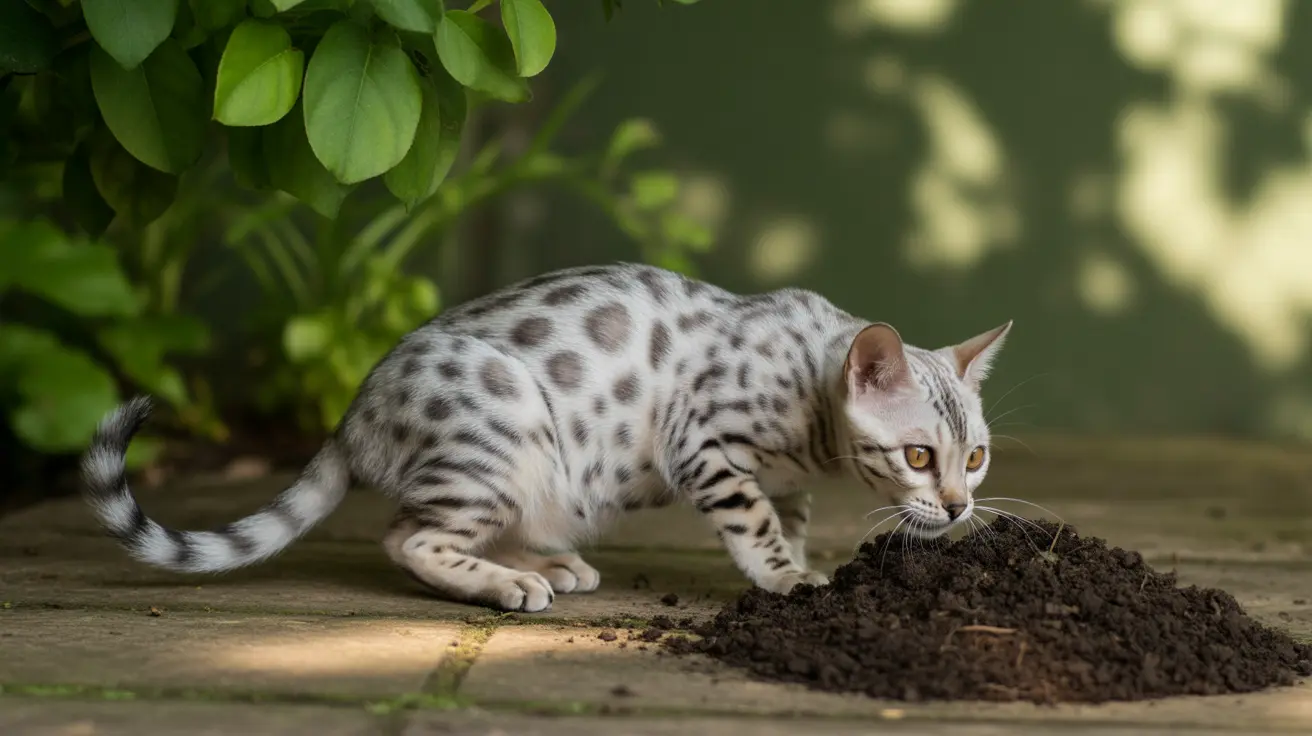
The hygiene hypothesis suggests that a lack of exposure to microbes during childhood can lead to weaker immune systems and more allergies. Interactions with pets and their environments, including cat poop, might introduce beneficial microbes that help your immune system develop properly.
Have you noticed fewer allergies in kids who grow up around animals? This could be related to their early microbial exposures. While cat poop isn’t something to seek out, the microbes it contains might play a subtle role in training your immune system to be more resilient.
Credit: www.petscare.com
Parasitic Risks And Prevention
Cat feces can carry health risks due to parasites. Understanding these risks helps prevent infections. Proper hygiene and care reduce chances of parasite transmission. This section explains common parasites found in cat poop and safe handling tips.
Common Parasites In Cat Feces
Cat feces often contain parasites that can harm humans. Toxoplasma gondiiis a well-known parasite linked to toxoplasmosis. It can cause flu-like symptoms or more severe effects in pregnant women and people with weak immune systems.
Roundwormsare another common parasite. Their eggs can spread through soil or litter boxes. If ingested, they can lead to digestive problems and other health issues.
Hookwormsmay also be present. These parasites can penetrate the skin and cause itching or rash. They can lead to anemia in severe cases.
Safe Handling Practices
- Always wear disposable gloves when cleaning litter boxes.
- Wash hands thoroughly with soap and water after handling cat feces.
- Clean litter boxes daily to reduce parasite risk.
- Keep cats indoors to lower exposure to infected animals.
- Dispose of cat waste in sealed bags and trash bins.
- Pregnant women should avoid cleaning litter boxes if possible.
- Regularly deworm cats with veterinary guidance.
Therapeutic Uses In Medicine
Therapeutic uses of cat poop in medicine may sound unusual, but they hold significant potential, especially through the study of microbiota. Scientists are increasingly interested in how the bacteria found in feces can impact health, offering new ways to treat certain conditions. Understanding these benefits could change how you view something as unexpected as cat feces.
Research On Fecal Microbiota
Fecal microbiota refers to the community of microorganisms living in the digestive tracts. Researchers have found that the balance of these bacteria plays a crucial role in human health, influencing digestion, immunity, and even mood.
Studies show that fecal matter from animals, including cats, contains diverse microbes that might be used to restore gut health in humans. Scientists are investigating whether transferring these microbes can help treat conditions like Clostridium difficile infections, which cause severe diarrhea.
Could the microbes in cat poop hold the key to improving your gut flora? This research suggests it’s worth paying attention to how animal microbiomes affect human health.
Possible Future Applications
Looking ahead, the potential of cat poop in medicine expands beyond gut health. Researchers are exploring if specific bacteria from cat feces could be developed into probiotics to boost immune function or fight harmful pathogens.
Imagine a future where pet owners might use specially prepared products derived from their cat’s microbiota to prevent illnesses or support recovery. This could lead to personalized therapies based on the unique microbes found in your pet’s waste.
- Development of microbiota-based supplements for digestive health
- Use of feline-derived bacteria to create new antibiotics
- Potential treatments targeting autoimmune diseases
Would you consider medical treatments inspired by your cat’s microbiome? The science is still emerging, but these possibilities encourage us to rethink the therapeutic value hidden in unexpected places.

Credit: www.amazon.com
Environmental Impact
When you think of cat poop, the first thing that might come to mind isn’t its environmental benefits. However, the way we handle and dispose of it can have significant impacts on our environment. Understanding these impacts can guide you in making more eco-friendly decisions.
Role In Soil Fertility
Cat poop can be a surprising ally in boosting soil fertility. It’s rich in nutrients that plants need to thrive, such as nitrogen and phosphorus. When properly composted, it can transform your garden into a lush paradise.
Think about the last time you fertilized your plants. What if you could do it naturally while also reducing waste? By using cat poop as a soil enhancer, you can contribute to a more sustainable gardening practice.
Composting And Safe Disposal
Composting cat poop requires careful handling to ensure safety. It’s crucial to maintain a separate compost bin solely for pet waste. This prevents contamination with food scraps and other organic matter.
You might wonder if it’s worth the effort. Consider the reduction in landfill waste and the added benefits to your garden. Isn’t that a win-win situation?
Always remember to use the composted material in non-edible gardens to avoid health risks. A little mindfulness goes a long way in creating a positive environmental impact.
Myths And Misconceptions
Many myths surround the topic of cat poop and its supposed health benefits. Some stories claim it can cure diseases or improve health in strange ways. These ideas often spread without real proof. Understanding the truth helps avoid confusion and keeps people safe.
Debunking Health Claims
Cat poop is not a health product. It contains harmful bacteria and parasites. These can cause serious illness. No scientific study supports health benefits from contact with cat feces. Believing in such claims can lead to health risks. It is important to rely on facts from trusted sources.
Balancing Benefits And Risks
While some natural remedies exist, cat poop is not one of them. Handling cat waste requires care. Always clean litter boxes regularly. Use gloves and wash hands well. This prevents infections like toxoplasmosis. Keeping pets and people healthy is the real goal. Avoid myths and focus on safe hygiene practices.
Credit: www.onlynaturalpet.com
Frequently Asked Questions
What Health Benefits Does Cat Poop Offer Humans?
Cat poop contains beneficial microbes that can boost soil health. These microbes improve nutrient recycling and plant growth indirectly supporting human nutrition through better crops.
Can Cat Feces Improve Garden Soil Quality?
Yes, cat feces add organic matter and microbes to soil. This enriches the soil, enhancing its fertility and promoting healthier plant growth.
Is There Any Medicinal Use Of Cat Droppings?
No proven medicinal uses exist for cat droppings. Handling cat feces carries risks of infections and parasites, so caution is necessary.
How Does Cat Poop Affect Environmental Health?
Cat poop introduces nutrients and microbes that support ecosystem balance. However, it can also spread harmful parasites if not managed properly.
Conclusion
Cat poop might sound strange as a health topic. Yet, it contains useful bacteria for the gut. These bacteria can help improve digestion and balance. Some studies suggest it may boost the immune system. Still, handling cat poop needs care to avoid germs.
Always wash hands well after contact. Learning about these benefits helps us see nature’s surprises. Use this knowledge wisely and stay safe. Health comes from many unexpected places. Keep an open mind, and take good care of yourself.



Leave a Reply