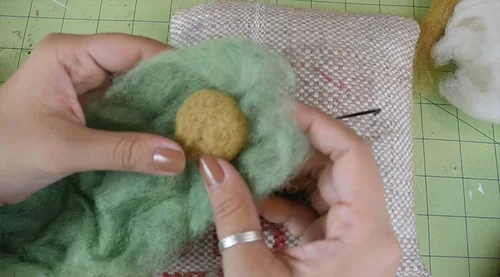
If you love your cat and want to create something special just for them, making your own needle felt cat toys is a fun and rewarding way to do it. Imagine giving your furry friend a toy that’s soft, safe, and made with your own hands.
You don’t need any special skills to get started—just a few simple tools and some creativity. In this guide, you’ll discover easy steps to craft unique toys that will keep your cat entertained for hours. Ready to make your cat’s playtime more exciting?
Let’s dive in and start creating!
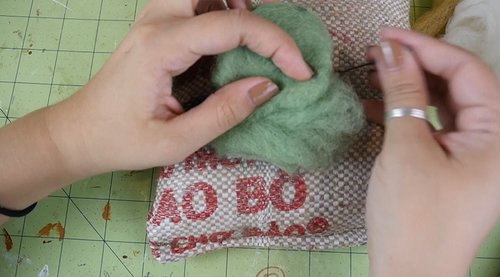
Credit: www.chezlin.com
Materials Needed
Gathering the right materials is the first step to making fun and safe needle felt cat toys. The quality of your supplies affects the toy’s look and durability. Focus on tools and wool that work well together and keep your cat’s safety in mind.
Use soft, natural wool to create a toy that feels nice and lasts long. Sharp, sturdy needles help shape the wool quickly and cleanly. Extra items can make your crafting easier and add small details to the toys.
Choosing The Right Wool
- Use 100% wool roving or batting for best results.
- Avoid synthetic fibers to keep toys safe and durable.
- Pick soft wool to make the toy pleasant for cats to touch.
- Choose bright or natural colors depending on your design.
Essential Tools
- Felting needles in various sizes to shape and detail wool.
- A foam mat or felting pad to protect surfaces and needles.
- A pair of scissors for trimming and shaping wool.
- Gloves (optional) to protect your fingers during felting.
Optional Accessories
- Small bells or beads to make the toy more attractive.
- Embroidery thread to add eyes or other features.
- Wire for shaping parts that need extra support.
- Glue to secure any small attachments safely.
Preparing Your Workspace
Preparing your workspace is essential before you start needle felting cat toys. A well-organized and safe area makes your crafting experience smoother and more enjoyable. It helps you focus on creativity instead of hunting for tools or worrying about safety.
Setting Up A Safe Area
Needle felting involves sharp needles that can easily cause injury if you’re not careful. Choose a flat, stable surface where you can clearly see your tools and materials. Avoid clutter to reduce the risk of accidentally poking yourself or losing needles.
Good lighting is crucial. It helps you spot fine details and prevents eye strain. Natural light is ideal, but a bright desk lamp works well too.
Consider using a felting mat or foam pad to protect your table and provide a soft surface for your work. This also helps keep the needles from breaking.
Organizing Supplies
Gather all your materials before you begin. This includes wool roving, felting needles, scissors, and any embellishments you want to add to your cat toys.
Use small containers or trays to keep tiny items like needles and beads from rolling away. Labeling your supplies can save time and reduce frustration.
Keep your tools within arm’s reach to maintain a steady workflow. Think about how you move while felting—arranging supplies ergonomically can prevent unnecessary breaks or discomfort.
Basic Needle Felting Techniques
Basic needle felting techniques form the foundation of crafting cat toys. These skills help turn wool into fun, soft shapes that cats love. Understanding how to handle the needle and wool properly makes the process easier and enjoyable.
Start by learning how to hold the needle correctly. Then practice creating simple shapes. Finally, join wool pieces to build more complex designs. Each step builds your confidence and skills.
Holding The Needle
Hold the needle like a pencil, with a firm but gentle grip. Keep your fingers clear of the needle tip to avoid pricks. Use short, straight pokes to shape the wool. Keep the wool on a foam pad or felting mat for safety and support.
Creating Simple Shapes
Begin with basic shapes like balls, ovals, or flat pads. Pull loose wool and gently form the shape with your hands. Use the needle to poke the wool repeatedly, making it dense and firm. Turn the shape as you work to keep it even. Simple shapes are the building blocks for your cat toys.
Joining Wool Pieces
To connect parts, place two wool pieces close together. Use the needle to poke through both layers, binding the fibers. Poke around the edges until the pieces hold firmly. Add small amounts of wool over the joint for extra strength. Joining pieces allows for more detailed and interesting toy designs.
Making Your First Cat Toy
Making your first cat toy with needle felting is simple and fun. Start with small projects to learn basic shapes and techniques. A basic ball is a great first toy. It is easy to make and cats love to chase it. Use soft wool and a felting needle to shape the toy. The process helps you understand how to control the needle and wool.
After making the basic shape, add texture and details. These small touches make the toy more interesting for your cat. Felted details can include eyes, ears, or stripes. These add character and make the toy unique. Experiment with colors and shapes to keep your cat curious and playful.
Crafting A Basic Ball
Start with a small piece of wool. Roll it into a loose ball with your hands. Use a felting needle to poke the wool. Poke evenly all around to shape a firm ball. Keep poking until the ball feels solid and smooth. Avoid poking too hard to prevent breaking the needle. A firm ball lasts longer during play.
Adding Texture And Details
- Choose different wool colors for patterns.
- Use small amounts of wool for stripes or spots.
- Gently poke the wool into the ball to fix details.
- Add small shapes like ears or a tail with wool.
- Secure details firmly by poking them well.
Details make the toy more fun and attractive. Your cat will enjoy the new textures and shapes. Try simple additions first, then create more complex toys later.
Design Variations
Needle felting cat toys offers many design choices to make each toy special. Varying shapes and colors attract your cat’s attention and keep playtime fun. Experimenting with different designs also helps you improve your felting skills. Here are some popular design ideas to try for your next cat toy project.
Mini Mice
Mini mice are a classic choice for cat toys. Small and easy to hold, they mimic real prey. Use soft wool in gray, brown, or white shades. Add tiny ears, a tail, and eyes with simple stitches. Keep the shape rounded and slightly elongated for a realistic look. These toys are lightweight, perfect for cats to bat and carry.
Fish Shapes
Fish shapes add variety and charm to your collection. Use vibrant colors like orange, blue, or green to make them eye-catching. Shape the body with a rounded head and flat tail fins. Needle felt details like scales and eyes for extra texture. Fish toys often become favorites because they look playful and different from usual shapes.
Color Patterns
Color patterns bring personality to your needle felted toys. Try stripes, spots, or patches in contrasting shades. Blend colors softly for a natural look or use bold blocks for a fun style. Changing colors helps create unique toys that stand out. Use small needle strokes to blend colors smoothly or create sharp edges for distinct patterns.
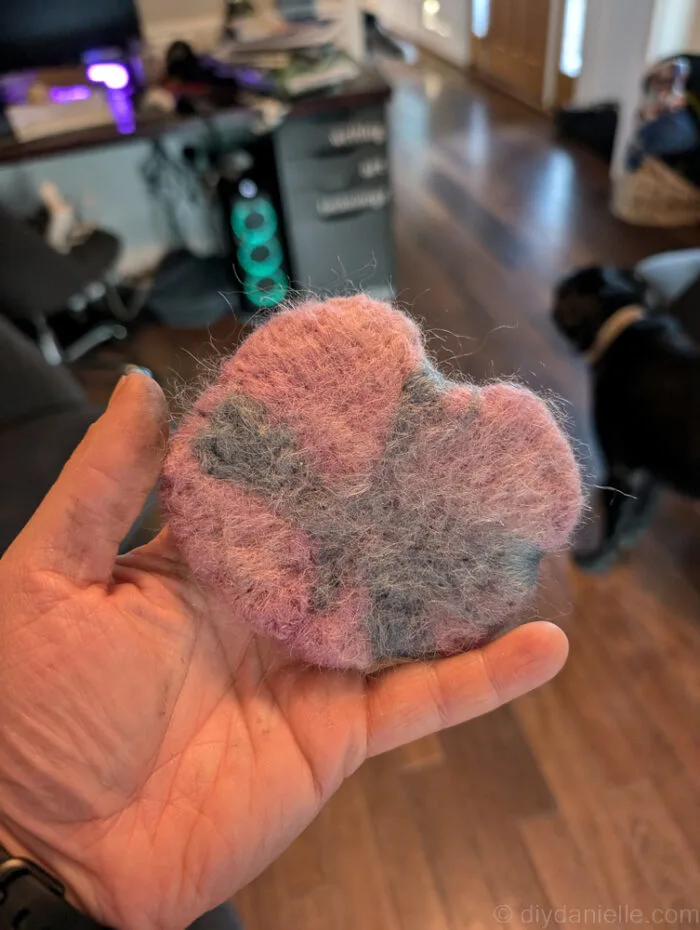
Credit: diydanielle.com
Finishing Touches
Finishing touches give your needle felt cat toys a polished look and stronger shape. Secure loose fibers with gentle felting to keep toys safe and long-lasting. Small details like eyes or whiskers bring your creations to life and make them fun for cats.
Finishing touches can transform your needle-felted cat toys from simple to extraordinary. This final stage is where creativity meets functionality, ensuring the toys not only look appealing but are durable and enticing for your feline friend. Let’s explore a few key steps to perfect your craft.Adding Catnip
Enhance your cat toy’s allure by adding a sprinkle of catnip. Simply tuck a small amount of dried catnip into the wool fibers before sealing the toy. This aromatic herb can captivate your cat’s attention, turning the toy into their new favorite plaything. Consider the amount of catnip based on your cat’s preference. Too much might overwhelm them, while too little may not pique their interest. Keep it balanced for maximum enjoyment.Sealing And Strengthening
To ensure the longevity of your handmade toy, sealing and strengthening are crucial. Use a needle felting tool to felt the surface further, making the fibers tighter and the toy more robust. This step can protect the toy from your cat’s claws and teeth. For added strength, consider a light application of fabric glue on the seams. This can prevent the toy from falling apart during enthusiastic play sessions. Do you want your toy to last longer? A little extra effort here can make a big difference.Safety Tips For Needle Felting
Needle felting is fun and creative but requires attention to safety. Small, sharp needles can cause injuries if not handled properly. Safety helps keep the crafting process smooth and enjoyable. Protect your hands and pets while making cat toys.
Handling Needles Carefully
Always hold the needle by the handle, never by the sharp end. Work on a flat, stable surface to avoid slips. Keep your fingers away from the needle’s path. Use a felting mat or foam pad to protect surfaces and your needle. Store needles in a secure container when not in use. Replace bent or damaged needles immediately to avoid breakage. Concentrate fully on your work to prevent accidents.
Keeping Toys Pet-safe
Use only non-toxic, natural wool for felting cat toys. Avoid small parts that can come loose and cause choking. Make sure all parts are tightly felted and secure. Wash the toys before giving them to your cat to remove residues. Check toys regularly for damage or loose fibers. Discard toys that show wear to prevent harm. Choose bright colors that attract cats but avoid harmful dyes.

Credit: feltingandfiberstudio.com
Frequently Asked Questions
What Materials Are Needed For Needle Felting Cat Toys?
You need wool roving, felting needles, foam pad, and optional embellishments. These materials are affordable and easy to find for crafting.
How Long Does It Take To Needle Felt A Cat Toy?
It typically takes 30 to 60 minutes. Time varies based on design complexity and your felting experience level.
Are Needle Felted Cat Toys Safe For Pets?
Yes, they are safe if made with non-toxic wool and securely felted. Avoid small detachable parts to prevent choking hazards.
Can Beginners Easily Make Needle Felt Cat Toys?
Absolutely! Needle felting is beginner-friendly with simple shapes and step-by-step tutorials. Practice builds confidence and skill quickly.
Conclusion
Needle felting cat toys brings joy to both you and your pet. It’s a fun, creative hobby anyone can try. Simple materials make it easy to start right away. Soft, colorful toys keep cats happy and active. Small efforts create big smiles from your furry friend.
Keep practicing to improve your felting skills. Enjoy the process as much as the result. Handmade toys show your love in a special way. Give it a try and see the difference. Your cat will thank you with purrs and play.



Leave a Reply