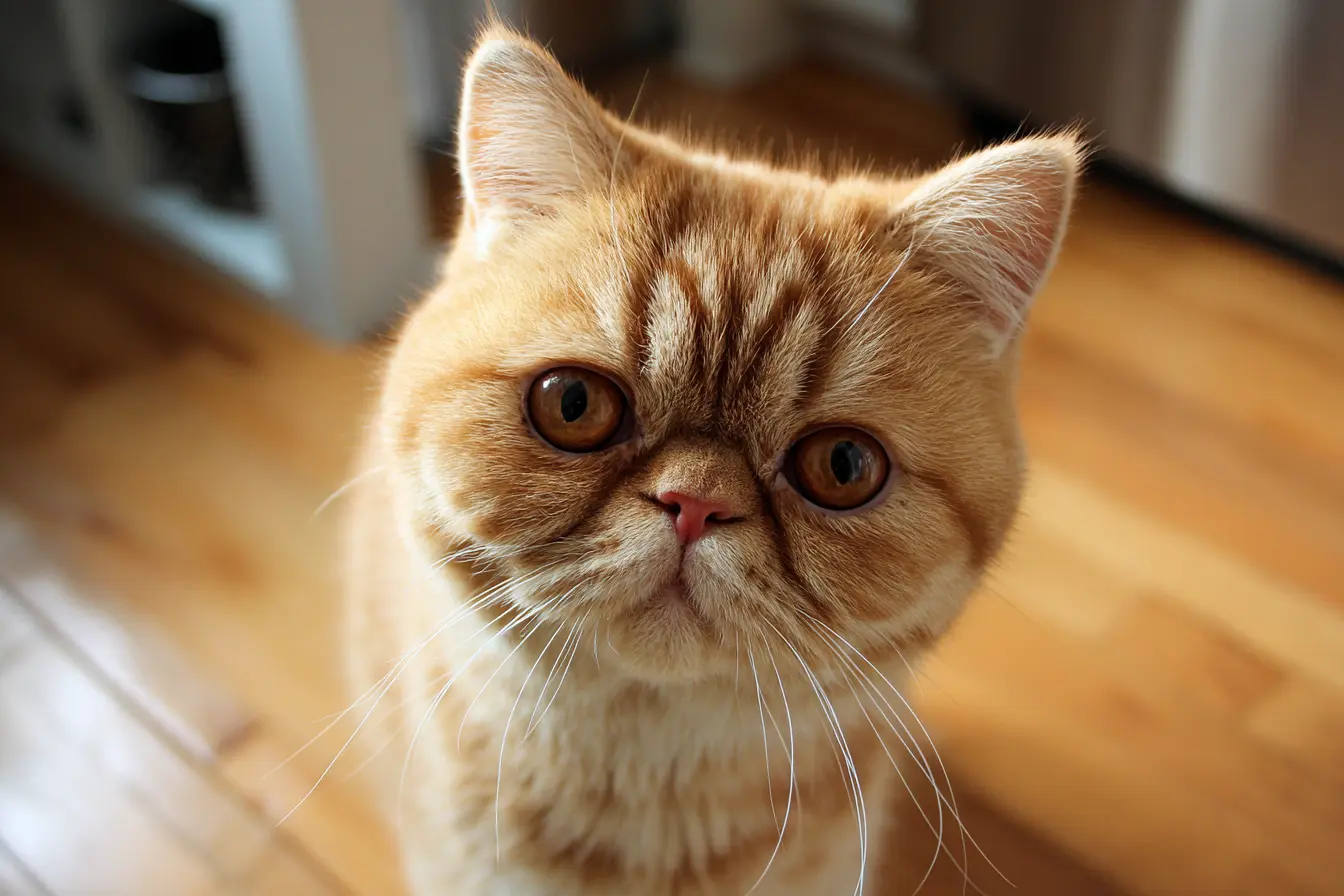
If you have an Exotic Shorthair cat or are thinking about getting one, understanding their health is key to keeping your furry friend happy. These adorable cats come with unique needs, and knowing the common health problems they face can help you spot issues early.
You want to give your Exotic Shorthair the best care, right? Keep reading to discover what health challenges you might encounter and how to handle them, so your cat stays healthy and comfortable for years to come.
Credit: worldanimalfoundation.org
Breed Characteristics
The breed characteristics of an Exotic Shorthair cat shape not only their appearance but also their health risks. Understanding these traits helps you care for your pet better and spot potential health problems early. Let’s dive into what makes this breed unique and what you should watch out for.
Physical Traits
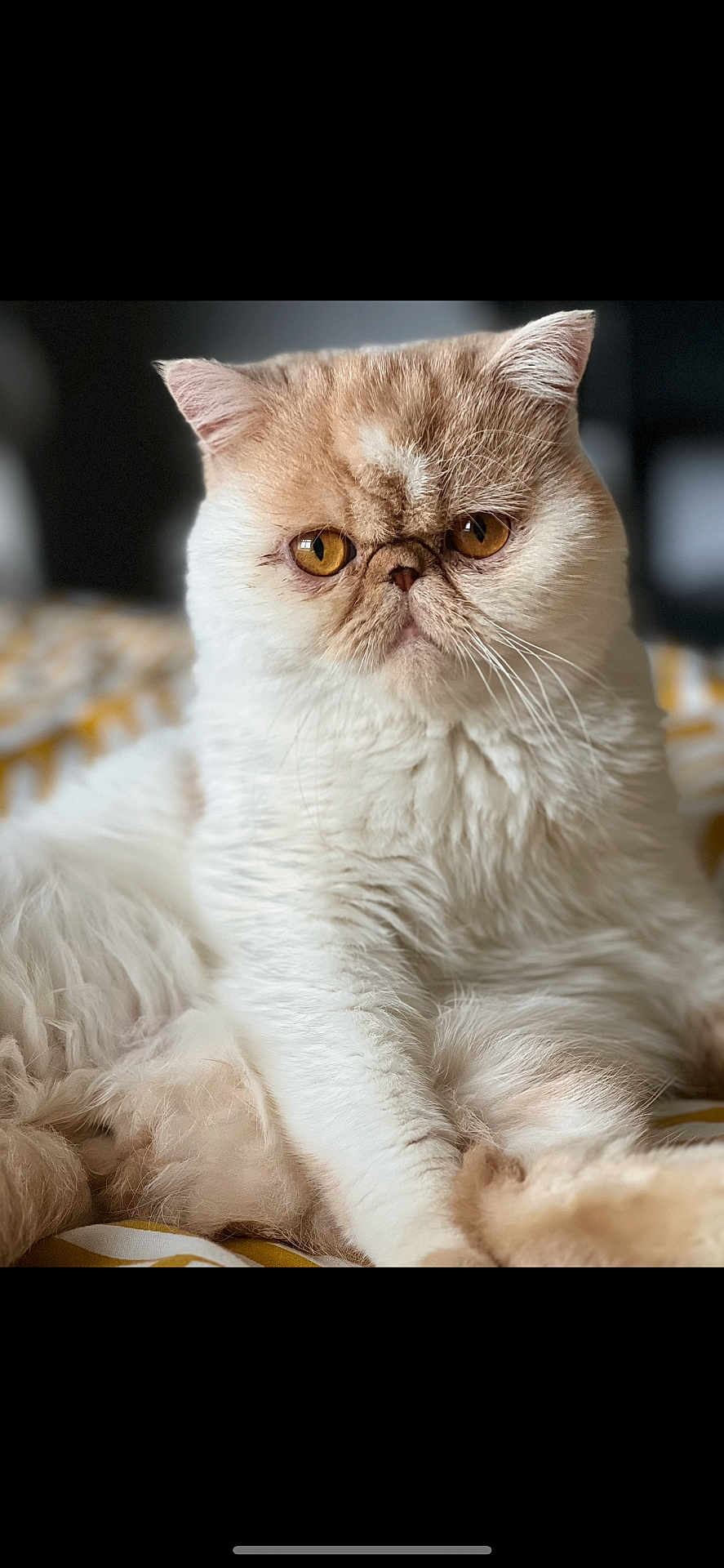
The Exotic Shorthair is known for its round face, flat nose, and large, expressive eyes. Their plush, dense coat is short but thick, requiring regular grooming to prevent matting. These physical traits can sometimes lead to breathing issues due to the flat nose, and eye problems caused by tear duct blockages.
If you notice your cat snoring loudly or having difficulty breathing, it might relate to their facial structure. Similarly, frequent eye discharge or redness could signal the need for a vet visit. Knowing these common issues helps you act quickly.
Temperament
Exotic Shorthairs are calm, affectionate, and playful. They enjoy spending time with their owners but aren’t overly demanding. This gentle temperament makes them great companions, but it also means they might hide discomfort or illness to avoid stress.
Have you observed your cat acting unusually quiet or withdrawn? Such subtle changes can be an early sign of health problems. Your close attention to their behavior is key to keeping them healthy.
Lifespan
On average, Exotic Shorthairs live between 12 and 15 years. This lifespan is typical for many domestic cats, but their breed-specific health issues can affect longevity. Regular veterinary check-ups and a healthy lifestyle can help your cat live a full, happy life.
Consider how you can improve your cat’s daily routine—are they getting enough exercise and a balanced diet? Small changes can make a big difference in preventing common diseases and boosting their lifespan.
Credit: www.kingpet.uk
Respiratory Issues
Respiratory issues are among the most common health challenges faced by Exotic Shorthair cats. Their unique facial structure makes them more prone to breathing difficulties compared to other breeds. Understanding these issues can help you recognize signs early and take steps to keep your feline friend comfortable and healthy.
Brachycephalic Airway Syndrome
Exotic Shorthairs have a flat, pushed-in face, a trait known as brachycephaly. This facial shape often leads to a condition called Brachycephalic Airway Syndrome (BAS). BAS narrows the airways, making it harder for your cat to breathe normally.
Because their nostrils are smaller and their soft palate is longer, air struggles to pass through easily. This can cause noisy breathing, snoring, and even episodes where your cat appears to be struggling for air. Owners of Exotic Shorthairs often notice their cats panting or coughing during play or hot weather.
Common Symptoms
- Noisy or labored breathing
- Frequent sneezing or coughing
- Difficulty eating or swallowing due to breathing effort
- Excessive panting, especially after mild activity
- Restlessness or distress during sleep
Have you ever wondered why your cat sounds like it’s snoring even when awake? This could be a sign of airway obstruction. Recognizing these symptoms early can prevent serious complications and improve your cat’s quality of life.
Preventive Measures
Keeping your Exotic Shorthair in a cool, calm environment helps reduce respiratory stress. Avoid exposing your cat to smoke, strong perfumes, or dusty areas, as these can irritate sensitive airways.
Regular vet check-ups are crucial. Your vet can monitor your cat’s breathing and recommend treatments if needed. Some cats may benefit from mild weight management, as excess weight worsens breathing problems.
If your cat shows persistent breathing issues, seek veterinary advice immediately. Sometimes, surgical options can improve airflow and reduce discomfort. Are you prepared to act quickly if your cat’s breathing changes suddenly?
Eye Conditions
Exotic Shorthair cats often face eye conditions due to their flat faces. These issues include excessive tearing and potential infections, requiring regular care and attention. Regular vet visits help manage these problems and ensure the cat’s comfort.
Exotic Shorthair cats are adored for their plush coats and round faces, but like all cat breeds, they have specific health concerns. One of the most common issues they face is related to their eyes. Their distinct facial structure, which gives them their charming appearance, can also lead to various eye conditions. Understanding these conditions can help you provide better care for your feline friend.Tear Duct Problems
Exotic Shorthairs often experience tear duct issues due to their flat faces. The structure can cause their tear ducts to become blocked or improperly aligned. This can lead to excessive tearing, resulting in noticeable tear stains on their fur. Regular cleaning around the eyes can help manage this, but in some cases, professional veterinary care might be necessary to prevent infections.Entropion And Other Disorders
Entropion is a condition where the eyelid rolls inward, causing irritation as the eyelashes rub against the eye surface. This can be painful and may lead to more serious problems if not addressed. Exotic Shorthairs can also suffer from other disorders like conjunctivitis, which causes redness and swelling. Keeping a close watch on your cat’s eyes for any signs of discomfort or changes is crucial.Treatment Options
Addressing eye conditions in Exotic Shorthairs often involves a combination of home care and professional veterinary assistance. For minor issues, you can use a damp, soft cloth to gently clean around their eyes daily. For more persistent or severe problems, your vet might suggest medications or even surgery. Always consult your vet if you notice any unusual symptoms to ensure your cat remains healthy and comfortable. Taking proactive steps in monitoring and caring for your cat’s eye health can make a significant difference. Have you noticed any of these issues in your Exotic Shorthair? What steps are you taking to ensure their eye health? Engage with your vet and fellow cat owners to share experiences and solutions.Skin And Coat Concerns
Exotic Shorthair cats have thick, plush coats that require special care. Their dense fur can hide skin problems until they become serious. Owners must watch closely for signs of skin and coat issues.
Common skin concerns include allergies and fungal infections. Both can cause itching, redness, and discomfort. Early detection helps prevent worsening conditions. Regular grooming also supports a healthy coat and skin.
Allergies
Exotic Shorthairs can develop allergies to food, pollen, or dust. Symptoms include scratching, redness, and hair loss. Allergies may cause flaky or oily skin. Vet visits are important to identify the allergen. Treatment often involves special diets or medications.
Fungal Infections
Fungal infections like ringworm affect this breed more often than others. These infections cause circular bald patches and scaly skin. Fungal spores spread easily between pets and humans. Prompt diagnosis and treatment prevent spread. Antifungal creams or oral medicine are common treatments.
Grooming Tips
- Brush the coat at least twice a week to remove loose fur.
- Check skin for redness, bumps, or bald spots during grooming.
- Use mild cat shampoos to avoid drying out the skin.
- Trim nails to prevent scratching injuries that worsen skin issues.
- Regular vet checkups help spot skin problems early.
Dental Health
Dental health is a vital part of an Exotic Shorthair cat’s overall well-being. Poor dental care can lead to pain and infections. These issues affect their eating habits and energy. Regular attention to their teeth helps maintain good health and comfort.
Common Dental Issues
- Gingivitis: inflammation of gums causing redness and swelling
- Periodontal disease: damage to tissues supporting teeth
- Tartar buildup: hard deposits that form on teeth
- Tooth resorption: teeth breaking down and disappearing
- Bad breath: often a sign of underlying dental problems
Signs Of Dental Problems
- Drooling more than usual
- Difficulty eating or chewing
- Swollen or bleeding gums
- Loose or missing teeth
- Changes in behavior or mood
Care Practices
- Brush your cat’s teeth regularly with pet-safe toothpaste
- Provide dental treats and toys for natural cleaning
- Schedule regular vet check-ups to monitor dental health
- Watch for early signs to catch problems early
- Keep your cat’s mouth clean and healthy
Credit: felinefancy.co.uk
Joint And Bone Health
Joint and bone health is crucial for Exotic Shorthair cats. These cats may face challenges that affect their movement and comfort. Early attention to joint issues helps maintain their quality of life. Understanding common problems supports better care and prevention.
Hip Dysplasia
Hip dysplasia is a condition where the hip joint forms incorrectly. It causes pain and stiffness in cats. This issue can lead to difficulty walking or jumping. Breeding practices can increase the risk of hip dysplasia. Regular vet check-ups help detect this problem early.
Arthritis Risks
Arthritis affects many older Exotic Shorthair cats. It causes inflammation and pain in the joints. This condition limits mobility and reduces activity levels. Cats with arthritis may show signs of limping or reluctance to move. Maintaining a healthy weight lowers arthritis risks.
Management Strategies
- Provide a balanced diet with joint-supporting nutrients
- Encourage gentle exercise to keep joints flexible
- Use soft bedding to reduce joint pressure
- Schedule regular veterinary visits for early detection
- Consider supplements recommended by your vet
Diet And Nutrition
Proper diet and nutrition play a vital role in keeping an Exotic Shorthair cat healthy. These cats need balanced food to support their unique body and health needs. Understanding their diet helps prevent common health issues and keeps them energetic and happy.
Nutritional Needs
Exotic Shorthairs require food rich in protein to maintain muscle strength. They benefit from moderate fat levels for energy and healthy skin. Omega-3 and Omega-6 fatty acids support their coat and reduce inflammation. Vitamins and minerals like taurine, calcium, and phosphorus are essential for overall health. Fresh water must always be available to avoid dehydration.
Food Sensitivities
Some Exotic Shorthairs can develop allergies or sensitivities to certain foods. Common triggers include grains, dairy, and certain proteins like fish or beef. Signs of sensitivities include itching, digestive upset, or ear infections. Feeding hypoallergenic or limited ingredient diets can help manage these issues. Monitor your cat’s reactions after introducing new foods.
Weight Management
Exotic Shorthairs are prone to gaining weight if overfed or inactive. Obesity can cause joint problems and diabetes. Measure food portions and avoid too many treats. Encourage play and exercise daily to keep weight in check. Regular vet check-ups can catch weight issues early for a healthier life.
Regular Vet Care
Regular vet care is vital for keeping Exotic Shorthair cats healthy. These cats have unique needs and may face specific health issues. Routine visits help catch problems early and keep vaccinations up to date.
Recommended Checkups
Schedule vet visits at least once a year for adult cats. Kittens need more frequent exams during their first year. During checkups, vets assess weight, teeth, eyes, and coat condition. They also check for breathing problems common in Exotic Shorthairs.
Vaccinations
Vaccinations protect cats from dangerous diseases. Core vaccines include those for feline distemper, herpesvirus, and calicivirus. Your vet will suggest a vaccination plan based on your cat’s age and lifestyle. Keep a record of all vaccines to ensure timely boosters.
Early Detection
Early detection of illnesses improves treatment success. Regular vet visits help spot signs of common problems like respiratory issues and kidney disease. Your vet can recommend tests to monitor your cat’s health. Acting fast can prevent serious complications.
Lifestyle And Environment
Exotic Shorthair cats thrive in a calm, clean, and safe environment. Their health depends greatly on their daily lifestyle and surroundings. A peaceful home helps prevent common health problems. Keeping stress low and providing exercise supports their well-being. These cats need a balanced space that meets their physical and emotional needs.
Safe Living Spaces
Exotic Shorthairs need a secure home free from hazards. Remove sharp objects and toxic plants. Provide cozy spots for rest and hiding. Use soft bedding to protect their joints. Keep windows and balconies closed or screened. This prevents falls or escapes. A stable environment reduces injury risks and illness.
Stress Reduction
These cats feel stress easily in noisy or chaotic areas. Loud sounds and sudden changes can upset them. Create quiet zones away from loud appliances or crowds. Offer toys and scratching posts for mental stimulation. Regular routines help them feel safe and calm. A stress-free cat has a stronger immune system.
Exercise Importance
Exercise keeps Exotic Shorthairs healthy and prevents obesity. They enjoy interactive play with feather wands or balls. Short play sessions several times daily work best. Climbing trees and tunnels also boost activity. Exercise improves muscle tone and heart health. Active cats sleep better and stay happier.
Frequently Asked Questions
What Are Common Respiratory Issues In Exotic Shorthair Cats?
Exotic Shorthair cats often face respiratory problems due to their flat faces. Brachycephalic airway syndrome can cause breathing difficulties. Regular vet checkups help detect and manage these issues early. Keeping their environment clean reduces respiratory infections.
How Prone Are Exotic Shorthair Cats To Kidney Disease?
Exotic Shorthairs have a higher risk of polycystic kidney disease (PKD). This genetic condition causes cysts in kidneys, affecting function. Early screening and regular vet visits are essential. A balanced diet supports kidney health and overall wellbeing.
What Skin Problems Affect Exotic Shorthair Cats?
Exotic Shorthairs may suffer from skin allergies and fungal infections. Their dense coat requires regular grooming to prevent mats and skin issues. Watch for redness, itching, or hair loss, and consult a vet promptly for treatment.
Do Exotic Shorthair Cats Have Dental Health Concerns?
Yes, their facial structure can lead to dental overcrowding and periodontal disease. Regular dental checkups and cleanings are crucial. Brushing their teeth at home helps prevent plaque buildup and maintains oral health.
Conclusion
Exotic Shorthair cats can face health issues like breathing trouble and eye problems. Regular vet visits help catch problems early. Keep their living space clean and provide a good diet. Watch for signs of discomfort or illness every day. Early care improves their quality of life a lot.
Loving attention and proper care keep them happy and healthy. Knowing common health problems helps you care better for your cat. Small efforts make a big difference in your cat’s well-being.

Leave a Reply