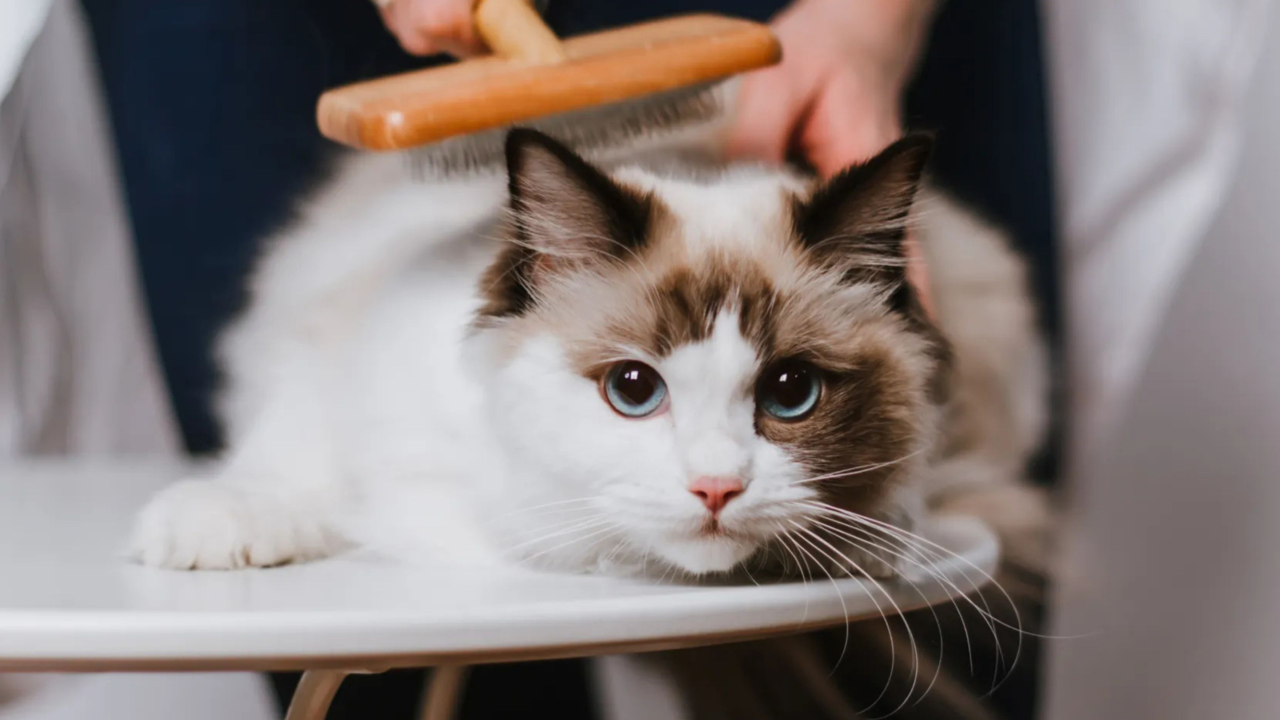
Grooming your Ragdoll cat at home doesn’t have to be a chore. With the right steps, you can keep your fluffy friend looking beautiful and feeling comfortable every day.
Imagine how much your cat will enjoy the gentle brushing and the extra attention from you. In this guide, you’ll discover simple tips and tricks to make grooming easy and stress-free for both you and your Ragdoll. Ready to become your cat’s favorite groomer?
Let’s get started!
Credit: www.burgesspetcare.com
Ragdoll Cat Grooming Basics
Grooming a Ragdoll cat is simple with the right knowledge. Understanding the basics helps keep your cat healthy and happy. Ragdolls have unique fur that needs gentle care. Regular grooming prevents mats and reduces shedding. Knowing what tools to use makes the process smooth. Let’s explore the essentials of Ragdoll cat grooming.
Fur Characteristics
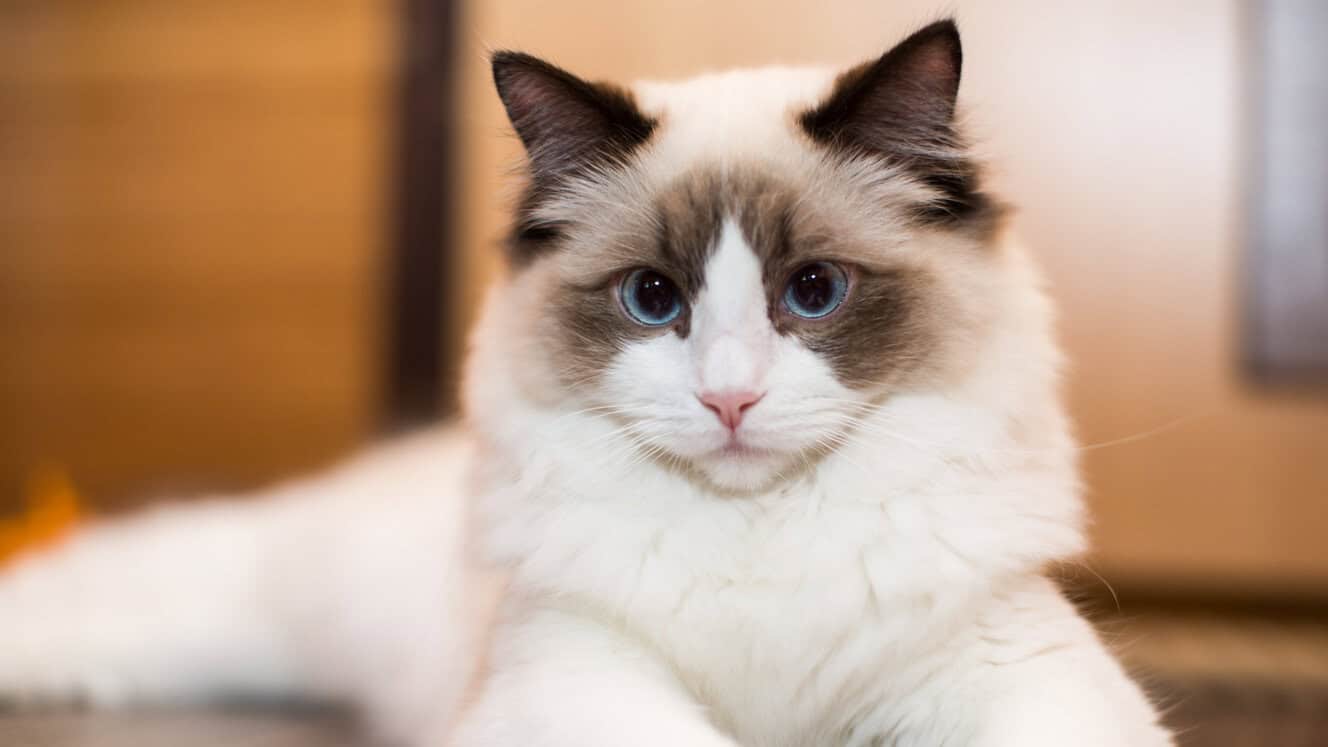
Ragdoll cats have soft, silky fur that lies flat. Their coat is semi-long and does not mat easily. The fur is dense but lightweight. It feels smooth to the touch. Ragdolls shed moderately throughout the year. Their fur resists tangling compared to other long-haired cats. This makes grooming easier but still important.
Grooming Frequency
Brushing your Ragdoll two to three times a week is ideal. This frequency helps remove loose hair and dirt. More frequent brushing may be needed during heavy shedding seasons. Regular grooming keeps the coat shiny and healthy. It also helps you check for skin issues or pests. A calm, consistent routine helps your cat enjoy grooming time.
Essential Tools
- Wide-toothed comb: For detangling and gentle brushing.
- Slicker brush: Removes loose fur and prevents mats.
- Soft bristle brush: Adds shine and smooths the coat.
- Cat nail clippers: Keeps nails trimmed and safe.
- Pet-friendly wipes: Cleans fur between baths.
Using these tools carefully protects your cat’s delicate fur. Choose quality tools made for cats. Keep grooming sessions short and positive.

Credit: www.freepik.com
Preparing For Grooming
Preparing your Ragdoll cat for grooming is a key part of making the experience smooth and stress-free. How you set the stage can influence your cat’s mood and cooperation. Taking time to prepare properly helps both you and your furry friend enjoy the process more.
Creating A Calm Environment
Choose a quiet room where your cat feels safe and comfortable. Avoid loud noises or sudden movements that might startle your Ragdoll. Soft lighting and a familiar blanket or bed can add to the calm atmosphere.
Try playing gentle music or using a pheromone diffuser to reduce anxiety. Have you noticed how your cat reacts when the environment is too busy? Adjusting these small details can make a big difference in their behavior during grooming.
Gathering Supplies
Before you start, collect all the grooming tools you’ll need to avoid interruptions. This includes a wide-toothed comb, a slicker brush, nail clippers, and some treats for positive reinforcement.
Keep everything within arm’s reach so you don’t have to leave your cat unattended. Having a small towel handy can help if your cat gets a bit restless. What tools does your cat respond to best during grooming?
Checking Your Cat’s Health
Look over your cat’s skin and coat carefully before grooming. Check for any signs of irritation, lumps, or parasites like fleas or ticks. Noticing these early can prevent bigger health problems down the road.
Also, observe your cat’s eyes, ears, and teeth for cleanliness and signs of infection. If you find anything unusual, consider consulting your vet before proceeding. How often do you check your cat’s health during grooming sessions?
Brushing Techniques
Gentle brushing removes loose fur and prevents mats in your Ragdoll cat’s coat. Use a soft brush and stroke in the direction of hair growth. Regular grooming keeps their fur smooth and healthy.
Grooming your Ragdoll cat at home can be a rewarding experience, enhancing your bond while maintaining their beautiful coat. Brushing is an essential part of grooming, and mastering the right techniques will ensure your cat remains comfortable and tangle-free. Let’s dive into some effective brushing techniques to keep your Ragdoll looking their best.Choosing The Right Brush
Selecting the right brush is crucial for effective grooming. For Ragdolls, a slicker brush is often recommended as it helps remove loose fur and prevents matting. You might also consider a wide-toothed comb for stubborn tangles. Experiment with different brushes to see which one your cat prefers. This can make grooming sessions more pleasant for both of you.Brushing Directions
Knowing the right direction to brush can make all the difference. Start by brushing in the direction of hair growth. This gentle approach minimizes discomfort and reduces the risk of pulling. You can then follow with a few strokes against the grain to lift dead hair and fluff the coat. Pay attention to your cat’s body language. If they seem uneasy, adjust your technique.Handling Mats And Tangles
Mats and tangles are common in Ragdolls due to their long fur. When you encounter a mat, don’t panic. Gently work it out with your fingers or use a mat-splitting tool. Avoid pulling too hard, as this can hurt your cat and make them wary of grooming. Regular brushing reduces the likelihood of mats forming. But what if you find a stubborn tangle? Try applying a bit of cat-safe detangling spray to ease the process. Remember, grooming is not just about maintaining appearance. It’s also an opportunity to check your cat’s skin health and bond with them. How can you make grooming a positive experience for your Ragdoll?Bathing Your Ragdoll
Bathing your Ragdoll cat can keep its coat clean and soft. Regular baths help remove dirt and loose fur. It also reduces shedding and prevents hairballs. Bath time can be a calm bonding moment for you and your pet.
When To Bathe
Ragdolls usually do not need frequent baths. Bathe your cat if it gets very dirty or smelly. Also, bathe after flea treatment or skin issues. Avoid bathing too often to protect natural oils.
Step-by-step Bathing Guide
- Prepare warm water, around 85°F (29°C).
- Use a mild cat shampoo made for sensitive skin.
- Brush your cat gently before the bath to remove tangles.
- Place a non-slip mat in the sink or tub.
- Wet your cat slowly, avoiding the face and ears.
- Apply shampoo and massage gently into the fur.
- Rinse thoroughly with warm water until no soap remains.
- Use a washcloth to clean the face carefully.
- Keep calm and speak softly to reassure your cat.
Drying Tips
Wrap your cat in a soft towel to absorb water. Gently pat rather than rub the fur. Use a low heat setting on a hairdryer if your cat allows. Keep the dryer moving and hold it far from the skin.
Let your cat dry in a warm, draft-free room. Brush the fur once it is mostly dry to prevent mats. Keep your pet calm and reward it with treats after drying.
Nail And Ear Care
Taking care of your Ragdoll cat’s nails and ears is essential for their overall health and comfort. Neglecting these areas can lead to discomfort, infections, or even behavioral issues. With a gentle approach and the right tools, you can make nail trimming and ear cleaning a stress-free routine for both you and your furry friend.
Trimming Nails Safely
Start by choosing a quiet spot where your cat feels relaxed. Use a sharp, small pet nail clipper designed specifically for cats to avoid crushing the nails.
Look closely at each nail. You’ll see a pink area called the quick—avoid cutting into it to prevent pain and bleeding. If your Ragdoll has light-colored nails, the quick is easier to spot, but with darker nails, trim small bits at a time.
Hold your cat’s paw gently but firmly. If your cat resists, try trimming just one or two nails at a time to build trust. Reward your cat with a treat or gentle petting to create a positive connection with grooming.
Cleaning Ears Properly
Check your cat’s ears weekly for dirt, wax buildup, or unusual odor. Healthy ears should look clean and pink inside, without redness or swelling.
Use a damp cotton ball or a soft cloth moistened with a vet-approved ear cleaner. Never insert cotton swabs deep into the ear canal as this can cause damage.
Gently wipe the visible parts of the ear, removing any dirt or wax. If your cat’s ears look inflamed or your cat scratches them often, consult your vet before cleaning further.
Maintaining Coat Health
Maintaining your Ragdoll cat’s coat health is essential for keeping their fur soft, shiny, and tangle-free. A healthy coat reflects your cat’s overall well-being and can prevent common skin problems. You can take simple, consistent steps at home to support your cat’s beautiful coat.
Diet And Hydration
Your cat’s diet plays a huge role in the condition of their coat. High-quality cat food rich in omega-3 and omega-6 fatty acids helps keep the fur glossy and skin moisturized. Have you noticed how your cat’s fur looks dull after eating low-quality food? That’s a clear sign to upgrade their meals.
Fresh water is just as important. Dehydration can cause dry skin and flaky fur, making grooming harder. Make sure your Ragdoll always has access to clean water, and consider adding wet food to their diet for extra hydration.
Dealing With Shedding
Ragdolls shed year-round, but the amount can increase with seasonal changes. Regular brushing helps remove loose hair before it falls around your home and reduces hairballs. Use a wide-toothed comb or a slicker brush designed for long-haired cats to gently detangle without hurting them.
Have you tried scheduling grooming sessions as bonding time? Your cat may actually look forward to the brushing, making shedding easier to manage. Remember, patience and gentleness make all the difference.
Regular Vet Checkups
Sometimes, poor coat health signals underlying health issues. Regular vet visits can catch problems like allergies, parasites, or hormonal imbalances early. Your vet can also recommend supplements or special treatments tailored to your Ragdoll’s needs.
Think about your last vet visit—did the vet check your cat’s skin and coat? If not, ask them to include it next time. Staying proactive can save you from unexpected grooming challenges later on.

Credit: www.kittenaroundragdolls.com
Frequently Asked Questions
How Often Should I Groom My Ragdoll Cat?
You should groom your Ragdoll cat at least twice a week. Regular brushing prevents mats and reduces shedding. More frequent grooming helps during heavy shedding seasons. Consistency keeps their coat healthy and shiny.
What Tools Are Best For Grooming A Ragdoll Cat?
Use a slicker brush and a wide-toothed comb. These tools gently remove loose hair and prevent tangles. Avoid harsh brushes to protect their soft fur. A grooming glove can also help with shedding control.
Can I Bathe My Ragdoll Cat At Home?
Yes, but only when necessary. Use a mild cat shampoo and lukewarm water. Ragdolls don’t need frequent baths; overbathing can dry their skin. Always dry them thoroughly to avoid chills.
How Do I Trim My Ragdoll Cat’s Nails Safely?
Use a cat-specific nail clipper and trim the tips carefully. Avoid cutting the quick, which causes pain and bleeding. Regular nail trims prevent scratching damage and keep your cat comfortable.
Conclusion
Grooming your Ragdoll cat at home keeps it healthy and happy. Regular brushing stops mats and reduces shedding. Use gentle tools and speak softly to calm your cat. Check ears and trim nails carefully each time. Small steps make grooming easy and safe for both.
Enjoy these moments to bond and care for your pet. A clean, well-groomed cat feels comfortable and loved every day. Keep a routine, and grooming will become a simple habit. Your Ragdoll deserves this gentle care and attention.


Leave a Reply