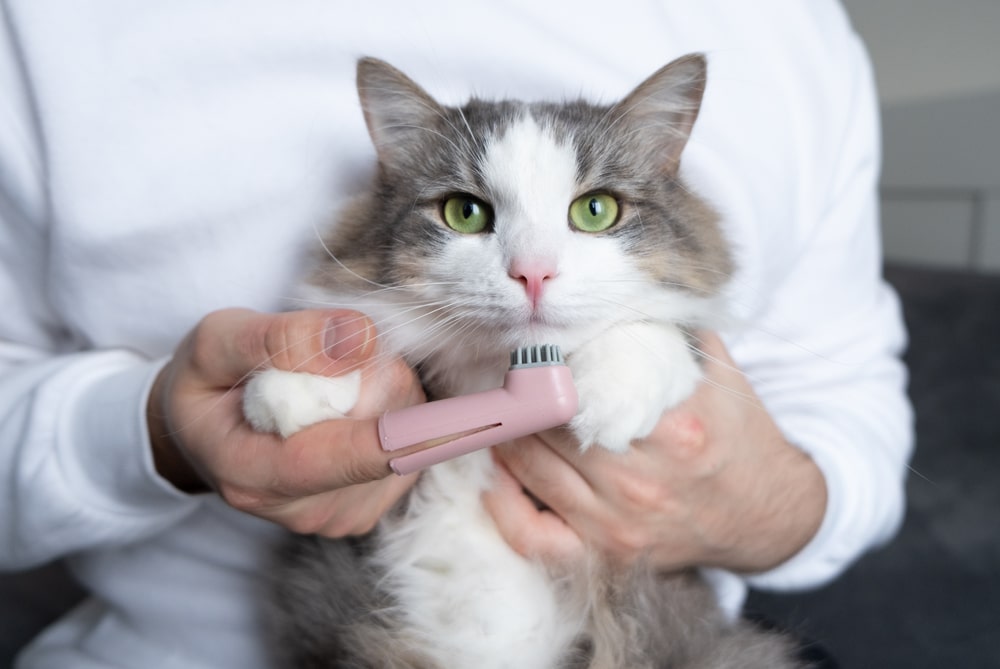
Have you ever wondered if grooming your cat is really necessary? You might think cats take care of themselves, but there’s more to it than just a quick lick.
Grooming your cat can improve their health, keep their fur shiny, and even strengthen the bond between you two. But how do you know when and how to groom your furry friend? Keep reading to discover the surprising benefits of cat grooming and simple tips that can make a big difference for your pet’s happiness and well-being.
)
Credit: www.northroadvet.com.au
Benefits Of Grooming Cats
Grooming your cat offers more than just a clean and shiny coat. It plays a key role in maintaining their overall health and happiness. Regular grooming helps you catch issues early and deepens the connection you share with your feline friend.
Improving Coat Health
Brushing your cat removes dirt, debris, and loose fur, which keeps their coat smooth and healthy. It also helps distribute natural oils evenly, preventing dry skin and dullness. When you groom often, you reduce the risk of mats and tangles that can cause discomfort or skin problems.
Reducing Shedding And Hairballs
Shedding can feel overwhelming, especially during seasonal changes. Grooming regularly takes off loose fur before your cat swallows it while grooming themselves. This simple routine can drastically cut down on hairballs and the mess of fur around your home.
Enhancing Bonding With Your Cat
Grooming time becomes a quiet moment you share, which many cats find comforting. It’s a chance to observe your cat’s body language and health closely. Have you noticed how your cat relaxes during a gentle brush? This shared activity builds trust and strengthens your relationship.
Signs Your Cat Needs Grooming
Knowing when your cat needs grooming can save you from dealing with bigger problems down the line. Cats are generally good at cleaning themselves, but sometimes they need a little help. Paying attention to specific signs can make your grooming routine more effective and less stressful for both of you.
Matted Fur And Tangles
Have you ever noticed clumps of fur that just won’t lay flat? Matted fur happens when your cat’s hair gets tangled and knotted, which can be painful and trap dirt or moisture. This is especially common in long-haired breeds or older cats that may not groom as well.
Regular brushing helps prevent mats, but if you spot stubborn tangles, it’s time to step in. Ignoring mats can lead to skin infections and discomfort, so don’t wait until your cat starts avoiding touch.
Excessive Scratching
Does your cat scratch more than usual? Scratching can be a clear sign that grooming is needed. It might indicate fleas, dry skin, or irritation caused by dirty or tangled fur.
When you see your cat scratching or biting itself often, check for any signs of redness, bumps, or scabs. This behavior tells you that your cat’s skin isn’t happy, and grooming can help soothe and clean the area.
Unpleasant Odors
Have you caught an unusual smell coming from your cat? A clean cat rarely smells bad. Odors can come from dirt buildup, oily fur, or even infections that need attention.
If your cat smells unpleasant, it’s a strong signal that grooming is overdue. Bathing or spot-cleaning might be necessary, along with a check for any underlying health problems. Your nose knows when something isn’t right!
Types Of Grooming Tools
Grooming a cat involves using the right tools. Proper grooming ensures a healthy coat and reduces shedding. Knowing the types of grooming tools can make the process easier.
Brushes And Combs
Brushes and combs help maintain your cat’s fur. They remove tangles and dirt. There are different types for various fur lengths. Slicker brushes work well for long-haired cats. Bristle brushes suit short-haired breeds. A metal comb can help with stubborn knots.
Nail Clippers
Keeping a cat’s nails trimmed prevents scratches. Use nail clippers designed for pets. They are safer and more effective. Regular trimming reduces the risk of overgrown nails. It also protects your furniture from damage.
Ear And Eye Care Supplies
Cats need clean ears and eyes to stay healthy. Use cotton balls and ear cleaning solutions for ear hygiene. Wipe away any discharge from eyes with a damp cloth. This prevents infections and keeps your cat comfortable.

Credit: www.purina.com
Step-by-step Grooming Guide
Grooming your cat is more than just a way to keep them looking good—it’s essential for their health and comfort. A calm and consistent grooming routine can strengthen the bond you share and help you catch any potential health issues early. Ready to make grooming a positive experience for both you and your feline friend? Here’s a clear, easy-to-follow guide to get started.
Brushing Techniques
Choose a brush suited to your cat’s fur type—slicker brushes work well for long hair, while rubber brushes fit short-haired cats better. Start brushing gently from the head, moving toward the tail, following the direction of hair growth. Keep sessions short at first and reward your cat with treats to build a positive association.
Pay attention to areas where mats form easily, like behind the ears and under the legs. Use slow, careful strokes to avoid pulling on the fur, which can hurt your cat. If you notice any skin redness or irritation, pause and check if your cat needs a break or a vet visit.
Nail Trimming Tips
Keep a pair of sharp, cat-specific nail clippers nearby and choose a quiet space where your cat feels safe. Hold your cat’s paw firmly but gently, and press the pad to extend the nails. Focus on trimming only the sharp tips, avoiding the pink area called the quick, which can bleed if cut.
If you’re unsure where the quick ends, trim just a small bit at a time. Use styptic powder or cornstarch on hand to stop bleeding if you accidentally cut too much. Regular trimming every two to three weeks can prevent overgrown nails from causing discomfort or damage around your home.
Cleaning Ears And Eyes Safely
Check your cat’s ears weekly for wax buildup, dirt, or unusual odors. Use a soft, damp cloth or a cotton ball moistened with a vet-approved ear cleaner to wipe the outer ear gently—never insert anything deep into the ear canal. Cleaning too aggressively can lead to irritation or injury.
For the eyes, wipe away discharge with a separate clean cloth or cotton ball dampened with warm water. Avoid using any harsh chemicals near the eyes, and if you notice persistent redness, swelling, or discharge, schedule a vet visit. Keeping these areas clean helps prevent infections and keeps your cat comfortable.
Grooming Frequency For Different Cats
Understanding how often to groom your cat depends a lot on their coat type and health. Different cats need different care routines to stay comfortable and healthy. Let’s look at how often you should groom various kinds of cats so you can keep your feline friend happy and clean.
Short-haired Cats
Short-haired cats usually don’t need much grooming. Brushing them once a week can remove loose fur and reduce hairballs. This simple routine also helps you check for fleas or skin issues early.
If your short-haired cat sheds a lot during seasonal changes, you might want to brush more often. You’ll notice less fur around the house and a shinier coat. Have you tried grooming your short-haired cat while watching TV? It can be a relaxing bonding time for both of you.
Long-haired Cats
Long-haired cats require more attention. Their coats can tangle and mat quickly without regular brushing. Aim for daily grooming to keep their fur smooth and free of knots.
Skipping grooming even for a few days can lead to painful mats. These mats trap dirt and moisture, potentially causing skin infections. If daily brushing feels overwhelming, break it into short sessions throughout the day. What tricks can you use to make grooming enjoyable for your long-haired cat?
Senior And Special Needs Cats
Older cats and those with health issues may struggle to groom themselves properly. Their fur might become greasy or matted if left unattended. You should check them more often and groom as needed, which could mean several times a week or even daily.
Be gentle and patient, as their skin can be more sensitive. Use soft brushes and keep sessions short to avoid stressing your pet. Have you noticed changes in your senior cat’s grooming habits? Adjusting your routine can greatly improve their comfort and wellbeing.

Credit: www.angiesmobilepetstyling.com
Handling Grooming Challenges
Grooming a cat can be tricky. Cats may not like being touched or brushed. Some cats get scared or act aggressively. Handling these challenges with care helps keep grooming safe and smooth. Patience and gentle techniques make a big difference.
Dealing With Fearful Cats
Fearful cats hide, freeze, or try to run away. Speak softly and move slowly. Let the cat smell the brush first. Start with short grooming sessions. Offer treats to build trust. Use a calm, quiet room. Avoid forcing the cat to stay.
Managing Aggressive Behavior
Aggressive cats may scratch or bite. Watch for warning signs like growling or tail flicks. Use gentle restraint with a towel if needed. Take breaks to avoid stress. Use grooming tools designed for sensitive cats. Keep nails trimmed to reduce injury risk.
When To Seek Professional Help
Some cats resist grooming too much. Professional groomers or vets have experience with difficult cats. They can safely handle aggressive or fearful pets. Seek help if grooming causes harm or severe stress. Professionals can also advise on special grooming needs.
Diet And Grooming Connection
Diet plays a big role in a cat’s grooming and overall coat health. A well-balanced diet can make a cat’s fur shiny and soft. Poor nutrition can cause dry, dull fur and skin problems. Feeding the right foods helps keep the skin healthy, which supports natural grooming.
Nutrition’s Role In Coat Health
Good nutrition provides essential nutrients for healthy skin and fur. Proteins supply amino acids needed for hair growth. Omega-3 and omega-6 fatty acids help reduce inflammation and keep the coat shiny. Vitamins like A, E, and biotin strengthen hair follicles and skin cells. Feeding high-quality food improves your cat’s natural ability to groom and maintain its coat.
Supplements For Skin And Fur
Sometimes, food alone does not supply enough nutrients. Supplements can help fill the gaps. Fish oil capsules provide extra omega-3 fatty acids. Biotin supports healthy hair and skin regeneration. Zinc supplements improve skin healing and reduce dryness. Always check with a vet before adding supplements to your cat’s diet.
Hydration And Grooming
Water is key to healthy skin and fur. Dehydration causes dry, flaky skin and a dull coat. Cats often drink less water, especially on dry food diets. Encourage water intake with fresh bowls or pet fountains. Proper hydration helps the skin stay elastic and supports the grooming process naturally.
Frequently Asked Questions
Should You Groom A Cat Regularly?
Yes, regular grooming helps keep your cat’s coat clean and healthy. It reduces shedding and prevents matting. Grooming also promotes bonding and allows early detection of skin issues or parasites.
How Often Should You Groom A Cat?
Grooming frequency depends on your cat’s coat type. Long-haired cats need daily brushing. Short-haired cats benefit from weekly grooming. Adjust frequency based on shedding and activity levels.
What Are The Benefits Of Grooming Cats?
Grooming improves coat health, reduces hairballs, and minimizes shedding. It helps spot skin problems early. Grooming also strengthens the bond between you and your cat.
Can Grooming Prevent Cat Hairballs?
Yes, regular grooming removes loose fur before your cat ingests it. This reduces hairball formation and related digestive issues. Brushing is especially important for long-haired cats.
Conclusion
Grooming a cat keeps its coat clean and healthy. It helps reduce hairballs and shedding. Cats often enjoy gentle brushing and feel calmer. Regular grooming also lets you check for skin problems. It can strengthen the bond between you and your pet.
Not all cats need the same care, so watch your cat’s needs. Simple grooming can make your cat happier and healthier. Give it a try and see the difference.



Leave a Reply