Are you passionate about cats and want to turn that love into a rewarding activity? Becoming a registered cat breeder in Canada is a step that can open doors to a world of opportunities.
But it’s not just about loving cats—you need to know the rules, the process, and how to do it right. This guide will walk you through everything you need to become an official breeder, so you can start breeding healthy, happy cats that others will admire.
Keep reading to discover exactly what it takes to make your dream a reality.
Legal Requirements
Becoming a registered cat breeder in Canada requires following specific legal rules. These laws protect the cats and ensure breeders meet high standards. Understanding the legal requirements helps you operate smoothly and avoid penalties. Three main areas to focus on include licensing, animal welfare, and zoning regulations.
Licensing And Permits
Most provinces require cat breeders to have a business license. This license shows you operate legally. You must apply through your local government office. Some areas ask for a special breeder permit. This permit confirms you meet breeding standards. Renew licenses regularly to stay compliant. Keep all documents ready for inspection.
Animal Welfare Laws
Canada has strict laws to protect animals. Breeders must provide proper food, water, and shelter for cats. Regular health checks are necessary to prevent disease. Avoid overcrowding to reduce stress on animals. Follow guidelines for humane treatment and care. Violating these rules can lead to fines or shutdown.
Zoning Regulations
Zoning laws control where breeders can operate. Check your local zoning rules before starting. Some areas prohibit breeding businesses in residential zones. Commercial zones often allow breeding with certain restrictions. Ensure your property fits zoning requirements. This avoids legal problems with neighbors or authorities.
Credit: www.goddesscats.us
Choosing A Cat Breed
Choosing the right cat breed is a crucial step if you want to become a registered cat breeder in Canada. The breed you select will shape your breeding program, influence your reputation, and affect your success in the market. Think about what fits your lifestyle, your knowledge, and what potential buyers in your area are looking for.
Popular Breeds In Canada
Canada has a rich variety of popular cat breeds that appeal to different types of cat lovers. Some of the most sought-after breeds include:
- Ragdoll– Known for their calm and friendly nature.
- Scottish Fold– Recognized by their unique folded ears.
- Maine Coon– Large and sociable cats with thick fur.
- Sphynx– Hairless cats that attract attention for their unique look.
Choosing a breed that is popular in your region can make it easier to find buyers and build a community around your breeding efforts.
Breed Characteristics
Understanding the personality and care needs of each breed is essential. Some breeds require more grooming, while others are more active or social.
- Temperament:Do you prefer a laid-back cat or an energetic one?
- Health:Are you ready to manage breed-specific health issues?
- Care:How much time can you dedicate to grooming and training?
For example, Ragdolls are gentle and easygoing, making them great for families, while Maine Coons need more space and interaction. Reflect on what aligns best with your abilities and environment.
Market Demand
Knowing which breeds are in demand can boost your chances of success as a breeder. Some breeds sell faster and can command higher prices.
Research local trends, check online forums, and talk to other breeders to get a sense of what buyers want. For instance, if the Sphynx breed is gaining popularity in your area, focusing on this breed might give you an edge.
Ask yourself: Are you prepared to meet this demand consistently and responsibly? Your answer will guide your breed choice and business planning.
Setting Up Your Breeding Space
Creating the right breeding space is crucial for the health and happiness of your cats. It’s not just about space; it’s about crafting an environment that supports growth, comfort, and safety. The way you set up your area influences your cats’ well-being and your success as a registered breeder.
Housing And Environment
Your breeding space should provide plenty of room for cats to move, play, and rest. Use separate areas for different groups, like queens, kittens, and males, to reduce stress and prevent conflicts.
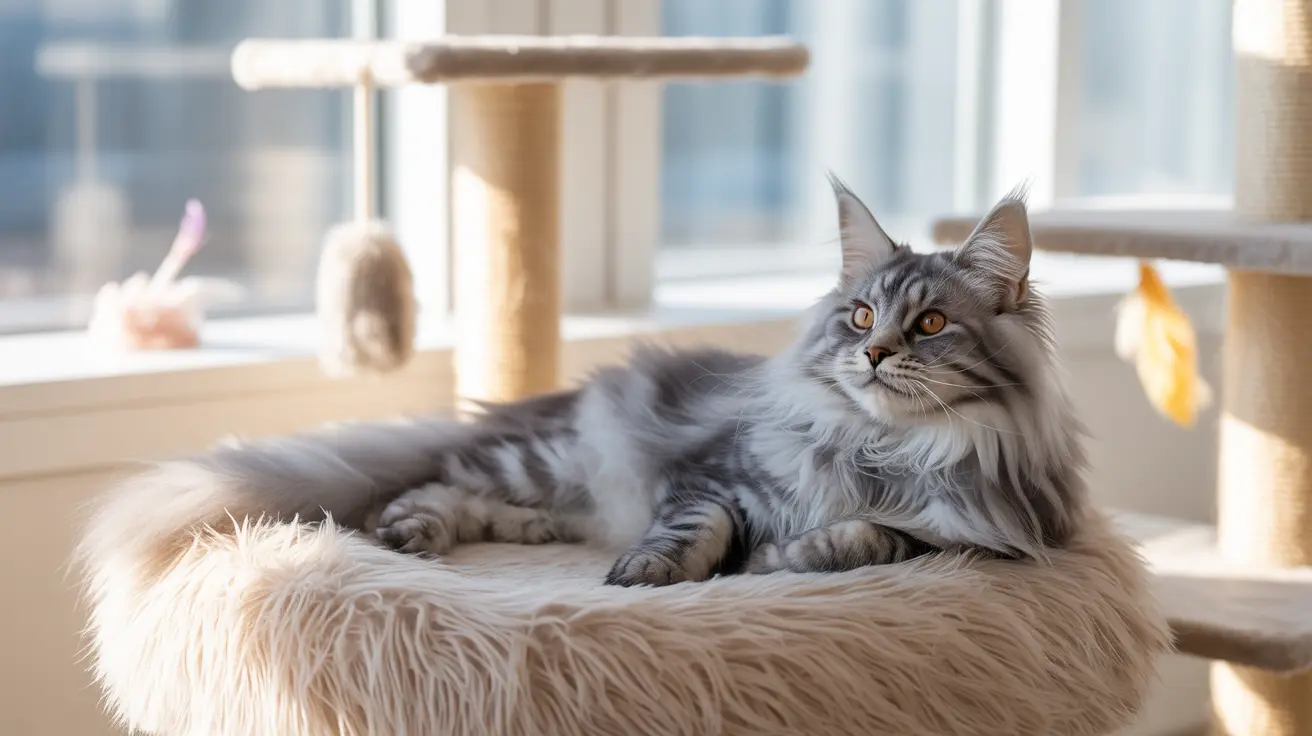
Natural light and good ventilation matter a lot. They keep your cats alert and healthy, and help control odors. Think about soft bedding, scratching posts, and cozy hiding spots—cats love having choices.
Sanitation Practices
Cleanliness isn’t optional; it’s a must. Regularly clean litter boxes, food bowls, and bedding to stop germs from spreading. Use pet-safe disinfectants that kill bacteria but don’t harm your cats.
Set a cleaning schedule and stick to it. Daily spot cleaning combined with weekly deep cleans keeps your space fresh and your cats healthy. Have separate cleaning tools for the breeding area to avoid cross-contamination.
Safety Measures
Think about hazards that could hurt your cats. Cover electrical cords, block small spaces where cats can get stuck, and secure windows with screens. Sharp objects and toxic plants have no place in your breeding space.
Emergency preparedness is key. Keep a first aid kit nearby and know the location of the nearest vet clinic. Can you quickly access your cats if something goes wrong? Planning ahead could save lives.
Credit: www.petscare.com
Health And Care Standards
Health and care standards are essential for registered cat breeders in Canada. These standards ensure cats live happy, healthy lives. Meeting these standards protects the cats and helps maintain a good reputation as a breeder. Proper health care means fewer illnesses and better breeding results.
Veterinary Care
Regular veterinary visits keep cats healthy and catch problems early. Breeders must schedule routine check-ups for all cats. Spaying or neutering is important for non-breeding cats. Dental care, parasite control, and emergency treatments are part of veterinary care. Maintaining health records for each cat is necessary.
Nutrition And Diet
Good nutrition supports cats’ growth and wellbeing. Feed cats a balanced diet made for their age and breed. Provide fresh water at all times. Avoid feeding cats harmful foods like chocolate or onions. Monitor weight and adjust food amounts to avoid obesity or malnutrition.
Vaccinations And Testing
Vaccinations protect cats from common diseases. Core vaccines include rabies, feline distemper, and respiratory infections. Test cats for genetic diseases and parasites before breeding. Keep vaccination and test records updated and available. This reduces health risks for kittens and other cats.
Registration Process
The registration process is the key step to becoming a recognized cat breeder in Canada. It ensures you follow legal guidelines and maintain high breeding standards. This process involves submitting applications, providing important documents, and working with breeder associations. Understanding each part helps you navigate the process smoothly and gain official status.
Applying For Registration
Start by finding the official registration body in Canada. Most breeders register with the Canadian Cat Association (CCA) or other recognized organizations. You must fill out an application form accurately. Provide details about yourself and your breeding plans. Submit the form online or by mail, depending on the organization’s rules. Pay any required fees to complete your application.
Required Documentation
Prepare all necessary documents before applying. These may include:
- Proof of identity (passport or driver’s license)
- Proof of residence in Canada
- Details about your cats, including pedigrees
- Health certificates and vaccination records
- Facility inspection reports (if required)
Having these documents ready helps avoid delays. Make sure all papers are clear and valid.
Dealing With Breeder Associations
Breeder associations guide and support new breeders. Join one to access resources and advice. Associations often require members to follow a code of ethics. Attend meetings or training sessions they offer. They may inspect your breeding facility to ensure standards. Staying active in these groups builds your reputation and knowledge.
Breeding Practices
Becoming a registered cat breeder in Canada involves understanding proper breeding practices. These practices ensure the health and well-being of cats. They maintain the integrity of the breed and support ethical breeding. Below, we explore crucial aspects of breeding practices.
Selecting Breeding Cats
Choosing the right cats for breeding is essential. Look for cats with excellent health records and temperament. They should meet the breed standard. Consider genetic testing to avoid hereditary diseases. This helps maintain the quality of the breed.
Breeding Ethics
Ethical breeding is vital. It means prioritizing the cats’ welfare over profit. Breeders should avoid overbreeding. Provide proper care and a healthy environment. Ensure all kittens find loving homes. Respect the life and dignity of each cat.
Record Keeping
Keeping detailed records is important for breeders. Document health checks, vaccinations, and breeding history. Keep track of lineage and genetic information. Records help in making informed breeding decisions. They also ensure compliance with legal standards.
Marketing And Selling Kittens
Marketing and selling kittens require careful planning and clear communication. Building trust with buyers helps ensure your kittens find good homes. Presenting your kittens well boosts interest and sales. Focus on honesty and transparency throughout the process.
Advertising Strategies
Use clear photos showing your kittens’ features and health. Write simple descriptions including breed, age, and personality. Share posts on social media groups related to cat lovers. Create a website or blog to showcase your breeding program. Post ads on classified sites popular in your area. Use local pet shops or vet offices to display flyers. Always highlight your registration and health checks.
Screening Buyers
Ask questions about the buyer’s experience with cats. Check if their home suits a kitten’s needs and safety. Verify they understand the responsibilities of cat ownership. Request references or a vet contact to confirm their care quality. Trust your instincts about the buyer’s honesty and commitment. Avoid selling to buyers who seem unprepared or careless.
Pricing Your Kittens
Research prices from other registered breeders in Canada. Consider your costs for health care, food, and registration. Price kittens fairly to reflect their quality and pedigree. Avoid setting prices too low or too high to maintain trust. Offer clear payment methods and contracts to buyers. Update prices based on market demand and expenses.
Continuing Education
Continuing education plays a vital role in becoming a successful registered cat breeder in Canada. It keeps you sharp and informed about the latest best practices, health standards, and legal requirements. Without ongoing learning, your breeding program can quickly fall behind, affecting both your cats and your reputation.
Workshops And Seminars
Attending workshops and seminars provides hands-on knowledge you can’t get from books alone. These sessions often cover topics like feline genetics, nutrition, and disease prevention.
I once attended a weekend seminar on feline health that completely changed how I manage vaccinations and parasite control in my cattery. Have you considered how much direct expert interaction could improve your approach?
- Look for events hosted by recognized cat breeder associations.
- Choose workshops that offer certification or continuing education credits.
- Participate actively by asking questions and sharing your experiences.
Networking With Other Breeders
Building relationships with experienced breeders opens doors to invaluable advice and support. These connections often lead to sharing tips on breeding techniques, finding quality studs, or even resolving health challenges.
One of my most useful insights came from a fellow breeder who shared her method for tracking lineage and health history using simple spreadsheets. Who in your network could share a tip that changes your breeding game?
- Join local and national breeder clubs.
- Attend cat shows and breeder meetups.
- Engage in online forums and social media groups dedicated to cat breeding.
Staying Updated On Regulations
Canadian breeding regulations can change, impacting licensing, animal welfare laws, and registration requirements. Staying informed protects you from penalties and keeps your operation ethical.
Regularly checking official sources and subscribing to breeder newsletters can save you from surprises. Have you set up a routine to review government updates and breeder association announcements?
- Visit federal and provincial government websites for legislation updates.
- Subscribe to newsletters from organizations like The Canadian Cat Association (CCA).
- Consult legal experts when in doubt about compliance issues.

Credit: tica.org
Frequently Asked Questions
What Are The Basic Requirements To Become A Cat Breeder In Canada?
To become a registered cat breeder in Canada, you must follow provincial laws, obtain necessary permits, and join recognized cat breeding associations. Proper knowledge of cat care and breeding ethics is essential. Registration helps ensure responsible breeding practices and protects animal welfare.
How Do I Register My Cattery With Canadian Cat Associations?
You can register your cattery by applying through recognized associations like CFA or TICA. The process includes submitting an application, paying fees, and meeting breed standards. Registration validates your cattery’s credibility and allows participation in official shows and events.
What Legal Permits Are Needed For Cat Breeding In Canada?
Legal permits vary by province but often include business licenses and animal welfare compliance certificates. You must follow local zoning laws and health regulations. Checking with municipal offices ensures you meet all legal requirements before starting your breeding business.
How Can I Ensure Ethical Breeding Practices In Canada?
Ethical breeding involves health testing, proper socialization, and avoiding overbreeding. Follow guidelines set by cat associations and veterinary advice. Prioritize the cats’ welfare and maintain clean, safe environments to produce healthy, well-adjusted kittens.
Conclusion
Becoming a registered cat breeder in Canada takes time and effort. Follow the rules set by Canadian cat organizations. Keep your cats healthy and happy. Register your cattery properly to build trust. Learn about breeding ethics and care standards. Stay patient and dedicated throughout the process.
A good breeder helps cats and owners alike. Start your journey with clear steps and care. Your passion for cats can lead to success.



Leave a Reply