Do you have a long-haired cat and wonder if grooming is really necessary? You might think their fur takes care of itself, but long-haired cats need special attention to stay healthy and comfortable.
Neglecting grooming can lead to mats, skin problems, and even stress for your furry friend. You’ll discover why grooming matters, how it benefits your cat, and simple tips to keep their coat looking beautiful. Keep reading to find out if grooming your long-haired cat is the right choice for you and your pet’s happiness.
Benefits Of Grooming Long Haired Cats
Grooming your long haired cat is more than just a beauty routine; it plays a crucial role in maintaining their overall health and happiness. Regular grooming sessions can help you avoid common issues that often come with long fur. You might be surprised by how much easier your life becomes—and how much more content your cat feels—with just a bit of care.
Improved Coat Health
Regular grooming stimulates your cat’s skin and fur, promoting better circulation and distributing natural oils evenly. This keeps the coat shiny, soft, and healthy. If you’ve ever noticed dull or flaky fur on your cat, grooming could be the simple fix they need.
Reduced Shedding And Hairballs
Long haired cats shed a lot, and loose fur often ends up around your home or inside your cat’s stomach. Grooming helps remove dead hair before your cat swallows it during self-cleaning. This can significantly reduce hairballs and the mess caused by shedding.
Prevention Of Matting
Mats form when fur tangles and clumps, which can be uncomfortable or even painful for your cat. Regular brushing stops mats before they start, saving your cat from irritation and the need for painful trimming. Have you ever tried detangling a stubborn mat? It’s not fun for you or your cat.
Enhanced Comfort For Your Cat
Grooming is also a bonding time that helps your cat feel cared for and relaxed. Removing excess fur and mats prevents itching and skin problems. You’ll notice your cat’s mood and energy improve when they feel more comfortable in their own fur.
Signs Your Cat Needs Grooming
Long-haired cats need regular grooming to stay healthy and comfortable. Sometimes, signs show your cat needs grooming help. Spotting these signs early keeps your cat happy and prevents health problems.
Visible Tangles And Mats
Tangles and mats form when fur gets twisted and stuck together. They feel hard and tight on your cat’s skin. Mats can cause pain and skin issues if not removed. Check your cat’s fur often, especially behind ears and under legs.
Excessive Shedding
Shedding is normal, but too much fur on furniture or clothes is a sign. Excess shedding means your cat’s coat needs care. Grooming helps remove loose hair and stops fur from piling up. It also keeps your home cleaner.
Skin Irritations
Red, dry, or flaky skin shows your cat’s coat needs attention. Irritations can cause your cat to scratch or bite the area. Grooming helps spread natural oils and keeps skin healthy. Watch for any sores or bumps during grooming.
Changes In Behavior
Your cat may act restless or hide more than usual. Grooming discomfort or pain can make cats avoid touch. If your cat grooms less or stops cleaning itself, it might need help. Changes in mood or activity often signal grooming needs.
Grooming Tools For Long Haired Cats
Grooming long haired cats requires the right tools to keep their coats healthy and tangle-free. Using proper equipment helps reduce hair mats and skin problems. It also makes grooming sessions easier and more comfortable for your cat. Understanding the different grooming tools can help you maintain your cat’s beautiful fur and overall hygiene.
Types Of Brushes And Combs
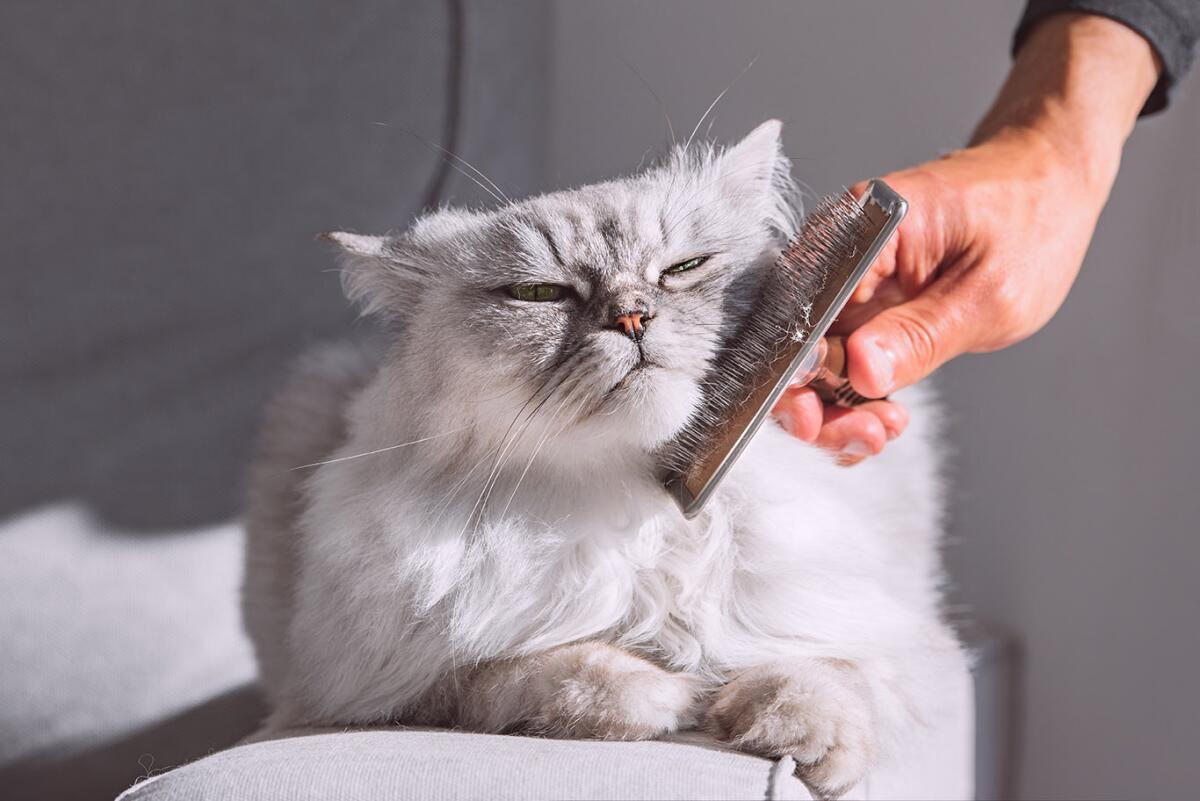
Brushes and combs remove loose hair and prevent mats. A slicker brush has fine wires to detangle and remove dirt. A wide-tooth comb helps with tough knots and mats. A bristle brush spreads natural oils for a shiny coat. Using a combination keeps your cat’s fur soft and smooth.
Nail Clippers And Trimmers
Trimming nails is important to avoid scratches and injuries. Use nail clippers made for cats to cut safely. Scissor-style clippers work well for thick nails. Regular trimming prevents overgrown claws and pain. Take care not to cut the quick, the pink part inside the nail.
Shampoos And Conditioners
Choose shampoos made for cats to protect their skin. Gentle formulas clean without drying the coat. Conditioners help keep fur soft and easy to brush. Bathing long haired cats can reduce shedding and odors. Always rinse well to avoid irritation.
Other Helpful Accessories
- De-shedding tools to remove loose undercoat hair
- Grooming gloves for gentle brushing and massage
- Detangling sprays to make combing easier
- Pet towels and blow dryers for drying after baths
These accessories make grooming more efficient and pleasant for your cat. Using the right tools keeps your long haired cat healthy and happy.
How Often To Groom Your Cat
Knowing how often to groom your long-haired cat is key to keeping their coat healthy and mat-free. Grooming frequency depends on several factors including your cat’s hair type, lifestyle, and health. Finding the right balance helps prevent hairballs, skin issues, and keeps your feline friend comfortable.
Daily Vs Weekly Grooming
Long-haired cats often benefit from daily grooming to prevent tangles and mats. Brushing every day removes loose fur and reduces shedding around your home.
If your cat has a less dense coat or is less prone to matting, weekly grooming might be enough. However, skipping days can lead to stubborn mats that hurt your cat and require more effort to remove later.
Think about how much time you can realistically dedicate to grooming. Even 5-10 minutes daily can make a big difference compared to an hour once a week.
Seasonal Grooming Tips
During shedding seasons, like spring and fall, increase grooming frequency to daily or every other day. Cats shed their undercoats heavily, so regular brushing helps manage loose hair and reduces hairballs.
In winter, grooming can be less frequent but still consistent to prevent mats from forming under thicker coats. Monitor your cat’s coat closely during seasonal changes and adjust accordingly.
Do you notice your cat shedding more during certain months? Adjust your grooming routine to match these natural cycles for best results.
Adjusting Frequency Based On Cat’s Needs
Every cat is unique, so watch your cat’s coat and skin condition to decide if you need to groom more or less. If you spot mats, dandruff, or excessive shedding, increase grooming sessions.
Older cats or those with health issues might need gentler, more frequent grooming to keep their skin healthy. You might also want to consult your vet for personalized advice.
Consider your cat’s personality too—some cats tolerate grooming well, while others might need shorter, more frequent sessions to stay comfortable.
Diy Grooming Tips
Grooming a long-haired cat at home can be rewarding. It strengthens the bond between you and your feline friend. With the right techniques, you can maintain their coat’s health and beauty. Let’s explore some DIY grooming tips.
Brushing Techniques
Regular brushing prevents tangles. Use a wide-toothed comb first. Gently work through your cat’s fur. Follow with a soft-bristle brush for a smooth finish. Brush in the direction of hair growth. This reduces discomfort for your cat. Aim for short, gentle strokes.
Bathing Your Cat Safely
Bathing is not always necessary. But if needed, ensure the water is lukewarm. Use cat-specific shampoo. Avoid their eyes and ears. Rinse thoroughly to remove all soap. Dry your cat with a soft towel. Keep them warm until completely dry.
Handling Mats And Tangles
Mats can form quickly in long fur. Use a detangling spray for stubborn mats. Hold the mat’s base to avoid pulling the skin. Gently tease apart the mat with your fingers. For severe mats, consider professional help. Regular brushing helps prevent matting.
Keeping Your Cat Calm
Grooming can be stressful for cats. Create a calm environment. Speak in soothing tones. Offer treats as positive reinforcement. Take breaks if your cat becomes agitated. Patience is key to a successful grooming session.
When To Visit A Professional Groomer
Knowing when to take your long-haired cat to a professional groomer can save you and your feline friend a lot of stress. Professional grooming is not just about keeping your cat looking good; it’s about maintaining their health and comfort. But how do you know the right time to seek expert help?
Signs You Need Expert Help
Look out for mats or tangles that you cannot gently brush out. These can cause pain and skin problems if left untreated. If your cat shows signs of discomfort or avoids being touched in certain areas, it’s a clear signal to get professional grooming.
Also, notice if your cat is shedding excessively or has flaky skin. These might indicate that a thorough grooming session is overdue. Remember, some cats might hide their discomfort, so regular checks are key.
Choosing The Right Groomer
Not every groomer is equipped to handle long-haired cats, so choose someone with experience. Ask for recommendations from your vet or fellow cat owners. Visit the grooming salon beforehand to see how they treat animals and check if the environment is clean and calm.
Ensure the groomer uses gentle tools and techniques. Your cat’s comfort and safety should be their top priorities. Don’t hesitate to ask about their process or request a trial session to see how your cat reacts.
What To Expect During A Grooming Session
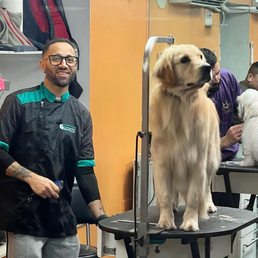
A professional groomer will start with a gentle brushing to remove loose fur and untangle mats. They may trim your cat’s fur to manageable lengths, especially around sensitive areas like the belly and paws. Nail trimming and ear cleaning are often included.
The session usually lasts between 45 minutes to an hour, depending on your cat’s coat condition. Expect your cat to be calmer and more comfortable after the grooming, with less shedding and fewer mats. You might even notice a boost in their mood and energy.
Costs And Frequency Of Professional Grooming
| Service | Average Cost | Recommended Frequency |
|---|---|---|
| Basic Grooming (brushing, nail trim) | $40 – $60 | Every 6-8 weeks |
| Full Grooming (bath, haircut, deep cleaning) | $70 – $100 | Every 8-12 weeks |
| Special Treatments (medicated baths, flea control) | Varies | As needed |
Think about your cat’s coat type and lifestyle when deciding how often to book grooming. Cats with very thick or long fur might need more frequent visits. Can you spot the signs early enough to avoid costly mat removal or skin treatment?
Health Risks Of Neglecting Grooming
Neglecting grooming for your long-haired cat can lead to serious health issues that affect their quality of life. Their thick fur can hide problems until they become severe. Understanding these risks can help you decide why regular grooming is essential for your pet’s well-being.
Skin Infections
Long fur traps dirt, sweat, and moisture close to the skin, creating a perfect environment for bacteria and fungi to grow. This can cause painful skin infections that lead to redness, sores, and hair loss.
I once had a friend who ignored grooming her Maine Coon, and it ended with her cat developing a nasty skin infection that required antibiotics. Regular brushing and cleaning can prevent such infections before they start.
Parasite Infestations
Ticks, fleas, and mites love to hide in thick fur where they’re hard to spot. If you don’t groom your cat, these parasites can multiply quickly, causing itching and spreading diseases.
Checking your cat’s coat regularly during grooming sessions helps you catch infestations early. This simple step can save your cat from discomfort and costly vet visits.
Discomfort And Pain
Matted fur pulls tightly on the skin, which can be very painful for your cat. These mats can also restrict movement and cause sores where the skin is irritated.
Think about how uncomfortable it feels when something tugs on your hair constantly. Your cat experiences this pain without being able to tell you, which is why it’s your responsibility to keep their coat free of tangles.
Behavioral Issues
When grooming needs are ignored, cats may start to groom themselves excessively out of frustration or discomfort. This can lead to bald patches and skin damage.
Some cats may also become irritable or withdrawn because of the ongoing discomfort. Have you noticed changes in your cat’s behavior? It might be time to check their grooming routine.
Frequently Asked Questions
How Often Should Long Haired Cats Be Groomed?
Long haired cats should be groomed at least once a week. Regular grooming prevents matting and reduces shedding. Frequent brushing also improves their coat’s health and keeps them comfortable.
What Are The Benefits Of Grooming Long Haired Cats?
Grooming reduces tangles, mats, and hairballs in long haired cats. It promotes healthy skin and a shiny coat. Grooming also helps detect parasites or skin issues early, keeping your cat healthy.
Can Grooming Reduce Shedding In Long Haired Cats?
Yes, grooming removes loose fur before it falls around the house. This significantly reduces shedding and keeps your home cleaner. Regular brushing also helps distribute natural oils for a healthier coat.
Is Professional Grooming Necessary For Long Haired Cats?
Professional grooming can be helpful for difficult mats or heavy shedding. Experts use special tools and techniques to safely groom your cat. However, regular home grooming usually suffices for most cats.
Conclusion
Long haired cats need regular grooming for their health. Grooming prevents mats and skin problems. It also keeps their coat clean and shiny. Many cats enjoy gentle brushing if done right. Regular grooming can reduce hairballs too. It saves you stress and vet visits later.
Think about your cat’s comfort and care. A little effort helps your cat stay happy. Choose grooming that fits your cat’s needs. This simple step makes a big difference daily.

Leave a Reply