Have you ever wondered how professionals keep cats looking sleek and feeling comfortable? Grooming your cat isn’t just about making them look good—it’s essential for their health and happiness.
But it can be tricky, especially if your furry friend isn’t a fan of brushes or baths. You’ll discover the expert secrets and simple techniques that professional groomers use to make cat care easier and stress-free. By the end, you’ll feel confident in giving your cat the best care possible.
Ready to learn how the pros do it? Keep reading!
Choosing The Right Tools
Choosing the right tools is essential for professional cat grooming. The tools you pick affect not only the grooming quality but also your cat’s comfort and safety. Knowing which brushes and supplies work best for different coat types makes your job easier and the experience better for your feline friend.
Brush Types For Different Coats
Different cats have different coat types, and each needs a specific brush to keep their fur healthy and tangle-free. Short-haired cats benefit from rubber brushes that remove loose hair without irritating their skin.
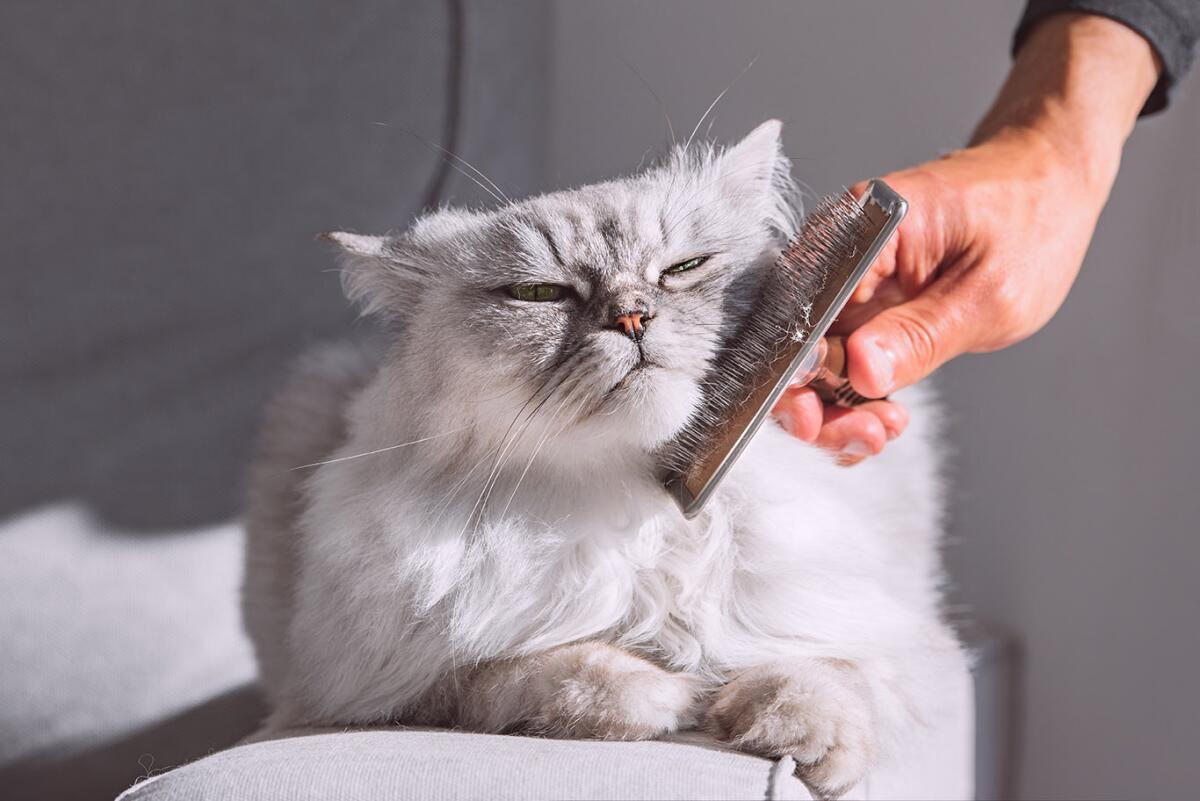
Long-haired cats need slicker brushes with fine wire bristles to detangle and prevent mats. For cats with sensitive skin, a bristle brush can smooth the coat gently without causing discomfort.
Have you noticed how your cat reacts to different brushes? Their response can guide you to the right choice and make grooming a bonding time rather than a struggle.
Essential Grooming Supplies
Besides brushes, several grooming tools make a professional groomer’s kit complete. Nail clippers designed specifically for cats help keep claws trimmed safely and comfortably.
Dematting combs are lifesavers for dealing with stubborn tangles without hurting your cat. Also, grooming gloves can be useful for cats that dislike brushes but tolerate gentle stroking.
Don’t forget a good quality pet shampoo tailored for cats if you’re including baths. A clean, quiet space and soft towels round out the essentials for a calm grooming session.
Preparing Your Cat
Preparing your cat for grooming is a key part of the process. A calm and relaxed cat allows grooming to go smoothly. Professionals focus on making the cat feel safe and comfortable before starting any grooming tasks. This preparation reduces stress and helps avoid scratches or bites. Understanding your cat’s mood and behavior is essential. The right environment and approach make a big difference in successful grooming.
Creating A Calm Environment
Choose a quiet room with little noise or distractions. Soft lighting helps keep your cat at ease. Remove any strong smells or loud sounds nearby. Use a non-slip surface for your cat to sit on. A towel or mat can make your cat feel secure. Keep grooming tools ready but out of sight until needed. This avoids startling your cat during the process.
Getting Your Cat Comfortable
Start by gently petting your cat in familiar spots. Speak softly to reassure and calm them. Allow your cat to sniff and explore grooming tools. Use treats to create a positive connection with the tools. Take breaks if your cat shows signs of stress. Gradually increase grooming time as your cat gets used to it. Patience is key to building trust and comfort.
Brushing Techniques
Brushing your cat regularly is a key part of keeping their coat healthy and shiny. Professionals use specific techniques based on your cat’s fur length to make brushing effective and comfortable. Understanding these brushing methods can help you care for your cat better and avoid common grooming pitfalls.
Handling Short-haired Cats
Short-haired cats need less frequent brushing but still benefit greatly from regular grooming. Use a soft-bristled brush or a rubber grooming glove to gently remove loose hair and dirt. Brush in the direction of hair growth to prevent skin irritation.
Pay close attention to areas like the neck, under the chin, and behind the ears where dirt tends to accumulate. Short-haired cats may shed less, but they still develop dandruff, so brushing helps distribute natural oils evenly. Have you noticed how your cat reacts when you brush these sensitive spots?
Managing Long-haired Cats
Long-haired cats require daily brushing to prevent mats and tangles. Use a wide-toothed comb first to gently detangle knots, then follow with a slicker brush to smooth the coat. Be patient and break brushing sessions into shorter periods if your cat becomes restless.
Focus on problem areas such as the belly, behind the legs, and around the tail where mats form quickly. Professionals often use detangling sprays to ease combing and reduce discomfort. How do you keep your cat calm during these longer grooming sessions?
Bathing Tips
Bathing a cat may seem tough, but it helps keep them clean and healthy. Professionals know the best ways to make baths stress-free. They use gentle products and calm movements. Understanding when and how to bathe your cat matters most. It keeps the fur shiny and skin safe.
When To Bathe Your Cat
Most cats groom themselves well. Bathing is needed only in some cases:
- If the cat gets very dirty or sticky.
- When fleas or skin problems occur.
- Before a show or special event.
- If the cat has a medical condition requiring baths.
Bathing too often can dry out the skin. Watch your cat’s coat and smell for signs.
Safe Bathing Steps
Prepare everything before starting. Use warm water and cat-safe shampoo. Avoid human shampoos.
- Brush your cat to remove loose hair and mats.
- Fill a sink or tub with a few inches of warm water.
- Gently wet the cat’s fur using a cup or sprayer.
- Apply shampoo carefully, avoiding eyes and ears.
- Rinse thoroughly to remove all soap.
- Wrap the cat in a towel and dry gently.
- Use a hairdryer only if your cat allows it on low heat.
Stay calm and speak softly. Reward your cat with treats after bath time.
Nail Care
Professionals trim cats’ nails carefully to avoid hurting them. They use special clippers and keep the cat calm during grooming. This helps prevent scratches and keeps nails healthy.
Nail care is a vital part of cat grooming. Cats need regular nail trimming to stay healthy and comfortable. Overgrown nails can cause pain and lead to infections. Professionals know how to handle this delicate task with skill and patience.Trimming Basics
Start by choosing the right tools. A good pair of cat nail clippers is essential. Position your cat in a comfortable and secure place. Gently hold one of their paws and press lightly to extend the nail. Trim only the sharp tip of each nail. Avoid cutting too close to the quick, which is the pink area inside the nail. Doing so can cause pain and bleeding.Avoiding Common Mistakes
Don’t rush the process. Haste can lead to accidents. Always inspect the nail before cutting. Ensure your cat is calm and not stressed. If your cat resists, take a break and try later. Never use human nail clippers; they can crush the nail. Keep styptic powder nearby to stop bleeding if needed. Make nail trimming a positive experience with treats and praise.Ear And Eye Care
Ear and eye care is a vital part of grooming cats. These areas are sensitive and prone to infections if not cleaned properly. Professionals use gentle techniques to keep cats comfortable while ensuring cleanliness. Regular care prevents discomfort and health issues in cats.
Cleaning Methods
Professionals start by inspecting the ears and eyes closely. They use soft, damp cloths or cotton balls to wipe away dirt. Special ear cleaning solutions made for cats help remove wax safely. For eyes, a moist cloth removes discharge and crust. They avoid using cotton swabs inside the ear canal to prevent injury. Gentle strokes and calm handling keep cats relaxed during cleaning.
Signs Of Infection
Recognizing infection early is key to cat health. Watch for redness, swelling, or unusual discharge in ears and eyes. Bad odor or constant scratching signals trouble. Cloudy eyes or squinting may indicate irritation or infection. Professionals check for these signs regularly. Prompt veterinary care follows if infections appear.
Handling Difficult Cats
Handling difficult cats during grooming requires patience and calmness. Some cats resist grooming due to fear or discomfort. Understanding their behavior helps reduce their stress. Gentle handling and a quiet environment create a safe space for cats. Small steps and breaks make grooming easier for both cat and groomer.
Managing Stress
Stress can make cats aggressive or scared. Use soft voices and slow movements to calm them. Offer treats to create positive feelings. Use a towel to gently wrap the cat if needed. Avoid sudden noises or fast actions that startle cats. Short grooming sessions work better than long ones. Always watch the cat’s body language for signs of stress.
Using Professional Help
Some cats need special care from trained groomers. Professionals know how to handle difficult cats safely. They use proper tools and techniques to avoid harm. Groomers may use calming sprays or mild sedatives under vet advice. A professional’s experience helps reduce the cat’s anxiety. Consider professional grooming if home grooming feels unsafe or too hard.
Regular Grooming Schedule
Professionals follow a regular grooming schedule to keep cats clean and healthy. They trim nails, brush fur, and check for skin issues often. Consistency helps prevent matting and reduces shedding.
Regular grooming is crucial in keeping your cat healthy and comfortable. It’s not just about aesthetics; it plays a vital role in your cat’s overall well-being. A consistent grooming schedule helps in reducing hairballs, preventing matting, and keeping your cat’s coat shiny and healthy.Frequency Recommendations
How often should you groom your cat? The answer varies depending on the breed and coat type. Short-haired cats may only need grooming once a week, while long-haired breeds like Persians might benefit from daily brushing. Consider your cat’s behavior and comfort level. Some cats enjoy frequent grooming sessions, while others might be more resistant. Introduce grooming tools gradually and turn it into a bonding experience. This can make grooming less of a chore and more of a shared moment between you and your pet.Seasonal Grooming Adjustments
As seasons change, so do your cat’s grooming needs. During shedding season in spring and fall, increase grooming frequency to manage loose fur and prevent matting. This not only helps your cat feel comfortable but also keeps your home cleaner. In winter, cats develop a thicker coat to stay warm. Regular grooming can help distribute natural oils and keep their skin healthy. Summer grooming helps them stay cool and reduces the risk of skin issues caused by heat. Have you noticed your cat’s behavior changing with the seasons? Pay attention to these cues. They can guide you in adjusting your grooming schedule to suit their needs better.Frequently Asked Questions
How Often Do Professionals Groom Cats?
Professionals usually groom cats every 4 to 6 weeks. This frequency helps maintain coat health, reduces shedding, and prevents matting. Regular grooming also keeps cats comfortable and clean, especially for long-haired breeds or those with special needs.
What Tools Do Professionals Use To Groom Cats?
Professional groomers use specialized brushes, combs, clippers, and nail trimmers. They often use dematting tools and gentle shampoos tailored for cats. These tools ensure effective grooming while keeping the cat safe and comfortable during the process.
How Do Groomers Handle Anxious Cats Safely?
Groomers use calm, gentle handling techniques to reduce stress. They create a quiet environment and may use soothing tones. Some groomers employ mild restraints or breaks to keep anxious cats safe and relaxed throughout grooming.
Can Professional Grooming Improve A Cat’s Health?
Yes, grooming helps detect skin issues, parasites, and infections early. It promotes healthy skin and coat by removing dirt and loose hair. Regular grooming also supports better hygiene and reduces risks of matting and hairballs.
Conclusion
Professional cat grooming keeps pets healthy and happy. They use special tools for gentle brushing and cleaning. Groomers know how to handle cats calmly and safely. Regular grooming prevents mats, hairballs, and skin issues. It also helps spot health problems early.
Trusting experts can make grooming less stressful for cats. Taking care of a cat’s coat improves its comfort and looks. Simple steps done well make a big difference in cat care. Good grooming supports a strong bond between you and your cat.

Leave a Reply