Are you wondering if taking your cat to a groomer is really necessary? You love your furry friend and want the best care, but the idea of someone else handling your cat might make you hesitate.
Grooming isn’t just about keeping your cat looking good—it affects their health and happiness too. You’ll discover the key reasons why professional grooming could be a game-changer for your cat’s well-being. Keep reading to find out if a groomer is the right choice for you and your feline companion.
Benefits Of Professional Grooming
Professional grooming offers more than just a neat appearance for your cat. It plays a key role in maintaining their overall health and comfort. Understanding these benefits can help you decide if a grooming appointment is right for your feline friend.
Improved Coat Health
Professional groomers know exactly how to handle different coat types. They use specialized tools that remove mats and tangles without hurting your cat. This careful attention helps keep the fur shiny and smooth.
You might notice your cat’s coat becoming less oily or flaky after a grooming session. This is because groomers also clean away dirt and excess oils that regular brushing at home might miss. Have you ever seen how much dirt can hide in your cat’s fur?
Early Detection Of Health Issues
Groomers often spot skin problems, lumps, or parasites before you might notice them. This early detection can lead to quicker treatment and better outcomes. Groomers are trained to alert you if something seems unusual.
Imagine how a small skin irritation could go unnoticed until it becomes painful. Regular professional grooming adds an extra layer of care to keep your cat healthier. Are you confident you’d catch these signs during your home care routine?
Reduced Shedding And Allergens
Shedding can be a big challenge, especially if someone in your home has allergies. Grooming helps remove loose hair and dander, reducing the amount that falls around your house. This means less cleaning and fewer allergy flare-ups.
Professional groomers often use vacuum attachments or special brushes that capture more hair than typical home tools. If shedding has been a constant battle, this service might bring much-needed relief. Wouldn’t it be nice to have fewer cat hairs on your clothes and furniture?
Signs Your Cat Needs Grooming
Knowing when your cat needs grooming can save you from unexpected vet visits and keep your furry friend comfortable. Cats are usually good at self-cleaning, but sometimes they need a little extra help. Watch out for these clear signs that your cat might be ready for a grooming session.
Matted Fur And Tangles
Have you noticed your cat’s fur looking clumpy or knotted? Matted fur isn’t just uncomfortable—it can pull on the skin and cause irritation. Long-haired cats are especially prone to tangles, but even short-haired cats can develop mats if they don’t groom well.
If your cat seems to avoid being touched in certain spots, check for hidden mats. These can trap dirt and moisture, leading to skin problems. Regular grooming helps prevent these painful knots and keeps your cat’s coat shiny and smooth.
Excessive Shedding
Shedding is normal for cats, but too much hair on your furniture or clothes might mean your cat’s coat needs attention. Excessive shedding can indicate stress, allergies, or health issues, but often it’s simply a sign that your cat’s grooming routine is off.
Running your hand through your cat’s fur can reveal loose hair ready to fall out. A grooming session can remove this dead fur and reduce hairballs. Plus, it gives you a chance to check for any skin changes or parasites.
Unpleasant Odors
Does your cat have a smell that’s hard to ignore? A strong odor can come from dirty fur, skin infections, or dental problems. Cats are usually clean, so an unusual smell is a clear sign they might need grooming or a vet check.
Sometimes, grooming can freshen your cat’s coat and improve their overall smell. If the odor persists, it might be time to ask your groomer or vet for advice. Your cat’s comfort and health depend on it.
Choosing The Right Groomer
Choosing the right groomer for your cat is more important than many pet owners realize. Your cat’s comfort, safety, and appearance depend heavily on the skills and environment of the groomer. How do you know which groomer will treat your feline friend with care and professionalism? Let’s break down the key steps to help you decide.
Checking Credentials And Experience
Start by verifying the groomer’s credentials. Are they certified by any professional pet grooming organizations? Certification often means they’ve undergone formal training and understand animal behavior.
Experience matters too. Groomers who have worked with cats specifically will better handle your cat’s unique needs. Ask about how long they’ve been grooming cats and what special techniques they use for different breeds or temperaments.
Reading Reviews And Recommendations
Online reviews can provide valuable insights. Look beyond just star ratings—read what customers say about their cat’s behavior post-grooming and the groomer’s professionalism.
Don’t hesitate to ask fellow cat owners for recommendations. Someone who has a shy or anxious cat similar to yours can offer firsthand advice on which groomer made the experience less stressful.
Visiting The Grooming Facility
Before booking an appointment, visit the grooming salon in person. Is the environment clean and well-organized? Do the staff appear friendly and knowledgeable?
Observe how they handle animals. Are cats kept calm and separated from dogs? A visit can reveal a lot about the groomer’s respect and care for your pet’s well-being.
Preparing Your Cat For Grooming
Preparing your cat for grooming helps make the visit smooth and stress-free. Cats can feel nervous about new experiences. Taking small steps before the appointment helps them adjust. This preparation builds trust and calmness. You can improve their comfort and safety during grooming.
Getting Your Cat Comfortable
Start by gently touching your cat’s paws, ears, and tail daily. Use soft strokes and speak softly. Offer treats to create positive feelings. Let your cat explore the grooming tools at home. This reduces fear of strange objects. Practice short grooming sessions to build tolerance. Keep sessions calm and end on a good note.
What To Bring To The Appointment
Bring your cat’s favorite blanket or towel. Familiar smells help reduce anxiety. Pack a small supply of their usual treats. Bring a toy that your cat likes to play with. Carry a carrier that your cat feels safe in. Include any medical records or notes about your cat’s health. This helps the groomer provide better care.
Handling Stress And Anxiety
Watch your cat’s body language for signs of stress. Signs include trembling, hiding, or growling. Speak softly and calmly during the visit. Use a calming spray or diffuser if your vet recommends it. Avoid forcing your cat into uncomfortable positions. Allow breaks if your cat becomes too upset. Praise and reward your cat after grooming. This builds a positive association for next time.
Grooming Services To Consider
Choosing to take your cat to a professional groomer means understanding the specific services that can benefit your furry friend the most. Grooming is more than just making your cat look good; it supports their health and comfort. Below are key grooming services you should consider and how they can make a difference in your cat’s well-being.
Bathing And Brushing
Bathing your cat can be a challenge, especially if they dislike water. Groomers have the tools and experience to give your cat a thorough, stress-free bath. Regular brushing at the groomer helps remove loose fur and prevents mats, which are uncomfortable and can cause skin problems.
Have you noticed your cat shedding more than usual or developing tangles? A groomer can spot these issues early and handle them safely. Plus, professional shampoos can tackle skin sensitivities or flea problems that home baths might miss.
Nail Trimming
Many cats dislike nail trimming, making it hard for owners to keep their claws in check. Groomers trim nails carefully to avoid hurting your cat and reduce the risk of painful overgrowth or broken nails. This service also protects your furniture and your skin from accidental scratches.
Think about how often your cat’s nails need attention. If you struggle with trimming, scheduling regular visits can keep nails healthy and prevent behavior problems linked to discomfort. It’s a simple step that improves your cat’s quality of life.
Ear Cleaning And Teeth Brushing
Ear infections and dental problems are common in cats but can be hard to detect early. Groomers clean ears gently to remove dirt and wax buildup, reducing the chance of infection. Teeth brushing at the groomer helps prevent plaque and bad breath, which can lead to serious health issues.
Can you easily reach your cat’s ears and teeth at home? If not, a professional’s help can be invaluable. Regular ear and dental care can save you from costly vet visits and keep your cat feeling their best.
At-home Grooming Tips
Grooming your cat at home keeps them clean and comfortable. Regular care can reduce shedding and prevent mats. It also helps you spot skin issues early. Home grooming strengthens your bond with your pet. Here are some easy tips to follow.
Regular Brushing Techniques
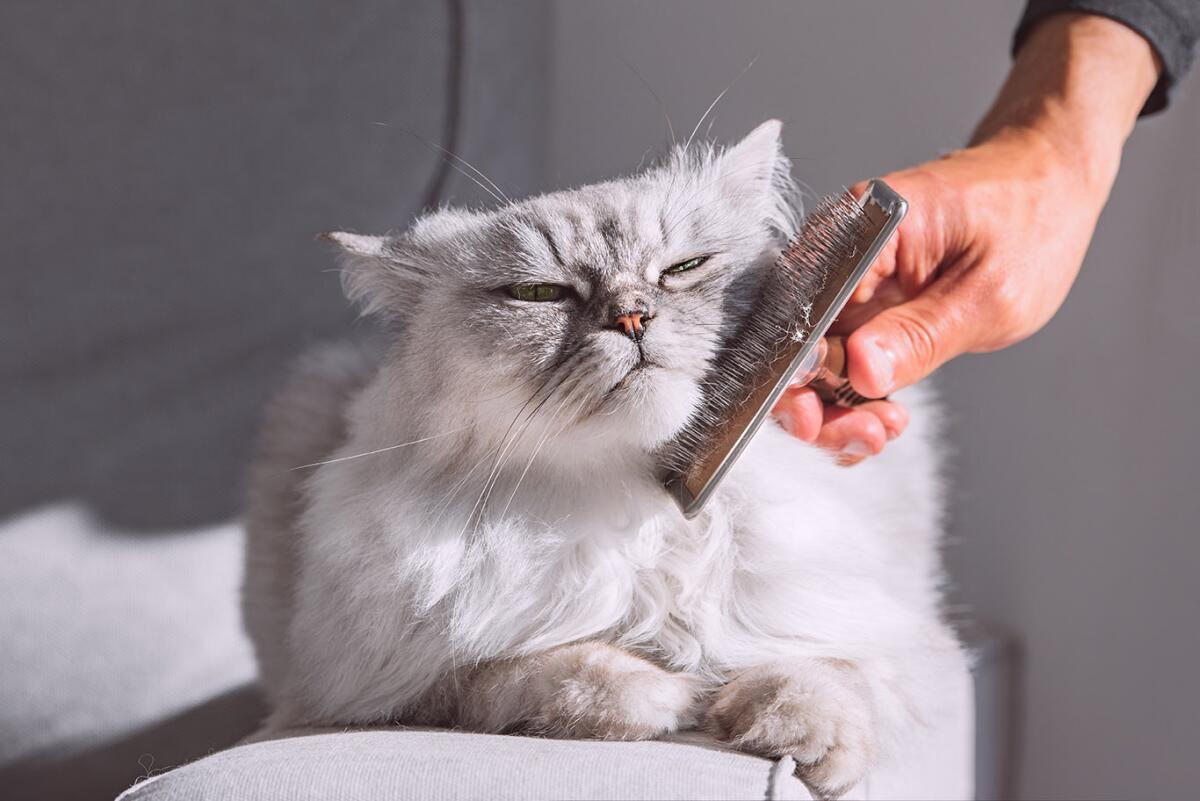
Brush your cat gently using a suitable brush for their fur type. Use short, slow strokes in the direction of hair growth. Focus on areas prone to tangles, like behind the ears and under the legs. Brush more often during shedding seasons to control loose fur. Always be patient and calm to keep your cat relaxed.
Safe Bathing Practices
Bathing cats is not always necessary but can help in some cases. Use lukewarm water and a mild cat shampoo only. Wet your cat slowly and avoid getting water in their ears and eyes. Rinse thoroughly to remove all soap residue. Dry your cat with a soft towel and keep them warm until fully dry.
Maintaining Nail Health
Trim your cat’s nails regularly to prevent overgrowth and damage. Use special nail clippers designed for cats. Hold your cat’s paw gently and press the pad to extend the nails. Cut only the sharp tip, avoiding the pink quick inside. Praise your cat during and after trimming to make it positive.
Frequency Of Professional Grooming
Cats with long or thick fur benefit from grooming every 4 to 6 weeks to prevent mats and tangles. Short-haired cats may only need grooming a few times a year to stay clean and healthy. Regular visits help keep your cat comfortable and reduce shedding at home.
Deciding how often to take your cat to a professional groomer can be a tricky decision. Various factors play a role in determining the ideal grooming schedule for your feline friend. It’s not just about keeping them looking fabulous; it’s also about their health and happiness.Breed And Coat Type Considerations
Different breeds have unique grooming needs. Long-haired breeds like Persians and Maine Coons often require more frequent grooming. Their coats can easily become tangled and matted if not maintained regularly. Short-haired cats might not need as frequent grooming visits, but they still benefit from professional attention. Their coats can shed and spread hair around your home, which a groomer can help manage. Think about your cat’s specific breed and coat type before setting a grooming schedule.Age And Health Factors
Your cat’s age and health significantly influence grooming frequency. Older cats or those with health issues might find grooming sessions stressful. Yet, they may also struggle to groom themselves properly, making professional help essential. Kittens, while playful, are still learning grooming habits and can benefit from early exposure to professional grooming. This can help them become accustomed to the process as they grow. Always consider your cat’s comfort and well-being alongside their grooming needs.Seasonal Grooming Needs
Seasonal changes can affect how often your cat might need grooming. In warmer months, cats might shed more, requiring extra brushing to prevent hairballs. Grooming can also help keep them cool by removing excess fur. During colder months, maintaining a thicker coat may be beneficial for warmth, but it still needs attention to prevent matting. Adjust the grooming frequency based on seasonal changes to keep your cat comfortable and healthy year-round. Have you noticed any changes in your cat’s grooming needs with the seasons? Adjusting your approach based on these changes can make a world of difference for your feline companion.Cost And Time Investment
Taking your cat to a groomer costs money and time. Regular grooming sessions can save you effort but require scheduling and budget planning. Consider how much time you have and what fits your budget before deciding.
Considering whether to take your cat to a groomer involves understanding the cost and time investment. Grooming services can be a significant expense. They also require planning and scheduling. Understanding these aspects helps you make an informed decision.Typical Grooming Prices
Grooming prices vary by location and service type. Basic grooming services might include brushing and bathing. They can cost around $30 to $70. More specialized services, like hair trimming or de-matting, can be higher. Some groomers charge extra for handling difficult cats. It’s wise to call local groomers for quotes.Balancing Cost With Benefits
Consider the benefits of professional grooming. Groomers have skills and tools for thorough cleaning. They can spot health issues early. This might save on vet bills later. Regular grooming keeps your cat’s coat healthy. It also reduces shedding and matting at home. Weigh these benefits against the grooming costs.Scheduling And Time Management
Grooming appointments can be time-consuming. They may take several hours depending on services. Plan your schedule to accommodate this. Some groomers offer pick-up and drop-off services. This can save you time. Booking appointments in advance ensures you get your preferred time slot. Regular appointments maintain your cat’s grooming routine.Handling Grooming Challenges
Handling grooming challenges with your cat can feel overwhelming, especially if your furry friend resists the process. Grooming isn’t just about keeping your cat looking good; it’s essential for their health and comfort. Understanding how to manage these challenges can make the experience less stressful for both you and your cat.
Dealing With Aggressive Or Nervous Cats
Some cats react aggressively or nervously during grooming because they feel threatened or uncomfortable. To help, start with short grooming sessions and use calming techniques like soft talking or gentle petting beforehand.
Try offering treats as positive reinforcement to build trust. If your cat’s anxiety persists, ask your groomer about sedation options or specialized handling methods designed for fearful cats.
Have you noticed what triggers your cat’s nervous behavior? Identifying these can help you adjust the grooming approach.
Addressing Grooming Injuries
Accidents can happen even with the most careful grooming. Small cuts or nicks usually heal quickly, but you should clean any wounds immediately to prevent infection.
Keep a basic first aid kit for your cat that includes antiseptic wipes and styptic powder. If you see swelling, bleeding that doesn’t stop, or signs of pain, contact your vet right away.
Regular communication with your groomer about any past injuries can prevent repeat incidents and improve safety during future sessions.
Finding Alternatives For Difficult Cats
If traditional grooming is too stressful for your cat, consider alternative options. Some groomers offer mobile services where they come to your home, reducing your cat’s anxiety from travel.
Another idea is to focus on home grooming with tools designed for gentle care, like soft brushes or grooming gloves. You can also try short, frequent sessions instead of long appointments.
What small changes could you make at home to keep your cat comfortable and clean without a full grooming session?
Frequently Asked Questions
How Often Should I Take My Cat To A Groomer?
Frequency depends on your cat’s breed and coat type. Long-haired cats may need grooming every 4-6 weeks. Short-haired cats can go every few months. Regular grooming prevents matting, reduces shedding, and keeps your cat clean and healthy.
What Are The Benefits Of Professional Cat Grooming?
Professional grooming helps maintain your cat’s coat, skin, and nails. Groomers can safely remove mats and trim nails. It also reduces hairballs and improves hygiene. Groomers spot health issues early, providing peace of mind for cat owners.
Is Professional Grooming Safe For All Cats?
Yes, professional groomers are trained to handle cats safely. They understand cat behavior and use gentle techniques. However, very anxious or aggressive cats may need special care or sedation. Always inform the groomer about your cat’s temperament and health.
Can Grooming Reduce My Cat’s Shedding?
Yes, regular grooming removes loose fur and reduces shedding. Professional groomers use tools designed to minimize shedding. This helps keep your home cleaner and improves your cat’s comfort by preventing hairballs.
Conclusion
Taking your cat to a groomer can help keep them clean and healthy. Groomers know how to handle cats gently and safely. Regular grooming can reduce hairballs and matting. It also helps spot health problems early. Some cats enjoy the extra care and attention.
Others may feel nervous at first but get used to it. Choose a groomer with experience and good reviews. Your cat’s comfort and safety come first. Think about your cat’s needs and personality before deciding. A groomer can be a helpful part of your cat’s care.

Leave a Reply