Have you ever wondered if it’s possible to groom your cat too much? You want your furry friend to look and feel their best, but is there a point where all that brushing and cleaning might actually do more harm than good?
Understanding the right balance can keep your cat happy and healthy without causing stress or skin problems. Keep reading to discover how often you should groom your cat and what signs to watch for, so you can give your pet the care they truly need.
Benefits Of Cat Grooming
Grooming your cat goes beyond just keeping them clean. It offers several benefits that improve their overall health and happiness. Understanding these advantages can help you decide how often to groom your furry friend without overdoing it.
Improved Coat Health
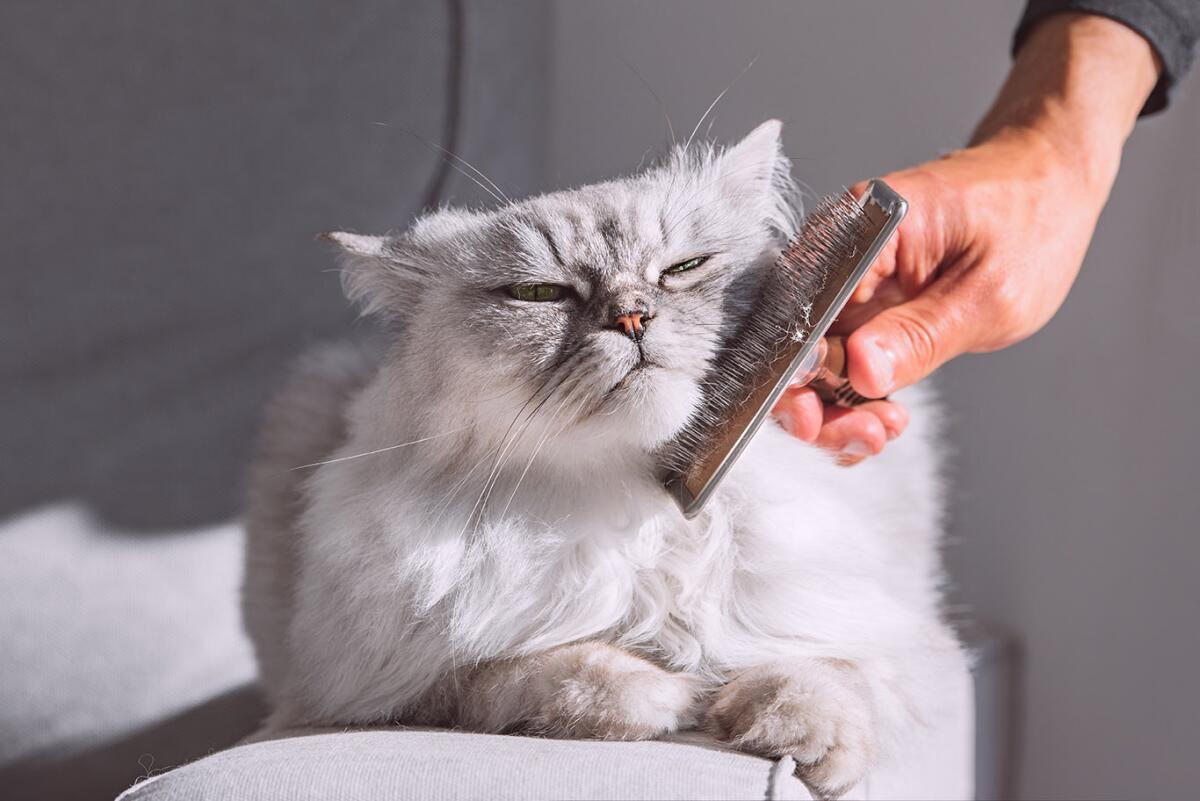
Regular grooming helps remove dirt, debris, and loose fur from your cat’s coat. This keeps the fur shiny and healthy, reducing the chance of matting and skin issues.
I’ve noticed that after brushing my cat, her coat feels softer and looks more vibrant. It’s a clear sign that grooming directly boosts coat condition.
Reduced Shedding
Shedding can be frustrating, but grooming helps control it by catching loose hairs before they fall around your home. This means less fur on your furniture and clothes.
Try brushing your cat a few times a week and see how much less hair ends up on your couch. You might be surprised how effective this simple routine is.
Bonding Time
Grooming is more than a chore; it’s a chance to strengthen your relationship with your cat. Spending quiet moments brushing or petting them builds trust and comfort.
Have you ever noticed how calm your cat becomes during grooming? These moments can create a deeper connection, making your cat feel loved and secure.
Signs Of Overgrooming
Overgrooming in cats can cause more harm than good. It happens when a cat licks or scratches itself too much. Knowing the signs helps prevent serious skin and health problems. Watch closely for changes in your cat’s skin, fur, and behavior.
Skin Irritation
Redness, swelling, or sores often appear on the skin. The area may look raw or inflamed from constant licking. This irritation can cause pain and discomfort for your cat.
Hair Loss
Overgrooming leads to bald patches or thinning fur. These spots often show where the cat licks the most. Hair loss can leave the skin exposed and vulnerable to infections.
Behavioral Changes
A cat that grooms too much may seem anxious or restless. It might hide more often or act unusually aggressive. These changes can signal stress or discomfort linked to overgrooming.
Common Grooming Mistakes
Grooming your cat is important for their health and happiness. But some common mistakes can cause problems instead of helping. These errors may hurt your cat or make grooming stressful. Knowing these mistakes helps you avoid them and keep grooming safe and pleasant.
Excessive Brushing
Brushing your cat too much can irritate their skin. It may cause redness or even small wounds. Cats have sensitive skin that needs gentle care. Over-brushing removes natural oils, making fur dry and brittle. Stick to a regular schedule that suits your cat’s coat type.
Using Wrong Tools
Using the wrong brush or comb can hurt your cat. Sharp or stiff tools might scratch or pull fur painfully. Choose tools designed for your cat’s fur length and texture. Soft brushes work well for short hair. Long-haired cats need wider-toothed combs to avoid tangles.
Ignoring Cat’s Comfort
Ignoring signs of discomfort stresses your cat. Watch for ears flattening or tail flicking during grooming. Stop if your cat struggles or tries to escape. Grooming should be a calm and positive experience. Respect your cat’s limits and try shorter sessions if needed.
Health Risks Of Overgrooming
Grooming your cat is important for their well-being, but overdoing it can lead to serious health problems. It’s easy to think more grooming means better care, but too much can actually harm your furry friend. Understanding the health risks of overgrooming helps you find the right balance for your cat’s comfort and safety.
Skin Damage
Excessive grooming can wear down your cat’s skin, causing irritation and redness. Constant licking or brushing might lead to raw patches or even open wounds. If you notice bald spots or scabs, it’s a clear sign that the grooming routine needs to be adjusted.
Stress And Anxiety
Oddly enough, too much grooming can increase your cat’s stress instead of relieving it. Cats often groom themselves when they’re anxious, and pushing grooming too far can trap them in this cycle. Have you seen your cat obsessively lick the same spot? This behavior could point to underlying anxiety that needs addressing beyond grooming.
Infections
Overgrooming can break the skin’s natural barrier, inviting bacteria and fungi to cause infections. These infections might not be obvious at first but can become painful and harder to treat over time. Watch for signs like swelling, discharge, or unusual smells, and consult your vet quickly to prevent complications.
Balancing Grooming Routine
Cats need grooming, but too much can harm their skin and coat. Finding the right balance keeps them clean and comfortable. Regular, gentle brushing helps without causing stress or irritation.
Balancing a grooming routine for your cat is crucial. Cats are naturally clean creatures. They spend a lot of time grooming themselves. Over-grooming them can be harmful. It’s about finding the right balance. This means knowing how often to groom. Also, using the right tools matters. Most importantly, paying attention to your cat’s behavior is key.Frequency Guidelines
Cats don’t need daily grooming. For short-haired cats, once a week is enough. Long-haired cats might need grooming 2-3 times a week. Adjust based on your cat’s coat and shedding. Too much grooming can stress them. Keep a regular but not excessive schedule.Choosing Proper Tools
The right tools make grooming easier. Choose a brush suitable for your cat’s fur type. A slicker brush works for long-haired cats. Short-haired cats benefit from a bristle brush. Combs help remove tangles and mats. Avoid tools that irritate the skin.Observing Cat’s Response
Watch how your cat reacts during grooming. If they seem stressed, pause. Look for signs of discomfort. Purring can mean they enjoy it. Hissing or biting suggests they’re unhappy. Adjust your routine based on their reactions. Happy cats make for better grooming sessions.When To Consult A Vet
Grooming your cat is important for its health and happiness. Yet, too much grooming can cause problems. Knowing when to consult a vet helps protect your cat from harm. Watch your cat closely for signs that need expert care.
Persistent Skin Issues
Look for red, sore, or flaky patches on your cat’s skin. These may not go away with regular grooming. Constant scratching or licking can cause wounds or infections. A vet can diagnose and treat skin problems properly.
Behavioral Concerns
Notice if your cat becomes restless or avoids grooming sessions. Sudden changes in behavior might mean pain or stress. Excessive grooming can cause anxiety or discomfort. A vet can help find the cause and suggest solutions.
Allergic Reactions
Watch for swelling, rashes, or hair loss after grooming. Allergies to shampoos or grooming tools can harm your cat’s skin. Allergic reactions may worsen without treatment. A vet can recommend safe products and treatments.
Frequently Asked Questions
Can Grooming A Cat Too Often Harm Its Skin?
Yes, over-grooming can dry out your cat’s skin and cause irritation. It may lead to redness, itching, or even sores. Limit grooming sessions to maintain healthy skin and coat while avoiding discomfort for your cat.
How Often Should I Groom My Cat Properly?
Typically, grooming once or twice a week is ideal for most cats. Long-haired breeds may need more frequent grooming to prevent mats. Adjust based on your cat’s coat type, activity, and shedding patterns for the best care.
What Signs Indicate Over-grooming In Cats?
Look for bald patches, redness, scabs, or excessive licking spots. Behavioral changes like restlessness or anxiety may also appear. These signs suggest you should reduce grooming frequency and consult a vet if needed.
Can Grooming Reduce Shedding In Cats?
Regular grooming helps remove loose fur and reduces shedding around your home. However, grooming too much won’t stop natural shedding cycles. Consistent brushing improves coat health and keeps shedding manageable.
Conclusion
Cats need grooming, but too much can cause harm. Keep sessions short and gentle. Watch your cat’s behavior for signs of stress. Use the right tools to avoid skin damage. Regular grooming helps keep fur clean and healthy. Remember, balance is key to happy, healthy cats.
Enjoy bonding time without overdoing it. Your cat will thank you with purrs and trust. Simple care keeps your pet comfortable and content.

Leave a Reply