Have you ever wondered if certain cat breeds are better suited for your lifestyle or personality? Choosing the right cat can feel overwhelming with so many options out there.
But what if you knew exactly which breeds might match your needs? This guide will help you discover the unique traits of different cat breeds and how they could fit perfectly into your home. Keep reading, and you’ll find out everything you need to make the best choice for you and your future furry friend.
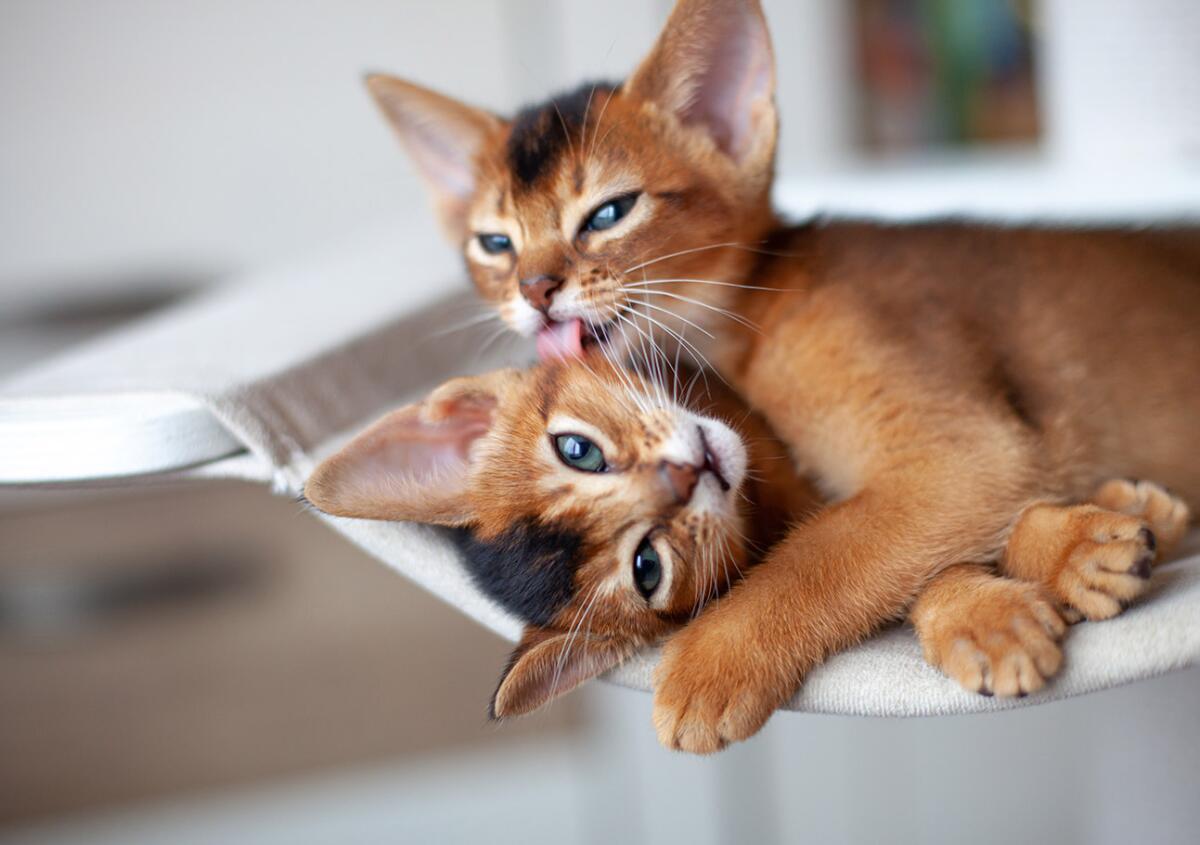
Credit: www.latimes.com
Matching Cats To Lifestyles
Choosing the right cat breed goes beyond looks and personality. It’s about how well the cat fits into your daily life and home environment. Matching cats to lifestyles can make a huge difference in your happiness and the wellbeing of your new furry friend.
Active Homes And Energetic Cats
If your household is lively and full of movement, you need a cat that can keep up. Breeds like the Abyssinian and Bengal thrive on activity and play. These cats enjoy interactive toys and need space to jump and climb.
Think about your daily routine. Do you have time for play sessions? Energetic cats need engagement to stay happy and healthy. Without enough stimulation, they might get bored and act out.
Calm Environments And Relaxed Breeds
Quiet homes benefit from calm, low-energy cats like the British Shorthair or Ragdoll. These breeds enjoy lounging and gentle interaction. They fit well in apartments or spaces where tranquility is valued.
Have you noticed how some cats prefer to nap most of the day? These relaxed breeds are perfect if you want a companion who is affectionate but not demanding. Their mellow nature makes them easy to care for and less prone to stress.
Families With Children
Families need cats that are patient and tolerant. Breeds such as the Maine Coon and Burmese are known for their gentle nature around kids. They handle noise and activity without getting anxious.
Teaching children how to respect a cat’s space is key. These breeds often enjoy playing but also appreciate downtime. Look for cats that can adapt to the unpredictable energy of young family members.
Single Living And Companion Cats
Living alone means your cat becomes your main companion. Breeds like the Scottish Fold and Siamese are affectionate and form strong bonds with their owners. They often seek out attention and enjoy being near you.
Do you spend a lot of time at home? Companion cats thrive on interaction and can help reduce feelings of loneliness. Choosing a breed that matches your social needs makes your relationship more rewarding.
Popular Cat Breeds By Personality
Cat breeds differ not just in looks but also in personality. Understanding these traits helps find the perfect feline friend. Some cats love to play and interact, while others enjoy quiet moments alone. Many cats show deep affection and loyalty to their owners. Here is a breakdown of popular cat breeds by their personality types.
Playful And Social Breeds
These cats thrive on activity and human company. They enjoy games, toys, and exploring new things. They often get along well with children and other pets.
- Siamese:Talkative and energetic, they love attention and playtime.
- Bengal:Active and curious, they enjoy climbing and interactive toys.
- Abyssinian:Agile and lively, they seek out social interaction constantly.
Independent And Low-maintenance Cats
These breeds require less attention and enjoy their own space. They adapt well to quiet homes and busy schedules. They are perfect for owners who want a calm companion.
- Russian Blue:Quiet and reserved, they prefer calm environments and gentle affection.
- British Shorthair:Easygoing and independent, they enjoy lounging and light play.
- Scottish Fold:Calm and sweet, they handle alone time well without stress.
Affectionate And Loyal Types
These cats form strong bonds with their owners. They often follow their humans around the house. Their love and loyalty make them wonderful companions.
- Ragdoll:Gentle and loving, they often go limp when held.
- Maine Coon:Friendly and devoted, they enjoy being near family members.
- Persian:Sweet and calm, they like quiet cuddles and petting sessions.
Living Space Considerations
Choosing the right cat breed involves considering your living space. Different breeds thrive in different environments. Some cats adapt well to small apartments. Others need larger homes with more room. Understanding these needs ensures a happy, healthy cat.
Apartment-friendly Cats
Cats like the British Shorthair are great for apartments. They enjoy lounging and require minimal space. The Russian Blue is another good choice. They are quiet and enjoy calm environments. Ragdolls are friendly and adapt well to small spaces.
Cats Suited For Large Homes
Maine Coons are perfect for big homes. They are large and need space to roam. The Bengal breed is active and loves exploring. Savannah cats also need lots of room and enjoy interactive play.
Outdoor Access And Its Impact
Outdoor access can benefit active cats. It provides exercise and mental stimulation. Breeds like the Norwegian Forest Cat enjoy outdoor adventures. Ensure your outdoor space is safe for them. Some breeds, like the Siamese, prefer indoor life. They can adapt to outdoor access with supervision.
:format(jpeg):quality(75))
Credit: manypets.com
Health And Grooming Needs
Understanding a cat breed’s health and grooming needs helps keep your pet happy and strong. Each breed has unique traits affecting how much care it needs. Some cats require little grooming but need regular health checks. Others may need special diets or medicines.
Knowing these needs before choosing a cat makes care easier. It also helps prevent health problems later. Grooming is not just about looks; it supports your cat’s skin and fur health. Regular care can stop issues like matting or skin infections. Health awareness helps catch illness early for better treatment results.
Low Grooming Breeds
Some cats need less grooming than others. These breeds usually have short, smooth fur. They shed less and rarely get mats. Grooming them can be quick and easy.
- British Shorthair:Thick, dense coat but low shedding.
- Sphynx:Hairless, needs skin cleaning but no brushing.
- Russian Blue:Short, double coat that stays clean.
Brushing once a week is enough for these cats. Bathing is rarely needed. Nail trimming and ear cleaning remain important parts of care.
Breeds With Special Health Requirements
Some cat breeds have unique health needs. These can include genetic conditions or allergies. Owners must watch for signs of illness and visit the vet often.
- Persian:Prone to breathing and eye problems. Daily eye cleaning helps.
- Maine Coon:May develop heart disease. Regular heart check-ups are advised.
- Sphynx:Needs skin moisturizers and sun protection due to hairlessness.
Diet changes may be necessary for some breeds. Supplements can support joint or heart health. Always follow vet advice to keep your cat healthy.
Adoption Vs. Buying
Deciding between adopting a cat or buying one is a choice that affects not only your life but also the lives of many cats waiting for a home. Both options have their own advantages, and understanding them can help you make a decision that fits your lifestyle and values.
Benefits Of Adopting Mixed Breeds
Adopting a mixed breed cat means saving a life. Shelters are full of wonderful cats with unique personalities looking for homes.
Mixed breeds often have fewer health problems because of their diverse genetics. This can mean fewer vet visits and less worry about hereditary diseases.
When you adopt, you also save money. Adoption fees are usually lower than buying from breeders, and many shelters include vaccinations and spaying/neutering in the fee.
Have you thought about the joy of giving a homeless cat a second chance? Many adopters find that their mixed breed cats bring unexpected happiness and surprises every day.
When To Choose Specific Breeds
Sometimes, you may want a specific breed due to allergies, temperament, or activity level. Certain breeds are known for being hypoallergenic or particularly affectionate.
Buying from a reputable breeder can give you predictability in size, appearance, and behavior. This helps if you have specific needs or preferences.
However, make sure to research breeders carefully. Ethical breeders prioritize the health and well-being of their cats over profit.
Ask yourself: does your lifestyle require a cat with very particular traits? If yes, a specific breed might suit you better, but be ready for the responsibility that comes with it.
:quality(75))
Credit: manypets.com
Frequently Asked Questions
What Are The Most Popular Cat Breeds Worldwide?
Popular cat breeds include Siamese, Persian, Maine Coon, Ragdoll, and Bengal. Each breed has unique traits, colors, and personalities. These breeds are loved for their beauty and temperament, making them top choices for many cat lovers around the world.
How Do Cat Breeds Differ In Personality?
Cat breeds vary greatly in personality. Some are playful and energetic like Bengals. Others, like Persians, are calm and affectionate. Understanding breed traits helps owners choose cats that fit their lifestyle and environment for a happier pet-owner relationship.
Are There Hypoallergenic Cat Breeds?
Yes, some cat breeds produce fewer allergens. Breeds like Siberian, Balinese, and Devon Rex are considered hypoallergenic. These cats are better suited for people with mild allergies, though no cat breed is completely allergen-free.
How Can I Identify A Cat’s Breed?
To identify a cat’s breed, observe physical traits like fur length, color patterns, and body shape. Consulting a vet or using DNA testing kits provides more accurate breed identification. Knowing the breed helps in understanding care needs and behavior.
Conclusion
Cat breeds come in many shapes, sizes, and personalities. Each breed has unique traits that suit different people. Choosing the right cat means thinking about your home and lifestyle. Cats bring joy and comfort to many families worldwide. Knowing about breeds helps you find a perfect match.
Enjoy learning about cats and their special qualities. A cat can be a great friend for life.



Leave a Reply