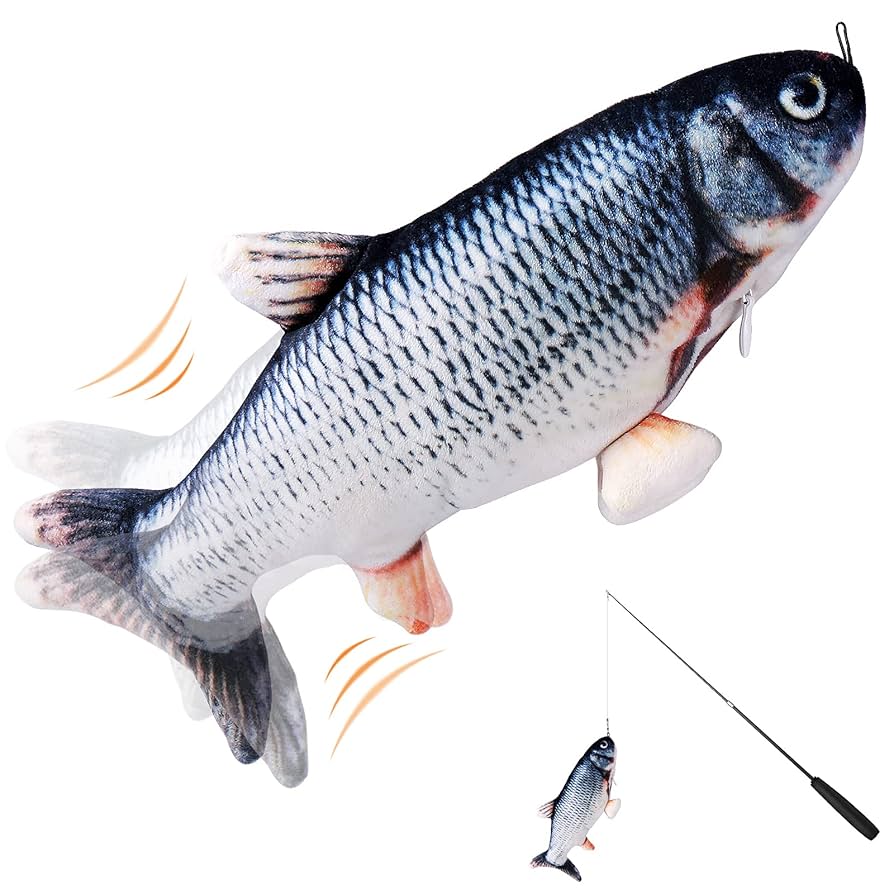
Are you wondering if fishing line is safe to use for your cat’s toys? You want to keep your furry friend entertained, but safety is your top priority.
Using fishing line might seem like a clever and cheap option, but could it put your cat at risk? Before you tie that string or make a homemade toy, it’s important to know the facts. Keep reading to discover what you should consider, so you can keep your cat happy and safe at the same time.
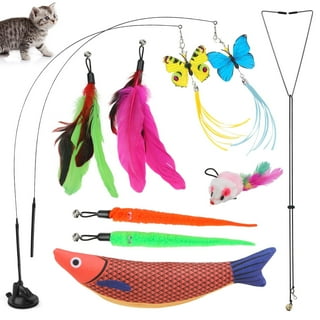
Credit: www.walmart.com
Risks Of Using Fishing Line
Using fishing line as a cat toy might seem like a clever idea because it’s thin, strong, and easy to manipulate. But before you toss that spool into your pet’s playtime, consider the risks involved. Fishing line can pose serious dangers that often go unnoticed until it’s too late.
Choking Hazards
Fishing line is thin and slippery, making it easy for cats to swallow accidentally. Unlike thicker ropes or fabric, it can get lodged in their throat or digestive system, causing choking or internal injury.
Have you ever seen a cat cough or gag after playing? That might be a sign of swallowing small pieces of line. It’s not just about the immediate risk—swallowed fishing line can cause blockages that require emergency surgery.
Entanglement Dangers
Fishing line can easily wrap around your cat’s neck, paws, or tail. Because it’s so thin and strong, it can tighten quickly and cut into their skin, leading to painful injuries or even loss of limbs in severe cases.
Imagine your cat suddenly panicking because they’re stuck. This stress can cause them to thrash and hurt themselves more. It’s a silent hazard that many pet owners don’t notice until it’s an emergency.
Toxicity Concerns
Not all fishing lines are created equal. Some contain chemicals or coatings that could be harmful if ingested by your cat. Prolonged exposure to these substances might lead to health problems over time.
Have you checked the label on your fishing line? Avoid using lines that aren’t labeled safe for pets or children. Your cat’s health should never be compromised for a quick and easy toy.

Credit: www.walmart.com
Safe Alternatives To Fishing Line
Fishing line might seem like a handy material for cat toys, but it can be dangerous if swallowed or if it wraps too tightly around your cat’s paws or neck. Luckily, there are safer options that still keep your cat entertained and active. These alternatives reduce risks while offering the same fun and stimulation.
Cotton And Yarn Options
Cotton strings and yarn are soft and flexible, making them excellent for crafting safe cat toys. Unlike fishing line, these materials are less likely to cause injury if your cat chews or swallows small pieces. You can find yarn in various colors and textures, which adds visual appeal to your cat’s playtime.
Try braiding or knotting cotton strings to create interactive toys. They’re gentle on claws and teeth, and if your cat does swallow a small bit, it’s less harmful than synthetic lines. Have you noticed how your cat reacts to different yarn textures? This can guide you in choosing the perfect one.
Commercial Cat Toy Materials
Many commercial toys use materials designed specifically for pet safety. Look for toys made with natural fibers, non-toxic fabrics, and sturdy stitching. These toys often have passed safety standards that reduce choking or ingestion risks.
Brands sometimes use felt, fleece, or even hemp for their cat toys. These options offer durability without compromising safety. You can even find toys filled with catnip or crinkly paper to keep your cat interested without using hazardous materials.
Diy Safe Toy Ideas
Making your own cat toys at home can be rewarding and safe. Use household items like fabric scraps, felt, or old socks to create fun toys. Simply stuffing an old sock with cotton balls or crumpled paper and sewing it shut makes a great batting toy.
Adding a bit of catnip inside your DIY toy can spark your cat’s curiosity. Have you ever seen your cat’s excitement when you present a new homemade toy? It’s a sign that safety and creativity go hand in hand in keeping your furry friend happy.
Signs Of Danger To Watch For
Using fishing line as a cat toy might seem harmless at first, but it can pose serious risks to your furry friend. Recognizing early signs of trouble can make all the difference. Here’s what you need to watch for to keep your cat safe and healthy.
Behavioral Changes
Is your cat suddenly acting withdrawn or restless? Unusual behavior can be a red flag. They might avoid playing, hide more than usual, or show signs of discomfort when you touch their belly.
These changes often mean your cat is in pain or distress. Pay close attention if your playful pet becomes unusually quiet or irritable. It could signal something is wrong inside, possibly related to swallowing or entanglement with fishing line.
Physical Symptoms
Visible signs like vomiting, drooling, or difficulty eating should not be ignored. Your cat might also have a swollen abdomen or show signs of constipation. Sometimes, you might notice fishing line stuck around their mouth, paws, or tail.
Look for limping or difficulty moving, which can suggest the line is causing internal damage. Even subtle signs like excessive grooming or scratching near the mouth or belly can indicate discomfort.
Emergency Response
If you spot any of these signs, act quickly. Contact your vet immediately—delaying treatment can lead to serious complications. Avoid trying to pull out the fishing line yourself as it might cause more harm.
Prepare to describe your cat’s symptoms clearly and whether you saw them playing with fishing line. Quick action can save your cat’s life, so don’t hesitate to seek professional help.

Credit: www.walmart.com
Best Practices For Cat Toy Safety
Cats love to play with toys, but safety is key. Fishing line is a popular choice for cat toys, yet it poses risks. Following best practices ensures your cat plays safely. Let’s explore effective safety measures.
Supervised Playtime
Always watch your cat during play. Cats can get tangled in strings. Supervision prevents accidents and ensures safe play. Stay nearby and observe your cat’s actions.
Regular Toy Inspection
Check toys for wear and tear. Damaged toys can be dangerous. Look for frayed strings or broken parts. Replace any toy that looks unsafe. Regular checks keep playtime hazard-free.
Proper Toy Storage
Store toys in a safe place after play. Cats can access toys when unsupervised. Secure storage prevents unintended play and potential harm. Use a box or drawer for easy access and safety.
Expert Recommendations
Expert recommendations provide clear guidance on using fishing line safely as a cat toy. Professionals stress the importance of supervision and choosing alternatives to protect cats from harm. These insights help pet owners make informed decisions for their furry friends.
Veterinarian Advice
Veterinarians warn that fishing line can cause serious injuries. It may get tangled around a cat’s neck or paws, leading to cuts or choking. If swallowed, it can block the intestines and require surgery. Experts advise using safer, pet-specific toys instead.
Pet Safety Guidelines
- Never leave cats alone with fishing line.
- Use soft, flexible toys designed for cats.
- Regularly inspect toys for damage or loose strings.
- Replace worn-out toys immediately.
- Supervise playtime to prevent accidents.
Resources For Pet Owners
Many websites and animal shelters offer advice on safe cat toys. Trusted sources provide lists of recommended products and tips for safe play. Pet owners can also consult veterinarians for personalized recommendations.
Frequently Asked Questions
Is Fishing Line Safe To Use For Cat Toys?
Fishing line can be unsafe for cat toys. It is thin and strong, posing strangulation risks. Cats may swallow it, causing internal injuries. Safer alternatives like cotton or wool yarn are recommended for homemade cat toys.
What Are The Dangers Of Fishing Line For Cats?
Fishing line can cause choking, cuts, or intestinal blockages in cats. Its strength and thinness make it easy to swallow or get tangled. These injuries may require emergency veterinary care. Always supervise cats with toys containing fishing line.
Can Cats Chew And Swallow Fishing Line?
Yes, cats can easily chew and swallow fishing line. This can lead to serious internal damage or blockages. Swallowed fishing line is a medical emergency requiring immediate vet attention. Avoid toys with fishing line to keep cats safe.
Are There Safer Alternatives To Fishing Line For Cat Toys?
Yes, safer alternatives include cotton, wool, or polyester yarn. These materials are softer, less likely to cause injury, and more digestible if swallowed. They are also easy to find and can be used to create fun, safe cat toys at home.
Conclusion
Fishing line can be risky for cat toys. It may cause choking or cuts. Cats can swallow small pieces by accident. Always choose safe materials designed for pets. Supervise playtime to avoid accidents. Soft yarn or fabric strips work well.
Keep your cat’s safety as the top priority. Play should be fun, not dangerous. Simple choices keep your pet happy and healthy.



Leave a Reply