Have you ever watched your cats gently licking each other and wondered, “Is this normal?” Seeing your furry friends groom one another can be both adorable and puzzling. You might ask yourself if this behavior means they’re happy, stressed, or something else entirely.
Understanding why your cats groom each other can reveal a lot about their relationship and well-being. Keep reading to discover what this behavior really means and how it affects your cats’ bond.
Why Cats Groom Each Other
Cats grooming each other is a common and natural behavior. This act, called allogrooming, has many reasons behind it. It helps cats in more ways than just cleaning. Understanding why cats groom each other reveals much about their social life and well-being.
Social Bonding And Trust
Grooming shows strong bonds between cats. It builds trust and friendship. Cats that groom each other feel safe and connected. This behavior often happens among family or close friends. It strengthens their group and reduces conflicts.
Mutual Hygiene Benefits
Grooming helps cats keep clean in hard-to-reach areas. Cats cannot always clean every spot alone. By grooming each other, they remove dirt and loose fur. This keeps their coats healthy and shiny. It also helps control parasites like fleas.
Stress Reduction
Grooming lowers stress in cats. It creates a calm and relaxed feeling. Cats may groom each other during or after stressful events. This act soothes nerves and promotes peace. It helps maintain harmony in their environment.
Common Grooming Behaviors
Observing your cats grooming each other can be both fascinating and heartwarming. This behavior, often called allogrooming, is quite common among cats that share a close bond. Understanding the typical grooming actions helps you recognize when your cats are simply showing affection or if something else might be going on.
Licking And Nibbling
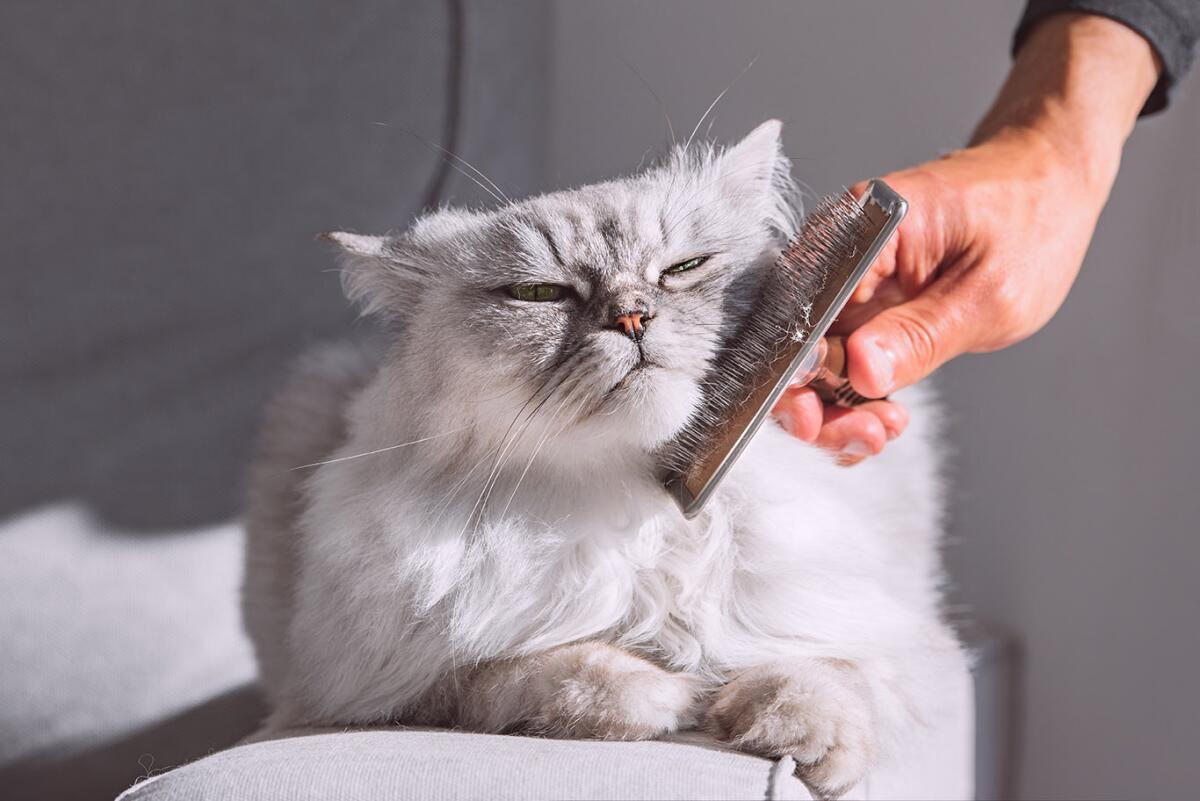
Licking is the most frequent grooming action you’ll see between cats. It’s gentle and rhythmic, serving both to clean and comfort. Sometimes, licking is paired with light nibbling, which isn’t about biting but more about gently removing loose fur or dirt.
Have you noticed your cats licking each other’s heads or necks? These spots are hard for a cat to reach on their own, so this behavior shows trust. It’s also a way they reduce stress together, creating a calming effect.
Target Areas For Grooming
Cats tend to focus on specific spots when grooming each other. Common target areas include the head, neck, ears, and back. These are places cats find difficult to reach themselves, so your cats are helping each other out.
Grooming around the face and ears also strengthens their social bond. If your cats skip certain areas or seem hesitant, it might hint at discomfort or tension between them. Have you spotted any favorite grooming zones your cats return to?
Frequency And Duration
The time your cats spend grooming each other varies widely. Some pairs may engage in short, frequent sessions, while others prefer longer grooming bouts now and then. Typically, a few minutes of grooming is normal and healthy.
If grooming becomes too excessive or turns into aggressive biting, it could signal stress or dominance issues. Watching how often and how long your cats groom each other can help you understand their relationship better. Do you see a pattern in your cats’ grooming habits that tells a story?
What Grooming Reveals About Cat Relationships
Cats grooming each other is more than just cleaning. It reveals deep meanings about their social bonds and behavior. This shared activity shows how cats relate, communicate, and live together. Watching them groom can tell you a lot about their feelings and roles in the group.
Hierarchy And Dominance
Grooming often reflects the social order among cats. Dominant cats usually groom submissive ones more. This act shows control and leadership within the group. Submissive cats accept grooming to stay peaceful. It helps avoid fights and keeps harmony.
Friendship And Affection
Mutual grooming is a sign of friendship and trust. Cats that groom each other share a close bond. This behavior builds warmth and comfort between them. It is like a cat’s way of saying “I care for you.” Such grooming makes cats feel safe and loved.
Conflict Resolution
Grooming can calm tensions after a fight or disagreement. It acts as a peace offering between cats. Licking and grooming help reduce stress and anger. This helps cats forgive and forget quickly. It supports group unity and prevents future conflicts.
When Grooming Becomes A Concern
Cats grooming each other is usually a sign of friendship and trust. It strengthens their bond and keeps their coats clean. But sometimes, grooming can signal problems. It’s important to notice when grooming changes from normal to concerning. This helps keep your cats healthy and happy.
Over-grooming And Stress
Too much grooming can mean stress or anxiety. Cats may lick or bite themselves or others too much. This can cause hair loss or skin sores. Stress triggers include changes in environment, loud noises, or new pets. Watch for repeated grooming in one spot. Over-grooming can harm your cat’s skin and fur.
Aggressive Grooming Signs
Grooming should be gentle and calming. Aggressive grooming looks rough or forceful. Cats may bite hard or pull fur aggressively. It can lead to fights or injuries. If grooming seems painful or one cat tries to escape, it’s a bad sign. Aggressive grooming shows tension or dominance struggles.
Health Issues To Watch For
Sometimes grooming problems come from illness. Skin infections, allergies, or parasites cause itching. Cats may groom more to relieve discomfort. Watch for redness, swelling, or bald patches. Other signs include changes in appetite or energy. Veterinary care can find and treat health issues causing grooming changes.
How To Encourage Healthy Grooming
Cats grooming each other is a sign of affection and trust. Encouraging this behavior strengthens their bond. Here’s how you can support healthy grooming among your cats.
Creating A Comfortable Environment
A peaceful home encourages cats to relax and groom each other. Provide cozy spaces with soft bedding. Ensure each cat has its own resting spot to avoid territorial disputes. Cats feel more secure when they have safe hiding places. This reduces stress and encourages positive interactions.
Introducing New Cats
Introduce new cats gradually to prevent stress and aggression. Start with short, supervised interactions. Use a baby gate or screen door to allow safe visual contact. Swap their bedding to help them get used to each other’s scent. Reward calm behavior with treats and praise. Patience is key to successful introductions.
Monitoring Behavior
Watch for signs of over-grooming or aggression. Excessive grooming can indicate stress or health issues. If you notice bald spots or irritated skin, consult a vet. Aggressive behavior during grooming may need intervention. Redirect their attention with toys or separate them if needed. Always aim for a peaceful, harmonious environment.
Frequently Asked Questions
Why Do Cats Groom Each Other Frequently?
Cats groom each other to strengthen social bonds and show affection. This mutual grooming helps reduce stress and maintain group harmony. It also aids in keeping their fur clean and free from parasites.
Is Mutual Grooming Normal Behavior For Cats?
Yes, mutual grooming is a normal and healthy behavior in cats. It indicates trust and friendship between them. Cats use grooming to communicate and reinforce their social connections.
Can Grooming Prevent Cat Fights Or Aggression?
Mutual grooming can reduce aggression by promoting positive relationships. It helps cats feel calm and connected. Grooming acts as a peaceful interaction that lowers tension within a group.
Does Grooming Mean Cats Are Related Or Siblings?
Not necessarily. Cats groom each other regardless of relation. This behavior is common among bonded cats, whether siblings or not. Grooming reflects companionship, not just family ties.
Conclusion
Cats grooming each other is a normal and healthy behavior. It shows they trust and care for one another. This action helps them stay clean and calm. Watching your cats groom can be very comforting. It also helps build a strong bond between them.
Keep an eye on their grooming habits to ensure all is well. If grooming stops suddenly, it might mean stress or health problems. Overall, mutual grooming is a good sign of friendship and peace among cats. Enjoy these sweet moments with your furry friends.

Leave a Reply