Have you ever watched your cat carefully cleaning itself and wondered, “How long do cats groom for?” Understanding your feline’s grooming habits can tell you a lot about their health and happiness. If you’re curious about why your cat spends so much time licking and cleaning, this article is for you.
By the end, you’ll know not only how long cats typically groom but also what it means for your furry friend’s well-being. Keep reading to discover the secrets behind your cat’s daily self-care routine.
Cat Grooming Habits
Cats are known for their meticulous grooming habits, spending a significant portion of their day cleaning themselves. This self-care routine keeps their fur clean, helps regulate body temperature, and even strengthens their bond with their surroundings. Understanding how and why cats groom can give you insights into their behavior and well-being.
Daily Grooming Routine
Your cat likely spends anywhere from 30 minutes to several hours grooming each day. Grooming is not just about appearance; it helps remove dirt and loose hair, distributes natural oils, and can calm your cat’s nerves. You might notice your cat licking paws, face, and tail repeatedly — this is all part of a carefully timed sequence.
Some cats are more diligent groomers than others. For example, long-haired breeds like Persians often spend more time grooming to prevent mats and tangles. Short-haired cats may finish their routine faster but still maintain the same level of cleanliness.
Factors Influencing Grooming Time
Several factors can affect how long your cat grooms itself. Age plays a role; kittens and young cats often groom less than adults. Older cats may also groom less due to arthritis or other health issues.
Health status is another key factor. Cats with skin conditions, pain, or stress might either groom excessively or neglect grooming entirely. Have you noticed any sudden changes in your cat’s grooming habits? This could be a sign to check with your vet.
Environment and lifestyle matter too. Indoor cats might groom more frequently because they encounter fewer dirt and parasites. Outdoor cats, however, may spend more time cleaning off debris and dealing with external parasites.
Average Grooming Duration
Cats spend a good part of their day grooming. This behavior helps keep their fur clean and healthy. On average, cats groom themselves for about 30 to 50 minutes daily. Some cats groom quickly, while others take their time.
Short Groomers Vs Long Groomers
Some cats groom in short bursts, lasting just a few minutes. These short groomers tend to focus on specific spots. Other cats groom for longer periods, sometimes over 20 minutes at a time. Long groomers often enjoy the process and are very thorough.
Grooming styles vary by personality and breed. For example, short-haired cats may groom faster. Long-haired cats usually need more time to keep their coats tidy. Both styles help cats maintain their health and comfort.
Age And Grooming Time
Age affects how long cats groom. Kittens often groom less and for shorter times. They are still learning the skill. Adult cats spend more time grooming to stay clean.
Older cats might groom less due to stiffness or illness. Their grooming sessions can be shorter or less frequent. Caregivers should check older cats to ensure proper grooming habits continue.
Reasons Cats Groom
Cats spend a surprising amount of time grooming themselves every day. But why do they do it so often? Understanding the reasons behind your cat’s grooming habits can help you better care for their health and happiness.
Hygiene And Cleanliness
Grooming keeps your cat’s fur clean and free of dirt, dust, and parasites. Their rough tongues act like natural brushes, removing loose hair and dead skin. This helps prevent skin infections and keeps their coat shiny and healthy.
Have you noticed how your cat always cleans after eating? This behavior helps reduce food smells that might attract predators or pests. It’s not just about looking good—your cat is protecting itself in subtle ways.
Temperature Regulation
Grooming also helps cats manage their body temperature. When they lick their fur, saliva evaporates, which cools them down on hot days. This natural cooling system is crucial since cats don’t sweat like humans do.
On chilly days, grooming fluffs up their fur, creating insulating air pockets. This helps them stay warm without expending extra energy. Have you ever watched your cat curl up after a grooming session? That’s part of their temperature control routine.
Stress Relief
Grooming isn’t just physical—it’s emotional, too. Cats often groom themselves to calm down when they feel anxious or stressed. You might see your cat licking more during changes at home or after a vet visit.
Think of grooming as your cat’s way to reset and feel safe. It’s similar to how people might pace or fidget when nervous. Recognizing these signs can help you spot when your pet needs extra comfort or attention.
Breed And Grooming Patterns
Cats groom themselves to stay clean and healthy. Grooming habits vary by breed and fur type. Understanding these differences helps in caring for your cat better.
Some cats spend more time grooming because of their fur length and texture. Others have special grooming needs due to their breed traits.
Long-haired Vs Short-haired Cats
Long-haired cats usually spend more time grooming. Their thick fur can easily tangle or mat. Grooming helps prevent knots and keeps their coat smooth.
Short-haired cats groom less often. Their fur is easier to maintain and stays cleaner longer. They still groom daily but need less brushing from owners.
Breed-specific Grooming Needs
Different breeds have unique grooming habits. Persian cats need frequent brushing to avoid mats. Siamese cats groom less but may need help with shedding.
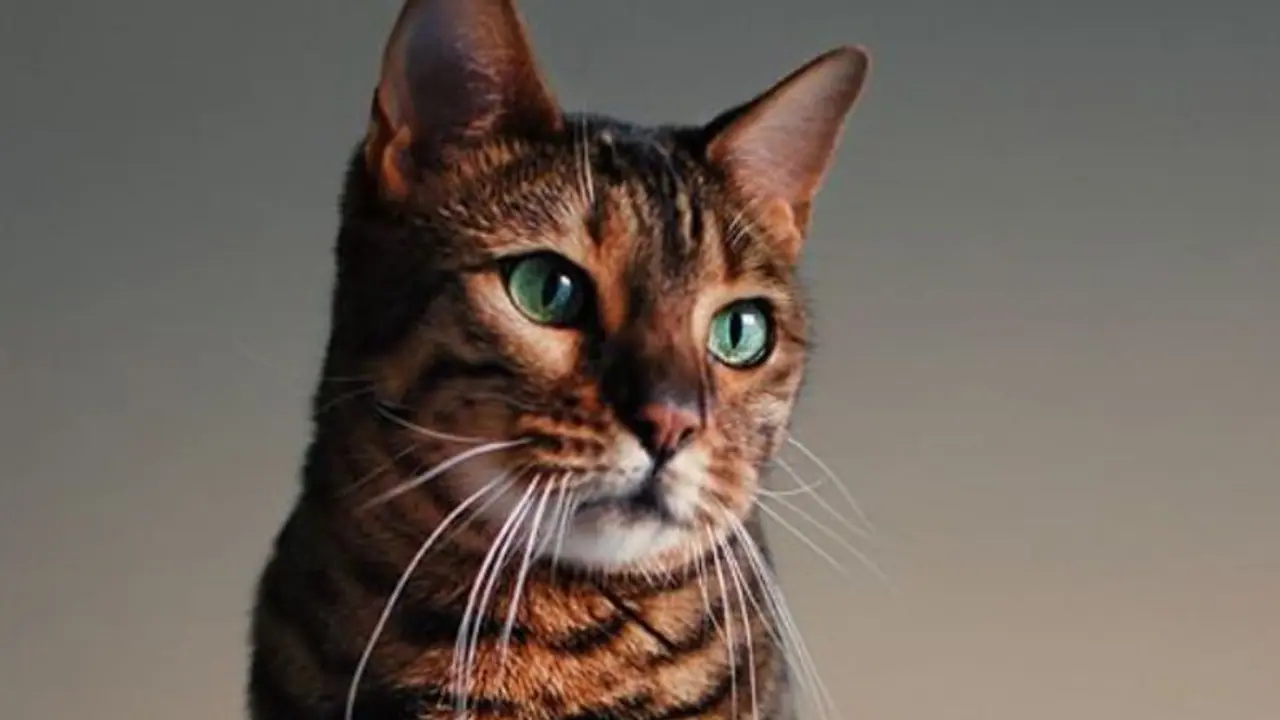
Bengal cats have short, dense coats that require minimal grooming. Maine Coons, with their thick fur, need regular attention to avoid tangles.
Some breeds shed seasonally and groom more during those times. Knowing your cat’s breed helps plan the right grooming routine.
Signs Of Over-grooming
Cats that groom too much may have bald spots or red, irritated skin. Watch for constant licking or biting of the same area. Over-grooming often signals stress, allergies, or health issues needing attention.
Noticing your cat grooming itself is a common sight, but what happens when it becomes excessive? Over-grooming is more than just a grooming obsession; it can signal underlying issues. Cats may groom excessively, leading to bald patches, irritated skin, or even sores. Recognizing these signs early can make a significant difference in your cat’s well-being.Causes Of Excessive Grooming
Understanding why your cat is over-grooming is the first step in addressing the problem. Stress is a common factor. Changes in environment, like moving to a new home or a new pet, can trigger this behavior. Allergies or skin infections might also be culprits, causing discomfort that your cat tries to alleviate through grooming. Medical conditions such as hyperthyroidism or parasites could be the hidden cause. A personal experience with my cat, Whiskers, taught me how quickly a flea infestation can lead to relentless grooming. It was only after a thorough check and treatment that Whiskers found relief.When To Consult A Vet
At what point should you consult a vet? If you notice persistent grooming leading to hair loss or skin damage, it’s time to make that call. Unusual grooming behavior that lasts more than a few days should also be a red flag. Keep an eye out for other symptoms like lethargy or changes in appetite. These could be indicators of a deeper health issue. Your vet can provide a comprehensive check-up and guide you toward the right treatment plan. Could your cat be trying to tell you something? Listen closely to their grooming habits, and you might just catch an issue before it escalates. Being proactive can save your cat from unnecessary discomfort and ensure they continue to purr with happiness.Tips To Support Cat Grooming
Supporting your cat’s grooming routine helps keep its coat clean and healthy. Grooming reduces hairballs and skin problems. Gentle care also builds trust and comfort between you and your pet.
Brushing Techniques
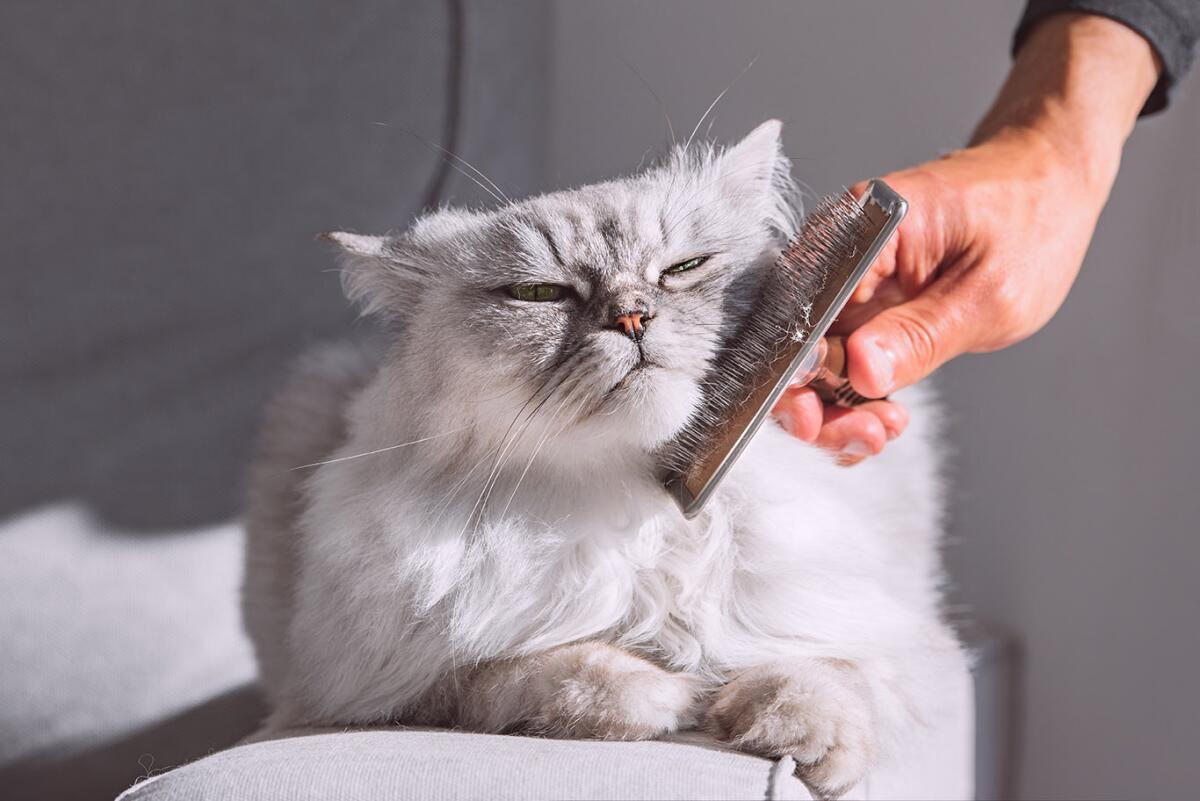
Use a soft brush suited for your cat’s fur type. Brush gently to avoid hurting the skin. Move in the direction of hair growth. Focus on areas where mats form easily, like behind ears and under legs.
- Brush short-haired cats once a week.
- Brush long-haired cats daily.
- Use a comb to remove loose hair and tangles.
Creating A Comfortable Environment
Choose a quiet, calm place for grooming sessions. Let your cat explore the brush before starting. Speak softly and offer treats to create positive feelings. Keep sessions short and stop if your cat shows stress.
- Groom after playtime or naps when your cat is relaxed.
- Provide a soft surface or blanket to sit on.
- Maintain a regular grooming schedule for routine and ease.
Frequently Asked Questions
How Long Does A Cat Usually Groom Daily?
Cats typically groom for 30 to 50 minutes each day. Grooming helps them stay clean, regulate body temperature, and reduce stress.
Why Do Cats Groom Themselves So Often?
Cats groom to remove dirt, loose fur, and parasites. It also helps them calm down and bond with other cats.
Does Grooming Time Vary By Cat Breed?
Yes, grooming time varies by breed. Long-haired cats usually groom longer than short-haired cats to maintain their coats.
Can Excessive Grooming Indicate Health Problems?
Excessive grooming may signal stress, allergies, or skin infections. Consult a vet if your cat grooms excessively or shows bald spots.
Conclusion
Cats spend a good part of their day grooming. This helps them stay clean and healthy. Grooming also calms them and reduces stress. Most cats groom for about 30 to 50 minutes daily. Some may take longer, some less. Watching your cat’s grooming habits tells you a lot.
Changes might mean health problems. Keep an eye on your furry friend’s behavior. Grooming is natural and important for every cat. It shows they feel safe and comfortable in your home.

Leave a Reply