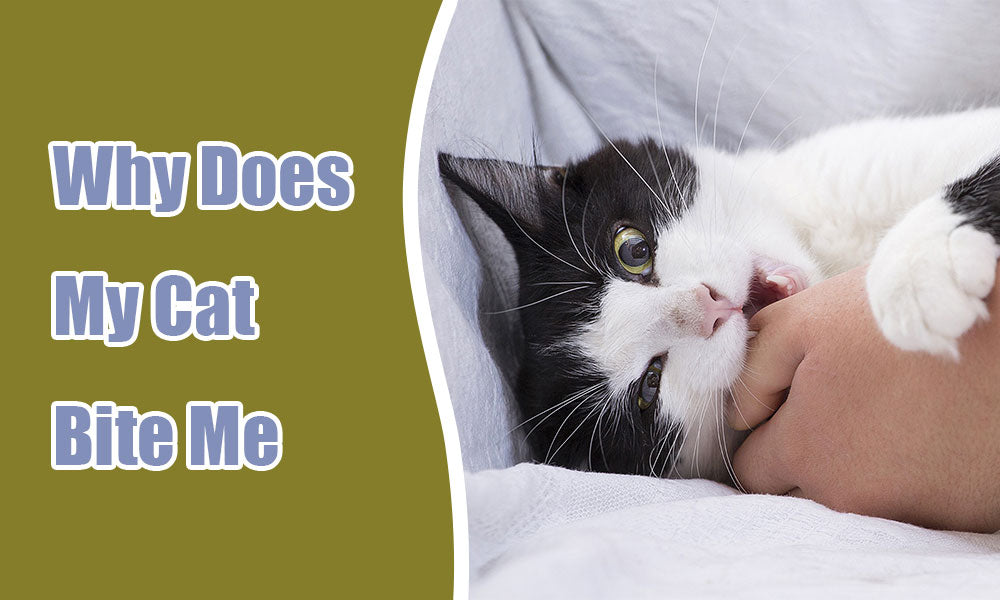
Have you ever felt a sharp nip while grooming your cat and wondered, “Is this normal?” You’re not alone.
Cats often show their affection in unexpected ways, and biting during grooming can leave you confused or even a little worried. But what does this behavior really mean? Understanding why your cat bites while grooming can help you build a stronger bond and keep those moments calm and enjoyable for both of you.
Keep reading to discover the surprising reasons behind this common behavior and how to handle it with confidence.
Why Cats Bite During Grooming
Understanding why cats bite during grooming can help you better connect with your feline friend. Biting is often misunderstood as aggression, but it usually has deeper roots in natural behavior and communication. Let’s look closer at what drives this intriguing feline habit.
Natural Grooming Behaviors
Cats groom themselves and each other using their teeth and tongue. Biting during grooming is part of this behavior, helping to remove dirt, loose fur, and parasites. It’s a gentle nibble, not meant to hurt, but to clean effectively.
Think about how you might pick at something stuck in your hair—cats do the same with their teeth. Sometimes, this nibbling can feel sharp, but it’s usually a sign of thorough grooming rather than aggression.
However, if your cat bites hard or frequently during grooming, it could mean they’re feeling overstimulated or stressed. Pay attention to their body language to understand when it’s time to give them space.
Communication Through Biting
Biting is also a way cats communicate boundaries during grooming sessions. If your cat suddenly bites, it might be telling you, “That’s enough,” or “I’m uncomfortable here.”
Observe if the bite comes with other signals like twitching tails, flattened ears, or a stiff body. These signs often precede a bite and show your cat’s mood.
When my cat started biting mid-groom, I noticed she’d flick her tail just before. Recognizing this helped me stop before the bite, making our grooming time more pleasant.
- Respect your cat’s signals to avoid unwanted bites.
- Use gentle strokes and watch for signs of agitation.
- Shorten grooming sessions if your cat becomes restless.
Have you noticed specific triggers for your cat’s bites during grooming? Understanding these can strengthen your bond and make grooming a positive experience for both of you.
Types Of Grooming Bites
Cats use different types of bites during grooming. These bites show how your cat feels and what it means. Understanding these bites helps you know your cat better. It also helps you respond in the right way. Here are the common types of grooming bites cats use.
Gentle Nibbles
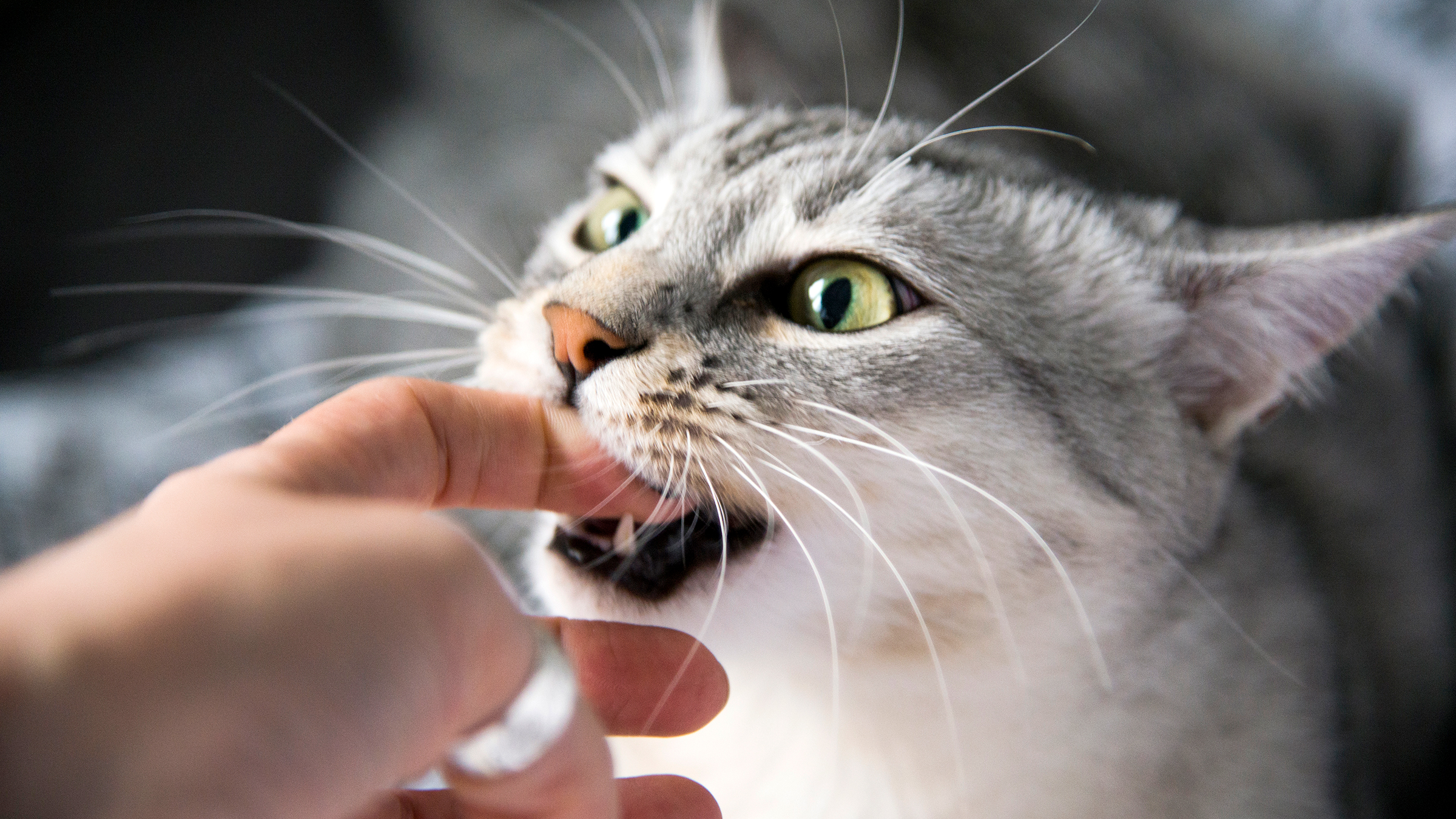
Gentle nibbles are soft and light bites. Cats use them to clean themselves or others. These bites feel like tiny kisses or soft pinches. They are not meant to hurt. Gentle nibbles show trust and affection. Your cat might nibble your hand while grooming you.
Playful Bites
Playful bites are a bit stronger than gentle nibbles. Cats use them during fun or play moments. These bites can be quick and repeated. They are not meant to cause pain. Playful bites show excitement and curiosity. Your cat might bite your fingers to start a game.
Defensive Bites
Defensive bites are sharp and firm. Cats use them to protect themselves. These bites happen if your cat feels scared or annoyed. Defensive bites warn you to stop or back off. They can cause pain or injury. Watch your cat’s body language to avoid these bites.
When Biting Becomes A Problem
Biting during grooming can be a normal part of how cats communicate, but it becomes a problem when it signals deeper issues or causes harm. Understanding when your cat’s biting crosses the line helps you protect both your comfort and your pet’s well-being. Knowing the signs to watch for can make all the difference in handling these moments effectively.
Signs Of Discomfort
Your cat may bite because they feel uneasy or stressed during grooming. Look for signs like flattened ears, a twitching tail, or growling before the bite happens. These signals tell you your cat is uncomfortable and might need a break or a gentler approach.
If your cat suddenly pulls away or stiffens their body, it’s a clear warning that something isn’t right. Have you noticed your cat trying to escape grooming sessions or hiding afterward? These behaviors often accompany discomfort and should not be ignored.
Aggressive Biting Patterns
Aggressive biting is more than a quick nip; it’s forceful and repeated. If your cat bites hard enough to draw blood or continues biting despite your attempts to stop, it’s a serious issue. This type of behavior often indicates fear, pain, or frustration rather than playful nipping.
Watch how your cat bites: Are they aiming for your hand or face? Do they follow the bite with scratching or growling? These aggressive patterns suggest your cat might be overwhelmed or trying to set firm boundaries, which need careful attention and possibly professional advice.
How To Respond To Grooming Bites
Knowing how to respond to grooming bites can change the way you and your cat enjoy those special bonding moments. Biting during grooming is a way cats communicate, but it doesn’t mean you have to accept it without setting clear boundaries. Understanding your cat’s signals and gently guiding their behavior can help keep grooming sessions peaceful and enjoyable for both of you.
Reading Cat’s Body Language
Pay close attention to your cat’s body language before and during grooming. Signs like twitching tails, flattened ears, or a sudden stiffening can indicate that your cat is feeling overstimulated or annoyed. Recognizing these cues early lets you pause or slow down to avoid a bite.
Have you noticed your cat’s pupils dilate or their whiskers pull back? These subtle hints often mean they’re reaching their limit. Observing these signals helps you adjust your approach and prevent bites before they happen.
Redirecting Behavior
If your cat starts to bite during grooming, gently stop the session immediately. Redirect their attention with a favorite toy or a treat to shift their focus away from biting. This teaches your cat that gentle behavior leads to positive rewards.
Consistency is key—each time your cat bites, calmly withdraw your attention and offer something else to engage with. Over time, your cat will learn that biting ends the fun, encouraging them to be more gentle during grooming.
Preventing Grooming Bites
Understanding cat behavior is important for pet owners. Cats may bite while grooming, which is often normal. This behavior can signal affection or overstimulation. Recognizing these signs helps prevent grooming bites, ensuring a peaceful relationship with your feline friend.
Preventing grooming bites from your cat can save both you and your feline friend from unnecessary stress and discomfort. Cats often use their mouths as a form of communication, and a gentle nibble might be their way of telling you something isn’t quite right. Understanding how to manage this behavior can enhance your bonding time with your cat and make grooming a pleasant experience for both of you.Proper Grooming Techniques
Ensuring you have the right tools is crucial. Invest in a cat-friendly brush that doesn’t irritate your cat’s skin. Brush in the direction of your cat’s fur growth to avoid pulling their hair. If your cat starts to nibble, pause and assess if you’re brushing too hard or in a sensitive area.Using Toys And Treats
Distracting your cat with toys can redirect their energy from biting to play. Keep a toy nearby during grooming sessions. Offer treats intermittently to create positive associations with grooming. This can turn a potentially stressful activity into a rewarding one for your cat. Observe your cat’s body language; if they seem agitated, it’s okay to take a break. Your cat will appreciate the patience and understanding. Remember, the goal is to make grooming enjoyable, not a chore. By engaging your cat with toys and treats, you can make each session a bonding moment filled with purrs instead of bites.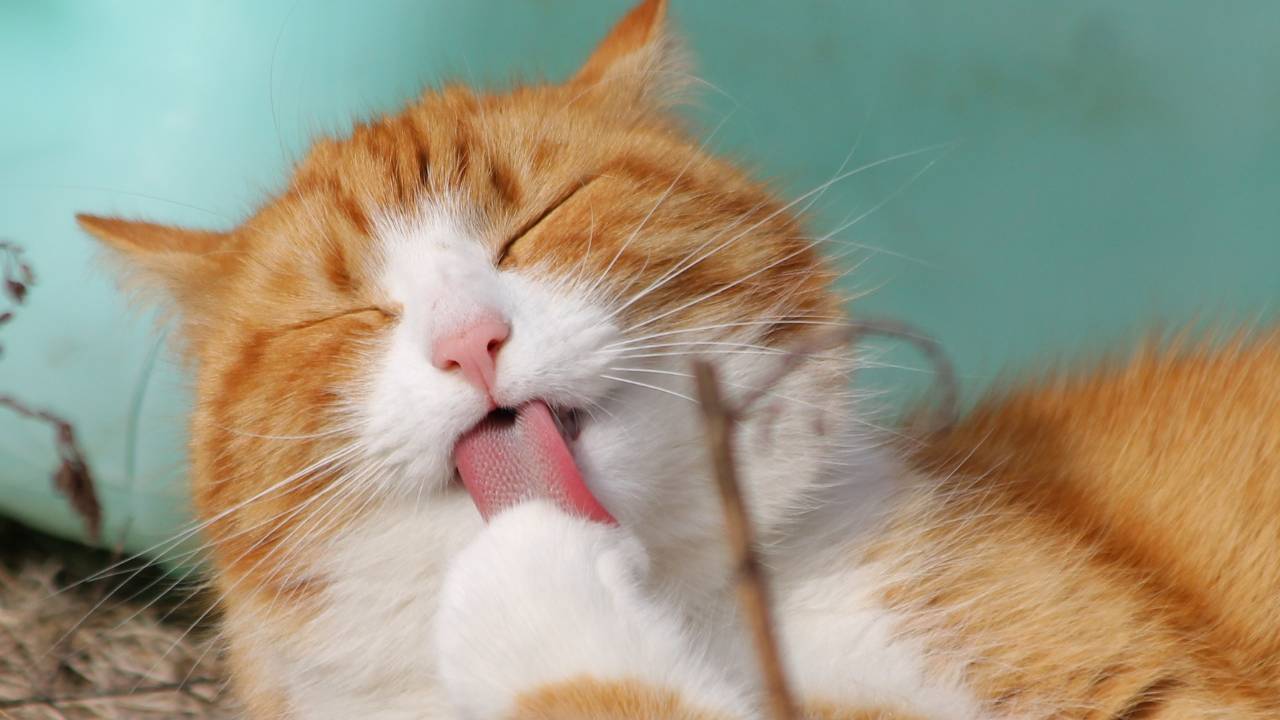
Credit: americanpaws.club
Health Issues Linked To Grooming Biting
Cats often bite during grooming, but this behavior may signal health problems. Some cats bite because they feel discomfort or pain. Understanding these health issues helps prevent further harm and keeps your cat happy.
Skin Irritations
Skin irritations cause cats to bite while grooming. Allergies, fleas, or dry skin can make their skin itchy. The biting is their way to relieve discomfort. Check your cat’s skin for redness, bumps, or flakes. Treating skin problems reduces biting and improves comfort.
Pain Or Sensitivity
Pain makes cats sensitive to touch. Grooming can hurt if there are wounds or infections. Arthritis or muscle pain also causes biting during grooming. Watch for signs like flinching or sudden biting. Gentle handling and vet visits can ease their pain and stop biting.
When To Consult A Veterinarian
Knowing when to consult a veterinarian about your cat’s grooming bites is important. Biting during grooming can be normal, but sometimes it signals a deeper issue. Watching your cat closely helps you decide if professional advice is needed.
Persistent Biting Concerns
If your cat bites often during grooming, it may indicate pain or discomfort. Persistent biting could mean skin problems, allergies, or injury. Check for redness, swelling, or wounds on your cat’s skin. Avoid forcing grooming sessions if biting continues. A veterinarian can examine your cat and suggest treatments to ease discomfort.
Behavioral Changes
Notice changes in your cat’s behavior alongside biting. Increased aggression, hiding, or loss of appetite are warning signs. Such changes may point to stress, illness, or pain. A vet visit can help diagnose the cause and provide proper care. Early intervention improves your cat’s health and happiness.

Credit: www.reddit.com
Credit: www.goodrx.com
Frequently Asked Questions
Why Do Cats Bite During Grooming?
Cats may bite during grooming to communicate discomfort or overstimulation. It is their natural way to set boundaries. Biting can also be playful or a sign of affection, depending on the cat’s mood and behavior.
Is Biting Normal Cat Behavior While Grooming?
Yes, gentle biting during grooming is normal. It helps cats clean hard-to-reach areas. However, aggressive biting might indicate stress, pain, or irritation. Observing your cat’s body language helps identify the cause.
How Can I Stop My Cat From Biting While Grooming?
To reduce biting, groom your cat gently and stop if it shows signs of irritation. Use short sessions and reward calm behavior. Consistent positive reinforcement helps your cat associate grooming with comfort.
When Should I Worry About Cat Biting During Grooming?
Worry if biting is aggressive or causes injury. Excessive biting might signal pain, anxiety, or health issues. Consult a veterinarian if your cat’s biting behavior changes suddenly or worsens over time.
Conclusion
Cats may bite gently while grooming to show affection or clean hard spots. This behavior is usually normal and not harmful. Still, watch for signs of stress or pain. Respect your cat’s limits and stop if biting feels too rough.
Understanding your cat’s grooming bites helps build trust and comfort. Keep grooming sessions calm and positive. This way, your cat stays happy and relaxed during grooming time.




Leave a Reply