If your cat isn’t grooming itself like it should, you might be worried about its health and comfort. You want your furry friend to feel clean and happy, but cleaning a cat that doesn’t groom can feel tricky and even stressful.
Don’t worry—this guide will show you simple, effective ways to keep your cat clean without causing stress for either of you. By the end, you’ll have easy tips that protect your cat’s well-being and strengthen your bond. Ready to learn how to help your cat stay fresh and comfortable?
Let’s dive in.

Credit: cats-magazine.com
Signs Your Cat Needs Cleaning
Not all cats groom themselves perfectly. Some might struggle due to health or age, leaving dirt, mats, or even skin issues unnoticed. Recognizing the signs your cat needs cleaning can prevent discomfort and bigger problems.
Identifying Grooming Difficulties
Look for visible dirt, grease, or an unpleasant smell on your cat’s fur. Matted hair, especially behind the ears or under the legs, often signals they can’t reach those spots well.
You might notice your cat scratching more or seeming restless. Are they avoiding certain movements or hiding? These behaviors can hint that grooming is becoming a challenge.
Health Issues Affecting Grooming
Arthritis or obesity can limit your cat’s flexibility, making it hard to clean themselves properly. Older cats often slow down and may skip grooming sessions entirely.
Dental problems or pain can also reduce grooming motivation. If your cat suddenly stops cleaning, ask yourself if they might be hurting or feeling unwell.
Have you seen patches of missing fur or irritated skin? These could mean infections or allergies preventing your cat from grooming comfortably.
Gathering Cleaning Supplies
Before you start cleaning a cat that doesn’t groom itself, gathering the right supplies is crucial. Having everything ready helps the process go smoothly and reduces stress for both you and your feline friend. You’ll want to focus on items that are gentle, effective, and designed specifically for cats.
Choosing Cat-friendly Shampoo
Not all shampoos are safe for cats. Human or dog shampoos can irritate their skin or cause allergic reactions. Look for shampoos labeled specifically for cats, preferably ones that are free from harsh chemicals and fragrances.
Consider a shampoo with moisturizing ingredients if your cat has dry or sensitive skin. Some brands offer hypoallergenic options, which work well for cats that have never been bathed before or have skin issues. Have you checked the ingredient list lately to avoid anything harmful like parabens or sulfates?
Essential Grooming Tools
Along with shampoo, gather tools that make cleaning easier and less stressful. A soft-bristle brush helps remove loose fur and dirt before the bath. It also calms your cat and makes the washing process smoother.
- A non-slip mat for the sink or tub keeps your cat from slipping and feeling insecure.
- Soft towels or microfiber cloths are perfect for drying your cat gently without pulling their fur.
- A spray nozzle or cup for rinsing helps you control water flow carefully, so you avoid startling your pet.
Having these tools ready can make a big difference. How do you think your cat will respond to a calm and organized bath setup?
Preparing Your Cat For Cleaning
Preparing your cat for cleaning is a crucial step, especially if your cat doesn’t groom itself properly. Cats can be sensitive to new experiences, so setting the right tone before you start can make a big difference. Getting your cat comfortable helps reduce stress and makes the cleaning process smoother for both of you.
Creating A Calm Environment
Start by choosing a quiet room with minimal distractions. Turn off loud noises like TVs or music that might startle your cat.
Soft lighting helps keep your cat relaxed. Bright lights can make them nervous and fidgety.
Consider playing gentle, calming music or nature sounds. These can soothe your cat and create a peaceful atmosphere.
Have all your supplies ready and within reach before bringing your cat in. This avoids sudden movements or leaving your cat alone mid-clean.
Handling Your Cat Safely
Approach your cat slowly and speak in a soft, reassuring voice. Quick moves can trigger anxiety or resistance.
Use a towel to gently wrap your cat if they tend to squirm. Wrapping helps keep them secure without hurting or stressing them.
Pay attention to your cat’s body language—ears back, tail flicking, or growling means it’s time to pause.
Have a helper if possible. One person can hold the cat calmly while the other cleans, making the process safer and quicker.
Step-by-step Cleaning Process
Cleaning a cat that doesn’t groom can be challenging. A structured approach helps. This step-by-step guide ensures your cat stays clean and comfortable.
Brushing Before Bathing
Start with a gentle brush. It removes loose fur and debris. Use a soft-bristled brush to avoid discomfort. Be gentle around sensitive areas like the belly and tail. Brushing helps reduce tangles, making bathing easier.
Bathing Techniques
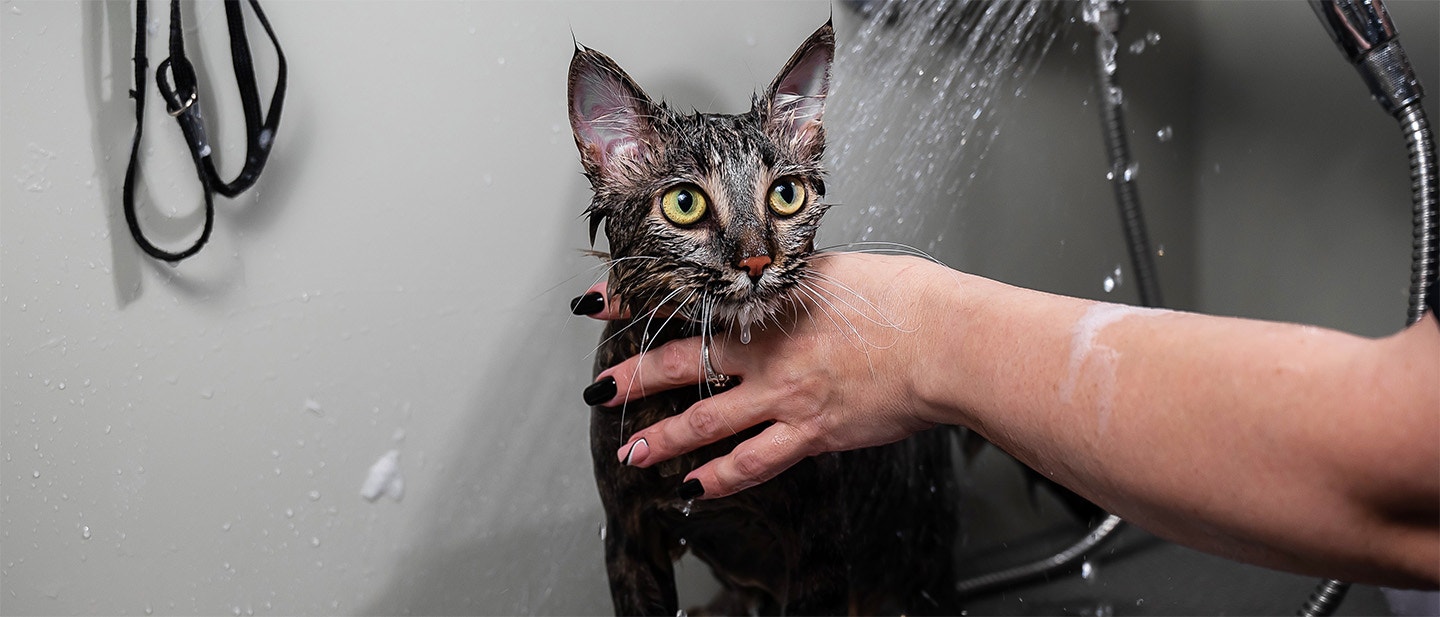
Fill a sink or tub with lukewarm water. Test the water with your wrist. Use a cat-safe shampoo for sensitive skin. Wet your cat slowly, starting from the neck. Avoid the face and ears to prevent discomfort. Lather the shampoo gently into the fur. Rinse thoroughly to remove all soap residue.
Drying Your Cat Properly
Wrap your cat in a soft towel. Pat gently to absorb excess water. Avoid rubbing to prevent tangling. Use a hairdryer on a low setting if your cat tolerates it. Keep the dryer at a safe distance. Ensure your cat is completely dry to avoid chills.
Alternatives To Bathing
Bathing a cat that doesn’t groom itself can be challenging. Luckily, there are alternatives that help keep your feline friend clean without the stress of a full bath. These options are gentle, effective, and usually much easier for both you and your cat.
Using Pet Wipes
Pet wipes are a great way to clean your cat quickly. They are designed to be safe for feline skin and fur, removing dirt and odors without drying out the coat.
Choose wipes that are unscented or have a mild fragrance to avoid irritating your cat. I once used wipes after my cat got into a dusty corner, and it worked wonders—she stayed calm, and her fur looked fresh immediately.
Wipes are also handy for quick cleanups after meals or litter box use. Keep a pack nearby for easy access, especially if your cat resists water baths.
Spot Cleaning Tips
Spot cleaning targets only the dirty areas, avoiding the stress of full-body washing. Use a damp cloth with warm water or a mild pet shampoo diluted in water for stubborn spots.
Gently rub the area without soaking the fur. Pat dry with a soft towel afterward to prevent chills.
- Focus on areas like paws, face, and under the tail where dirt tends to accumulate.
- If your cat has mats, use a comb or brush to loosen debris before cleaning.
- Try to keep your cat calm by speaking softly and offering treats during and after cleaning.
Have you noticed how much easier spot cleaning is compared to a full bath? It’s a simple way to maintain cleanliness and comfort for cats that avoid grooming.
Credit: noblevetclinic.com
Preventing Future Grooming Problems
Preventing future grooming problems helps keep your cat healthy and comfortable. Cats that do not groom themselves need extra care. Establishing good habits can reduce dirt, mats, and skin issues. Focus on simple steps that fit your cat’s needs and lifestyle. Consistency is key to avoid grooming troubles down the road.
Regular Brushing Routine
Brushing your cat often removes loose fur and dirt. It stops tangles and mats from forming. Short-haired cats need brushing once a week. Long-haired cats require brushing several times each week. Use a brush suited for your cat’s fur type. Be gentle to avoid hurting your cat’s skin. Make brushing a calm, positive experience. Reward your cat with treats or praise. A regular routine keeps the coat smooth and healthy.
Diet And Health Considerations
A healthy diet supports your cat’s skin and fur. Proper nutrients keep the coat shiny and strong. Feed high-quality cat food with balanced vitamins and minerals. Omega-3 fatty acids help reduce skin dryness and itching. Fresh water is essential for hydration and skin health. Watch for signs of allergies or skin problems. Consult your vet if your cat’s coat looks dull or patchy. Regular check-ups catch health issues early, preventing grooming difficulties.
When To See A Veterinarian
Knowing when to see a veterinarian is crucial if your cat doesn’t groom itself properly. Sometimes, a lack of grooming points to underlying health problems that need professional attention. Ignoring these signs can lead to discomfort and worsening conditions for your feline friend.
Signs Of Skin Or Health Issues
Watch for patches of missing fur, redness, or swelling on your cat’s skin. These could indicate infections, allergies, or parasites like fleas and mites.
If your cat scratches or licks a specific area excessively, it might be painful or itchy. Changes in behavior such as lethargy, loss of appetite, or unusual aggression can also signal health problems.
Have you noticed a strong odor or discharge from your cat’s skin or eyes? These symptoms often require veterinary diagnosis and treatment.
Professional Grooming Services
Sometimes, even with your best efforts, your cat’s coat gets too tangled or dirty to handle at home. Professional groomers have the tools and experience to manage mats, dirt, and skin issues safely.
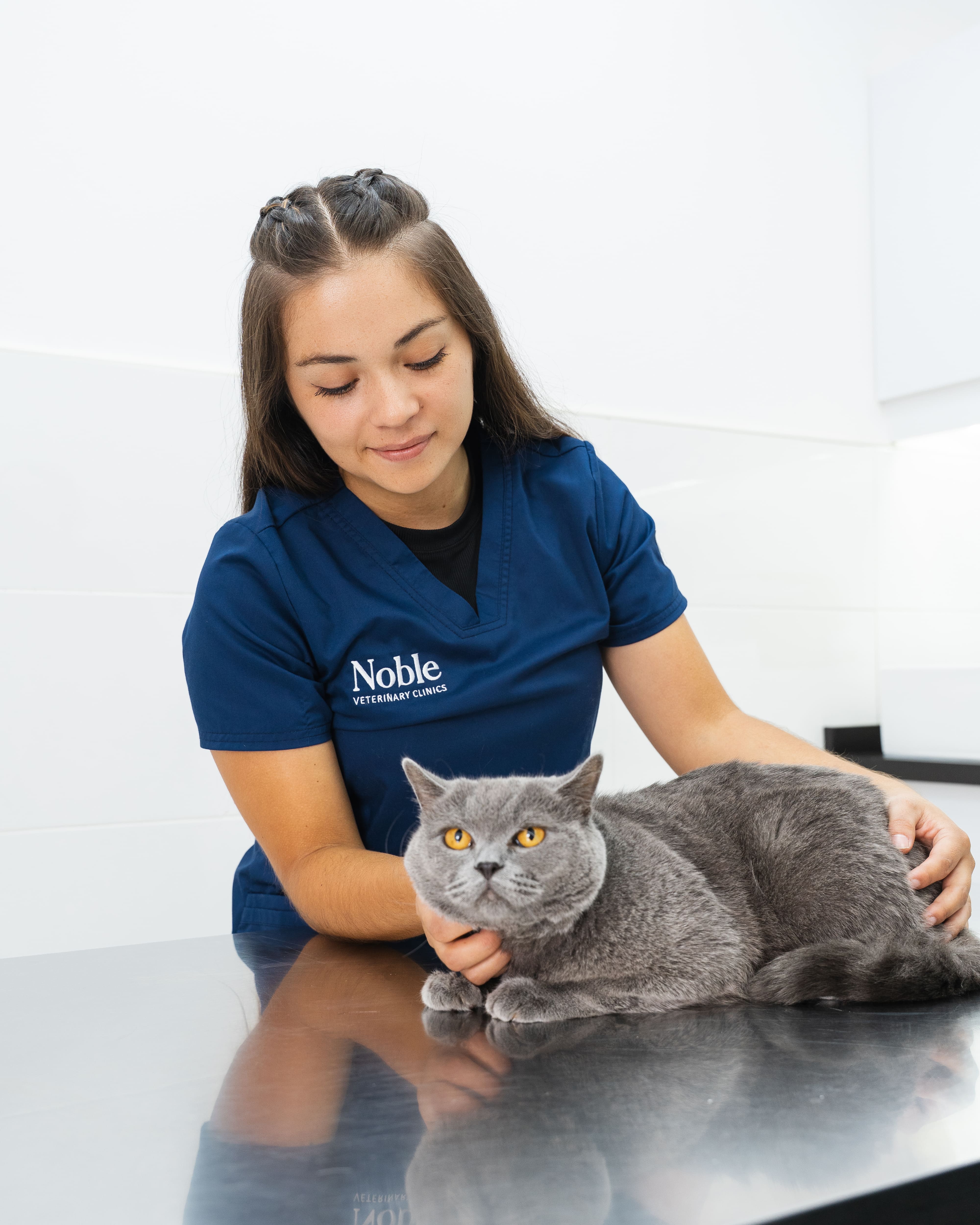
Groomers can also spot health concerns early and advise you to seek veterinary care if needed. Could a grooming appointment be the missing step in your cat’s health routine?
Using professional services doesn’t replace veterinary visits but complements them by keeping your cat clean and comfortable between check-ups.

Credit: www.reddit.com
Frequently Asked Questions
How Often Should I Clean A Cat That Doesn’t Groom?
Clean your cat every 1-2 weeks or as needed. Regular cleaning prevents dirt buildup and skin issues. Adjust frequency based on your cat’s condition and grooming habits.
What Supplies Do I Need To Clean A Non-grooming Cat?
Use cat-safe shampoo, a soft towel, a brush, and warm water. Avoid human shampoos to protect your cat’s sensitive skin. Prepare everything before starting to keep your cat calm.
Can I Clean My Cat With Water Only?
Water alone can remove surface dirt but won’t clean deeply. Use cat-friendly shampoo for thorough cleaning. Always rinse well to avoid residue that may irritate your cat’s skin.
How Do I Calm My Cat During Cleaning?
Speak softly, use gentle strokes, and keep sessions short. Offer treats and breaks to reduce stress. A calm environment helps your cat stay relaxed during cleaning.
Conclusion
Cleaning a cat that doesn’t groom can be simple and stress-free. Use gentle tools and warm water to help your cat stay clean. Regular care prevents skin problems and keeps your pet happy. Take your time and speak softly during cleaning.
Your patience makes the experience better for both of you. Remember, a clean cat feels better and stays healthier. Small steps lead to great results. Keep your cat comfortable and safe at all times.


Leave a Reply