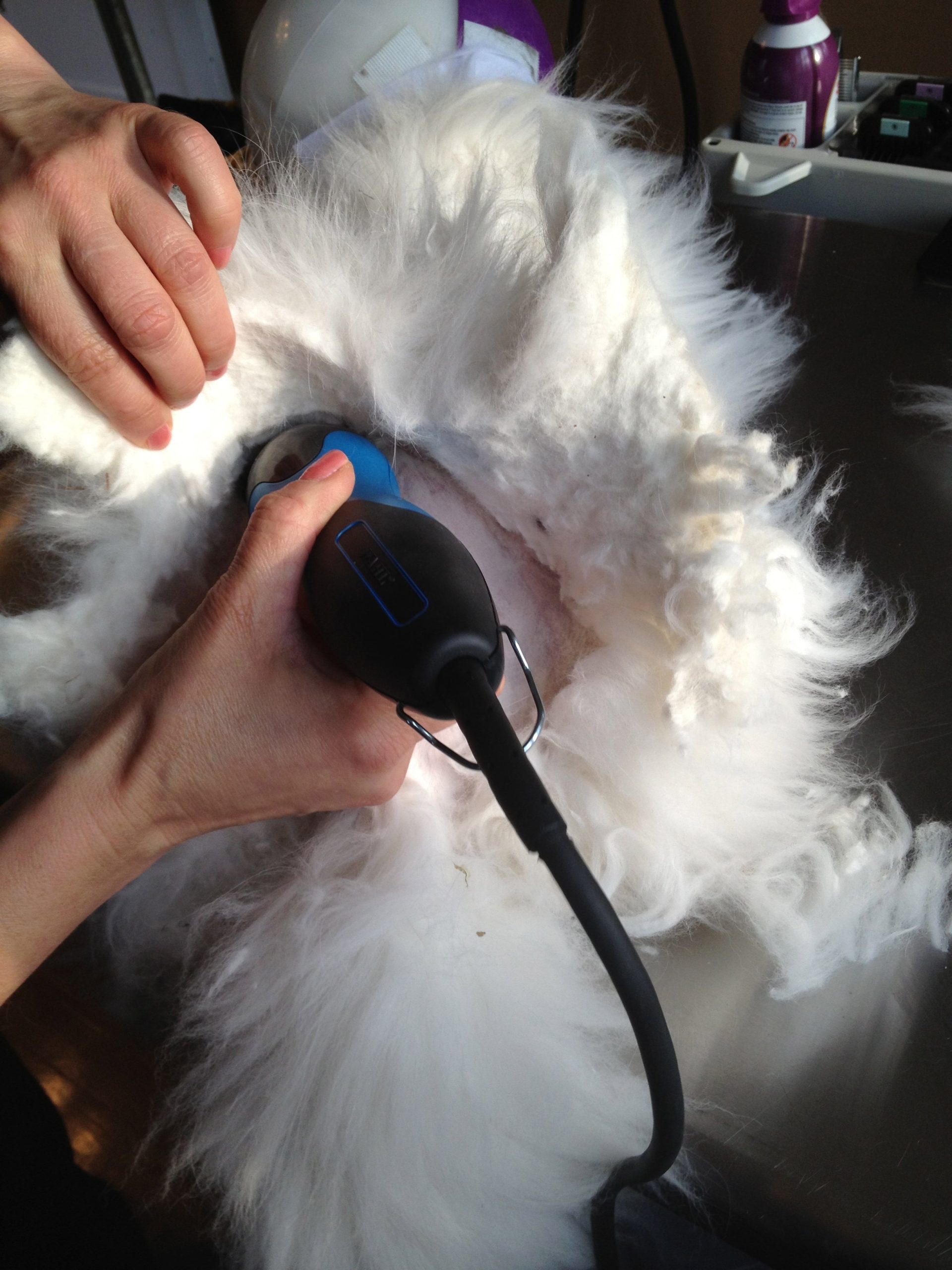
Are you wondering if getting your cat groomed is a bad idea? You’re not alone.
Many cat owners worry about whether professional grooming is safe or stressful for their furry friend. The truth is, grooming can make a big difference in your cat’s health and happiness—but only if it’s done the right way. Keep reading to discover what you need to know before you decide to groom your cat, so you can make the best choice for your beloved pet.

Credit: nationalcatgroomers.com
Benefits Of Cat Grooming
Cat grooming offers many benefits beyond keeping your pet looking nice. It helps maintain your cat’s overall health and comfort. Regular grooming supports a strong bond between you and your cat. It also makes your home cleaner by reducing fur and dander.
Improved Coat Health
Grooming removes dirt, dead skin, and loose hair from your cat’s coat. It spreads natural oils, making the fur shiny and soft. A well-groomed coat prevents mats and tangles that can hurt your cat’s skin. Regular brushing helps keep your cat’s fur healthy and smooth.
Reduced Shedding
Brushing your cat often reduces the amount of hair shed around your home. It catches loose fur before it falls off. This keeps your furniture and clothes cleaner. Less shedding also means fewer hairballs for your cat to deal with.
Early Detection Of Health Issues
Grooming lets you check your cat’s skin and body closely. You can find lumps, bumps, or wounds early. This helps you get vet care quickly if needed. Checking ears and nails during grooming also prevents infections and other problems.

Credit: www.reddit.com
Potential Risks Of Grooming
Grooming helps keep cats clean and healthy. Yet, it can also bring some risks. Knowing these risks helps owners make smart choices for their pets. Careful grooming is important to avoid problems.
Stress And Anxiety In Cats
Many cats feel scared or stressed during grooming. Strange sounds and handling can cause anxiety. Stress may lead to hiding, aggression, or changes in behavior. A calm environment and gentle touch reduce stress. Watching your cat’s reactions is key.
Risk Of Skin Injuries
Grooming tools like brushes and clippers can hurt the skin. Cuts, scrapes, or irritation can happen if used roughly. Cats with thin or sensitive skin are more at risk. Checking the skin before and after grooming helps spot injuries early.
Improper Grooming Techniques
Wrong methods can make grooming harmful. Pulling mats too hard can hurt the cat. Using dull clippers may cause pain or uneven cuts. Lack of knowledge about cat fur types can cause mistakes. Learning proper techniques or hiring a pro is safer.
When To Groom Your Cat
Knowing when to groom your cat helps keep it healthy and comfortable. Grooming is more than just keeping fur neat. It prevents mats, skin problems, and reduces shedding. Timing depends on your cat’s breed, the season, and its health signs. Regular grooming fits your cat’s unique needs best.
Breed-specific Needs
Some cat breeds need more grooming than others. Long-haired cats like Persians need daily brushing to stop tangles. Short-haired breeds need less frequent grooming but still benefit from weekly brushing. Hairless cats require skin care rather than fur grooming. Understanding your breed’s needs helps set a good grooming routine.
Seasonal Grooming Tips
Season changes affect your cat’s coat and skin. In spring and summer, cats shed more to stay cool. Brush more often to remove loose fur. In fall and winter, cats grow thicker coats. Grooming helps avoid mats and keeps skin healthy. Adjust grooming frequency with the seasons for best results.
Signs Your Cat Needs Grooming
- Matted or tangled fur
- Excessive shedding around the house
- Dry, flaky, or irritated skin
- Unpleasant odor from the coat
- Visible dirt or debris in fur
- Reluctance to groom itself
Watch for these signs to decide when grooming is necessary. Regular checks help catch problems early. Grooming keeps your cat happy and healthy.
Professional Vs. At-home Grooming
Deciding between professional grooming and at-home care for your cat can feel tricky. Each option has its perks and challenges. Understanding these differences helps you choose what fits your cat’s needs and your lifestyle best.
Advantages Of Professional Groomers
Professional groomers bring expertise that can make a big difference, especially for cats with thick or matted fur. They know how to handle anxious pets gently, reducing stress for both you and your cat.
Groomers also have specialized tools and products that are often not available to pet owners. This means a cleaner, more thorough grooming session. Plus, they can spot skin issues or parasites early, helping you catch health problems before they worsen.
Have you noticed how some cats seem to tolerate grooming only when done by a calm, experienced person? That’s no coincidence. Professionals create a safe environment that might be hard to replicate at home.
Diy Grooming Essentials
Grooming your cat at home can be rewarding and convenient. You’ll want to invest in a good brush suitable for your cat’s fur type, nail clippers, and perhaps a gentle shampoo if baths are necessary.
Start slow to build trust and make grooming a positive experience. Short sessions with treats and praise work better than forcing long grooming marathons. You might find that your cat enjoys the bonding time, turning grooming into a calming ritual.
Are you prepared to learn your cat’s comfort limits and handle unexpected reactions? Patience and observation are key when grooming at home.
Cost Comparison
| Grooming Type | Average Cost Per Session | Additional Costs | Frequency |
|---|---|---|---|
| Professional Grooming | $50 – $90 | Tips, special treatments | Every 4-8 weeks |
| At-Home Grooming | Initial $20 – $50 (tools) | Replacement tools, shampoos | Weekly or as needed |
Professional grooming costs add up but save time and stress. At-home grooming requires upfront investment in tools but can be more economical long term.
What matters most to you: saving money or saving time? Balancing cost with your cat’s comfort and health is the key to the right choice.
Tips For Stress-free Grooming
Grooming your cat doesn’t have to be stressful. With the right approach, you can make it a pleasant experience. Here are some tips to ensure stress-free grooming for your feline friend.
Creating A Calm Environment
Start by setting the scene. Choose a quiet room with minimal distractions. Soft music can create a soothing atmosphere. Make sure the room temperature is comfortable for your cat.
Let your cat explore the grooming area beforehand. This helps them feel more at ease. Familiar scents like their favorite blanket can also make them feel secure.
Using The Right Tools
Using the correct grooming tools makes a big difference. Brushes and combs should be gentle on your cat’s skin. Opt for tools that suit your cat’s fur type.
A slicker brush works well for most cats. For long-haired breeds, a wide-tooth comb can prevent tangles. Always keep nail clippers handy to trim your cat’s claws safely.
Positive Reinforcement Techniques
Encourage your cat with treats and praise. Offer them a small treat before and after grooming. This helps them associate grooming with positive experiences.
Speak softly to your cat during grooming. Your calm voice reassures them. If your cat becomes anxious, take a break and try again later.
- Use treats to reward calm behavior.
- Give breaks if your cat seems stressed.
- Always end grooming on a positive note.
Common Grooming Myths
Many cat owners hesitate to groom their pets because of common myths. These misconceptions can stop you from giving your cat the care it truly needs. Let’s clear up some popular misunderstandings that might be holding you back.
Cats Don’t Need Grooming
It’s easy to think cats handle all grooming by themselves. While cats do groom regularly, they can miss spots or struggle with thick fur. Long-haired cats especially benefit from regular brushing to avoid painful mats and hairballs.
Have you noticed your cat shedding excessively or having tangled fur? That’s a sign they might need your help. Grooming also reduces allergens around your home and keeps your cat’s skin healthy.
All Cats Hate Baths
Many believe every cat despises water and baths. This isn’t always true. Some cats tolerate or even enjoy a gentle bath if introduced slowly and calmly.
Try using a calm voice and warm water to ease your cat’s stress. Using a wet cloth or pet-friendly wipes can be a good alternative if a full bath is too stressful. Have you tried bathing your cat gently, or avoided it altogether?
Grooming Causes Behavioral Issues
Some worry grooming will make their cat anxious or aggressive. But proper grooming, done patiently and gently, can actually strengthen your bond. Rushing or forcing grooming sessions can upset your cat, but taking it slow helps them trust you.
Start with short grooming times and reward your cat with treats. Have you seen your cat relax after a calm grooming session? It’s a chance to connect, not a cause for trouble.

Credit: vocal.media
Frequently Asked Questions
Is Professional Cat Grooming Harmful To Cats?
Professional cat grooming is generally safe when done by experienced groomers. It helps maintain hygiene and prevents matting. However, stress or improper handling can cause discomfort. Choose groomers skilled in cat care to ensure a positive experience for your pet.
How Often Should Cats Be Professionally Groomed?
Most cats benefit from grooming every 4 to 8 weeks. Frequency depends on coat type and health. Long-haired cats need more frequent grooming to prevent mats. Regular grooming promotes healthy skin, reduces shedding, and keeps cats comfortable.
Can Grooming Reduce Cat Hairballs?
Yes, grooming significantly reduces hairballs by removing loose fur. Brushing and professional grooming prevent fur ingestion during self-cleaning. This helps maintain digestive health and reduces vomiting caused by hairballs in cats.
Does Grooming Stress Cats Out?
Grooming can stress some cats, especially if unfamiliar or anxious. Gradual introduction and gentle handling reduce stress. Professional groomers use calming techniques to ensure cats stay relaxed during sessions.
Conclusion
Getting a cat groomed is not bad at all. It helps keep your cat clean and healthy. Grooming removes dirt, loose fur, and prevents mats. It also helps spot skin problems early. Some cats may feel nervous, but gentle care eases them.
Regular grooming supports their comfort and well-being. Trust a skilled groomer who treats cats kindly. Your cat will look better and feel good too. So, grooming can be a positive part of your cat’s care routine.



Leave a Reply