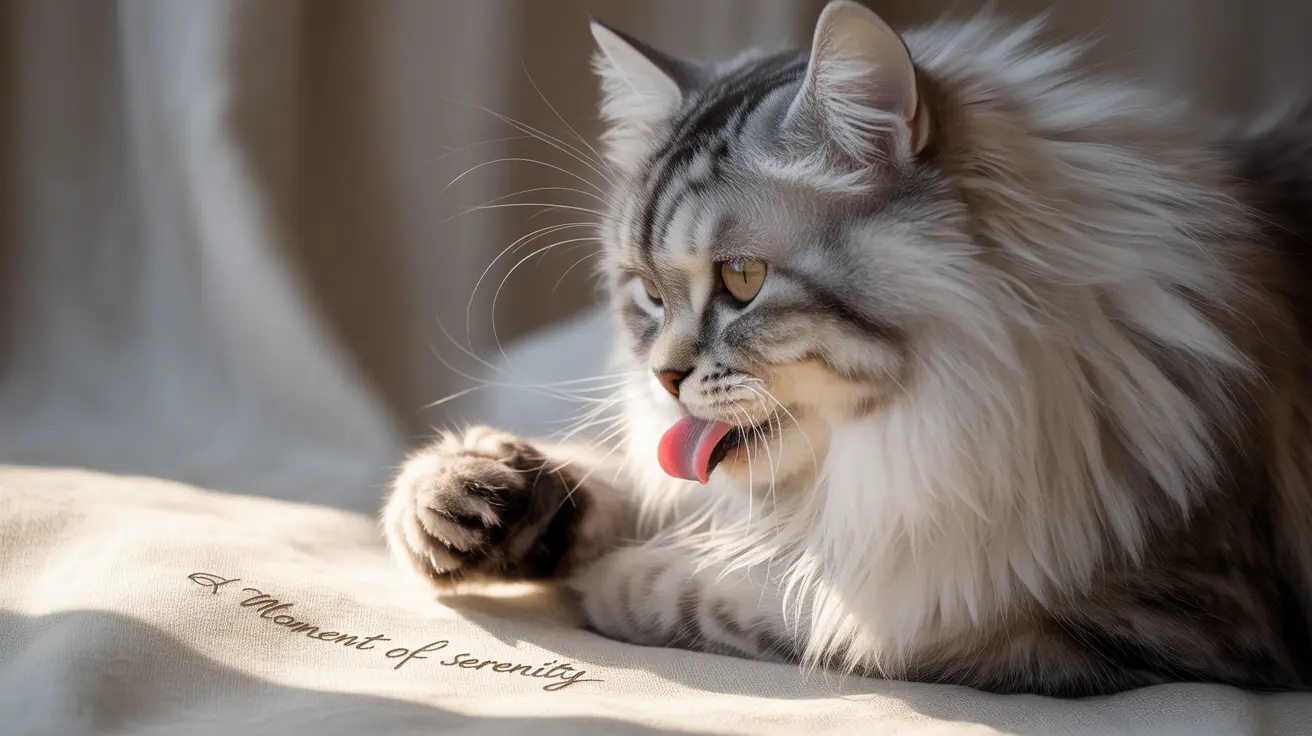
Have you ever noticed your cat spending a lot of time licking its fur and wondered why? You might think your furry friend grooms itself to smell nice, just like you freshen up with a shower.
But is that really the reason? Understanding why cats groom themselves can change the way you care for your pet and deepen your bond. Keep reading to discover the surprising truth behind your cat’s grooming habits—and what it means for their health and happiness.

Credit: www.uahpet.com
Reasons Cats Groom
Cats spend a lot of time grooming themselves every day. Grooming is a natural habit that helps them stay healthy and comfortable. It is not only about looking good but also serves many important purposes. Understanding why cats groom can help you care for your pet better.
Cleaning Fur And Skin
Grooming helps cats remove dirt and loose fur. Their tongues have tiny, rough structures that work like brushes. This keeps their coat clean and shiny. It also stops their fur from matting and tangling. Grooming removes parasites like fleas and ticks too.
Regulating Body Temperature
When cats lick their fur, saliva spreads on their coat. As the saliva dries, it cools the cat down. This helps them stay comfortable in warm weather. Grooming also removes extra fur, which helps with temperature control.
Reducing Stress
Grooming has a calming effect on cats. It helps them relax and feel safe. Cats often groom themselves after a stressful event. This behavior lowers anxiety and keeps their mind calm. Grooming also strengthens their sense of control over their environment.
Grooming And Scent
Cats spend a lot of time grooming themselves. This habit is more than just keeping clean. Grooming also affects their scent. Understanding how grooming and scent connect helps us know why cats lick and clean their fur so often.
Do Cats Groom To Smell Good?
Cats do not groom mainly to smell good for humans. Their grooming helps remove dirt and loose hair. It also reduces odors from sweat and oils on their skin. Grooming keeps their coat smooth and healthy.
Cats have a different sense of smell than people. What may seem like a “bad smell” to humans often does not bother cats. Grooming helps cats stay clean and free from strong smells that might attract predators or other cats.
Natural Cat Odor Explained
Cats have a natural scent that comes from their skin and fur. This scent helps them recognize each other. It comes from oils their skin produces. These oils keep their fur soft and waterproof.
Sometimes, cats may smell a little strong if they are dirty or sick. Regular grooming helps keep this natural odor balanced. It also prevents bad smells from building up.
Role Of Saliva In Grooming
Saliva plays an important role in cat grooming. When cats lick their fur, saliva spreads over the hair and skin. This saliva contains enzymes that clean the fur and kill some bacteria.
Saliva also helps cool cats down. As it evaporates, it lowers their body temperature. Grooming with saliva keeps cats clean, healthy, and comfortable.
Grooming Behavior Patterns
Cats spend a lot of time grooming themselves. This behavior keeps them clean and healthy. Grooming also helps cats control their body temperature and reduce stress. Understanding how cats groom reveals why they often smell fresh and clean.
Frequency Of Grooming
Cats groom several times a day, sometimes up to half their waking hours. Short grooming sessions happen frequently to maintain cleanliness. After eating or waking up, grooming is common. Older cats may groom less often due to health issues. Kittens learn grooming by watching their mothers.
Grooming Different Body Parts
Cats use their tongues to clean almost every part of their body. The tongue’s rough texture helps remove dirt and loose fur. They start with the face, especially around the eyes and ears. Then, they move to the neck, back, and legs. Cats stretch and twist to reach difficult areas like their belly and tail.
Social Grooming Among Cats
Cats living together often groom each other, called allogrooming. This strengthens bonds and reduces tension between cats. They usually groom the head and neck, places hard to reach alone. Social grooming also helps spread each cat’s unique scent. This scent sharing builds a sense of family and safety.
When Grooming Signals Issues
Grooming is a natural habit for cats, but changes in this behavior often tell a deeper story. Paying attention to how your cat grooms can reveal health or emotional issues you might otherwise miss. Understanding these signals helps you respond before problems worsen.
Over-grooming Concerns
When your cat grooms excessively, it can damage their skin and fur. This might be a sign of stress, anxiety, or allergies rather than just a desire to stay clean.
Have you noticed bald patches or red spots on your cat’s skin? These could result from over-grooming and need a vet’s attention. Sometimes, adding calming toys or more playtime reduces this behavior.
Lack Of Grooming And Health
If your cat suddenly stops grooming, it might mean they’re feeling unwell or depressed. Older cats or those with arthritis may find grooming painful or difficult.
Look for matted fur or a greasy coat, which can indicate your cat isn’t grooming enough. Encouraging gentle brushing can help maintain their coat and spot health issues early.
Skin Conditions And Grooming
Skin problems often show up through changes in grooming habits. Cats with fleas, mites, or infections might groom less or focus on itchy areas.
Check for swelling, scabs, or unusual odors, which can mean infection or irritation. Early treatment improves comfort and prevents the condition from worsening.
Enhancing Cat Hygiene
Enhancing cat hygiene plays a vital role in ensuring your feline friend remains healthy and happy. Cats are known for their self-grooming habits, using their tongue to clean their fur meticulously. However, as a cat owner, there are additional steps you can take to support your cat’s grooming efforts and contribute to their overall well-being.
Owner’s Role In Grooming
Your involvement in your cat’s grooming routine can significantly impact their hygiene and health. Regular brushing helps remove loose fur and reduces the risk of hairballs. It also gives you an opportunity to check for any skin issues or parasites.
Consider this: how often do you brush your cat? Doing so a few times a week can make a noticeable difference in their coat’s appearance and cleanliness. Plus, it strengthens your bond with your feline companion.
Using Cat-safe Products
When assisting with grooming, always opt for products specifically designed for cats. Human shampoos and conditioners can irritate a cat’s skin and lead to discomfort.
Look for cat-safe shampoos that are gentle and free from harsh chemicals. If you’re unsure about which products to use, consult your veterinarian for recommendations tailored to your cat’s needs.
Maintaining A Clean Environment
A clean living space is crucial for maintaining your cat’s hygiene. Regularly cleaning your cat’s bedding, litter box, and play areas can prevent the buildup of dirt and bacteria.
Think about how often you clean your cat’s environment. Is there room for improvement? Keeping their surroundings tidy not only benefits your cat but also contributes to a fresher-smelling home.
By taking these steps, you actively enhance your cat’s grooming habits and ensure they stay healthy and content. After all, a well-groomed cat is a happy cat!
Credit: www.petscare.com
Credit: www.diamondpet.com
Frequently Asked Questions
Do Cats Groom Themselves To Smell Good?
Cats groom themselves primarily to stay clean and remove dirt. Their saliva has a mild scent, but grooming is more about hygiene than smelling good to humans.
How Often Do Cats Groom Themselves Daily?
Cats typically groom themselves for about 30-50% of their waking hours daily. This frequent grooming helps maintain their fur’s cleanliness and skin health.
Does Grooming Help Cats Reduce Stress?
Yes, grooming acts as a stress-reliever for cats. It calms them and helps regulate body temperature, contributing to their overall well-being.
Can Grooming Prevent Skin Problems In Cats?
Regular grooming removes loose fur and prevents mats, reducing the risk of skin infections and parasites. It’s essential for a healthy coat.
Conclusion
Cats groom themselves mainly to stay clean and healthy. Their licking removes dirt and loose fur. This helps stop bad smells from building up. Grooming also cools cats down and reduces stress. So, while they may not groom just to smell good, it is a helpful result.
Watching a cat clean itself shows how smart they are. Their natural habits keep them fresh in simple ways. Caring for your cat means supporting these grooming routines. Clean cats feel better and live happier lives.



Leave a Reply