Have you ever wondered if the cat hair floating around your home could be harming your health? If you love your furry friend but worry about sneezing, itchy eyes, or worse, you’re not alone.
Cat hair is everywhere—from your clothes to your furniture—and it’s natural to ask: is it just a nuisance, or could it actually affect your well-being? You’ll discover what science says about cat hair and your health, and learn simple steps to keep your home safe and comfortable.
Keep reading to find out how to protect yourself without giving up the joy of having a cat around.

Credit: www.holistapet.com
Cat Hair And Allergies
Cat hair often gets blamed for allergic reactions, but the real culprit is a protein found in cat saliva, skin flakes, and urine that sticks to the hair. When cats groom themselves, this protein transfers to their fur and spreads around your home. Understanding how cat hair interacts with allergies can help you manage your environment better and decide if a cat is the right pet for you.
How Cat Hair Triggers Allergic Reactions
It’s not the hair itself but the allergens attached to it that cause problems. When cat hair sheds, these tiny proteins become airborne or settle on surfaces. You might breathe them in or touch them unknowingly, which triggers your immune system to react.
Think about the last time you sneezed or felt itchy around a cat. That’s your body’s defense system going into overdrive. The allergens can stick to clothes, furniture, and even your bedding, making it easy for symptoms to flare up long after the cat has left the room.
Symptoms Linked To Cat Allergies
Cat allergies can show up in many ways, and some might surprise you. Common signs include sneezing, runny or stuffy nose, and itchy, watery eyes. You might also experience skin rashes or hives after petting a cat.
More severe reactions include coughing, wheezing, or shortness of breath, especially if you have asthma. If you notice these symptoms, paying close attention to your environment could reveal hidden cat allergens causing your discomfort.
Who Is Most At Risk
Not everyone reacts to cats the same way. People with a family history of allergies or asthma are more likely to develop cat allergies. Kids and adults with sensitive immune systems often experience stronger reactions.
Have you ever wondered why some friends live with cats without issues while others avoid them completely? Genetics, previous exposure, and overall health all play roles. If you suspect you’re at risk, getting tested can give you a clearer picture and help you make informed choices.
Respiratory Issues And Cat Hair
Respiratory issues linked to cat hair concern many pet owners and allergy sufferers. Cat hair carries proteins from cat skin, saliva, and urine. These proteins can trigger allergic reactions and breathing problems. Understanding the connection between cat hair and respiratory health helps manage symptoms effectively.
Asthma And Cat Hair Exposure
Cat hair can worsen asthma symptoms in sensitive people. Allergens stick to the hair and spread through the air. Breathing in these allergens may cause wheezing, coughing, and shortness of breath. Asthma attacks can become more frequent and severe with ongoing exposure.
Impact On Lung Health
Continuous exposure to cat hair allergens can irritate the lungs. This irritation may lead to inflammation and reduced lung function. People without asthma might develop mild respiratory issues such as coughing or throat irritation. Those with pre-existing lung conditions should be extra cautious.
Preventive Measures For Sensitive Individuals
- Keep cats out of bedrooms and sleeping areas.
- Use HEPA air filters to reduce airborne allergens.
- Clean floors and furniture regularly with a vacuum designed for pet hair.
- Wash hands after touching cats or their belongings.
- Consider allergy medications or consult a doctor for advice.
Cat Hair And Skin Problems
Cat hair can cause skin problems for some people. Tiny hair strands and dander may irritate the skin. This can lead to itching, redness, and rashes. People with sensitive skin or allergies might notice these effects more.
Understanding the causes and how to manage skin reactions helps keep skin healthy. Knowing when to get medical help is also important.
Causes Of Skin Irritation
- Cat hair carries dander, which triggers allergic reactions.
- Proteins in cat saliva and urine stick to hair and skin.
- Direct contact with cat hair can cause contact dermatitis.
- Scratches or bites may introduce bacteria, causing infections.
Managing Cat Hair Contact Dermatitis
- Wash skin with mild soap and water after contact.
- Use moisturizers to soothe dry and irritated skin.
- Avoid touching your face after petting cats.
- Wear long sleeves to reduce skin exposure to hair.
- Keep your home clean by vacuuming and dusting regularly.
When To Seek Medical Help
- Skin swelling or severe redness lasts more than a day.
- Blisters or open sores develop on the skin.
- Intense itching disrupts sleep or daily activities.
- Signs of infection, like pus or spreading redness, appear.
- Over-the-counter creams do not improve the condition.
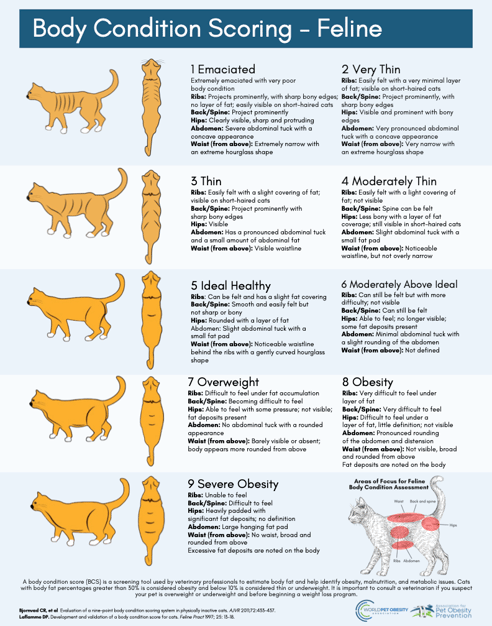
Credit: www.preventivevet.com
Contaminants In Cat Hair
Cat hair may look harmless, but it can harbor contaminants. These tiny particles can affect health, especially for those with allergies or compromised immune systems. Understanding what cat hair can carry is important for maintaining a clean environment.
Bacteria And Parasites On Cat Fur
Cat fur can host bacteria and parasites. Outdoor cats often pick up these from their environment. Indoor cats might still carry bacteria from their litter boxes. Common parasites include fleas and mites. These can cause discomfort and health issues in both cats and humans.
Risks Of Infections
Cat hair can lead to infections. People with allergies might experience respiratory issues. Those with weakened immune systems are at higher risk. Bacteria from cat fur can enter the body through cuts or scratches. This can lead to skin infections or more serious health problems.
Effective Cleaning And Grooming Tips
Regular cleaning reduces the risk of contaminants. Vacuum carpets and furniture often. Use a vacuum with a HEPA filter to trap allergens. Wash pet bedding frequently. Groom your cat regularly to minimize shedding. Brush their fur to remove loose hairs and dirt. Consider professional grooming if necessary.
Benefits Of Having Cats Despite Hair
Cat hair might cause concern for some, but the benefits of having cats outweigh the downsides. Cats bring joy and comfort to many homes worldwide. Their presence improves daily life in several important ways. Understanding these benefits helps balance worries about hair and health.
Emotional And Mental Health Boost
Cats provide companionship that reduces feelings of loneliness. Petting a cat can lower stress and anxiety. Their playful nature lifts moods and brings laughter. People with cats often feel calmer and happier. This emotional support helps improve mental well-being.
Immune System Advantages
Exposure to cats can strengthen the immune system. Early contact with cat hair may reduce allergies in children. This exposure helps the body build defenses naturally. Living with cats can make immune responses stronger. It trains the body to handle allergens better.
Balancing Risks And Rewards
Cat hair can cause mild allergies for some people. Simple cleaning routines reduce hair and dander in the home. Using air purifiers and regular grooming helps manage shedding. The health and happiness cats bring often outweigh small risks. Awareness and care make living with cats safe and rewarding.
Reducing Cat Hair Exposure
Reducing cat hair exposure helps maintain a cleaner and healthier home. Cat hair can cause allergies and irritate the skin or lungs. Simple habits and smart choices reduce hair buildup and improve air quality. Small efforts daily make a big difference in keeping cat hair under control.
Home Cleaning Strategies
Regular cleaning removes cat hair from floors and furniture. Use a vacuum with a HEPA filter for best results. Damp cloths or rubber gloves help pick up hair on surfaces. Wash pet bedding and blankets often to reduce hair spread. Air purifiers can trap airborne pet dander and hair. Keep clutter low to prevent hair from collecting in hard-to-clean areas.
Personal Hygiene Tips
Wash hands after petting or grooming your cat. Change clothes if covered in hair before going to bed. Brush your cat outside or in a well-ventilated area. Use grooming tools designed to reduce loose hair. Regular baths for your cat can lower shedding. Avoid touching your face after handling your cat to prevent irritation.
Choosing The Right Cat Breeds
Some cats shed less hair and dander than others. Breeds like the Siamese or Sphynx produce minimal hair. Hypoallergenic breeds reduce allergy risks and hair spread. Research breed traits before adopting a cat. Choose cats with coats that suit your home and health needs. Remember, all cats shed, but some less than others.

Credit: petcube.com
Frequently Asked Questions
Can Cat Hair Cause Allergic Reactions In Humans?
Yes, cat hair can trigger allergies due to proteins in cat dander. These proteins cause sneezing, itching, and watery eyes in sensitive individuals.
Is Cat Hair Harmful To Respiratory Health?
Cat hair itself isn’t harmful, but allergens in dander can worsen asthma or respiratory conditions in some people. Proper cleaning helps reduce risks.
How To Reduce Health Risks From Cat Hair?
Regular grooming and vacuuming reduce cat hair and dander in your home. Using air purifiers also helps improve air quality and minimize allergens.
Can Cat Hair Cause Skin Problems?
Cat hair may irritate sensitive skin or cause itching if allergic. Keeping cats clean and avoiding direct contact can prevent skin issues.
Conclusion
Cat hair can cause mild allergies in some people. Most healthy individuals will not have serious problems. Regular cleaning helps reduce hair and dander in your home. Washing hands after petting cats also lowers risks. Keeping cats groomed limits loose hair around you.
Enjoying a cat usually outweighs small health concerns. Stay aware of your body’s reactions to cat hair. Simple steps keep both you and your cat happy. Living with cats is safe with basic care and attention.



Leave a Reply