Have you ever wondered how hairless cats show off their colors even without fur? It might surprise you how these unique pets groom themselves and reveal their beautiful shades.
If you want to understand what makes your hairless cat’s skin glow and how their colors change, this article is for you. Keep reading to discover the secrets behind their grooming habits and colorful skin that will make you appreciate your feline friend even more.
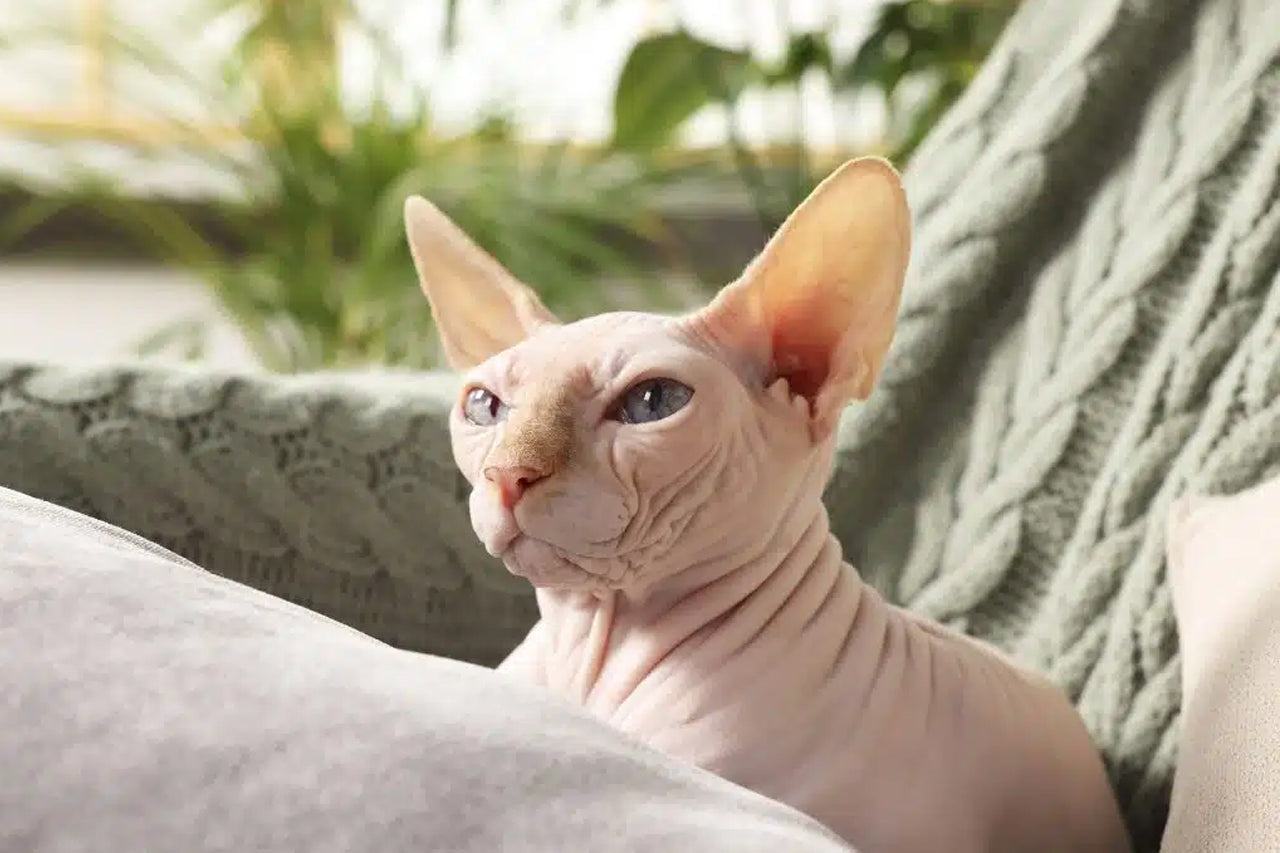
Credit: wildearth.com
Hairless Cat Colors Explained
Hairless cats are fascinating creatures known for their unique look and smooth skin. Their colors come in many shades and patterns, which can be surprising since they lack a fur coat. Understanding hairless cat colors helps appreciate their beauty and diversity. This section breaks down the common colors, the genetics behind them, and special color traits that make each cat unique.
Common Color Patterns
- Solid colors like black, white, and blue are typical.
- Pointed patterns show color on ears, nose, paws, and tail.
- Tabby patterns appear as stripes or spots on the skin.
- Tortoiseshell combines patches of black and orange shades.
- Bicolor features large patches of white with another color.
Genetics Behind Colors
Hairless cat colors come from their genes, similar to other cats. The gene controlling hairlessness does not affect color genes. Different gene combinations produce various colors and patterns. Some colors require specific gene pairs to appear. For example, the pointed pattern needs a gene that controls temperature-sensitive color.
Unique Color Traits
- Skin may show a faint pattern even without fur.
- Colors can look lighter or darker based on skin thickness.
- Sun exposure can change the skin color slightly.
- Some cats have freckles or spots on their skin.
- Color changes may happen as the cat ages.
Grooming Needs By Color
Grooming hairless cats takes more than just regular cleaning—it depends heavily on their skin color. Different colors can mean different skin sensitivities and care needs. Understanding these differences helps you keep your feline friend comfortable and healthy.
Skin Care For Dark Colors
Dark-colored hairless cats often have thicker skin pigmentation, which might make them less prone to sunburn but doesn’t mean they are immune. Their skin still needs gentle cleaning to remove oils and dirt that build up quickly without fur. Using a mild, hypoallergenic cleanser can prevent irritation and keep their skin smooth.
Have you noticed if your dark-colored cat’s skin feels oilier than usual? That’s common and requires regular wiping with a soft cloth to avoid clogged pores or acne-like bumps. Pay special attention to folds and creases where dirt can hide.
Sun Protection Tips
Hairless cats, regardless of color, are vulnerable to sun damage. However, lighter-colored skin burns faster and needs extra protection. Avoid direct sunlight exposure during peak hours and provide shaded resting spots.
- Apply pet-safe sunscreen on exposed skin areas—nose, ears, and shoulders.
- Use protective clothing designed for cats if your pet loves outdoor adventures.
- Keep windows covered during strong sunlight to prevent indoor burns.
Have you tried any pet sunscreens? Some owners find their cats dislike the smell, so testing a small area first is wise.
Dealing With Sensitive Skin
Sensitive skin can be a challenge, especially for pale or pink-toned hairless cats. They are prone to dryness, redness, and irritation from products or environmental factors. Choosing fragrance-free, gentle moisturizers can soothe their skin and reduce discomfort.
Regularly check for signs like flaking or itching. These indicate your cat needs a change in care or a vet’s attention. Remember, your observation is key to spotting problems early and adjusting grooming routines accordingly.
Enhancing Natural Beauty
Enhancing the natural beauty of hairless cats requires special attention and care. Their skin is delicate and needs gentle grooming to stay healthy and vibrant. Proper grooming highlights their unique features and keeps them comfortable.
Bathing Techniques
Bathing hairless cats helps remove oils and dirt from their skin. Use lukewarm water to avoid chilling your pet. Gently massage their skin with your hands or a soft cloth. Rinse thoroughly to remove all soap residues. Dry them carefully with a soft towel. Avoid using a hairdryer as it can cause dryness.
Using Safe Grooming Products
Choose grooming products formulated for sensitive skin. Avoid harsh chemicals, fragrances, or dyes. Use mild, hypoallergenic shampoos designed for pets. Test a small area first to check for reactions. Natural ingredients help maintain skin health and reduce irritation. Keep grooming products out of reach of children and pets.
Moisturizing And Hydration
Hairless cats lack fur to protect their skin. Applying a pet-safe moisturizer keeps their skin soft and smooth. Use products with natural oils like coconut or jojoba. Avoid human lotions as they can harm the cat. Ensure your cat drinks plenty of water daily. Proper hydration supports healthy skin and overall wellness.
Health Tips For Hairless Cats
Hairless cats groom themselves carefully to keep their skin clean and healthy. Their skin color affects how often they need baths and sun protection. Regular gentle cleaning helps prevent skin issues and keeps their coat smooth.
Hairless cats are unique, charming companions that require special care to keep them healthy and happy. Their lack of fur means their skin is more exposed and sensitive, making it crucial for you to take extra steps to maintain their well-being. By focusing on skin care, regular vet visits, and the right nutrition, you can ensure your hairless cat thrives.Preventing Skin Issues
Hairless cats are prone to skin problems due to their exposed skin. You should bathe your cat regularly to remove oils and dirt. Use a mild, hypoallergenic shampoo to prevent irritation. Monitor their skin for any unusual signs like redness or bumps. If you notice anything concerning, consult your vet promptly. Remember, prevention is better than cure.Regular Checkups
Routine vet visits are essential for your hairless cat. Schedule checkups at least twice a year to catch potential health issues early. During these visits, discuss any concerns you might have with your vet. They can provide tailored advice and vaccinations necessary for your pet’s health.Nutrition And Coat Health
A balanced diet is vital for a hairless cat’s overall health. Make sure their food is rich in essential nutrients, including omega-3 and omega-6 fatty acids. These nutrients support skin health, keeping it supple and less prone to dryness. Consult your vet to choose the best diet for your cat’s specific needs. Taking care of a hairless cat may seem challenging, but it’s incredibly rewarding. Have you considered how these health tips could improve your pet’s quality of life? By making small changes, you can ensure your feline friend stays healthy and content.Secrets To Maintaining Shine
Maintaining a healthy shine on hairless cat colors is essential. Despite lacking fur, their skin can glow with the right care. Shine indicates good health and proper grooming habits. Several factors contribute to this natural glow.
Dietary Supplements
Nutrition plays a vital role in skin health. Omega-3 and omega-6 fatty acids improve skin texture and shine. Vitamins A, E, and biotin support skin repair and hydration. These supplements help reduce dryness and flakiness. Consult a vet before adding any supplements to your cat’s diet.
Environmental Factors
Humidity levels affect a hairless cat’s skin condition. Dry air can cause their skin to crack or peel. Use a humidifier to maintain moisture in the air. Avoid exposing cats to harsh sunlight for long periods. Gentle, clean environments prevent skin irritation and dullness.
Consistent Grooming Routine
Regular grooming keeps the skin clean and shiny. Use a soft, damp cloth to wipe the skin gently. Bathing with mild, cat-safe shampoos removes excess oils and dirt. Avoid over-bathing, as it can dry out the skin. Regular grooming also helps spot skin issues early.

Credit: www.petscare.com
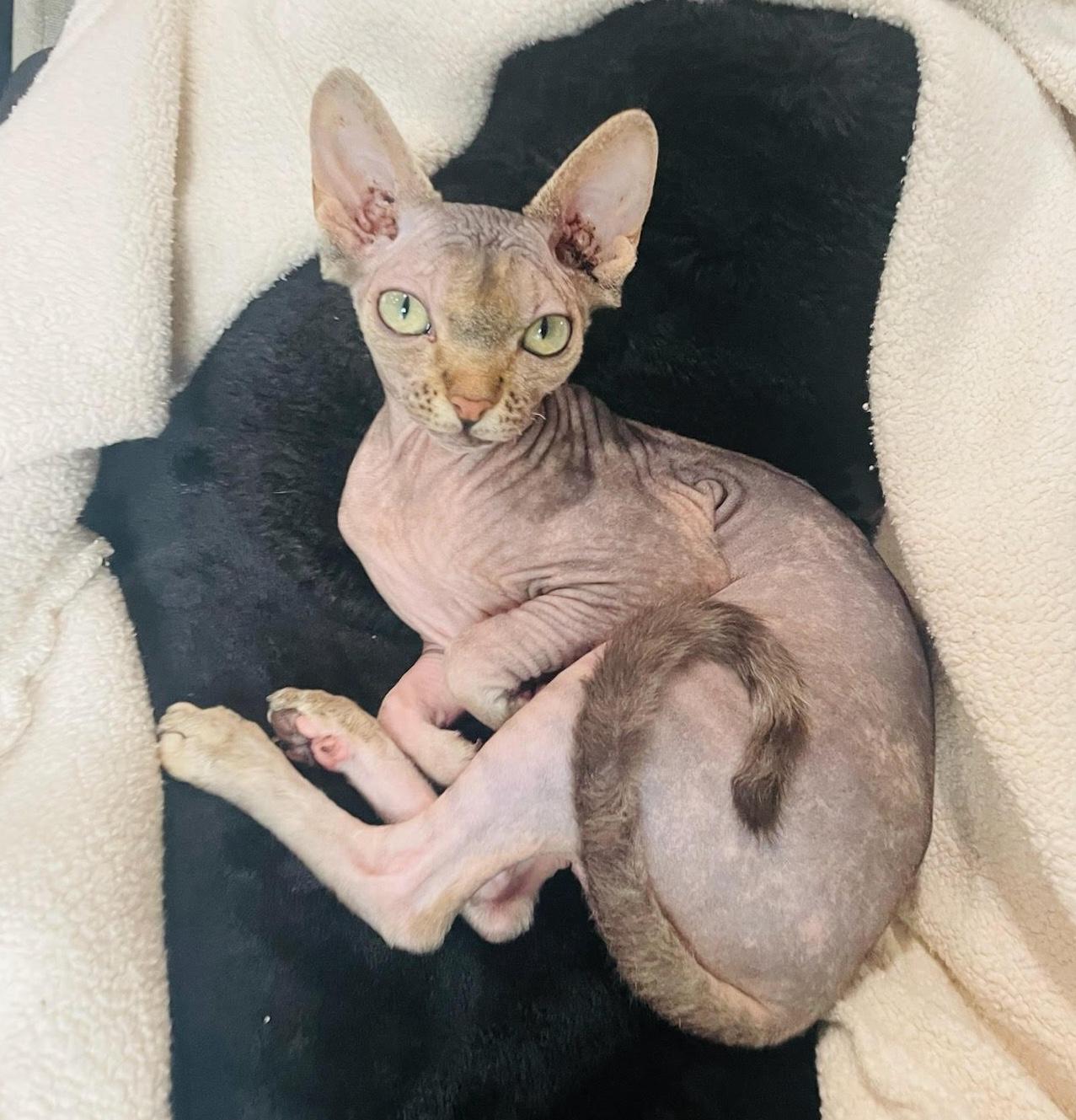
Credit: cats.com
Frequently Asked Questions
What Colors Do Hairless Cats Come In?
Hairless cats come in various colors like black, white, gray, cream, and chocolate. Their skin shows these colors since they lack fur. Patterns such as spots or stripes may also appear on their skin. Color variations depend on the breed and genetics.
How Do Hairless Cats Groom Without Fur?
Hairless cats groom by licking their skin with their tongues. Their grooming keeps skin clean and free from oils. They may require occasional baths to remove extra oils. Grooming behavior is similar to other cats despite lacking fur.
Does Hairless Cat Color Affect Grooming Needs?
No, hairless cat color does not affect grooming needs. All hairless cats require regular skin cleaning. Oily skin or dirt buildup can cause issues regardless of color. Grooming focuses on skin care, not coat color or pattern.
Why Do Hairless Cats Have Different Skin Colors?
Hairless cats’ skin colors reflect their genetic coat colors. Pigmentation is visible on their exposed skin. Different breeds and genetics lead to diverse color patterns. Skin color helps identify breed traits and individual cats.
Conclusion
Hairless cats show unique colors through their skin and tiny fuzz. Their grooming keeps these colors clear and healthy. Each cat’s look is special and changes with care. Watching how they groom helps us understand their beauty. Simple care makes their skin soft and bright.
These cats remind us that beauty comes in many forms. Their colors tell a story of nature’s art. Taking time to care for them brings joy.



Leave a Reply