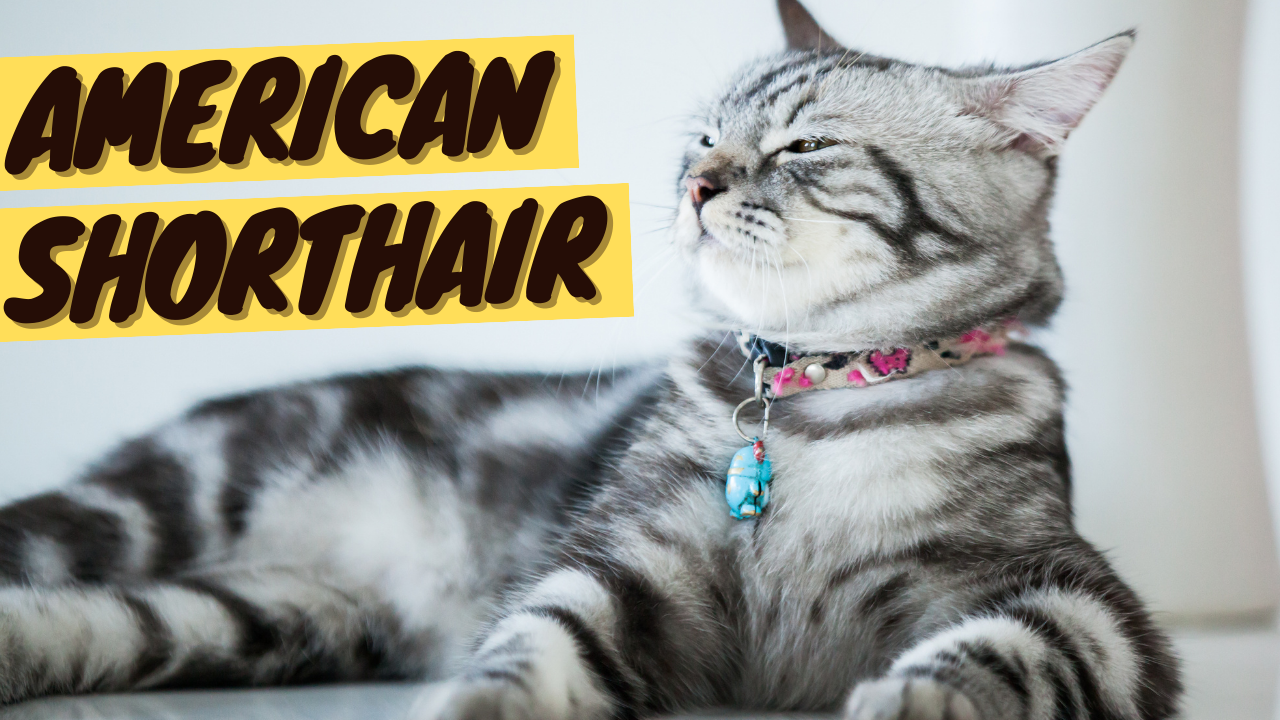
Are you thinking about welcoming an American Shorthair cat into your home? It’s important to know what health issues might affect your new furry friend.
Understanding these common concerns early can help you keep your cat happy and healthy for years to come. You’ll discover the key health problems American Shorthairs face and simple steps you can take to protect your pet. Keep reading to make sure you’re fully prepared to give your cat the best care possible.

Credit: thewaggintrain.com
Breed Characteristics
The American Shorthair is a popular breed known for its sturdy build and friendly nature. Understanding the breed characteristics can help you spot potential health concerns early. Let’s dive into the key traits that define this breed and what they mean for your cat’s well-being.
Physical Traits
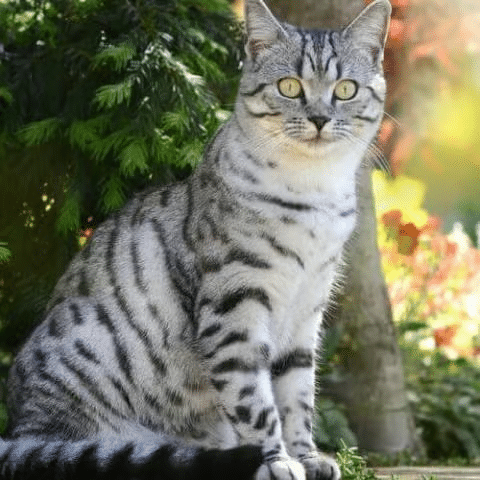
American Shorthairs have a muscular, well-proportioned body with a broad chest and strong legs. Their dense, short coat comes in a variety of colors and patterns, which makes each cat unique.
One important detail is their robust bone structure, which often contributes to fewer skeletal problems than more delicate breeds. Have you noticed how their solid frame supports active play without much strain? This strength can reduce risks of joint issues but doesn’t make them immune to all health problems.
Temperament
These cats are known for being calm, affectionate, and adaptable. They usually get along well with children and other pets, making them great family companions.
Because they are low-maintenance and not overly demanding, their stress levels tend to stay low, which is good for their overall health. How does your cat’s calm behavior influence its daily routine and care? Keeping your cat mentally and physically stimulated can prevent obesity and related health issues.
Lifespan
American Shorthairs typically live between 15 to 20 years when given proper care. Their longevity is partly due to their hardy genetics and balanced temperament.
Regular vet check-ups and a healthy diet play crucial roles in reaching their full lifespan potential. Are you tracking your cat’s health milestones to catch any early signs of illness? Early intervention is key to managing breed-specific health concerns.
Credit: thewaggintrain.com
Common Health Problems
American Shorthair cats are generally healthy pets. Still, they can face some common health issues. Knowing these problems helps owners keep their cats safe and happy. Early care can prevent serious complications.
Hypertrophic Cardiomyopathy
This heart condition causes thickening of the heart muscle. It can reduce blood flow and lead to heart failure. Symptoms may include difficulty breathing and fatigue. Regular vet checkups can catch this disease early.
Obesity Risks
American Shorthairs love to eat and can easily gain weight. Obesity puts extra stress on joints and organs. It increases the risk of diabetes and heart problems. Controlled diets and playtime help keep their weight normal.
Dental Issues
Dental disease is common in cats. Plaque buildup causes gum inflammation and tooth decay. Bad breath and difficulty eating are signs to watch. Brushing teeth and dental checkups keep their mouth healthy.
Kidney Disease
Kidney problems affect many older cats. It causes weakness, increased thirst, and frequent urination. Early detection improves treatment success. Provide fresh water and balanced food to support kidney health.
Preventive Care Tips
Keeping your American Shorthair healthy means focusing on preventive care. Small daily choices can make a big difference in avoiding common health issues. How often do you think about your cat’s long-term health beyond just feeding and playing?
Regular Vet Checkups
Scheduling vet visits is more than just vaccinations. These checkups catch hidden health problems early, like kidney issues or heart conditions, common in American Shorthairs.
Try to visit the vet at least twice a year. This helps track your cat’s weight, dental health, and overall condition. Your vet can also guide you on vaccinations and parasite control tailored to your pet’s lifestyle.
Balanced Diet
Your cat’s diet impacts their energy, weight, and immune system. Choose high-quality cat food rich in proteins and essential nutrients. Avoid fillers like corn or excessive grains that provide little value.
Have you noticed how your cat behaves after meals? A balanced diet can reduce risks of obesity and diabetes, both of which American Shorthairs can face. Supplementing with wet food can also keep them hydrated.
Exercise And Activity
Exercise isn’t just for dogs. American Shorthairs need daily play to keep their muscles strong and minds sharp. Try interactive toys or simple games like chasing a laser pointer.
Lack of activity can lead to weight gain and joint problems. Do you set aside time daily to engage your cat? Even 15 minutes can boost their health and happiness.
Dental Hygiene
Ignoring your cat’s teeth can lead to painful infections and systemic issues. Brushing their teeth regularly reduces plaque buildup and bad breath.
If brushing isn’t an option, dental treats or water additives can help. Have you checked your cat’s mouth lately? Healthy gums and clean teeth are signs of good overall health.
Signs Of Illness
Recognizing signs of illness in American Shorthair cats helps protect their health. Early detection improves treatment chances. Cats often hide pain, so watch closely.
Behavioral Changes
- Less playful than usual
- Hiding or avoiding contact
- Changes in eating or drinking habits
- Increased aggression or irritability
- Excessive grooming or scratching
These shifts can indicate discomfort or health issues. Notice sudden mood swings or withdrawal.
Physical Symptoms
- Weight loss or gain
- Vomiting or diarrhea
- Coughing or sneezing
- Swollen or painful areas
- Changes in coat condition or bald patches
- Difficulty moving or limping
These signs can point to illness. Monitor your cat’s body for unusual changes.
When To Seek Help
- Symptoms last more than two days
- Sudden severe changes in behavior
- Breathing problems or choking
- Refusal to eat or drink
- Visible wounds or bleeding
- Repeated vomiting or diarrhea
Contact a veterinarian immediately in these cases. Prompt care can save your cat’s life.
Genetic Testing And Screening
Genetic testing and screening play a crucial role in cat health. For American Shorthair cats, these tests help identify potential health issues early. This proactive approach allows breeders and owners to make informed decisions. Testing ensures the overall well-being of these beloved pets.
Benefits For Breeders
Genetic testing offers several benefits for breeders. It helps them understand a cat’s genetic makeup. This knowledge aids in selecting healthy breeding pairs. Breeders can avoid passing on genetic disorders. Healthy offspring mean fewer health problems later. This improves the breed’s overall quality and reputation.
Common Tests Available
Various genetic tests are available for American Shorthair cats. These tests screen for common genetic disorders. One of them is the hypertrophic cardiomyopathy test. It checks for heart disease. Another test checks for polycystic kidney disease. This ensures cats have healthy kidneys. Breeders use these tests to ensure healthier litters.
Emergency Care
Emergency care for your American Shorthair cat is crucial to ensure their health and safety during unexpected situations. Knowing how to act quickly and calmly can make a significant difference in your cat’s recovery. Let’s focus on what you need to watch for, basic first aid steps, and when to seek professional help.
Recognizing Urgent Issues
Is your cat suddenly struggling to breathe or collapsing? These are signs that require immediate attention. Other urgent symptoms include severe bleeding, seizures, or unresponsiveness.
Keep an eye out for:
- Difficulty breathing or choking
- Excessive vomiting or diarrhea
- Sudden weakness or paralysis
- Swollen abdomen or signs of pain
As a cat owner, you might wonder if your pet’s behavior is just unusual or truly an emergency. Err on the side of caution—it’s better to act fast than regret hesitation.
First Aid Basics
Do you know how to stop bleeding or handle a choking cat? Simple first aid can stabilize your pet before you get to the vet. Always keep a basic pet first aid kit handy with items like gauze, tweezers, and antiseptic wipes.
- Stopping bleeding:Apply firm pressure with a clean cloth.
- Handling choking:Check the mouth carefully and try to remove any visible obstruction gently.
- Seizure care:Keep your cat safe from injury by moving nearby objects out of the way.
Remember, never give human medications to your cat unless directed by a vet. Your calm and confident actions can provide comfort and safety during a crisis.
Veterinary Support
When should you rush to the vet? If your cat shows any severe symptoms or if your first aid doesn’t improve the situation, seek veterinary care immediately. Many clinics offer emergency services 24/7 for situations like this.
Have your vet’s emergency contact ready and know the fastest route to their office. Some issues, like poisoning or severe trauma, require immediate professional intervention.
Think about this: How prepared are you right now if your American Shorthair suddenly falls ill? Taking a moment to plan emergency care can save precious time when it matters most.
Credit: www.whiskas.com.ph
Frequently Asked Questions
What Are Common Health Issues In American Shorthair Cats?
American Shorthair cats often face heart disease, obesity, and dental problems. Regular vet visits help catch issues early. Proper diet and exercise can prevent obesity and related conditions.
How Can I Prevent Health Problems In American Shorthairs?
Provide a balanced diet, regular exercise, and routine vet check-ups. Dental care and parasite control are also essential. Early detection improves treatment success and overall cat health.
Do American Shorthair Cats Have Genetic Diseases?
Yes, they may inherit hypertrophic cardiomyopathy (HCM). Responsible breeders screen for genetic issues to reduce risk. Regular heart check-ups help monitor and manage this condition effectively.
How Often Should American Shorthair Cats Visit The Vet?
Adult cats should have vet visits at least once a year. Kittens and older cats may require more frequent check-ups. Regular visits ensure vaccinations and health issues are up to date.
Conclusion
American Shorthair cats are usually strong and healthy pets. Some may face common health problems like heart or joint issues. Regular vet visits help catch problems early. Feeding them well supports their long life. Exercise and love keep them happy and active.
Knowing their health risks helps you care better. These cats make great companions for many families. Stay aware, and your cat can enjoy a full, joyful life. Caring for them is simple with the right attention.

Leave a Reply