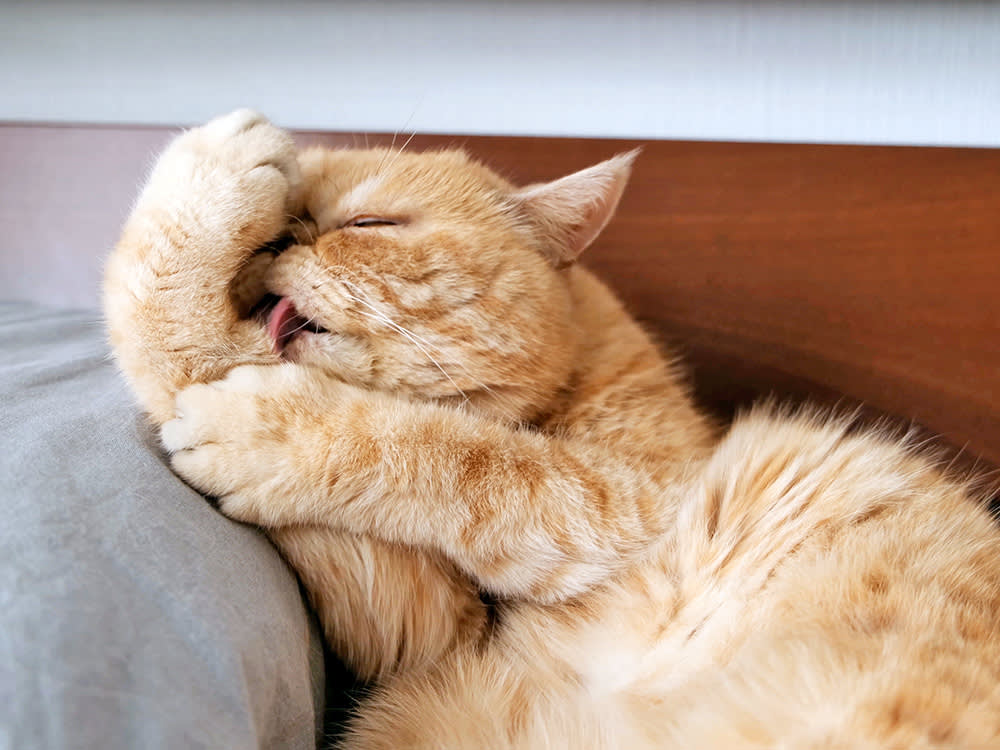
Have you ever noticed your cat nibbling at its own fur while grooming and wondered, “Is this normal?” You’re not alone. Many cat owners worry when their furry friend seems to bite themselves during grooming sessions.
But what does this behavior really mean? Could it be a sign of discomfort or just a natural part of how cats stay clean? Keep reading to discover why cats bite themselves when they groom and what you should watch out for to keep your pet happy and healthy.

Credit: www.reddit.com
Cat Grooming Habits
Cats spend a good part of their day grooming themselves. This habit keeps their fur clean and healthy. Grooming is more than just hygiene; it also helps cats feel calm and comfortable. Understanding how cats groom and why they do it reveals a lot about their behavior.
How Cats Groom Themselves
Cats use their rough tongues to clean their fur. Their tongues act like tiny brushes. They lick their paws and then rub their face and head. Cats reach many body parts this way. They also nibble gently on some spots to remove dirt or loose fur. Grooming happens in small, repeated actions. It is a careful, focused process.
Purpose Behind Grooming
- Remove dirt and parasites from the fur
- Distribute natural oils to keep fur shiny
- Cool down by spreading saliva that evaporates
- Reduce stress and feel relaxed
- Mark their scent on their body
Grooming helps cats stay clean and healthy. It also comforts them during stressful moments. This behavior is natural and vital for their well-being.

Credit: www.reddit.com
Biting During Grooming
Cats often use their mouths during grooming, which can look like biting. This behavior helps them clean hard-to-reach spots. It also removes loose fur and dirt from their coat. Understanding why cats bite themselves during grooming helps owners recognize normal versus problematic actions.
Normal Biting Behavior
Cats use gentle biting as part of their grooming routine. This action helps them clean areas that their tongue cannot reach well. They usually nibble softly without causing pain or injury.
- Light biting removes loose fur and dirt.
- Biting helps untangle knots in their fur.
- Cats may bite to scratch an itch they cannot reach.
This behavior is common and healthy. It keeps the cat’s coat clean and comfortable.
When Biting Becomes Excessive
Excessive biting during grooming can signal problems. It may cause skin damage, irritation, or hair loss. Cats might bite too hard if they feel stressed or itchy.
- Look for redness, sores, or bald patches on the skin.
- Excessive biting can be due to allergies or parasites.
- Stress or anxiety can cause over-grooming and biting.
Observe your cat’s behavior closely. Seek advice from a veterinarian if biting causes harm or seems out of control.
Reasons For Self-biting
When your cat bites itself during grooming, it’s not always just a quirky habit. There are several reasons behind this behavior that can affect your cat’s comfort and health. Understanding these causes helps you decide when to intervene and when to let your feline friend be.
Allergies And Irritations
Your cat might bite itself due to allergies. These can be caused by food, pollen, dust, or certain cleaning products you use at home. Allergies make their skin itchy, prompting them to bite or scratch to find relief.
Have you noticed your cat repeatedly targeting the same spot? That’s a red flag. It’s worth checking if something in their environment has changed recently.
Parasites And Fleas
Fleas and other parasites are common culprits behind self-biting. Flea bites are irritating and often cause intense itching. Cats will bite and scratch to try to remove these pests.
Even if you don’t see fleas, your cat might still have tiny parasites like mites. Regular vet checks and flea treatments can save your pet from unnecessary discomfort.
Skin Infections
Skin infections caused by bacteria or fungi can make your cat’s skin sore and inflamed. Biting becomes a way for them to soothe the pain or itch. If the area looks red, swollen, or has sores, it’s time for a vet visit.
Ignoring infections can lead to more serious problems. Early treatment helps your cat heal faster and prevents the infection from spreading.
Stress And Anxiety
Sometimes, self-biting isn’t about physical issues but emotional ones. Cats under stress or anxiety might bite or groom excessively to calm themselves. Changes in their routine, new pets, or loud noises can trigger this behavior.
Ask yourself if there have been recent changes in your cat’s life. Offering extra playtime, comfort, and a quiet space can reduce stress and stop the biting habit.

Credit: www.reddit.com
Health Risks Of Self-biting
Cats often groom themselves to stay clean. Sometimes, they bite their own skin during grooming. This self-biting can lead to health problems. It is important to recognize these risks early. Cats may hurt their skin without meaning to. This can cause wounds and infections that need care.
Wounds And Sores
Self-biting can cause small cuts or sores. These wounds may look like red spots or open skin. Cats may continue to bite these areas, making wounds worse. Untreated wounds can become painful and slow to heal. Watch for signs like swelling or bleeding. Early care helps prevent deeper skin damage.
Secondary Infections
Open wounds increase the chance of infection. Dirt and bacteria can enter through broken skin. Infections cause redness, pus, and bad smell. Cats might lick or bite infected areas more. This can spread bacteria and worsen the infection. Infections may need vet treatment and antibiotics to heal.
Signs To Watch For
Cats may bite themselves during grooming to remove dirt or fleas. Watch for excessive biting or skin irritation.
Cats are meticulous groomers, often spending a significant portion of their day ensuring every strand of fur is in place. However, this grooming can sometimes cross into biting, which may be a natural part of their routine or a sign of something amiss. Understanding the signs to watch for can help you determine if your cat’s grooming behavior is normal or if it might indicate a problem.Behavioral Changes
Have you noticed any shifts in your cat’s behavior? Cats usually develop a grooming routine, so any deviation might be worth noting. Excessive biting during grooming could indicate stress or anxiety. Does your cat seem more irritable or restless? This could be linked to discomfort or pain. Pay attention to any changes in their appetite or sleep patterns as these can also signal underlying issues.Physical Symptoms
Look for physical signs that might accompany your cat’s grooming habits. Redness, swelling, or hair loss in specific areas might suggest skin irritation or allergies. If you notice scabs or wounds from excessive biting, it might be time for a closer look. A visit to the vet can help rule out conditions like fleas or dermatitis that might cause your cat to bite themselves more than usual. Keeping an eye on these signs can be crucial. Have you ever caught your cat grooming a little too enthusiastically? Taking action early can prevent minor issues from becoming major concerns.Preventing Harmful Biting
Preventing harmful biting during your cat’s grooming is essential for their health and happiness. Cats might bite themselves out of irritation or stress, which can lead to wounds or infections. Understanding how to keep your feline friend comfortable can stop these behaviors before they start.
Regular Vet Checkups
Regular visits to the vet help catch skin problems early. Your vet can identify allergies, infections, or other issues that might make your cat bite or scratch excessively.
Think about how often you schedule these visits. Are you spotting changes in your cat’s behavior or skin between appointments? Share these observations with your vet to get the best care.
Parasite Control
Fleas, ticks, and mites cause intense itching, pushing your cat to bite itself. Using effective parasite control products keeps these pests away and your cat comfortable.
Ask your vet which treatments suit your cat’s age and lifestyle. Consistent parasite prevention can make a big difference in stopping harmful biting.
Environmental Enrichment
Boredom and stress can trigger excessive grooming and biting. Providing toys, scratching posts, and interactive playtime helps your cat stay mentally and physically stimulated.
Have you noticed your cat biting more during quiet times? Adding new activities or changing their environment might reduce stress and redirect their focus.
When To Seek Veterinary Help
Knowing when to seek veterinary help is important for your cat’s health. Cats often bite themselves lightly while grooming. This is normal and helps keep their fur clean. Sometimes, biting can become a problem and cause pain or injury. Watch your cat’s behavior closely to spot signs that need a vet’s attention. Early care can prevent serious issues.
Persistent Biting
Cats may bite themselves more than usual due to stress or skin problems. Persistent biting means your cat cannot stop, even after grooming. This can cause discomfort and worsen skin conditions. Notice if your cat spends long time biting one spot. Frequent biting may lead to infections or sores. A vet can find the cause and suggest treatment.
Visible Skin Damage
Look for redness, swelling, or open wounds on your cat’s skin. These signs show your cat’s biting caused real harm. Hair loss or scabs also mean skin damage. Damaged skin can get infected easily. If you see any visible skin damage, take your cat to the vet quickly. Early treatment helps your cat heal faster and feel better.
Frequently Asked Questions
Do Cats Bite Themselves When Grooming?
Yes, cats sometimes gently bite their fur during grooming. This helps remove dirt and loose hair effectively. It is usually a controlled, non-aggressive behavior.
Why Do Cats Use Their Teeth While Grooming?
Cats use their teeth to untangle fur and remove debris. Their sharp teeth help clean hard-to-reach areas, ensuring thorough grooming.
Is Biting During Grooming A Sign Of Stress?
Occasional biting during grooming is normal and not stressful. However, excessive biting or self-injury may indicate anxiety or skin problems.
Can Grooming Bites Harm My Cat?
Grooming bites are typically gentle and harmless. If your cat bites too hard and causes wounds, consult a vet to rule out health issues.
Conclusion
Cats usually do not bite themselves when grooming. They lick and clean their fur gently. Sometimes, a small nip might happen by mistake. Watch for signs of pain or injury. Persistent biting could mean skin problems or stress. Keep your cat calm and healthy.
Regular vet visits help catch issues early. Grooming is normal, but biting itself is not. Caring for your cat means knowing their habits well. Always pay attention to changes in behavior or grooming. This helps keep your cat happy and safe.




Leave a Reply