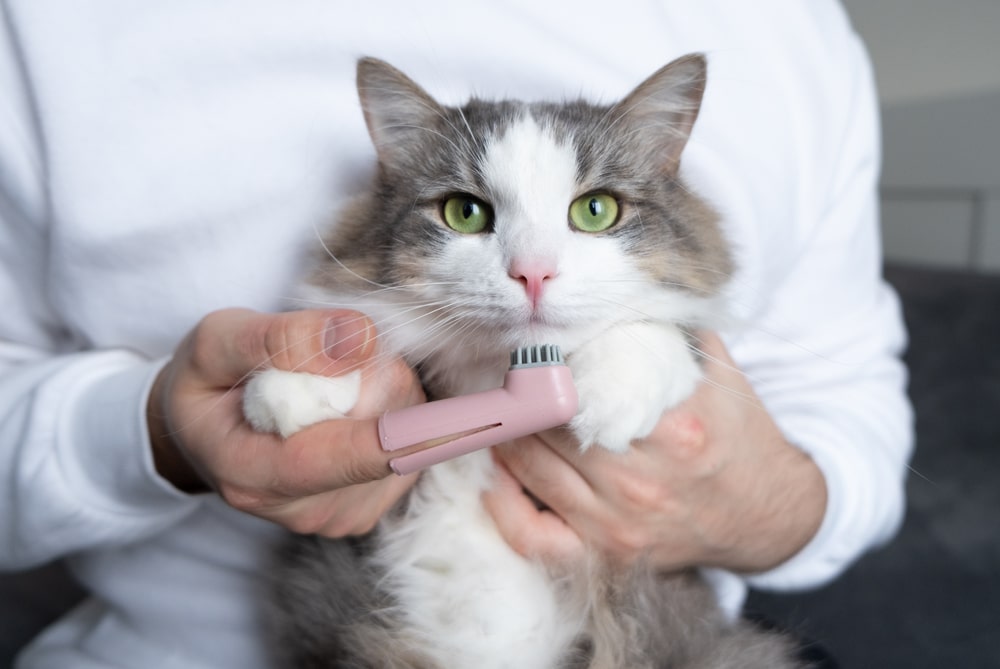
Grooming your cat isn’t just about keeping them clean—it’s a way to keep them healthy and happy. You might think cats can handle it all by themselves, but your help makes a big difference.
Knowing how to groom your cat the right way can save you from unexpected vet visits and strengthen the bond you share. Ready to discover simple tips that make grooming easy and stress-free for both you and your furry friend?
Keep reading, because your cat will thank you for it.

Credit: www.angiesmobilepetstyling.com
Choosing The Right Tools
Choosing the right tools for grooming your cat can make all the difference in keeping your feline friend comfortable and clean. The proper tools not only help remove loose fur and dirt but also prevent skin irritations and matting. Knowing what to pick based on your cat’s coat type ensures the grooming process is smooth and effective.
Brush Types For Different Coats
Your cat’s coat determines the kind of brush you should use. Short-haired cats benefit from a rubber brush or a bristle brush that gently removes loose hairs without irritating the skin. Long-haired cats need a slicker brush or a wide-toothed comb to detangle mats and prevent knots.
If your cat has a dense undercoat, a de-shedding tool can help reduce shedding significantly by reaching the undercoat without hurting the topcoat. Have you noticed your cat’s shedding pattern? Choosing the right brush can reduce the mess and keep your home cleaner.
Essential Grooming Supplies
- Brushes and Combs:Match these to your cat’s coat length and texture.
- Nail Clippers:Use cat-specific clippers to trim nails safely.
- Grooming Wipes:Great for quick clean-ups between baths.
- Ear Cleaner:Helps keep ears free from wax and debris.
- Shampoo:Choose a mild, cat-safe formula for occasional baths.
Having these supplies ready means you won’t have to stop mid-grooming to find something. It also helps your cat feel more relaxed when you’re prepared.
How To Use Grooming Tools Safely
Always start grooming with gentle strokes to build trust. Avoid pressing too hard, especially with slicker brushes, as this can hurt your cat’s skin. Watch your cat’s reactions—if they seem uncomfortable, pause and try a different tool or technique.
When trimming nails, cut only the sharp tip and avoid the pink quick inside the nail. Using proper tools and techniques reduces the chance of injury and makes grooming a positive experience for both of you. How often do you check your cat’s nails or fur for problem areas? Regular attention helps catch issues early.
Brushing Techniques
Brushing your cat is more than just a grooming task—it’s a chance to connect and keep your feline friend healthy. Understanding how to brush effectively can make the experience better for both of you. Let’s dive into some brushing techniques that work well for different coat types and personalities.
Frequency For Short And Long Hair
Short-haired cats usually need brushing about once a week. This helps remove loose fur and reduces hairballs without stressing your cat. Long-haired cats, however, require more attention—ideally brushing every day or every other day to prevent mats and tangles.
Have you noticed your cat shedding more in certain seasons? Increasing brushing frequency during shedding times can keep your home cleaner and your cat more comfortable. Adjust your routine based on how your cat’s coat changes.
Dealing With Mats And Tangles
Mats can be painful and tricky to remove if you wait too long. Start by gently working through small tangles with your fingers before using a wide-toothed comb. For stubborn mats, use a dematting tool designed for pets, but always be gentle to avoid hurting your cat.
If a mat is too tight or close to the skin, it might be safer to visit a professional groomer. Trying to cut it yourself risks injury. Regular brushing is your best defense against mats, so don’t skip sessions even if your cat resists sometimes.
Encouraging Your Cat To Enjoy Brushing
Some cats love brushing, while others run away. You can make brushing a positive experience by starting with short sessions and rewarding your cat with treats. Let your cat sniff and explore the brush before you begin.
Try brushing in quiet, comfortable spots where your cat already likes to relax. Notice which areas your cat enjoys being brushed and focus there first. Have you tried talking softly or using gentle strokes? Your calm presence can turn brushing into a bonding moment.
Bathing Your Cat
Bathing your cat might seem like a daunting task, but it can be a smooth experience with the right approach. Unlike dogs, most cats groom themselves, so you don’t need to bathe them often. However, certain situations make a bath necessary to keep your cat healthy and comfortable.
When Baths Are Necessary
Bathing is needed if your cat gets into something sticky, smelly, or toxic that they can’t clean off themselves. Long-haired cats may require occasional baths to prevent mats and tangles. If your cat has skin conditions or allergies, your vet might recommend regular baths with special shampoos.
Have you noticed your cat struggling to groom after a health issue? That’s a sign a bath could help. Also, older cats sometimes lose grooming ability and benefit from occasional baths to stay clean.
Step-by-step Bathing Process
- Prepare everything first.Have towels, cat-friendly shampoo, and a non-slip mat ready to keep your cat safe and calm.
- Use lukewarm water.Too hot or cold water will stress your cat and make the bath harder.
- Gently wet your cat.Avoid the head and ears at first to prevent water from causing discomfort.
- Apply shampoo.Massage it in softly, focusing on dirty spots or areas your cat struggles to groom.
- Rinse thoroughly.Leftover shampoo can irritate your cat’s skin, so rinse carefully until the water runs clear.
- Dry with a towel.Pat dry rather than rubbing to avoid tangling the fur or upsetting your cat.
How do you calm your cat when they resist baths? Speaking softly and offering treats after can make a big difference.
Choosing Cat-friendly Shampoos
Always pick shampoos specifically designed for cats. Human or dog shampoos can harm their sensitive skin and coat. Look for products free of harsh chemicals, fragrances, and dyes.
If your cat has allergies or skin problems, hypoallergenic or medicated shampoos can help. Consult your vet before using any special shampoo to ensure it’s safe.
Have you tried natural or oatmeal-based shampoos? They often soothe irritated skin and add gentle moisture, making baths less stressful for your cat.

Credit: www.purina.com
Nail Care Basics
Caring for your cat’s nails is an important part of grooming. Well-maintained nails keep your cat comfortable and protect your furniture. Nail care prevents overgrowth, which can cause pain or injury. Regular checks help you spot problems early. This section explains the basics of nail care and how to keep those claws healthy.
Trimming Nails Safely
Choose a quiet, calm space to trim your cat’s nails. Hold your cat gently but firmly to avoid sudden moves. Use steady, small cuts to trim the sharp tips only. Avoid cutting too close to the pink part, known as the quick. Cutting the quick causes pain and bleeding. If unsure, trim just the sharp edge.
Tools For Nail Maintenance
Select the right tools for safe nail care. Use nail clippers made for cats or small animals. Scissors or human nail clippers can crush or split nails. Some clippers have a guard to prevent over-cutting. A nail file helps smooth rough edges after trimming. Keep tools clean to stop infections.
Signs Your Cat Needs A Trim
- Nails curling under the paw pads
- Clicking sounds on hard floors
- Scratching furniture more often
- Visible nail length beyond the paw
- Your cat seems uncomfortable walking
Watch for these signs to know when a trim is needed. Regular checks make nail care easier for both you and your cat.
Ear And Eye Care
Keeping your cat’s ears and eyes clean is vital. It ensures their overall health and comfort. Neglect in this area can lead to infections or discomfort. Regular grooming helps prevent these issues. Let’s dive into essential ear and eye care practices for your feline friend.
Cleaning Techniques
Gently clean your cat’s ears with a damp cotton ball. Avoid inserting anything into the ear canal. For eyes, use a soft cloth moistened with warm water. Wipe away any discharge or debris. Be gentle to avoid irritation.
Common Problems To Watch For
Check for redness or swelling in your cat’s ears. Watch for discharge or foul odor. These can be signs of infection. In the eyes, look for excessive tearing or cloudiness. Any of these symptoms require attention.
When To Consult A Vet
Visit the vet if you notice persistent symptoms. This includes ear redness or excessive tearing. Unusual behavior like constant scratching needs a vet’s advice. Early intervention can prevent serious health issues.
)
Credit: www.northroadvet.com.au
Diet And Coat Health
Your cat’s diet plays a crucial role in the health and appearance of its coat. Feeding the right foods can make a visible difference in shine, softness, and overall skin condition. Have you noticed how some cats have dull fur despite regular grooming? Often, the answer lies in what they eat daily.
Nutrients For A Shiny Coat
Proteins and fatty acids are essential for a glossy coat. Cats need high-quality animal proteins, such as chicken or fish, to build strong hair follicles. Omega-3 and omega-6 fatty acids, found in fish oil or flaxseed, boost shine and reduce inflammation.
Vitamin E and zinc also support skin repair and hair growth. Without these nutrients, your cat’s fur might become dry or brittle. Have you checked your cat’s food labels for these important ingredients?
Hydration And Skin Health
Water intake directly affects skin moisture and coat condition. Cats often drink less water than they should, leading to dry, flaky skin. Encouraging your cat to drink more by offering fresh water or wet food can improve coat softness.
Wet food contains up to 80% moisture, helping maintain hydration from within. You might notice your cat’s coat looks healthier after switching to a diet with more moisture. Could your cat’s dry skin be a sign it needs better hydration?
Supplements That Help
Sometimes diet alone isn’t enough to fix coat problems. Adding supplements like fish oil capsules or biotin can enhance coat quality. These supplements help reduce shedding and improve hair strength.
Before adding supplements, talk to your vet to ensure the right dosage and avoid over-supplementing. Have you tried supplements for your cat’s coat, and did you see any difference? If not, it might be worth exploring this option.
Managing Shedding
Managing shedding is a key part of grooming your cat. Shedding happens naturally as cats lose old fur to make way for new growth. This process can fill your home with loose hairs and cause mats on your cat’s coat. Regular care helps keep shedding under control and your cat comfortable.
Seasonal Shedding Patterns
Cats shed more during certain seasons. Typically, shedding increases in spring and fall. This change helps cats adjust their coats to warmer or cooler weather. Indoor cats may shed less, but seasonal changes still affect them. Noticing these patterns helps you prepare for heavy shedding times.
Reducing Loose Hair Indoors
Loose hair can stick to furniture and clothes. Clean your home often to remove shed fur. Use a vacuum with a pet hair attachment for best results. Wiping surfaces with a damp cloth also helps. Brushing your cat regularly lowers the amount of hair that falls inside.
Tools To Control Shedding
Several tools help manage your cat’s shedding:
- Brushes:Slicker brushes remove loose fur and prevent mats.
- Deshedding tools:Special combs reach deep undercoat hairs.
- Grooming gloves:Gloves catch loose fur while petting your cat.
- Lint rollers:Great for quick hair removal on clothing.
Using these tools regularly keeps your cat’s coat healthy and reduces shedding mess.
Signs Of Skin Problems
Cats, with their elegant fur and expressive eyes, are a joy to groom. Yet, sometimes, their skin tells a different story. Recognizing signs of skin problems is key to their health. It ensures your feline friend stays comfortable and happy. Cats can suffer from skin issues, just like humans. You must observe their behavior and physical state. This helps in identifying any underlying conditions early.
Identifying Irritations And Allergies
Look for excessive scratching or biting. These are signs of irritations. Redness or inflammation on the skin can indicate allergies. Notice any bald patches or hair loss. They often point to underlying issues. Cats may develop scabs or sores from constant scratching. Ensure their bedding and environment are clean to reduce allergens. Watch for any changes in grooming habits. A sudden decrease can suggest discomfort.
Common Skin Conditions
Fleas and ticks are common culprits. They cause relentless itching and discomfort. Ringworm is another condition to watch for. It appears as circular, scaly patches. Dermatitis can result from contact with irritants. Food allergies might manifest as skin rashes. Observe for any unusual lumps or bumps. They might indicate infections or abscesses. Dry, flaky skin is often due to poor nutrition or hydration.
When To Seek Professional Help
If the condition persists, consult a vet. They can provide a proper diagnosis. Severe itching or bleeding requires immediate attention. A sudden change in skin or coat texture should not be ignored. Frequent vomiting or diarrhea alongside skin issues needs a professional’s insight. Behavioral changes, like hiding, can signal discomfort. A vet can offer tailored advice and treatment plans. Regular check-ups ensure your cat’s skin stays healthy.
Frequently Asked Questions
How Often Should I Groom My Cat?
Groom your cat at least once a week. Regular brushing prevents mats, reduces shedding, and keeps fur healthy. Long-haired cats may need daily grooming. Adjust frequency based on your cat’s coat type and shedding patterns for best results.
What Tools Do I Need For Cat Grooming?
Use a slicker brush, comb, nail clippers, and grooming wipes. Choose tools suitable for your cat’s fur length. A soft brush works for short hair, while a de-matting comb suits long hair. Proper tools ensure safe and effective grooming sessions.
Can Grooming Reduce My Cat’s Hairballs?
Yes, regular grooming reduces hairballs. Brushing removes loose fur before ingestion during self-grooming. This helps prevent digestive issues caused by swallowed hair. Consistent grooming is an essential step to minimize hairball formation in cats.
How Do I Safely Trim My Cat’s Nails?
Use cat-specific nail clippers and trim only the sharp tip. Avoid the quick, which is sensitive and bleeds easily. Hold paws gently and trim in a calm environment. If unsure, seek help from a veterinarian or groomer.
Conclusion
Grooming your cat keeps them healthy and happy. Regular brushing helps remove loose hair and prevents mats. It also reduces shedding around your home. Pay attention to their nails and ears for cleanliness. Make grooming a calm, gentle time for your cat.
This builds trust and makes grooming easier. Small daily habits make a big difference in their care. Enjoy these quiet moments together. Your cat will thank you with purrs and affection.




Leave a Reply