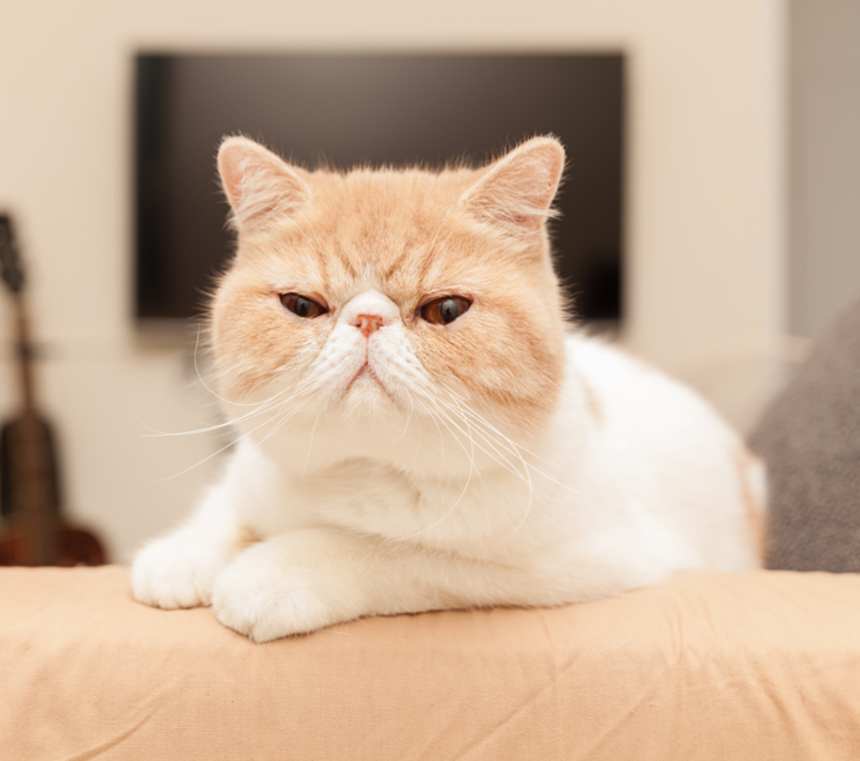
Do you have a short-haired cat and wonder if grooming is really necessary? You might think their low-maintenance coat means you can skip the brushing and baths.
But is that true? Taking care of your furry friend’s coat is more important than you may realize. You’ll discover why grooming your short-haired cat matters, how it benefits their health, and simple tips to make grooming easy and stress-free for both of you.
Keep reading to find out how a little care can make a big difference in your cat’s happiness and well-being.

Credit: www.youtube.com
Benefits Of Grooming Short-haired Cats
Grooming short-haired cats offers many benefits beyond just keeping them clean. Regular care supports their health and comfort. It helps maintain a shiny and soft coat. Grooming also builds a strong bond between you and your cat. Here are key benefits of grooming short-haired cats.
Improving Coat Health
Grooming removes dirt and loose fur from the coat. It spreads natural oils evenly across the skin. This keeps the coat soft and shiny. Brushing also helps prevent hair mats and tangles. A healthy coat reflects a healthy cat.
Reducing Shedding
Short-haired cats shed fur regularly. Grooming catches loose hairs before they fall off. This helps keep your home cleaner. It also reduces the amount of fur on furniture and clothes. Regular brushing controls shedding and fur buildup.
Preventing Skin Issues
Grooming allows you to check your cat’s skin often. You can spot problems like dryness, redness, or bumps early. Brushing stimulates blood flow, which promotes healthy skin. It also helps remove dead skin cells. This lowers the risk of infections and irritations.

Credit: justcatsclinic.com
Essential Grooming Tools
Short haired cats need grooming tools to keep their coat healthy and skin clean. Using the right tools makes grooming easy and comfortable for your cat. It also helps remove loose fur and reduce shedding. Having the right tools saves time and keeps your pet happy.
Choosing The Right Brush
Pick a brush with soft bristles for gentle grooming. A rubber brush works well to remove loose hair and dirt. It massages the skin, improving blood flow. Avoid stiff brushes that can hurt your cat’s skin. Choose a size that fits your cat’s body comfortably.
Using Grooming Gloves
Grooming gloves are easy to use and great for sensitive cats. They allow you to pet your cat while removing loose fur. Gloves help reach difficult spots like the neck and belly. They reduce hair on your clothes and furniture. Wash gloves regularly to keep them clean.
Nail Clippers And Other Accessories
Trim your cat’s nails with sharp, small nail clippers. This prevents scratches and keeps nails healthy. Use a soft towel to hold your cat gently during clipping. Other useful accessories include ear cleaners and flea combs. Keep these tools handy for regular care and checkups.
Grooming Techniques For Short Hair
Grooming short-haired cats might seem straightforward, but it still requires attention and care to keep their coat healthy and shiny. Unlike long-haired breeds, short-haired cats don’t need as much daily maintenance, but regular grooming helps reduce shedding and prevents skin issues. Let’s look at some effective techniques to make grooming easy and enjoyable for both you and your feline friend.
Brushing Frequency And Methods
Short-haired cats generally need brushing once or twice a week. This helps remove loose fur and spreads natural oils across their coat, keeping it smooth and glossy.
Use a soft-bristle brush or a rubber grooming mitt to gently stroke your cat in the direction of hair growth. This not only reduces shedding but also creates a bonding moment between you and your cat.
Have you noticed your cat shedding more during certain seasons? Increasing brushing sessions during those times can keep your home cleaner and your cat more comfortable.
Bathing Tips And Frequency
Bathing short-haired cats is rarely necessary unless they get into something messy. Overbathing can strip their skin of natural oils and cause dryness.
When you do bathe your cat, use warm water and a cat-specific shampoo to avoid irritation. Keep the bath quick and calm to reduce stress.
If your cat resists baths, try wiping them down with a damp cloth or use waterless cat shampoos. These alternatives can keep them clean without the hassle of a full bath.
Handling Sensitive Areas
Some cats are sensitive around their ears, paws, and belly. Approach these areas slowly and gently to avoid stressing your cat.
Use a soft, damp cloth or cotton ball to clean ears and wipe paws after outdoor play. Trim nails carefully and only if your cat allows it.
Have you observed where your cat dislikes being touched? Focusing on comfort and patience can make grooming these sensitive spots easier over time.
Signs Your Cat Needs Extra Grooming
Noticing signs that your short-haired cat needs extra grooming can save you from bigger health issues down the line. Even cats with short fur aren’t immune to skin and coat problems. Paying attention to subtle changes in their appearance or behavior helps you act before discomfort sets in.
Excessive Shedding Or Hairballs
If you find more fur than usual on your furniture or clothes, your cat might be shedding excessively. This can happen with short-haired cats too, especially during seasonal changes. More hair in your home often means your cat is struggling to manage loose fur on its own.
Also, if your cat coughs or gags frequently, it could be dealing with hairballs. These occur when your cat swallows loose fur during self-grooming and can indicate that brushing is needed to reduce the amount of loose hair.
Skin Irritations Or Allergies
Look closely at your cat’s skin for redness, bumps, or flaky patches. Short-haired cats can show signs of irritation that might be missed under a thick coat. Scratching, licking, or biting at certain areas can signal allergies or skin infections that require attention.
Ignoring these signs can lead to painful sores or infections. Regular grooming helps you spot these issues early and keep your cat’s skin healthy.
Behavioral Changes
Your cat’s behavior often reflects its comfort level. If your usually calm cat starts hiding, seems restless, or stops grooming itself, these can be signs of discomfort or pain. Grooming issues like mats or skin irritation often cause these changes.
Have you noticed your cat avoiding your touch or becoming unusually aggressive? It might be time to check their coat and skin closely. Addressing grooming needs can help restore your cat’s mood and well-being.
Diet And Hydration For Healthy Fur
Short-haired cats may seem low-maintenance, but their fur needs care too. A well-balanced diet and proper hydration keep their coat shiny and healthy. Nutrition and water play key roles in maintaining the luster of their fur. Let’s explore how diet and hydration contribute to a healthy coat for your feline friend.
Nutritional Essentials
A balanced diet is vital for a cat’s fur health. Proteins are the building blocks of hair. Ensure your cat’s diet includes enough high-quality protein. Look for cat foods rich in essential fatty acids. Omega-3 and Omega-6 fatty acids promote shiny, smooth fur. Vitamins and minerals also support fur health. Vitamin E and B-complex vitamins are crucial for skin and coat condition.
Hydration’s Role In Coat Health
Water is crucial for overall health, including fur. Proper hydration keeps the skin supple, preventing dryness. Dry skin can lead to a dull, brittle coat. Ensure your cat has access to fresh water at all times. Wet cat food can also increase water intake. It provides moisture that dry kibble lacks. Monitor your cat’s water consumption for optimal fur health.
When To Seek Professional Grooming
Knowing when to seek professional grooming for your short-haired cat can save you and your feline friend from unnecessary stress. While short-haired cats usually require less maintenance, certain situations call for expert care. Recognizing these moments helps maintain your cat’s comfort and health.
Dealing With Mats And Tangles
Short-haired cats can still develop mats, especially if they have sensitive or fine fur. Mats can cause discomfort and skin irritation if left untreated. If you notice stubborn tangles that resist gentle brushing, it’s time to ask a groomer for help.
Professional groomers have the right tools and experience to safely remove mats without hurting your cat. Trying to cut or pull mats yourself might lead to accidental cuts or make your cat fearful of grooming. Have you ever struggled to detangle your cat’s fur and ended up frustrated? A groomer can handle this calmly and efficiently.
Handling Difficult Cats
Some cats don’t enjoy grooming and become stressed or aggressive during brushing sessions. If your cat hides, scratches, or bites when you try to groom, professional assistance is a smart choice. Groomers know how to calm anxious cats and keep them comfortable.
They can also spot underlying health issues that may make grooming uncomfortable. Have you noticed your cat’s behavior change during grooming? Professionals can help make the experience less traumatic for both of you.
Regular Vet Checkups
Groomers often notice health problems like skin infections, parasites, or unusual lumps during grooming sessions. Scheduling professional grooming can complement regular vet visits by keeping an eye on your cat’s skin and coat health. This extra check helps catch issues early before they become serious.
Ask your groomer to alert you or your vet if they spot anything unusual. Are you confident in spotting health changes during your home grooming? Professional groomers add an extra layer of care that benefits your cat’s overall wellbeing.
Credit: pethelpful.com
Frequently Asked Questions
Do Short Haired Cats Need Regular Grooming?
Yes, short haired cats need regular grooming to remove loose hair. It helps reduce shedding and hairballs. Grooming also keeps their coat healthy and skin clean.
How Often Should I Groom My Short Haired Cat?
Groom short haired cats at least once a week. Frequent brushing prevents matting and promotes healthy skin. During shedding seasons, groom more often to manage extra hair.
Can Grooming Improve My Cat’s Health?
Grooming improves circulation and prevents skin problems. It also allows early detection of parasites or injuries. Regular grooming supports your cat’s overall well-being and comfort.
What Tools Are Best For Grooming Short Haired Cats?
Use a soft-bristle brush or rubber grooming glove for short haired cats. These tools remove loose hair gently without irritating the skin. Avoid harsh brushes that may cause discomfort.
Conclusion
Short-haired cats need grooming, but less often than long-haired ones. Brushing helps remove loose fur and keeps skin healthy. Regular grooming also lowers hairballs and makes your cat feel good. It’s a simple way to check for skin problems or parasites.
Even short fur benefits from gentle care. Keep grooming easy and consistent for best results. Your cat will stay clean and comfortable with little effort. Small steps make a big difference in pet health. Remember, grooming is part of loving your cat.




Leave a Reply