Is your adult cat throwing up food and leaving you worried? It’s upsetting to see your furry friend uncomfortable and not feeling well.
You want to help, but you might not know where to start. Understanding why your cat is vomiting and what you can do about it is key to getting them back to their happy, healthy self. Keep reading, because this guide will walk you through simple, effective steps to treat your cat and ease your worries.
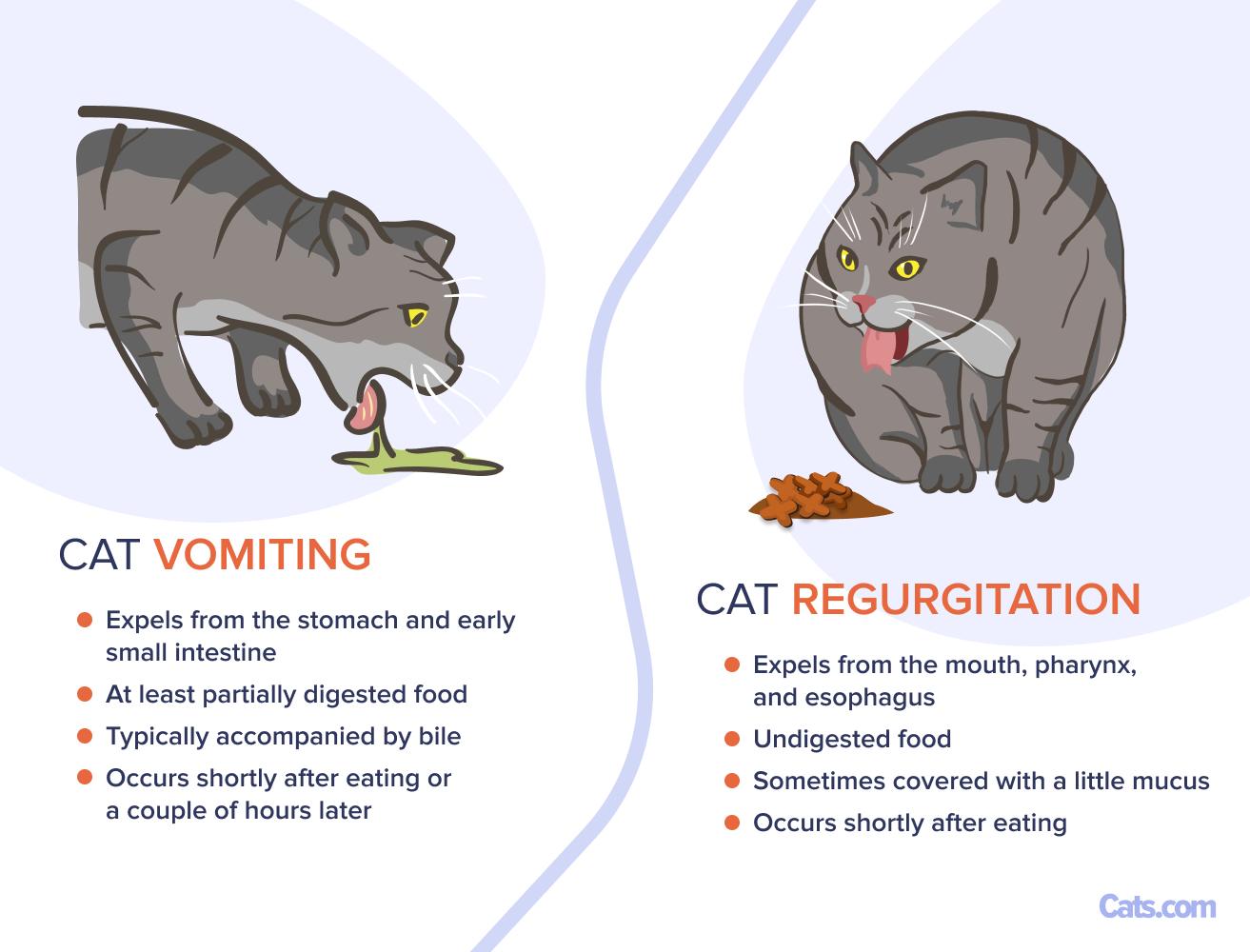
Credit: cats.com
Common Causes Of Vomiting
Vomiting in adult cats can be alarming, and understanding the common causes helps you respond effectively. Cats may throw up due to a variety of reasons, ranging from something as simple as diet to more serious health concerns. Identifying the root cause is key to ensuring your feline friend gets the right care.
Dietary Issues
One common cause of vomiting is dietary problems. Cats often vomit if they eat too quickly or consume something that disagrees with their stomach.
Sudden changes in diet can also upset your cat’s digestive system. Think about any new treats or foods you recently introduced. Have you noticed your cat eating grass or other plants? This might be their way of trying to soothe an upset stomach.
Health Problems
Vomiting can signal underlying health issues. Conditions like kidney disease, infections, or gastrointestinal problems often cause your cat to throw up.
Parasites and allergies are other common culprits. If your cat vomits frequently or shows other symptoms like lethargy, loss of appetite, or diarrhea, it’s time to consult your vet. Have you ever seen your cat vomit and then bounce back quickly? Sometimes, it might just be a mild irritation, but repeated episodes are a red flag.
Environmental Factors
Changes in your cat’s environment can stress them and lead to vomiting. New pets, moving homes, or even loud noises can upset their routine and digestion.
Exposure to toxins or plants that are harmful to cats can also cause vomiting. Make sure your home is free from chemicals and plants that might be dangerous. Ask yourself—has anything changed around your cat’s usual space lately?
When To See A Vet
Knowing when to take your adult cat to the vet after it throws up food can make a big difference in its health. Not all vomiting means a serious problem, but some signs should never be ignored. Understanding these signs helps you act quickly and keep your cat safe.
Signs Of Serious Illness
Look out for symptoms like lethargy, diarrhea, or blood in the vomit. These can indicate infections or more serious issues like kidney or liver problems. If your cat is also losing weight or stops eating, these are red flags you should not delay addressing.
Frequency And Severity
How often your cat vomits matters a lot. Occasional vomiting might happen due to eating too fast or minor stomach upset. But if your cat throws up multiple times in a day or can’t keep water down, it’s time to see a vet immediately.
Emergency Situations
Emergency care is needed if your cat shows signs like continuous vomiting for more than 24 hours, severe dehydration, or difficulty breathing. Sudden collapse or extreme weakness also demands urgent veterinary attention. Don’t wait—these could be life-threatening conditions.
Home Care Strategies
Taking care of a cat that’s throwing up food at home requires patience and careful observation. You want to help your furry friend feel better without causing further upset. Small changes in how you feed and hydrate your cat can make a big difference in reducing vomiting episodes.
Adjusting Feeding Habits
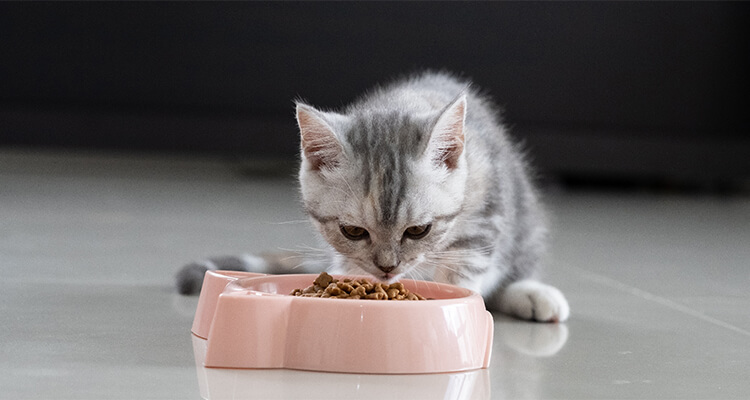
Try feeding your cat smaller meals more frequently throughout the day instead of one or two large portions. This prevents your cat from eating too quickly, which often leads to vomiting.
Use a slow feeder bowl or place a large object in the food bowl to slow down eating. Have you noticed your cat gulping down food like there’s no tomorrow? Slowing down the eating pace can help.
Also, avoid feeding your cat right before bedtime to reduce the chance of stomach upset overnight.
Hydration Tips
Keep fresh water available at all times and encourage your cat to drink regularly. Dehydration can worsen digestive issues and make vomiting more frequent.
If your cat is reluctant to drink, try offering water from a pet fountain or adding a little flavor with low-sodium broth. Cats often prefer moving water, which can boost their intake.
Wet food can also help increase your cat’s overall hydration, which is especially useful if your cat doesn’t drink much water on its own.
Dietary Changes
Switching to a bland diet can soothe your cat’s stomach. Foods like boiled chicken and plain rice are gentle and easy to digest.
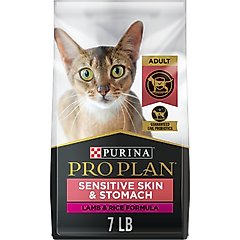
Look for high-quality cat food formulated for sensitive stomachs. These formulas often contain limited ingredients to reduce the risk of food intolerance.
Have you checked if your cat’s current food contains any ingredients they might be allergic to? Sometimes, changing the protein source, like from chicken to fish, can stop the vomiting.
Credit: www.petmd.com
Medications And Treatments
Dealing with a cat that’s throwing up food can be both concerning and frustrating. Understanding the available medications and treatments can help you manage this issue effectively. While some solutions involve medications, others are more natural and holistic, catering to your cat’s specific needs.
Common Vet Prescriptions
Veterinarians often prescribe medications to control vomiting, especially if it’s frequent or severe. Anti-nausea drugs, like maropitant, can help by calming your cat’s stomach. If an underlying condition is suspected, such as gastritis or an intestinal blockage, your vet might recommend additional treatments.
Antibiotics might be necessary if an infection is causing the vomiting. Always follow your vet’s instructions closely and watch for any side effects in your cat. Regular check-ups can ensure the prescribed medications are having the desired effect.
Natural Remedies
If you prefer a more natural approach, there are several remedies worth considering. A simple dietary change, like switching to a bland diet of boiled chicken and rice, can soothe your cat’s stomach. Ginger, known for its anti-nausea properties, can be given in small amounts mixed with food.
Some cat owners find success using herbal teas like chamomile, which can be added to your cat’s water to ease digestion. Always introduce any new remedy gradually and monitor your cat’s reaction. What natural remedy have you found effective for your cat?
Probiotics And Supplements
Probiotics can be a game-changer for cats with digestive issues. They help balance the gut flora, which can reduce vomiting and improve overall digestion. Many cat-specific probiotics are available, so choose one that’s reputable and recommended by your vet.
In addition to probiotics, certain supplements like Omega-3 fatty acids can support digestive health. These can be found in fish oil supplements and added to your cat’s diet. Have you tried any supplements that made a noticeable difference?
Preventing Future Vomiting
Preventing future vomiting in adult cats is important for their health and comfort. Vomiting can signal various issues, so careful care helps reduce its chances. Adjusting diet, managing stress, and regular vet visits support a healthier cat.
Safe Foods To Offer
Choose foods that are easy to digest and low in fat. Avoid sudden changes in diet to prevent stomach upset. Offer small, frequent meals instead of one large portion.
- Boiled chicken without skin
- Plain cooked rice
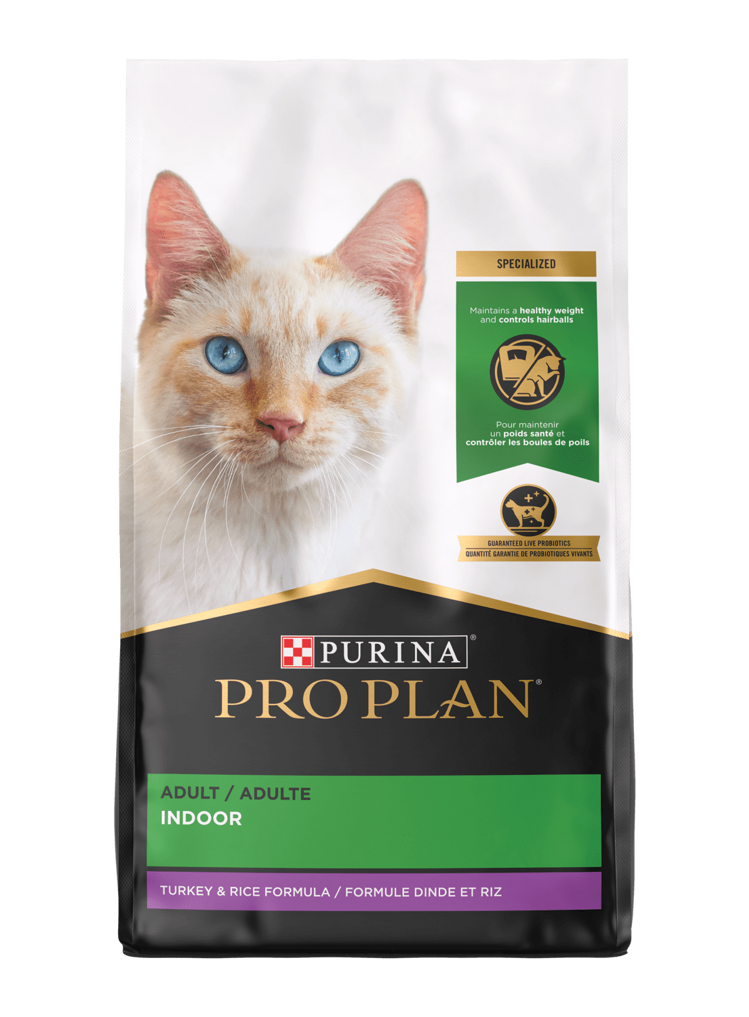
- Special veterinary diets designed for sensitive stomachs
- Wet cat food with high moisture content
Keep fresh water available at all times to help digestion.
Stress Reduction Techniques
Stress often causes vomiting in cats. Create a calm environment with quiet spaces for rest. Use gentle play to help your cat relax and stay active.
- Provide hiding spots or cozy beds
- Maintain a regular feeding and play schedule
- Use calming sprays or diffusers with pheromones
- Limit loud noises and sudden changes
Regular Health Checkups
Routine vet visits catch health problems early. Discuss any vomiting episodes with your vet. Regular exams help monitor your cat’s weight and overall health.
Vaccinations and parasite control keep your cat strong. Early detection of illnesses reduces vomiting risks and improves treatment success.
Credit: www.purina.com
Frequently Asked Questions
Why Is My Adult Cat Throwing Up Food Frequently?
Frequent vomiting may indicate dietary issues, infections, or allergies. Consult a vet to identify causes and get proper treatment.
How Can I Prevent My Cat From Vomiting Food?
Feed smaller meals more often, avoid sudden diet changes, and ensure clean water is available to reduce vomiting incidents.
When Should I Take My Cat To The Vet For Vomiting?
Seek veterinary care if vomiting persists beyond 24 hours, includes blood, or your cat shows lethargy or dehydration signs.
What Diet Is Best For A Cat That Vomits Often?
A bland, easily digestible diet with high-quality protein and low fat can help. Your vet can recommend specific foods.
Conclusion
Caring for a cat that vomits food needs patience and attention. Watch your cat’s behavior closely every day. Offer small, frequent meals instead of large ones. Choose gentle, easy-to-digest food to help the stomach. Keep fresh water available at all times.
Avoid sudden diet changes or feeding human food. If vomiting continues or worsens, see a vet quickly. Early care helps your cat feel better fast. Your love and care make a big difference. Stay calm and act with care for your pet.

Leave a Reply