
Have you ever noticed how a simple purr or a gentle nudge from a cat can instantly lift your mood? If you’ve been feeling stressed, anxious, or just a bit down, your feline friend might be more helpful than you realize.
Cats are not just cute companions—they can play a real role in improving your mental health. Imagine having a natural way to feel calmer, happier, and less alone every day. Curious to find out how your cat could be a key to better mental well-being?
Keep reading—you might discover surprising benefits that make your bond with your cat even stronger.
Emotional Support From Cats
Cats offer unique emotional support that can improve mental health. Their presence soothes the mind and heart. Many people find comfort in the simple act of petting a cat. Cats respond to human emotions, creating a special bond. This bond can help ease emotional struggles and bring calmness to daily life.
Reducing Stress And Anxiety
Cats have a calming effect on their owners. Petting a cat can lower heart rate and reduce stress hormones. Their gentle purring creates a peaceful environment. Watching a cat play or rest can distract from worries. This simple interaction helps reduce feelings of anxiety and tension.
Combating Loneliness
Loneliness affects many people, but cats provide constant companionship. They offer unconditional love without judgment. Cats listen in their own way and keep owners company. Having a cat means never feeling truly alone. Their presence fills empty spaces with warmth and comfort.
Boosting Mood And Happiness
Cats bring joy through their playful and affectionate nature. Their curious behavior often makes people smile or laugh. Positive interactions with cats trigger the release of feel-good hormones. This natural boost lifts mood and encourages a happier outlook. Regular time with a cat can brighten even difficult days.

Credit: www.goodhousekeeping.com
Physical Health Benefits Linked To Cats
Cats offer more than comfort and company. Their presence can bring physical health benefits. These benefits help improve overall well-being. Simple daily interactions with cats can lead to positive changes in health.
Lowering Blood Pressure
Petting a cat helps reduce stress and calm the mind. This calming effect can lower blood pressure. Studies show cat owners often have lower blood pressure levels. The soothing purr of a cat can ease tension quickly. This effect supports a healthier cardiovascular system.
Improving Heart Health
Owning a cat is linked to better heart health. Cat owners have a lower risk of heart attacks and strokes. The stress relief cats provide plays a key role. Regular interaction with cats can improve heart rate variability. This leads to stronger heart function and reduced risk of heart disease.
Encouraging Routine And Activity
Caring for a cat adds structure to daily life. Feeding, grooming, and playing create a healthy routine. Cats encourage light physical activity through playtime. These small activities keep the body moving and active. A regular routine also supports mental and physical balance.
Cats And Social Interaction
Cats play a unique role in social interaction. They can bring people together and create a shared experience. Their presence often sparks conversations and builds connections among strangers and friends alike.
Many cat owners find that their pets help reduce feelings of loneliness. Cats provide companionship that encourages social engagement. This interaction can be especially helpful for people with social anxiety or those who feel isolated.
Facilitating Social Connections
Cats act as social magnets in many settings. Seeing or talking about a cat can break the ice between people. Cat owners often meet others through pet-related activities like visits to the vet or cat cafés.
Sharing stories about cats creates common ground. People naturally bond over funny or heartwarming cat moments. This shared interest can lead to lasting friendships.
- Cat-themed events encourage group participation.
- Online cat communities provide virtual social spaces.
- Pet care groups offer support and advice sharing.
Enhancing Communication Skills
Interacting with cats helps improve nonverbal communication. Watching a cat’s body language sharpens observation skills. This awareness can transfer to better human interactions.
Talking about cats encourages people to practice speaking and listening. It builds confidence in expressing thoughts and feelings. For shy individuals, discussing a pet is an easy conversation starter.
Cat owners often learn patience and empathy. These traits improve how they relate to others. Caring for a cat teaches valuable social skills that benefit daily life.
Therapeutic Roles Of Cats
Cats offer comfort and reduce stress through their gentle purring and affectionate behavior. Their presence can ease feelings of loneliness and improve mood naturally. Spending time with cats helps many people feel calmer and more relaxed.
Cats have quietly padded their way into the realm of therapy, offering comfort and support to many. Their gentle purring, soft fur, and independent nature make them exceptional companions. These feline friends offer more than just cuddles; they can play significant roles in mental health improvement.Cats In Therapy Programs
Cats are becoming popular in therapy programs. Their presence alone can create a calming environment. Many hospitals and nursing homes use cats to reduce stress. They help in lowering blood pressure and easing anxiety. Cats offer a sense of normalcy and comfort to patients. They encourage interaction and help in breaking the ice. This can be particularly beneficial for those who feel isolated.Helping With Ptsd And Trauma
Cats can be vital for those with PTSD and trauma. Their non-judgmental nature offers a safe space. Cats help reduce symptoms of PTSD through companionship. Their routines provide structure and purpose to daily life. This can be grounding for someone with trauma. They can sense distress and offer comfort. This intuitive nature aids in emotional healing. Cats help create a stable environment, which is crucial for recovery.Choosing The Right Cat For Mental Wellness
Choosing the right cat plays a big role in boosting mental wellness. Cats offer comfort and calmness, but each cat is unique. Finding one that fits your lifestyle and emotional needs is key. The right cat can bring joy, reduce stress, and provide a sense of companionship. It’s important to consider traits that match your personality and daily routine.
Temperament And Personality Traits
Cats have different temperaments. Some are playful and energetic. Others are calm and cuddly. Knowing what you need helps in picking the right cat. Gentle cats suit people who want calm support. Active cats are good for those who enjoy play and movement.
Look for traits like:
- Friendliness
- Affection level
- Energy
- Independence
- Vocalness
Consider how a cat’s personality fits your daily life. A calm cat may ease anxiety. A playful cat might lift your mood with fun. Matching energy levels reduces stress for both you and the cat.
Adoption Tips For Mental Health Benefits
Adopting a cat can improve mental health. Shelters often know about each cat’s behavior. Talk to staff about your needs and concerns. Spend time with different cats before deciding. This helps you see which cat makes you feel best.
Think about:
- Age and size of the cat
- Health history
- Past experiences and behavior
- Compatibility with other pets
Adopt from places that support mental wellness. Some shelters offer trial periods or support after adoption. Take your time to find a cat that fits your mental health goals.

Credit: uk.style.yahoo.com
Potential Challenges And Considerations
Having a cat can be a wonderful way to boost your mental health, but it’s important to consider some challenges before making a decision. Cats require care and attention, and certain factors may affect your experience as a pet owner. Thinking through these points can help you create a positive relationship with your feline friend.
Allergies And Health Risks
Allergies to cats are more common than you might think. If you or someone in your household is allergic, symptoms can range from mild sneezing to severe asthma attacks.
Even if you haven’t shown allergies before, spending time with a cat might trigger new reactions. It’s a good idea to spend time around cats before adopting to see how your body reacts.
Additionally, cats can carry parasites or infections, so keeping up with regular vet visits and hygiene is essential for your health.
Time And Commitment
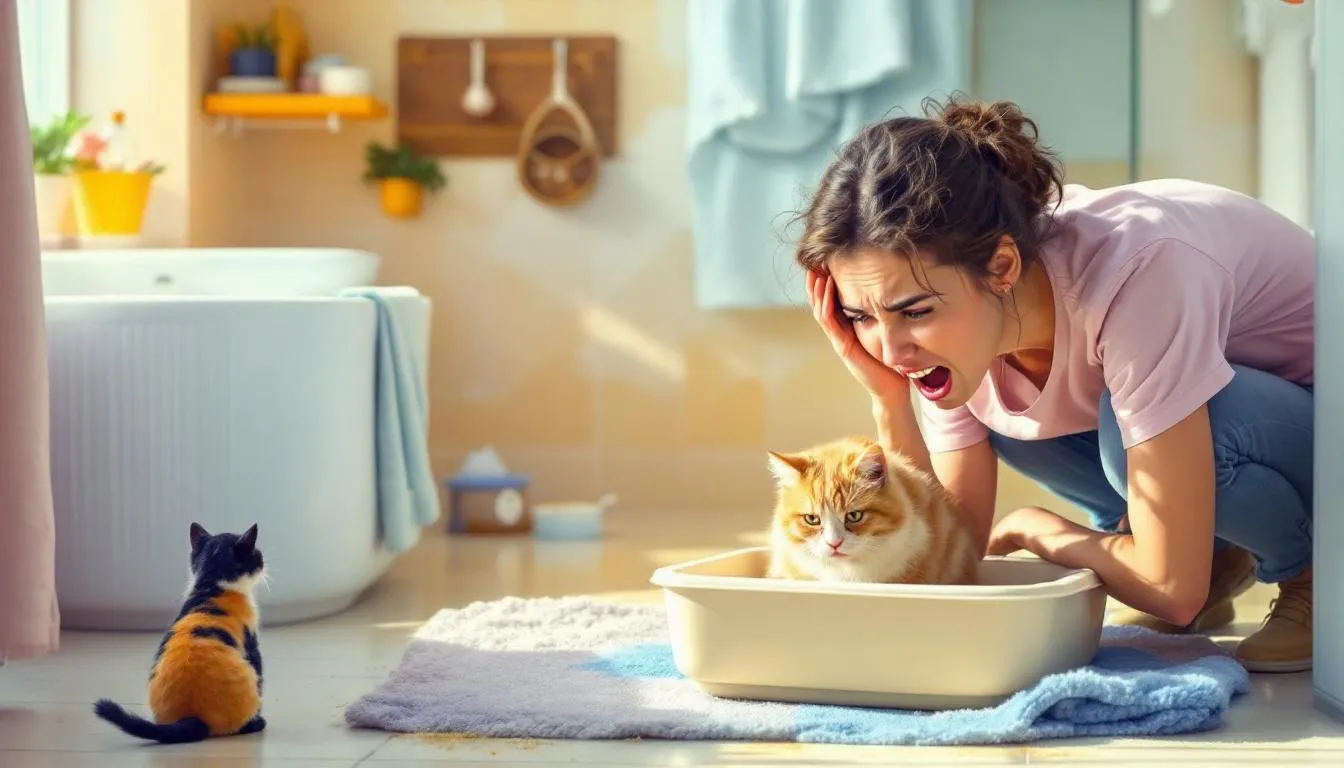
Caring for a cat takes daily effort. Feeding, cleaning the litter box, and giving attention are all part of the routine.
Think about your schedule—do you have time to meet a cat’s needs consistently? Cats may seem independent, but they still crave interaction and mental stimulation.
Neglecting these needs can lead to behavioral problems or stress for the cat, which could affect your own mental well-being.
Managing Expectations
It’s easy to expect a cat to solve all feelings of loneliness or anxiety, but pets are not a magic cure. They provide companionship, but they also have their moods and limits.
Some cats may be shy or less affectionate, which might not meet your emotional needs as you hope. Patience and understanding are key to building a rewarding bond.
Ask yourself: Are you ready to accept the cat’s personality, even if it’s not exactly what you imagined? Being realistic can prevent disappointment and help you enjoy your pet more.

Credit: prmsuat.transre.com
Frequently Asked Questions
Can Cats Reduce Stress And Anxiety?
Yes, cats can reduce stress and anxiety by providing companionship. Petting a cat releases calming hormones. Their presence can lower heart rate and improve mood.
How Do Cats Improve Mental Health?
Cats improve mental health by offering emotional support. They help reduce feelings of loneliness and depression. Playing with cats encourages relaxation and positive feelings.
Are Cats Good Therapy Animals?
Yes, cats are good therapy animals. They provide comfort and emotional connection. Many therapy programs include cats to help improve mental well-being.
Can Owning A Cat Boost Happiness?
Owning a cat can boost happiness. Cats offer unconditional love and companionship. Interacting with cats releases endorphins that enhance mood and reduce sadness.
Conclusion
Cats offer comfort and calm in stressful times. Their presence can ease feelings of loneliness and sadness. Playing with cats brings joy and helps focus the mind. Caring for a pet builds a daily routine and sense of purpose. Many find that cats help lower anxiety and improve mood.
Small moments with a cat can brighten a tough day. Pets may not solve all problems but can support mental health well. Choosing a cat means inviting warmth and companionship into life.


Leave a Reply