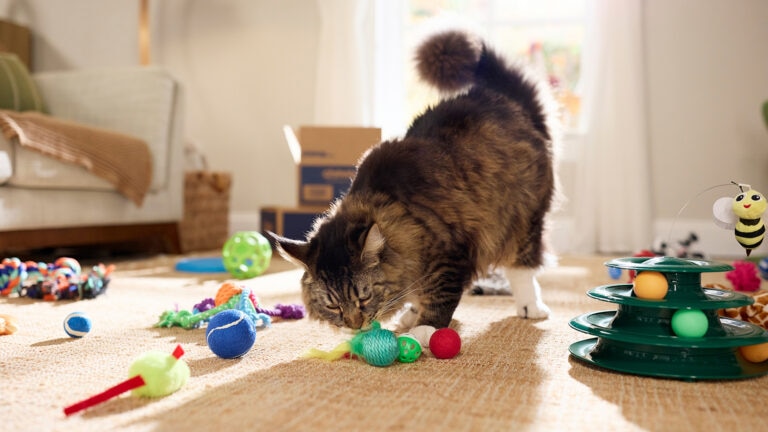
Have you ever wished your cat could bring you their favorite toy? Training a cat to pick up a toy might sound tricky, but with the right approach, you can teach your furry friend this fun and rewarding trick.
Imagine the joy of your cat fetching their toy and dropping it right at your feet! You’ll discover simple, step-by-step methods that make training easy and enjoyable—for both you and your cat. Ready to strengthen your bond and impress your friends?
Keep reading to find out how to get started today.
:strip_icc()/spruce-pets-cat-clicker-training-5594c453bd7f499aa8e7cf756d485afc.png)
Credit: www.thesprucepets.com
Preparing For Training
Preparing your cat for training to pick up a toy sets the foundation for success. It’s more than just having a toy and treats ready; it’s about creating the right environment and choosing tools that suit your cat’s personality. This preparation helps your cat stay focused and motivated throughout the process.
Choosing The Right Toy
Pick a toy that grabs your cat’s attention quickly. Cats often prefer toys that mimic prey, like small balls, feather wands, or soft stuffed mice. Notice what your cat naturally chases or bats around during playtime—it’s a great clue to what will work best for training.
Avoid toys that are too big or heavy, as your cat might lose interest or find it difficult to carry. The goal is to find something easy for your cat to pick up and hold in their mouth.
Setting Up A Training Space
Choose a quiet, distraction-free area where your cat feels comfortable and safe. It can be a cozy corner in your living room or a spot near a window with natural light. Make sure the space is free from loud noises and other pets that might interrupt your session.
Keep the training area small and organized to prevent your cat from wandering off. A familiar space helps your cat associate the area with positive training experiences.
Gathering Treats And Rewards
Use small, tasty treats that your cat loves as rewards. High-value treats like tiny pieces of cooked chicken or commercial cat treats work well. The treats should be easy to eat quickly so your cat stays engaged.
Besides food, gentle praise and petting can also motivate your cat. Pay attention to what makes your cat happiest and use those rewards consistently to encourage the behavior you want.

Credit: moderncat.com
Building Basic Commands
Building basic commands is the first step to training your cat to pick up a toy. Cats respond best to clear signals and consistent routines. Teaching simple commands helps your cat understand what you want. This foundation makes learning fun and rewarding.
Getting Your Cat’s Attention
Start by choosing a quiet place with few distractions. Use a soft voice to call your cat’s name. Wave a toy or treat to catch their eye. Wait until your cat looks at you before giving a reward. This creates a connection between attention and positive outcomes.
Using Clicker Training
Clicker training helps mark good behavior instantly. Press the clicker when your cat shows interest in the toy. Follow the click with a treat to reward your cat. Repeat this several times to build understanding. The click sound tells your cat exactly what action earns rewards.
Introducing The ‘fetch’ Cue
Choose a short, clear word like “fetch” as the cue. Say the word right before tossing the toy gently. Encourage your cat to touch or pick up the toy. Click and reward when your cat interacts with the toy. Practice this regularly to link the word with the action.
Teaching Toy Pickup
Teaching your cat to pick up a toy can be a rewarding challenge that strengthens your bond. It requires patience and clear communication. You’ll need to guide your cat gently from simple interaction to actually holding and carrying the toy.
Encouraging Interaction With The Toy
Start by choosing a toy that naturally attracts your cat, like a small plush or a lightweight ball. Place the toy near your cat and give it time to explore. You might tap or wiggle the toy slightly to grab your cat’s attention without overwhelming them.
Observe how your cat reacts. Do they paw at it? Bat it around? These are great signs of interest. If your cat seems hesitant, try using a toy that makes noise or has a scent they enjoy.
Rewarding Pickup Attempts
When your cat shows interest by touching or nudging the toy, reward this behavior immediately. Use treats, praise, or gentle petting to make the moment positive. Timing is key—reward right after the action to help your cat connect the behavior with the reward.
If your cat tries to grab the toy with their mouth or paws, encourage this by offering a treat or a soft voice cue. Even if they only touch the toy briefly, celebrate it. This builds confidence and encourages them to try holding the toy longer.
Reinforcing Holding And Carrying
Once your cat starts picking up the toy, gently encourage them to hold it a bit longer. You can softly say a cue word like “hold” or “carry” to associate the action with a command. Keep sessions short to avoid frustration.
If your cat drops the toy quickly, don’t rush to pick it up for them. Instead, wait patiently and reward when they pick it up again. You might find it helpful to use a toy attached to a string for easy retrieval and to maintain your cat’s interest.
Have you noticed how your cat’s personality influences their learning speed? Some cats love to fetch and carry, while others prefer just to chase. Tailor your approach based on what motivates your furry friend most.
Extending Training Sessions
Extending training sessions helps your cat stay focused without getting tired. Keep sessions short and add time gradually for better learning. Patience and consistency make the training more effective and fun for your cat.
Extending Training Sessions Training a cat to pick up a toy takes time and patience. Extending training sessions can help reinforce behaviors and improve skills. Cats learn best with short, consistent practice. Gradually increasing the complexity keeps your cat engaged and eager to learn.Increasing Distance Gradually
Start by tossing the toy a short distance. Encourage your cat to retrieve it. Once successful, increase the distance slowly. This helps build confidence. Always praise your cat for each successful attempt. Keep the sessions short to maintain interest.Adding Toy Retrieval
Introduce the idea of bringing the toy back. Use a specific command like “fetch.” Reward your cat each time it brings the toy closer. Use treats or affection as a reward. Consistent rewards encourage repeated behavior. Be patient as this step might take time.Practicing Consistency
Consistency is key in training. Practice sessions should occur daily. Keep the commands and rewards the same. This helps your cat understand expectations. Ensure sessions are positive experiences. A calm environment aids in learning. Consistent practice leads to better results.Troubleshooting Common Issues
Training a cat to pick up a toy can be a rewarding experience, but it doesn’t always go as planned. You might face some bumps along the way that can make progress slow or frustrating. Understanding how to troubleshoot common issues can keep you and your feline friend motivated and on track.
Dealing With Disinterest
Not every cat is immediately excited about playing fetch or picking up toys. Your cat might ignore the toy simply because it doesn’t find it interesting.
Try switching up the type of toy. Some cats prefer soft plush toys, while others go for crinkly balls or feather wands. Observe what your cat naturally enjoys chasing or batting around.
Also, consider your cat’s mood and environment. Is it nap time or feeding time? Cats often respond better when they’re alert and in a playful mood. Are you offering a reward that truly motivates your cat? Experiment with different treats or affection as positive reinforcement.
Managing Short Attention Spans
Cats have brief bursts of energy and focus, so training sessions need to be short and sweet. Trying to stretch a session longer than a few minutes can cause your cat to lose interest quickly.
Keep sessions under five minutes and end on a positive note, even if your cat only picks up the toy once. Frequent, short sessions tend to work better than infrequent, long ones.
Consider breaking the training into small steps. Start by rewarding your cat for touching the toy, then for picking it up, and finally for bringing it closer to you. Patience and gradual progression are key.
Avoiding Frustration
Training your cat requires patience, but it’s easy to get frustrated when progress seems slow. Remember, cats aren’t dogs; they learn differently and on their own terms.
If you feel yourself getting annoyed, take a break and return later with a fresh mindset. Frustration can create tension that your cat senses, making it less likely to cooperate.
Celebrate small victories and focus on the fun of bonding with your cat. Have you noticed how a simple playtime can brighten your day and theirs? Keeping the experience positive will help both you and your cat enjoy the process.
Maintaining And Enhancing Skills
Training your cat to pick up a toy is just the beginning. Maintaining and enhancing these skills keeps your cat mentally sharp and strengthens your bond. Consistency and creativity play a big role in making sure your cat stays engaged and eager to play along.
Regular Practice Tips
Practice a little every day, even if it’s just for five minutes. Short sessions prevent your cat from getting bored or frustrated.
Pick a quiet time when your cat is relaxed but alert, like after a nap. Use the same command or cue consistently to reinforce the behavior.
If your cat misses a pick-up or drops the toy, stay patient and encourage gently. Positive reinforcement with treats or praise works wonders here.
Introducing New Toys
New toys keep the game interesting and challenge your cat’s skills. Swap out old toys for different shapes, textures, or sounds to spark curiosity.
Watch how your cat reacts—some prefer soft plush toys while others like balls or crinkly objects. Tailor your toy choices to what motivates your cat the most.
Try mixing in toys that move or squeak to add excitement. This variety helps prevent your cat from losing interest and keeps the pick-up behavior fresh.
Keeping Training Fun
Turn training into a game, not a chore. Keep your tone upbeat and your movements lively to make the experience enjoyable for your cat.
Use play breaks between training rounds. Let your cat chase a laser pointer or bat at feathers to balance focus with fun.
Ask yourself: Does your cat look forward to training sessions? If not, experiment with different rewards or shorter sessions until it feels like playtime.

Credit: www.youtube.com
Frequently Asked Questions
How Long Does It Take To Train A Cat To Pick Up Toys?
Training usually takes 1 to 3 weeks with consistent daily practice. Patience and positive reinforcement are key. Short sessions of 5-10 minutes work best to keep your cat engaged and motivated.
What Is The Best Toy To Use For Training Cats?
Small, lightweight toys like soft balls or plush mice work well. Choose toys your cat already shows interest in. Avoid noisy or heavy toys that may scare or tire your cat.
Can All Cats Learn To Pick Up Toys?
Most cats can learn with patience, but individual interest varies. Some cats enjoy interactive play more than others. Tailor training to your cat’s personality and reward progress consistently.
How Do I Reward My Cat During Toy Training?
Use treats, praise, or petting as rewards immediately after your cat picks up the toy. Positive reinforcement encourages repeated behavior. Timing rewards right after success is crucial for effective training.
Conclusion
Training a cat to pick up a toy takes time and patience. Start with small steps and be consistent every day. Reward your cat with treats or praise when it tries. Keep sessions short to hold your cat’s attention. Practice often, but don’t rush the process.
Celebrate small successes along the way. Soon, your cat will enjoy playing and bringing toys back. Training builds trust and strengthens your bond. Enjoy the fun moments and stay patient. Your effort will pay off in happy playtimes.



Leave a Reply