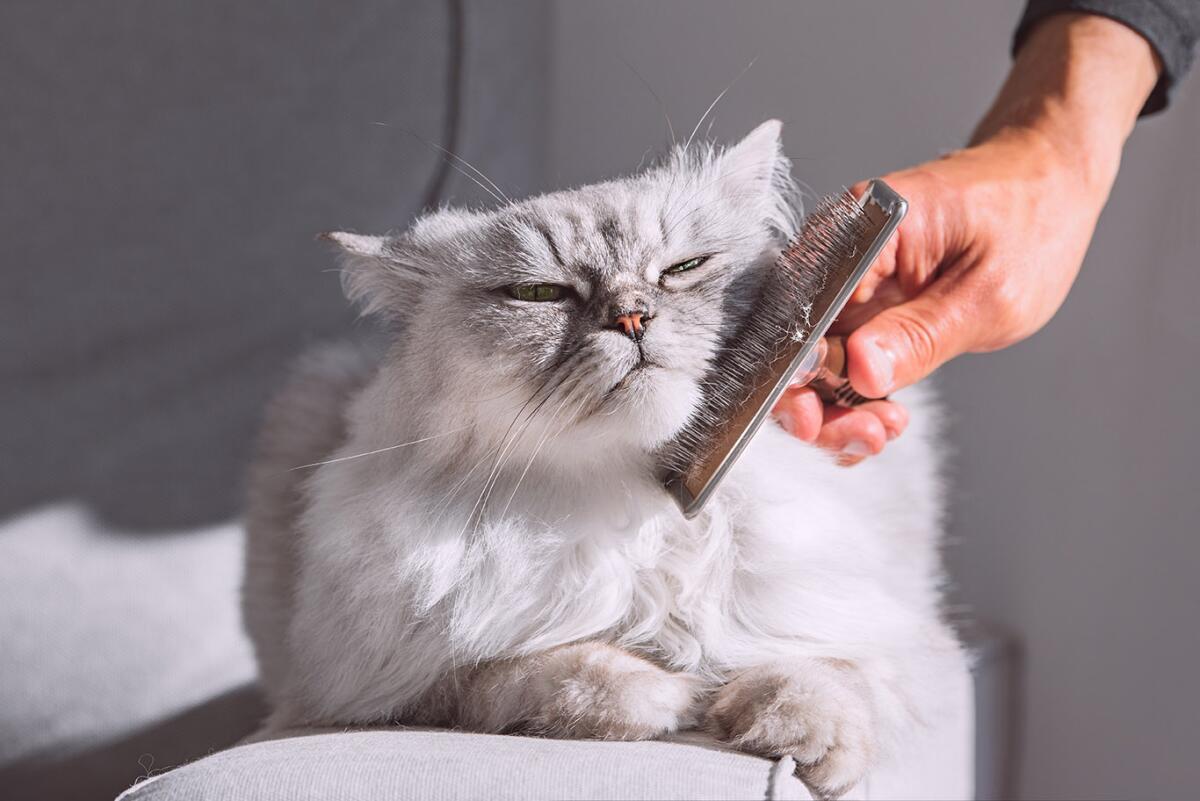
Have you ever watched your cat carefully cleaning itself and wondered, “Does my furry friend really need my help with grooming?” You might think cats are experts at keeping themselves tidy, but sometimes they struggle more than you realize. Understanding when and how to assist your cat with grooming can make a big difference in their comfort and health.
Keep reading to discover the signs your cat needs help, and simple ways you can make grooming easier for your beloved pet.
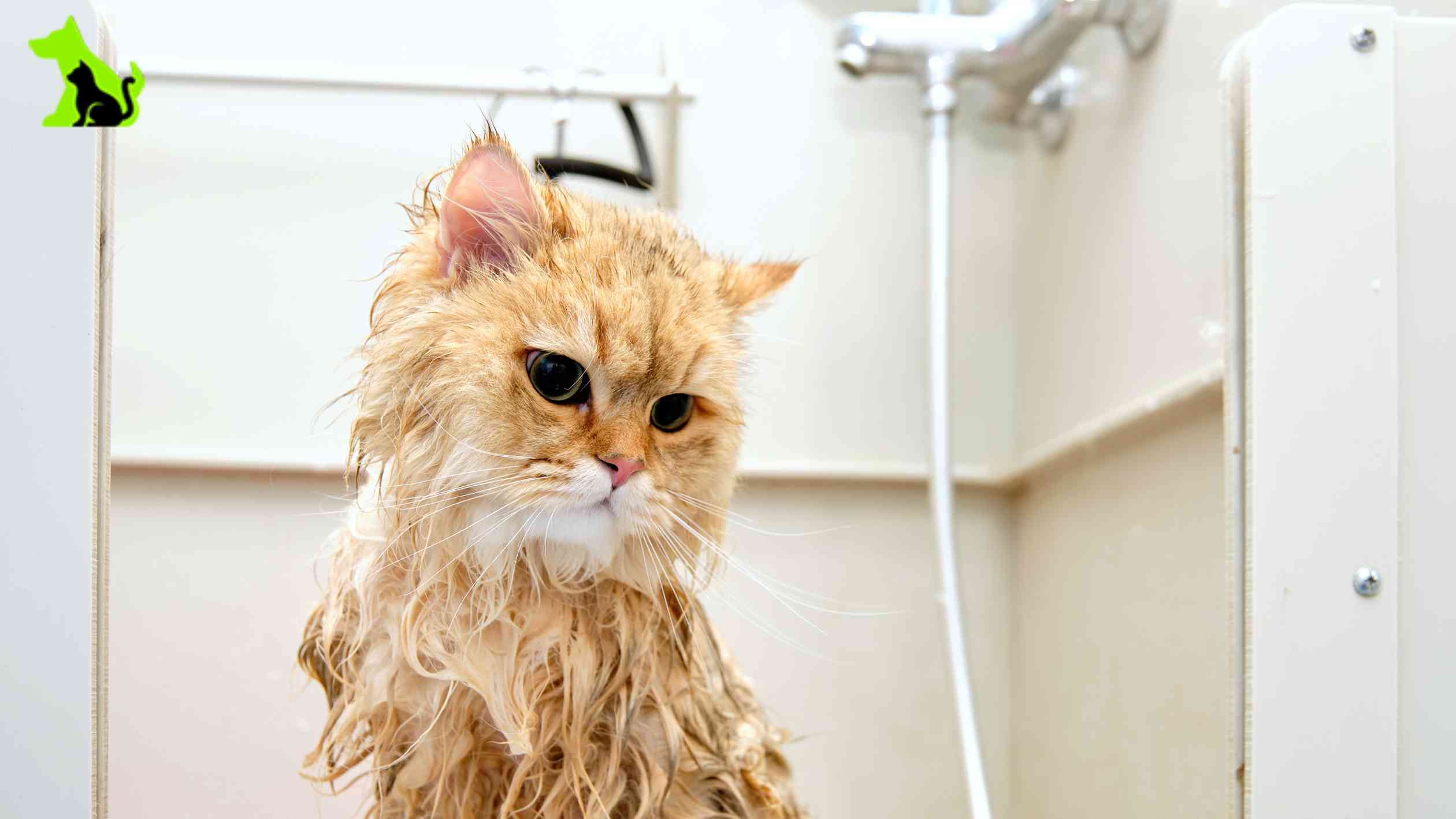
Credit: hellopetsinc.com
Cat Grooming Basics
Understanding the basics of cat grooming helps keep cats healthy and happy. Cats spend a lot of time cleaning themselves. This natural habit usually takes good care of their fur and skin. Still, some cats need help to stay clean and comfortable.
Natural Grooming Habits
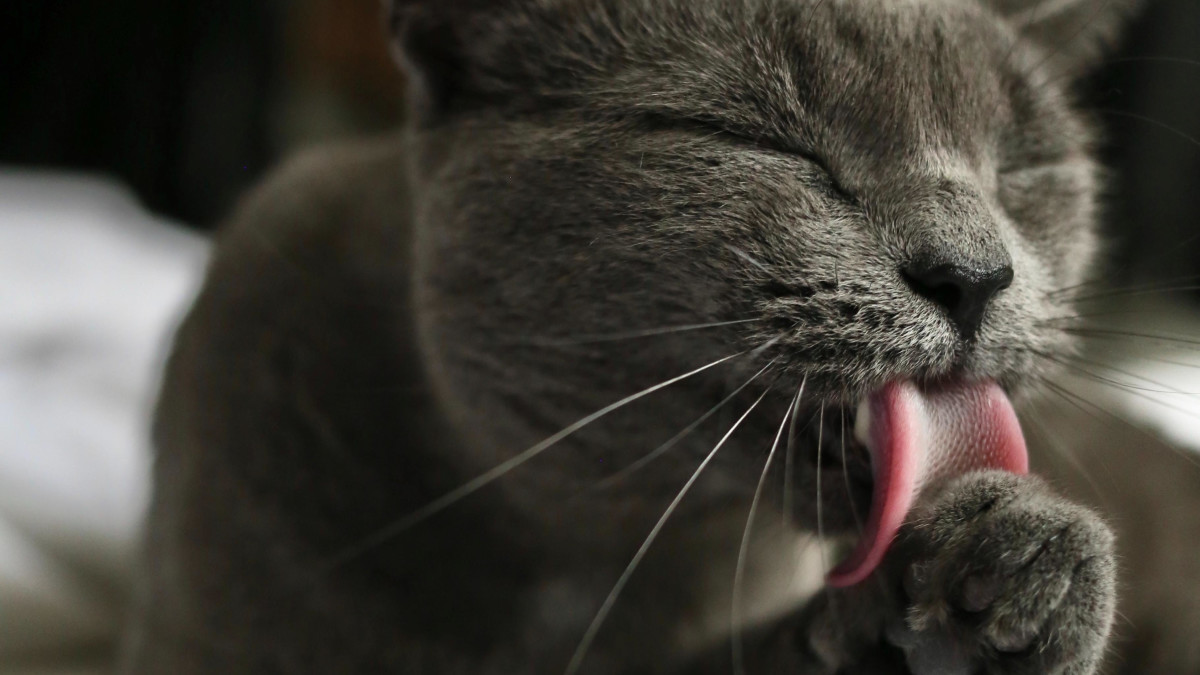
Cats use their tongues to clean fur and remove dirt. Their tongues have tiny, rough bumps that catch loose hair. Grooming also spreads natural oils, which keep fur shiny and soft.
They lick their paws and rub them on their face and head. This action cleans hard-to-reach places. Grooming calms cats and reduces stress. It also helps control body temperature.
Common Grooming Challenges
Some cats have trouble grooming well. Older cats may have less flexibility. Overweight cats might struggle to reach certain spots. Long-haired cats can get mats and tangles.
Skin problems or wounds can stop cats from grooming. Dirt, fleas, or sticky substances can cause discomfort. These issues may need help from pet owners or vets.
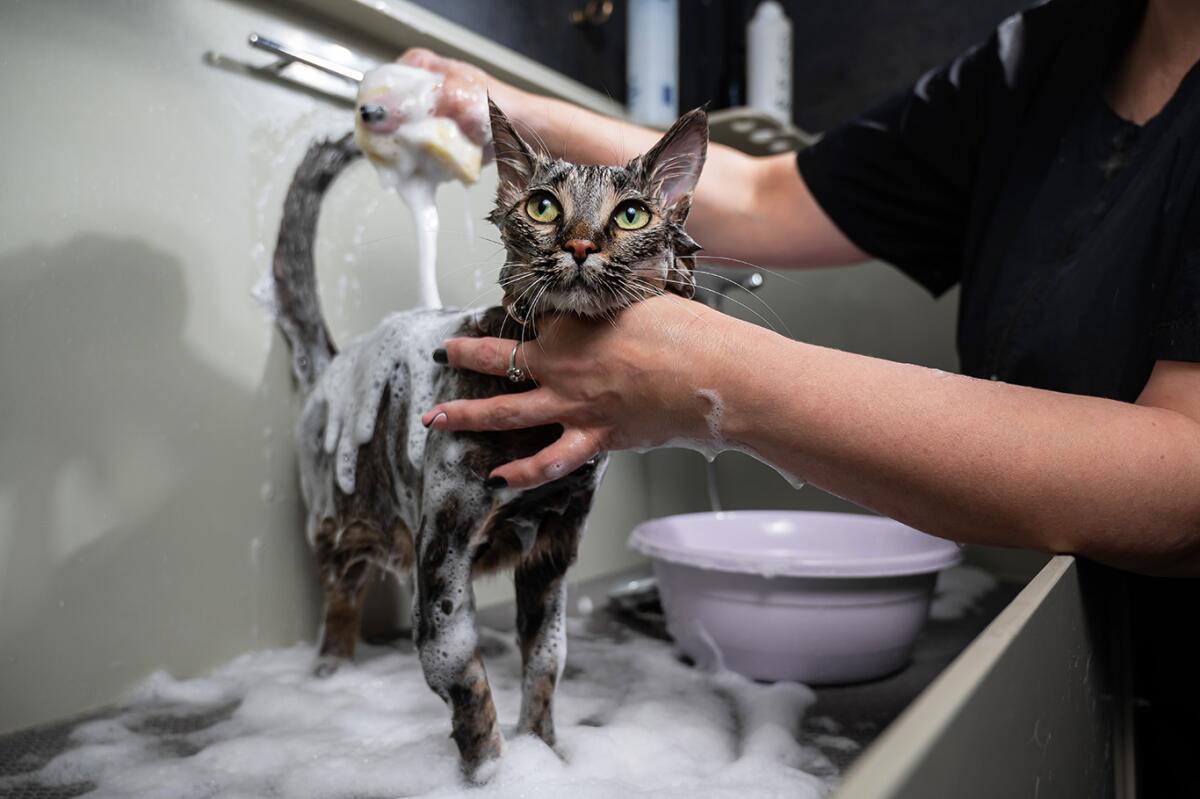
Credit: www.latimes.com
Signs Your Cat Needs Grooming Help
Cats usually groom themselves well. But sometimes, they need help. Knowing the signs can keep your cat healthy and happy. Watch for these common issues that show grooming help is needed.
Matting And Tangles
Matting happens when fur clumps tightly together. It causes discomfort and pulls on the skin. Tangles are smaller knots that can turn into mats. These make it hard for cats to clean themselves. Long-haired cats need more attention to avoid mats. Regular brushing prevents mats from forming.
Excessive Shedding
Shedding is normal, but too much can be a problem. Excessive shedding leaves hair all over your home. It may also indicate stress or health issues. Cats with thick coats shed more in certain seasons. Grooming removes loose fur and reduces hairballs. It also helps your cat feel more comfortable.
Skin Irritations
Look for redness, bumps, or sores on your cat’s skin. These signs suggest irritation or allergies. Scratching and licking a lot can worsen the skin condition. Poor grooming can cause dirt buildup and infections. Help your cat by cleaning the fur and checking for problems. Regular grooming supports healthy skin and coat.
Grooming Tools For Cats
Keeping your cat well-groomed isn’t just about appearance—it’s about health and comfort. The right grooming tools can make this routine easier for both you and your feline friend. Knowing which tools to use and how to use them can turn grooming from a chore into a bonding experience.
Brush Types And Uses
Different brushes serve different purposes. A slicker brush works wonders for removing loose fur and preventing mats, especially if your cat has long hair. For short-haired cats, a bristle brush helps distribute natural oils and keeps their coat shiny.
Have you noticed how your cat reacts to various brushes? Some cats prefer gentle rubber brushes, which also offer a soothing massage. Choosing the right brush can reduce shedding and keep your home cleaner.
Nail Clippers And Trimmers
Trimming your cat’s nails can prevent scratches and protect your furniture. Guillotine-style clippers offer a straight cut, ideal for beginners, while scissor-type clippers give more control for experienced groomers. You might find a nail grinder useful—it smooths edges instead of cutting, which some cats tolerate better.
Don’t rush the process. Start by gently handling your cat’s paws to make them comfortable. Have you tried clipping nails during playtime? This can distract your cat and make nail care less stressful.
Bathing Supplies
Bathing isn’t always necessary but can be helpful for certain cats or situations. Use a cat-specific shampoo to avoid skin irritation. A non-slip mat inside the sink or tub helps your cat feel secure and prevents accidents.
Keep towels and a gentle sprayer handy. Some cats tolerate a quick rinse better than a full bath. Have you noticed how patience and calm tones make bath time less scary for your cat?
Step-by-step Grooming Guide
Grooming your cat can be a wonderful bonding experience and is crucial for their health and well-being. While cats are excellent self-groomers, they still benefit from a helping hand. This step-by-step guide will walk you through essential grooming techniques to keep your feline friend looking and feeling their best.
Brushing Techniques
Regular brushing not only reduces shedding but also prevents matting and hairballs. Use a brush suited to your cat’s coat type—long-haired breeds may require a slicker brush, while short-haired cats might do well with a bristle brush. Start by gently brushing in the direction of the fur, and pay special attention to areas prone to tangles like the belly and hindquarters.
Keep your brushing sessions short and sweet to avoid overwhelming your cat. Gradually increase the duration as your cat becomes accustomed to the routine. You might notice your cat purring contentedly, a sign they’re enjoying the attention!
Nail Trimming Tips
Trimming your cat’s nails can seem daunting, but with patience, it becomes manageable. Begin by familiarizing your cat with the clippers by letting them sniff and explore the tool. When they’re calm, gently press their paw to extend the claws and carefully trim just the sharp tips.
Be cautious not to cut too close to the quick, the sensitive part of the nail, to avoid pain and bleeding. You can use treats to reward your cat, making the experience positive. Remember, it’s better to trim a little bit regularly than too much all at once.
Bathing Your Cat Safely
Though most cats don’t need frequent baths, sometimes they’re necessary. Before the bath, gather all essentials: a non-slip mat, cat-friendly shampoo, and a towel. Fill the tub with a few inches of lukewarm water and gently place your cat inside, reassuring them with a calm voice.
Wet their fur with a cup or a small sprayer, avoiding the face and ears. Lather the shampoo, then rinse thoroughly to remove all residue. Dry your cat with a towel, and let them finish drying in a warm, quiet space. Have you ever noticed how cats seem to know when you’re about to bathe them and suddenly disappear?
Keep these grooming sessions regular and stress-free. Your cat will not only look great but also enjoy a healthier, happier life.
Special Grooming Needs
Some cats manage grooming on their own effortlessly, but others need a bit more attention to stay clean and comfortable. Special grooming needs arise from factors like fur length, age, and health conditions. Understanding these unique requirements helps you provide the care your cat truly needs.
Long-haired Cats
Long-haired cats often struggle with tangled fur and mats that can cause discomfort or skin problems. You may need to brush them daily to prevent knots and remove loose hair. This extra grooming time not only keeps their coat shiny but also reduces hairballs.
Have you noticed your long-haired cat grooming less when the weather gets warmer? That’s a sign you should step in and help with regular brushing. Tools like wide-tooth combs and slicker brushes work well to gently detangle and keep their coat healthy.
Senior Cats
Older cats sometimes lose flexibility or strength, making self-grooming difficult. You might find their fur looks dull or patchy because they can’t reach all areas easily. Offering gentle brushing sessions can improve their skin health and comfort.
Watch for signs of skin irritation or excessive shedding in your senior cat. These could mean they need extra grooming or a vet visit. Your hands-on care also offers bonding time and helps you spot health changes early.
Cats With Medical Conditions
Certain health issues like arthritis, obesity, or dental problems can limit your cat’s ability to groom. Cats with skin allergies or infections might also require special attention to keep their coat clean and soothe irritation. In these cases, regular grooming by you becomes essential.
Have you observed your cat licking one area excessively or avoiding grooming altogether? This could signal discomfort or illness. Consult your vet and adapt grooming routines to support your cat’s specific medical needs safely.
When To Seek Professional Grooming
Knowing when your cat needs professional grooming can save you from stressful situations and keep your furry friend comfortable and healthy. While many cats manage their own grooming well, certain signs indicate it’s time to seek expert help. Understanding these moments helps you act quickly and avoid potential health issues.
Recognizing Grooming Emergencies
Some grooming problems require immediate attention. If your cat has severe mats that pull on the skin, it can cause pain and infections. You might notice your cat constantly licking or biting a particular area—this can signal discomfort caused by tangled fur or skin issues.
Other emergencies include wounds hidden under thick fur, severe dirt buildup, or excessive shedding that causes bald patches. If your cat’s coat looks patchy or smells bad, don’t wait to get professional help. Ignoring these signs can lead to skin infections or other complications that are harder to treat later.
Choosing A Groomer
Finding the right groomer means considering more than just convenience. Look for someone who understands cats’ unique needs and handles them gently. Ask about their experience with cats, especially if your feline is nervous or has special health conditions.
Visit the grooming salon beforehand to check cleanliness and observe how staff interact with animals. You can also ask for recommendations from your vet or fellow cat owners. Remember, a good groomer will explain the process clearly and respect your cat’s comfort throughout the session.
Preventing Grooming Problems
Preventing grooming problems in cats is crucial to keep them healthy and comfortable. While many cats groom themselves well, some need a bit of help to avoid issues like mats, skin infections, or hairballs. Knowing how to support your cat’s grooming routine can save you both from unnecessary stress and vet visits.
Regular Grooming Schedule
Establishing a consistent grooming routine helps catch problems early. Brushing your cat’s fur every few days removes loose hair and prevents tangles from forming. Short-haired cats may need less frequent brushing, but long-haired breeds benefit from daily attention.
Have you noticed your cat avoiding grooming or developing bald patches? These signs might mean they need more frequent brushing or a vet checkup. Try to make grooming sessions calm and rewarding—your patience can make a big difference.
Diet And Hydration Effects
Your cat’s diet directly impacts the quality of their coat and skin. Foods rich in omega-3 and omega-6 fatty acids promote shiny fur and healthy skin, reducing dryness and itchiness. Lack of proper nutrition can cause excessive shedding or dull fur.
Hydration also matters. Cats often don’t drink enough water, which can lead to dry skin and make grooming harder. Wet food or a water fountain can encourage your cat to drink more, helping their skin stay moisturized.
Environmental Factors
The environment your cat lives in affects their grooming needs. Dust, dirt, and allergens can stick to their fur, making it harder to stay clean. Regularly cleaning your cat’s bedding and living space reduces these irritants.
Think about your cat’s lifestyle too. Outdoor cats might need more grooming support than indoor cats due to exposure to plants, insects, or debris. Adjust your grooming efforts based on your cat’s daily environment to keep their coat in top shape.
Building A Positive Grooming Routine
Building a positive grooming routine helps cats feel safe and relaxed. Regular grooming keeps their coat clean and healthy. It also reduces shedding and hairballs. A calm routine creates trust between you and your cat. Start slow and keep sessions short. Use gentle strokes and soft tools. Watch your cat’s reactions and stop if stressed. This way, grooming becomes a pleasant habit for both of you.
Training Your Cat
Training your cat to enjoy grooming takes time. Begin by introducing grooming tools without using them. Let your cat sniff and explore brushes or combs. Next, touch your cat gently with your hand. Gradually move to brushing small areas. Praise your cat with a soft voice. Repeat sessions daily to build familiarity. Avoid forcing your cat to stay if upset. Consistency helps your cat accept grooming as normal.
Using Rewards And Patience
Rewards motivate cats during grooming sessions. Use small treats or playtime as incentives. Give a treat after each calm grooming step. Patience is key to avoid stress or fear. If your cat resists, pause and try later. Keep sessions brief and positive. Over time, your cat will connect grooming with good feelings. This approach strengthens your bond and grooming success.

Credit: www.latimes.com
Frequently Asked Questions
Do Cats Need Regular Grooming Assistance?
Yes, some cats need help grooming, especially older or long-haired breeds. Regular brushing prevents mats and reduces shedding.
How Often Should I Groom My Cat?
Grooming frequency depends on your cat’s coat. Long-haired cats need daily brushing, while short-haired cats need weekly grooming.
Can Grooming Improve My Cat’s Health?
Absolutely. Grooming removes dirt, prevents hairballs, and helps spot skin issues early. It also strengthens your bond with your cat.
When Should I Help My Cat Groom?
Help your cat groom if they have difficulty reaching certain areas. Older, sick, or overweight cats often need extra grooming care.
Conclusion
Cats usually groom themselves well every day. Still, some cats may need help, especially older or sick ones. Regular brushing keeps their fur clean and healthy. It also stops hairballs and mats from forming. Watching your cat’s grooming habits shows if they feel okay.
Gentle help can make your cat feel loved and comfortable. Small grooming sessions build trust and strengthen your bond. Taking time to help your cat stay clean is worth it. Simple care helps keep your cat happy and healthy.

Leave a Reply