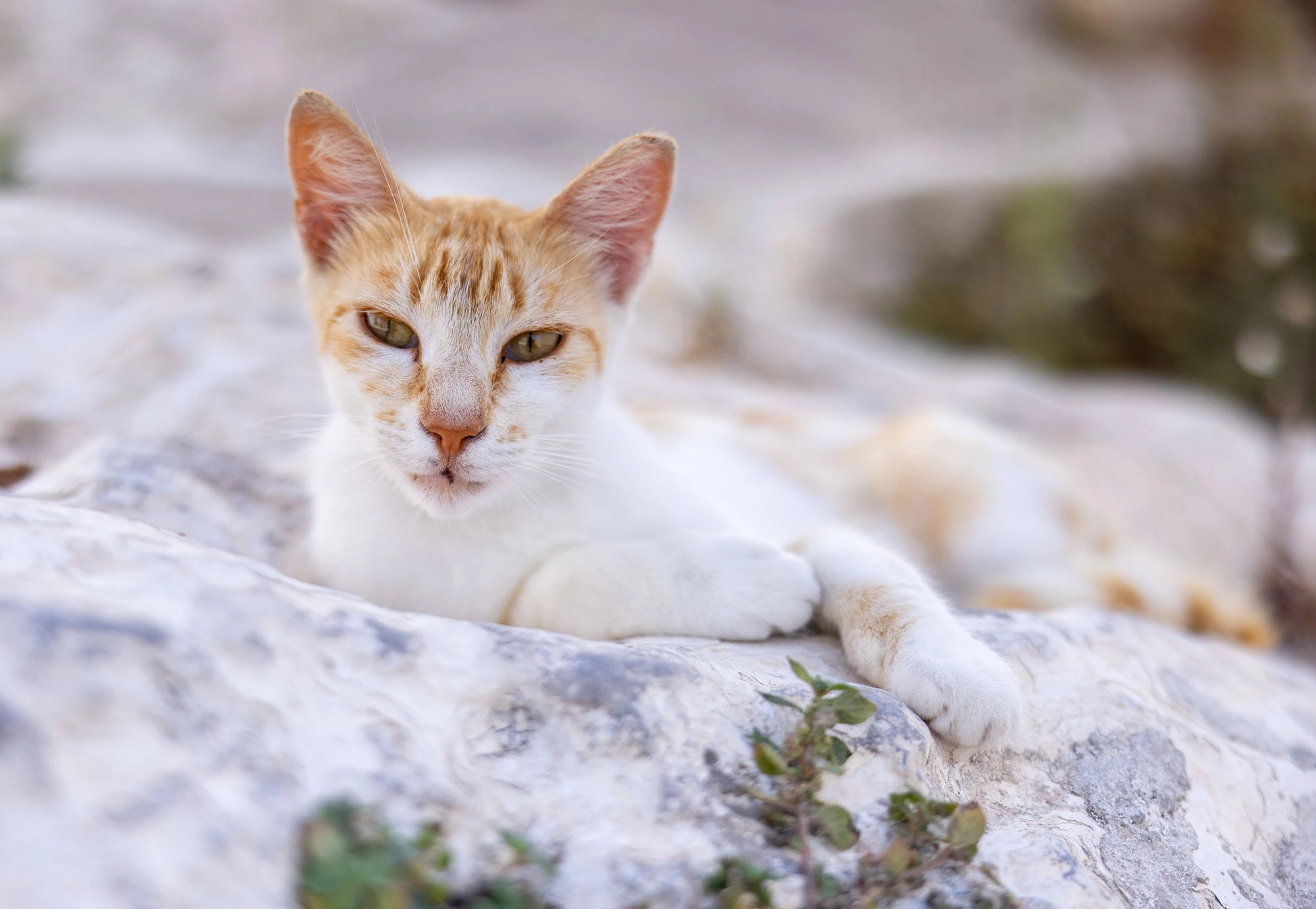
Have you ever spotted an alley cat and wondered what breed it might be? Identifying the breed of a stray cat can seem tricky, but with a few simple tips, you can learn to recognize the clues hidden in their looks and behavior.
Knowing a cat’s breed can help you understand its personality, health needs, and even how to care for it better. Keep reading, and you’ll discover easy ways to tell the breeds of alley cats, turning your curiosity into confident knowledge.
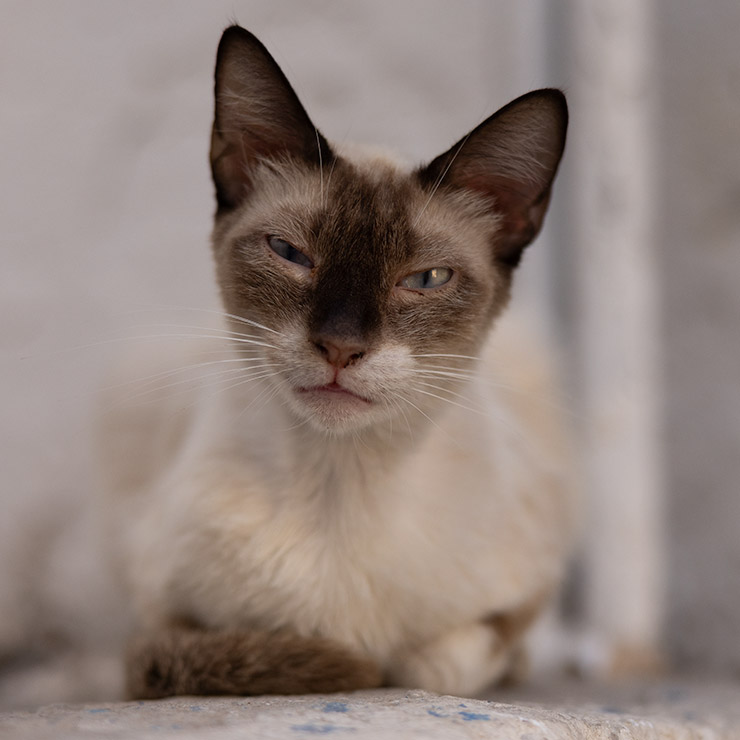
Credit: www.notesfromtheroad.com
Physical Traits To Observe
Observing the physical traits of an alley cat gives you a great start in guessing its breed. These cats often have mixed backgrounds, but certain features stand out and can guide you. Paying close attention to coat, body shape, and ears can reveal clues you might not expect.
Coat Patterns And Colors
Look closely at the cat’s coat pattern and color. Common patterns include tabby stripes, solid colors, spots, and tortoiseshell mixes. For example, a cat with a classic “M” shape on the forehead usually has tabby ancestry.
Colors also matter—some breeds are known for specific shades. A sleek black or pure white coat could point to certain heritage. Noticing unique markings, like a white chest or paws, helps you narrow down possibilities.
Body Size And Shape
Body size can tell you a lot about a cat’s breed. Is the cat slender with long legs, or stocky and muscular? A lean body with a narrow face might suggest a Siamese mix, while a rounder body could hint at a British Shorthair influence.
Feel the cat’s build if possible. Some breeds have a more delicate bone structure, while others are robust. This hands-on observation often reveals details that photos don’t show.
Ear And Tail Characteristics
Check the ears carefully. Are they large and pointed or small and rounded? Cats like the Scottish Fold have distinct folded ears, while Oriental breeds have large, upright ears.
The tail also offers clues. Is it long and straight, short and stubby, or bushy? Tail shape and length vary widely across breeds and can be a strong identifier. Have you noticed if the tail has any unusual bends or kinks?
Behavioral Clues
Behavioral clues can reveal much about an alley cat’s possible breed. Cats have unique habits and traits that often link to their breed. Observing these behaviors helps in guessing their origins. Focus on their activity, social habits, and sounds. Each of these can offer hints about breed characteristics.
Activity Levels
Some breeds are very active and playful. Others prefer resting and quiet time. Notice if the cat loves to climb, chase, or explore. High energy suggests breeds like Siamese or Abyssinian. Calm and low activity might point to breeds like British Shorthair or Persian. Activity patterns often reflect breed traits passed down from ancestors.
Social Tendencies
Many alley cats show different social behaviors. Some seek company and enjoy being around people. Others stay shy and keep distance. Friendly and outgoing cats might share traits with breeds like Ragdoll or Burmese. Independent and cautious cats could be related to breeds like Russian Blue. Social habits give clues about their natural instincts and breed background.
Vocalization Styles
Cats use their voices in many ways. Some breeds are talkative and loud. Others are quiet and only meow softly. Listen to the cat’s sounds. Chatty and loud meows often link to Siamese or Oriental breeds. Quiet cats may have traits like Scottish Fold or Chartreux. Vocal style is a strong clue to understanding a cat’s breed influence.
Common Alley Cat Breeds
Alley cats often show traits from various breeds like Domestic Shorthair or Tabby. Observing fur patterns, body shape, and eye color helps identify their breed mix. Noticing these details reveals more about each unique alley cat’s background.
Understanding the various breeds of alley cats can be both fascinating and practical, especially if you’re considering adopting one. Alley cats, often referred to as stray or feral cats, are typically not purebred. However, they frequently belong to or are descended from a few common breeds. Knowing these breeds can help you better understand their behavior, grooming needs, and health considerations. Let’s explore some of the most common alley cat breeds you might encounter.Domestic Shorthair
Domestic Shorthairs are among the most prevalent types of alley cats. They are known for their short, sleek coats and a wide variety of colors and patterns. This makes them low-maintenance when it comes to grooming, which is a plus if you’re short on time. These cats are hardy and adaptable, often making them excellent companions. They can thrive in various environments, from rural areas to bustling city streets. You might notice their playful and curious nature, often chasing after anything that moves.Domestic Longhair
Domestic Longhairs are another common sight in alleyways. As the name suggests, they have long, fluffy fur that requires regular grooming to prevent matting. This breed can come in any color, providing a diverse palette of beautiful cats. Their long fur often makes them look larger than they are, which might be an advantage in the wild. Despite their sometimes regal appearance, they are usually friendly and affectionate. These cats tend to enjoy human company and can be quite vocal when seeking attention.Mixed Breed Traits
Many alley cats are mixed breeds, carrying traits from various ancestors. This genetic diversity often results in cats that are resilient and healthy, with fewer hereditary health issues. You might find a cat with the sleek coat of a Domestic Shorthair and the striking patterns of a Siamese. Mixed breed cats can exhibit a range of personalities, making each one unique. Have you ever met an alley cat with an unexpectedly charming quirk? These delightful surprises are what make mixed breed cats so special and endearing. In your neighborhood or next visit to a shelter, try observing the cats’ physical traits and behaviors. You might start noticing patterns and identifying the breeds more easily. What breed do you think your local alley cat resembles?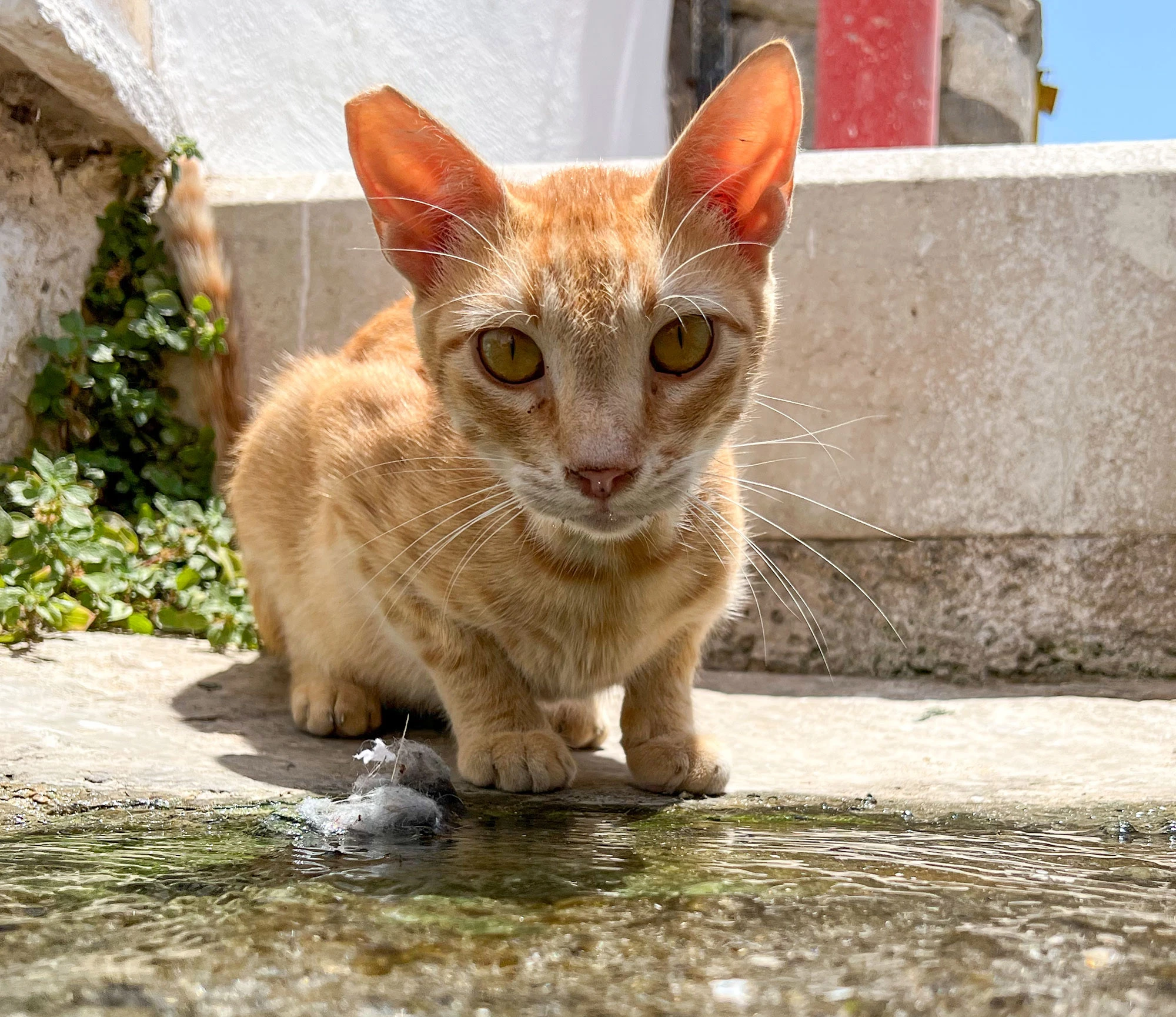
Credit: www.notesfromtheroad.com
Using Dna Testing
DNA testing is a reliable way to learn about an alley cat’s breed. It looks at the cat’s genetic makeup to find breed markers. This method gives clear answers, especially when physical traits are unclear or mixed.
How Dna Tests Work
DNA tests collect a small sample, usually from a cheek swab. The sample goes to a lab for analysis. Scientists compare the cat’s DNA with known breed profiles. The test identifies breed percentages and sometimes health traits. Results usually arrive within a few weeks.
Popular Testing Services
- Basepaws: Focuses on cat breeds and health insights.
- Wisdom Panel: Offers detailed breed and ancestry reports.
- Optimal Selection: Includes breed detection and genetic health screening.
These services are easy to order online. Kits come with clear instructions for sample collection.
Interpreting Results
Results show breed percentages in a simple report. Some breeds may appear in small amounts. This means the cat has mixed ancestry. Look for breed traits and health notes. Use the information to understand your cat better.
Tips For Care Based On Breed
Knowing the breed or mix of your alley cat can guide you in giving the best care tailored to their unique needs. Different breeds often have specific dietary preferences, grooming requirements, and health risks. Paying attention to these details can improve your cat’s quality of life and deepen your bond.
Dietary Needs
Certain breeds may thrive on different types of food. For example, Siamese cats often do well on high-protein diets because they have a higher metabolism. On the other hand, Persian cats might need food that supports skin and coat health due to their long fur.
Think about your cat’s activity level and age too. Active cats need more calories, while older cats may require food that supports joint health. Ask yourself: does your alley cat seem energetic or more laid-back? Adjust their diet accordingly.
Grooming Tips
Long-haired breeds like Maine Coons or Persians need frequent brushing to prevent mats and tangles. Short-haired cats usually manage with weekly brushing, but some breeds like the Sphynx need regular skin care instead.
I once had a mixed-breed alley cat with thick fur that quickly developed mats. Regular grooming helped reduce stress for both of us. What grooming routine fits your cat’s coat type?
Health Considerations
Breed can influence common health issues. For example, Scottish Folds are prone to joint problems, while Burmese cats sometimes face respiratory issues. Knowing these risks can help you watch for symptoms early.
Routine vet check-ups are crucial, but you can also learn to spot signs specific to your cat’s breed. Have you noticed any unusual behaviors or symptoms? Early attention can prevent bigger problems later.
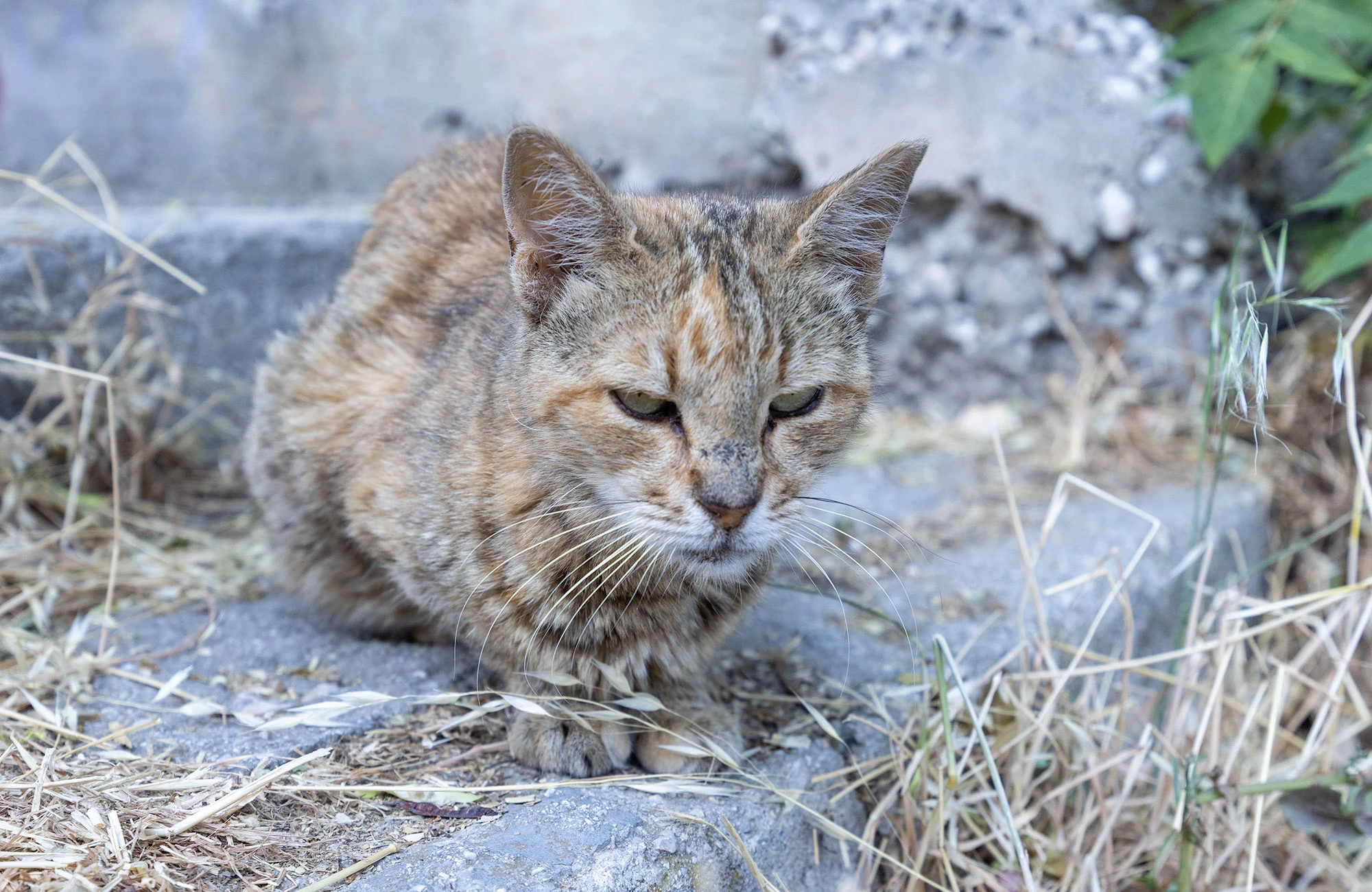
Credit: www.notesfromtheroad.com
Frequently Asked Questions
What Are Common Traits Of Alley Cat Breeds?
Alley cats often show mixed traits like short fur, varied colors, and lean bodies. They usually have strong hunting skills and adaptive behavior. These traits help identify their possible breed origins.
How Can I Identify An Alley Cat’s Breed?
Look at fur color, pattern, body shape, and ear type. Compare these with known cat breeds. DNA testing can provide the most accurate breed identification.
Are Alley Cats Usually Mixed Breed Or Purebred?
Most alley cats are mixed breeds. They inherit traits from multiple breeds due to diverse ancestry. Purebred alley cats are rare since they live outdoors and breed naturally.
Can Physical Features Reveal An Alley Cat’s Breed?
Yes, physical traits like coat pattern, eye color, and tail shape can hint at breed. However, these features alone can be misleading without genetic testing.
Conclusion
Identifying an alley cat’s breed takes time and patience. Watch their size, colors, and fur patterns closely. Notice their behavior and unique features too. These clues help you guess their breed better. Remember, many alley cats are mixed breeds. Each cat tells its own story through looks and actions.
Enjoy learning about these wonderful, independent animals. Keep observing, and your skill will improve naturally. Knowing breeds helps you care for cats wisely. Every alley cat deserves kindness and respect.


Leave a Reply