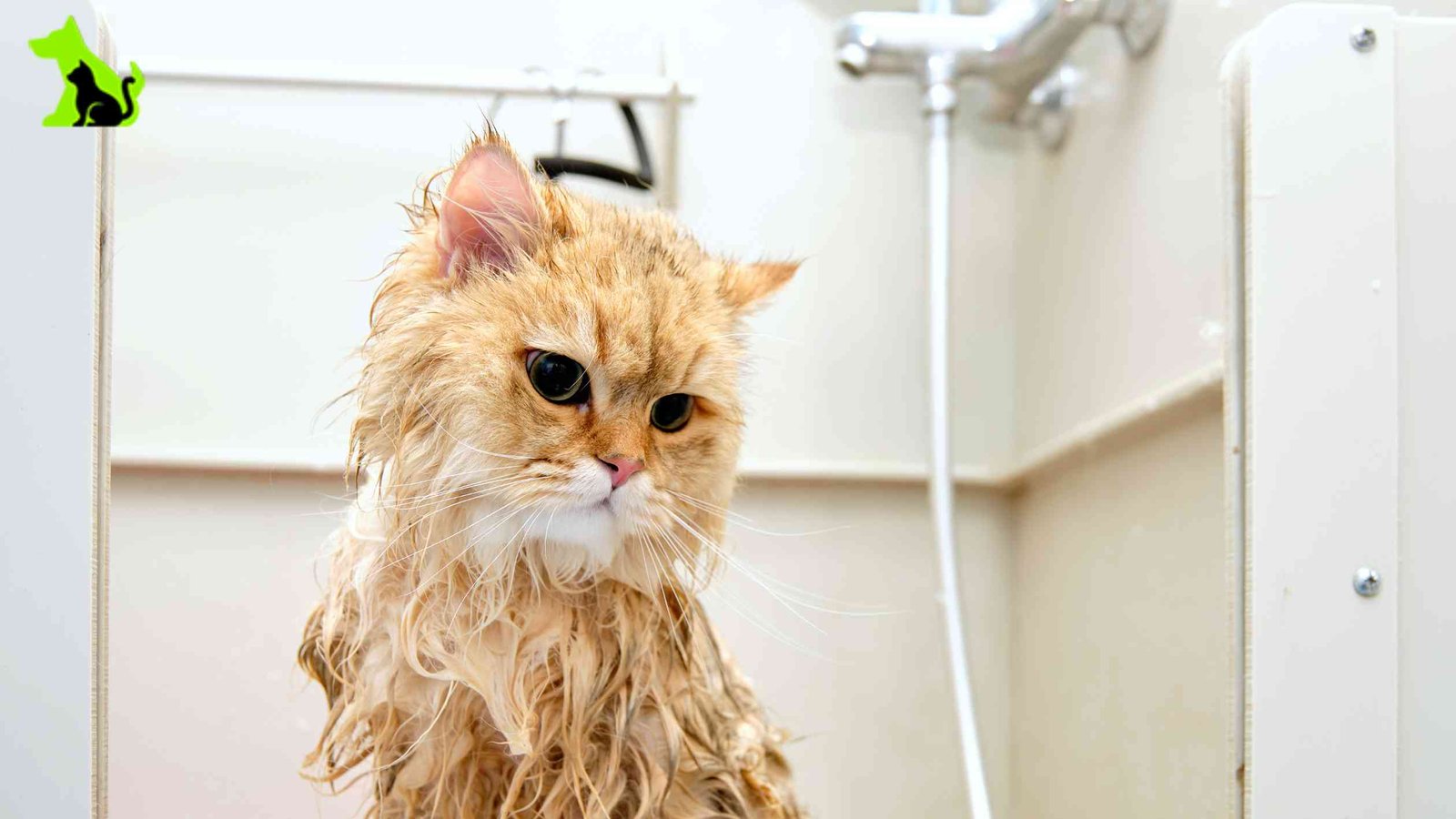
Have you ever watched your cat carefully cleaning its fur and wondered, “Is grooming a good sign?” You might be surprised to learn that this simple act can tell you a lot about your cat’s health and happiness. Understanding what grooming means can help you connect better with your furry friend and spot when something might be wrong.
Keep reading to discover why your cat’s grooming habits matter more than you think—and how they reveal secrets about your pet’s well-being.
Why Cats Groom Themselves
Understanding why cats groom themselves can change how you see their behavior. Grooming is more than just a cleaning routine; it reflects their health, mood, and even their environment. When you watch your cat spend time licking their fur, you might wonder what drives this habit and what it means for their wellbeing.
Natural Instincts Behind Grooming
Cats groom themselves because it’s deeply rooted in their instincts. This behavior helps them remove dirt, parasites, and loose fur, keeping their coat clean and healthy. Grooming also spreads natural oils that protect their skin and fur from damage.
Have you noticed how your cat stops grooming when they’re stressed or unwell? Grooming is also a way for cats to calm themselves and feel secure. It’s their natural way of self-soothing, much like how you might take a deep breath when anxious.
Frequency And Patterns Of Grooming
Cats usually groom themselves several times a day, spending up to 50% of their waking hours on this activity. The pattern can vary based on their age, health, and environment. Kittens groom less frequently than adults, while older cats might groom more slowly due to arthritis or other conditions.
You might see your cat focusing on specific spots like behind the ears or under the chin. This targeted grooming helps them reach areas prone to dirt and parasites. When grooming becomes excessive or stops altogether, it’s a signal that something might be wrong.

Credit: www.latimes.com
Health Benefits Of Grooming
Grooming plays a key role in a cat’s health. It keeps their fur and skin in good condition. Cats spend a lot of time licking themselves to stay clean and healthy. This natural behavior helps them avoid many health problems.
Maintaining Clean Fur And Skin
Grooming removes dirt and loose hair from a cat’s coat. This keeps their fur smooth and shiny. Clean fur helps cats feel comfortable and cool. Grooming also spreads natural oils across their skin. These oils protect the skin and prevent it from drying out.
Preventing Parasites And Infections
Grooming helps cats spot and remove harmful parasites. Fleas, ticks, and mites can hide in their fur. Licking and biting during grooming reduce these pests. This lowers the risk of infections and skin diseases. Grooming also helps heal small wounds by cleaning them gently.
Emotional And Social Signals
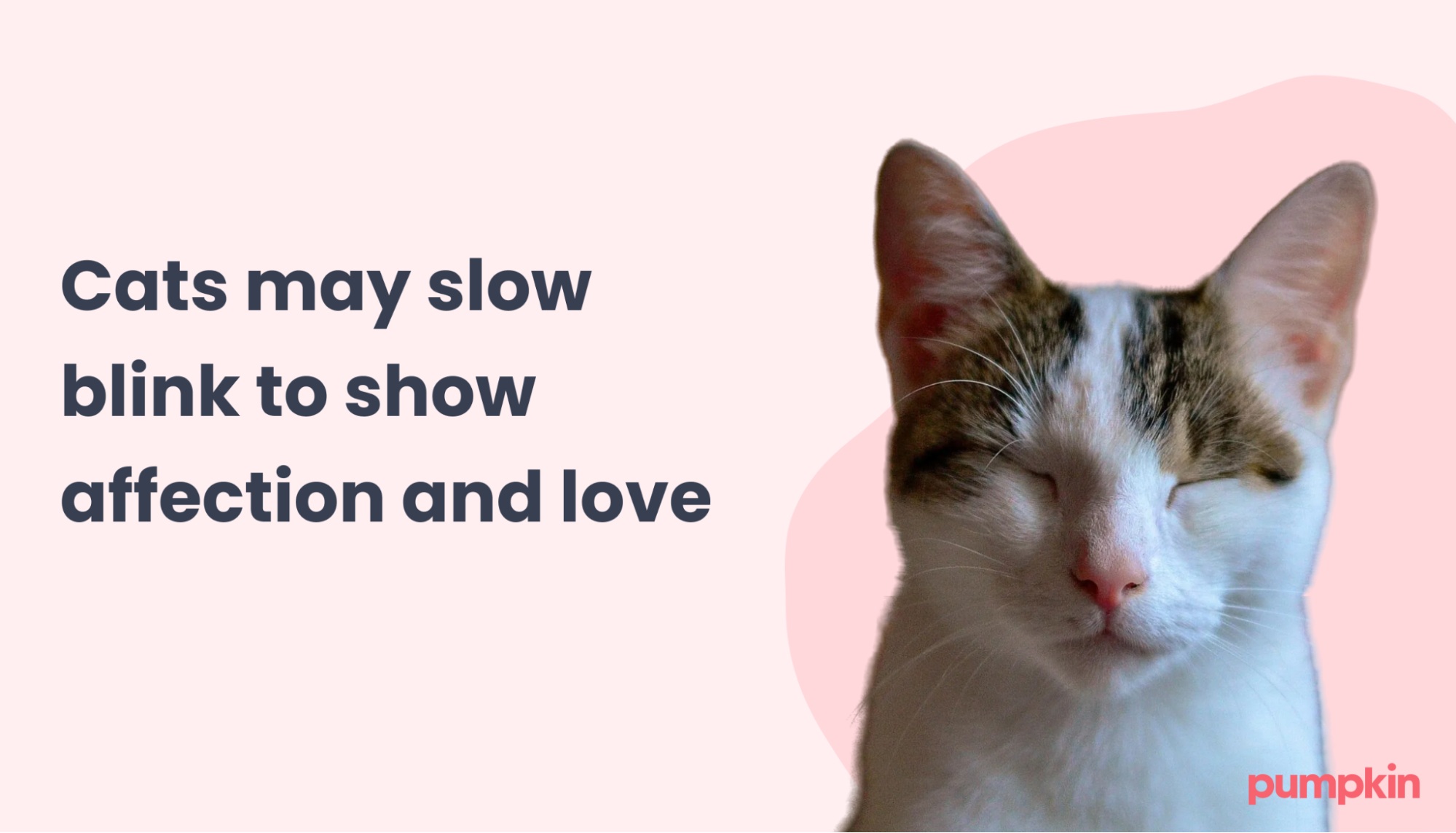
Grooming shows a cat’s feelings and social bonds. It often means trust, comfort, and happiness between cats or with their owners. This behavior helps cats stay calm and connected.
Cats communicate through various behaviors. Grooming is a key signal. It reflects their emotional and social states. Understanding these signals can deepen our bond with them.Grooming As A Sign Of Contentment
Cats groom to show they are content. A calm, relaxed cat often grooms itself. This behavior indicates happiness and comfort. A cat that grooms regularly is often stress-free. Pay attention to their grooming habits. Changes might indicate stress or health issues.Grooming And Bonding With Other Cats
Grooming also plays a role in cat friendships. Cats groom each other to strengthen bonds. This behavior is known as allogrooming. It builds trust among cats. If your cat grooms another, it shows friendship. They feel safe and connected. This mutual grooming can reduce tension in multi-cat homes.
Credit: www.latimes.com
When Grooming Indicates Stress
Grooming is a normal and healthy behavior in cats, but sometimes it signals more than just cleanliness. When grooming becomes excessive or obsessive, it can indicate that your cat is feeling stressed or anxious. Recognizing these signs early can help you support your cat’s well-being before the stress leads to more serious issues.
Excessive Grooming And Anxiety
Have you noticed your cat licking the same spot repeatedly or grooming for hours on end? This behavior often points to anxiety rather than normal grooming habits. Cats may groom excessively as a way to comfort themselves when they’re feeling nervous or overwhelmed.
Signs to watch for include:
- Bald patches or thinning fur
- Red or irritated skin
- Restlessness or hiding more than usual
Ask yourself if there have been recent changes in your cat’s environment—new pets, loud noises, or changes in routine can trigger stress. Addressing the source of anxiety and providing a calm space can reduce excessive grooming.
Recognizing Grooming-related Health Issues
While stress is a common cause of over-grooming, medical problems can also be behind it. Skin infections, allergies, or parasites might cause your cat to lick excessively. Ignoring these signs can worsen your cat’s condition.
If you see persistent grooming accompanied by swelling, scabs, or bleeding, it’s time to consult your vet. Early diagnosis helps prevent complications and ensures your cat gets the right treatment.
Have you ever caught your cat grooming a spot so much it looked sore? That’s a clear signal to act—whether by creating a stress-free environment or seeking medical advice.
How To Support Healthy Grooming
Supporting healthy grooming in your cat is essential for their overall well-being. Grooming is more than just keeping fur clean; it helps regulate temperature, reduce stress, and strengthen your bond. You can play an active role in encouraging this natural behavior by making small but impactful changes in their daily life.
Creating A Comfortable Environment
Your cat’s grooming habits improve significantly when they feel safe and relaxed. Make sure their resting areas are quiet and cozy, away from loud noises or heavy foot traffic. Soft bedding and a few hiding spots can help your cat feel secure enough to groom without interruption.
Temperature also matters. Cats tend to groom less if they’re too hot or cold. Maintain a comfortable room temperature and provide shaded spots during warmer days. Have you noticed your cat grooming more when they settle into a sunny window perch or a warm blanket?
Keep their environment clean by regularly washing bedding and vacuuming fur. A clean space encourages your cat to groom more confidently. You might even try placing a brush nearby as a gentle reminder and invitation for grooming.
Regular Vet Checks And Grooming Assistance
Sometimes, a drop in grooming signals health issues. Regular vet visits help catch problems like dental pain, arthritis, or skin conditions that might stop your cat from grooming properly. Don’t wait for visible signs; schedule routine check-ups to keep your cat’s health in check.
Helping your cat with grooming can make a big difference, especially if they’re older or overweight. Use a soft brush to remove loose hair and prevent mats. This not only keeps their coat healthy but also reduces the chance of hairballs.
Watch how your cat reacts to grooming sessions. If they seem stressed or uncomfortable, try shorter sessions or different tools. Your gentle touch and patience will encourage them to groom more independently over time.

Credit: www.latimes.com
Frequently Asked Questions
What Does Grooming Mean In Cats?
Grooming in cats is cleaning their fur using their tongue and paws. It helps remove dirt and loose hair. This behavior also keeps their skin healthy and controls body temperature. Grooming is a natural, instinctive activity for cats.
Is Grooming A Sign Of A Healthy Cat?
Yes, grooming shows a cat is healthy and comfortable. Cats groom regularly to maintain cleanliness and skin health. Lack of grooming may indicate stress or illness. Therefore, consistent grooming is a positive health indicator.
Can Grooming Indicate A Cat’s Mood?
Yes, grooming can reflect a cat’s mood. Calm, content cats groom themselves often. Over-grooming might signal stress or anxiety. Lack of grooming may mean discomfort or illness. Observing grooming behavior helps understand a cat’s emotional state.
Do Cats Groom To Bond With Humans?
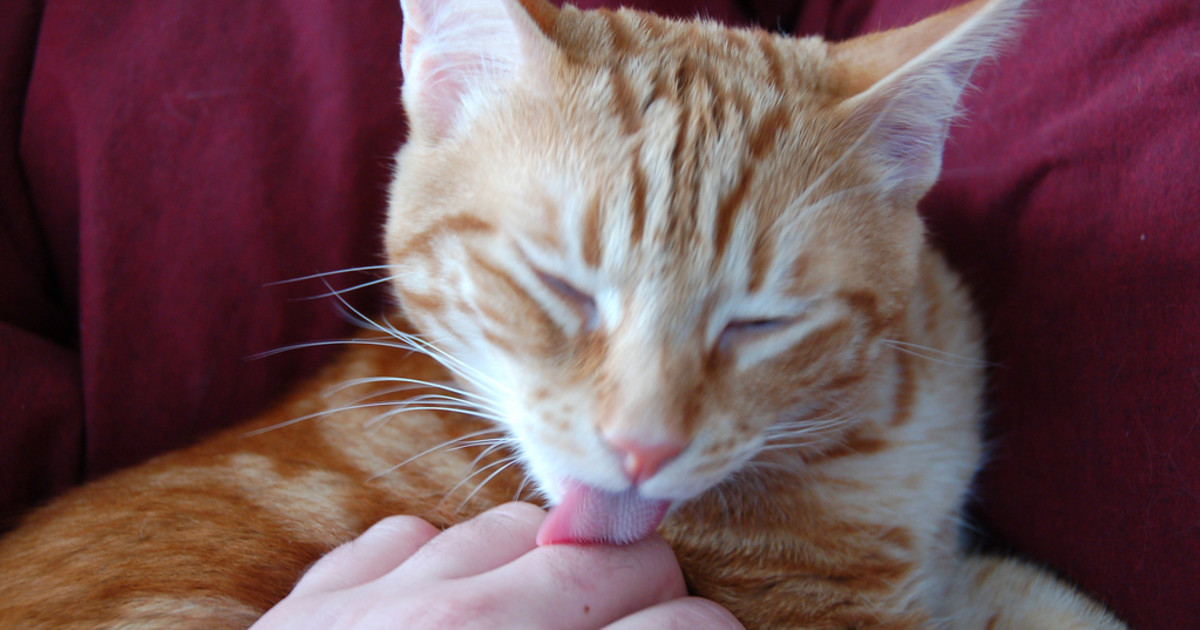
Yes, cats groom humans to show affection and trust. This behavior, called allogrooming, strengthens social bonds. It indicates the cat feels safe and connected. Grooming you is a positive social gesture from your cat.
Conclusion
Grooming shows that cats feel safe and calm. It helps them stay clean and healthy. Cats also groom to bond with people or other pets. Sometimes, grooming can mean stress or illness, so watch for changes. Regular grooming is a good sign of a happy cat.
Pay attention to your cat’s habits to understand them better. Caring for your cat means noticing these small signals. Grooming speaks volumes about your cat’s mood and health. Keep your cat comfortable and loved.


Leave a Reply