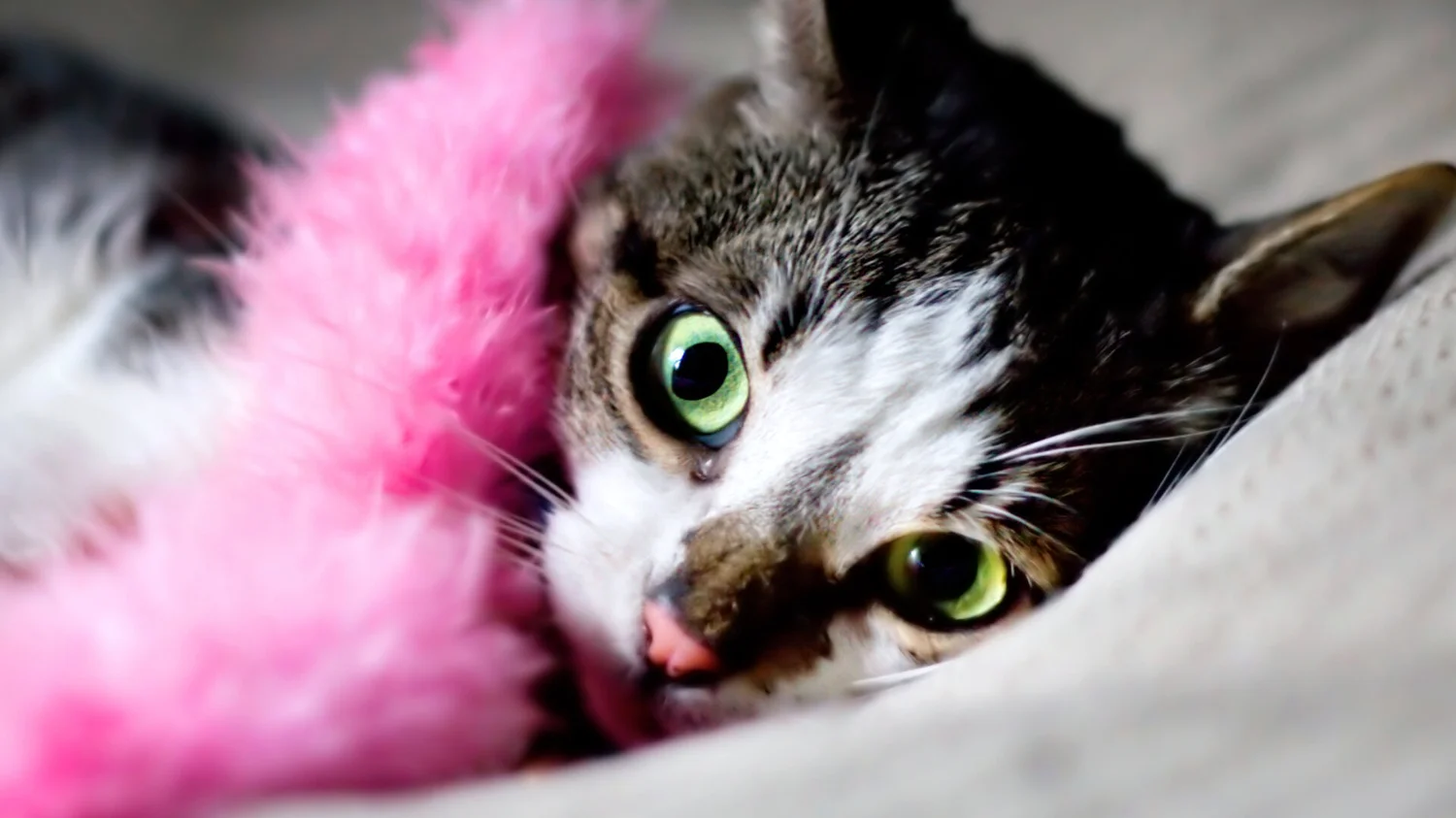
Have you ever noticed your cat meowing while playing with her toys and wondered why she does it? It’s a curious behavior that can leave you guessing.
Is she trying to tell you something? Or is it just part of the fun? Understanding why your furry friend meows during playtime can deepen the bond between you and her. Keep reading to discover the surprising reasons behind this vocal habit—and how it reveals more about your cat’s feelings and needs than you might expect.
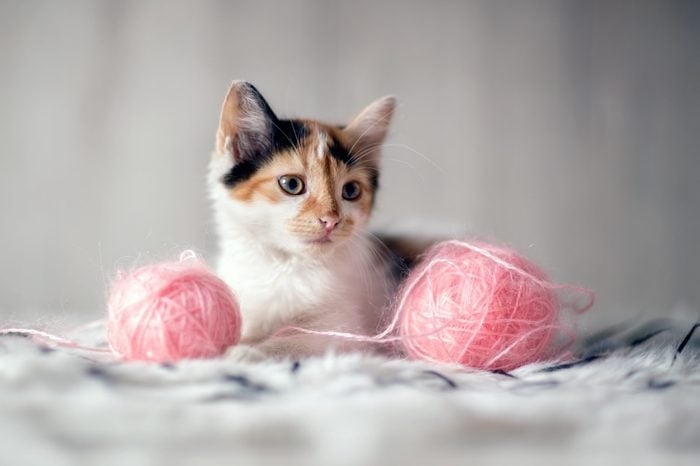
Credit: www.rd.com
Cat Meowing During Play
Cats use meowing to share their feelings during playtime. This vocal expression shows excitement, frustration, or curiosity. Understanding why your cat meows helps you connect with her better. It also makes play sessions more enjoyable for both of you.
Common Playtime Sounds
Besides meows, cats make many sounds while playing. These include:
- Purring – shows contentment and happiness
- Chirping – signals interest or hunting instincts
- Hissing – warns of discomfort or overstimulation
- Trilling – a friendly sound to get attention
Meowing stands out because it often targets human response. Your cat tries to tell you something during play.
Different Types Of Meows
Not all meows mean the same. Cats use various meow tones based on their mood:
| Meow Type | Meaning |
|---|---|
| Short meow | Simple greeting or invitation to play |
| Repeated meows | Excitement or demand for attention |
| Long meow | Frustration or mild annoyance |
| Soft meow | Contentment and comfort during play |
Watching your cat’s body language helps decode these sounds. Meowing during play is a way to communicate feelings and needs.
Communication Through Meowing
Cats often meow during play to express excitement or to get your attention. This vocalization shows their joy and eagerness while interacting with toys. Meowing also helps them communicate their feelings and engage more with their environment.
Cats are fascinating creatures with unique ways of communicating. One of the most intriguing methods they use is meowing, especially when playing with their toys. Understanding why your cat meows during play can deepen your connection with them and make playtime even more enjoyable.Expressing Excitement
When your cat meows while playing with their toys, it could be their way of expressing excitement. Imagine the thrill of a chase or the joy of a successful pounce. Just like humans might cheer or shout during an exhilarating game, cats vocalize to convey their enthusiasm. You might notice this behavior when they play with a favorite toy. The anticipation of catching that fuzzy mouse or feather wand can be so thrilling that they can’t help but meow. This vocal expression of joy is a good sign that your cat is having fun.Seeking Attention
Cats are social animals and often seek interaction with their human companions. When your cat meows while playing, they might be inviting you to join in the fun. It’s their way of saying, “Look at me! Play with me!” Next time your cat meows during play, consider it an invitation to engage. Grab a toy and join their playful antics. This shared experience can strengthen your bond and make your cat feel loved and noticed.Signaling Frustration
Not all meows are created equal. Sometimes, a cat’s meow during play can indicate frustration. Perhaps the toy is just out of reach, or the game isn’t going as planned. This can be a moment for you to step in and help. Pay attention to the tone and frequency of the meows. A frustrated meow might be more insistent or higher-pitched. By understanding these cues, you can adjust the game to ensure your cat feels successful and satisfied. Engaging with your cat and responding to their meows during play not only makes the experience more enjoyable for them but also helps you understand their unique personality better. So, the next time your feline friend meows while playing, consider what they might be trying to tell you.Instincts Behind Vocalization
Have you noticed your cat meowing while chasing her favorite toy? This vocal behavior is more than just a random sound. It taps into deep instincts inherited from wild ancestors, revealing layers of natural communication during play.
Hunting Behavior
Your cat’s meow during play is closely tied to hunting instincts. Cats often use vocalizations to express excitement or frustration when “capturing” prey — even if it’s just a toy. This sound can signal eagerness or mimic the vocal cues they might use in the wild to communicate with other cats during a hunt.
Think about your cat’s intense focus and sudden bursts of energy when she bats at a toy mouse. The meow might be her way of expressing that hunting thrill. Next time you hear it, consider it part of her natural hunting strategy playing out in your living room.
Mimicking Prey Sounds
Sometimes, cats meow to imitate the sounds of their prey. This surprising tactic can confuse or attract small animals in the wild. When your cat replicates these noises with her toys, she’s practicing an ancient skill.
Have you ever noticed a high-pitched or chirpy meow during play? That’s likely her mimicking the squeaks or calls of rodents or birds. This behavior sharpens her hunting skills and keeps her instincts sharp, even in a safe, indoor environment.

Credit: moderncat.com
Emotional Responses While Playing
Cats use meowing as a way to express their feelings. While playing with toys, these sounds show a mix of emotions. Understanding these feelings helps owners connect better with their pets. Playtime is not just fun; it is an emotional experience for cats.
Joy And Contentment
Meowing during play often shows happiness. Cats feel excited and pleased with their toys. These sounds can be soft and short. They tell you your cat enjoys the moment. Play helps cats release energy and stress. It also builds trust between you and your cat.
Stress Or Overstimulation
Sometimes meowing means your cat feels stressed. Too much play or rough toys can cause this. The sounds may become louder or sharper. Cats use meows to ask for a break. Watch for signs like hiding or sudden stops. Giving your cat space can calm them down.
Impact Of Cat’s Personality
The way your cat interacts with her toys—and the sounds she makes during play—can reveal a lot about her unique personality. Cats are individuals, each with their own ways of expressing excitement, curiosity, or even frustration. Understanding how personality shapes meowing during play helps you connect deeper with your feline friend and respond better to her needs.
Vocal Vs. Quiet Cats
Some cats are naturally vocal. They use meowing as a way to communicate excitement or invite you to join their fun. If your cat meows while playing, it might be her way of expressing joy or showing off her hunting skills.
On the other hand, quiet cats prefer to stay silent or make minimal sounds. These cats might pounce and chase without a peep, focusing more on the physical aspect of play rather than vocalizing. Have you noticed if your cat’s meows increase when she’s especially engaged, or is she generally talkative throughout the day?
Age And Meowing Patterns
Young cats and kittens often meow more during play. Their vocalizations can be part of learning social skills and practicing hunting. As cats age, their meowing habits may change—some grow quieter, while others become more vocal to get your attention.
Older cats might also meow during play to express excitement or to communicate that they want a break. Pay attention to how your cat’s meowing changes over time. Does she meow more when she’s younger or during certain stages of her life? This insight can help you tailor playtime to suit her mood and energy levels.
How To Respond To Meowing
Understanding how to respond to your cat’s meowing during playtime can change the way you interact with her. Your response influences whether this behavior becomes a positive form of communication or an annoying habit. Let’s look at how you can encourage good interactions while steering clear of accidentally supporting unwanted meowing.
Encouraging Positive Interaction
When your cat meows while playing, it’s often her way of expressing excitement or asking for attention. Respond with gentle praise or soft petting to show you’re engaged without overstimulating her. You might say something like, “Good job!” or give a small treat to reinforce this positive communication.
Try to match your energy to hers. If she’s playful but calm, respond with calm tones. If she’s energetic, a lively voice can keep the fun going without overwhelming her.
Watch for cues in her body language—if she seems frustrated or overly excited, pause the play to give her a break. This helps her learn to communicate needs without excessive meowing.
Avoiding Reinforcement Of Negative Behaviors
It’s tempting to immediately respond when your cat meows, but constant attention might teach her that noisy interruptions get rewarded. Avoid giving her attention every time she meows loudly or demands playtime.
Instead, wait for quieter moments before engaging. This teaches your cat that calm behavior is more effective for gaining your attention. You can also redirect her meowing by offering a toy or engaging in a structured play session at set times.
If her meowing becomes excessive, don’t respond with frustration or yelling. This can confuse her and increase stress. Stay patient and consistent to help her understand the best ways to communicate.
When To Consult A Vet
Playing is usually a happy time for cats, but sometimes their meows may signal something else. Knowing when to consult a vet is important for your cat’s health. Some meows during play can mean pain or discomfort. Observing your cat closely helps you decide if a vet visit is needed.
Signs Of Discomfort Or Pain
Watch for signs like limping or avoiding certain toys. Sudden stops in play or hiding after playing can also mean pain. Cats may meow loudly or strangely if hurt. Look for changes in eating, grooming, or sleeping habits. These signs suggest your cat may need a vet check.
Changes In Vocal Behavior
Notice if your cat’s meows become louder or more frequent during play. A usually quiet cat that starts meowing often might feel stressed or unwell. Different sounds, like growling or yowling, can indicate distress. Persistent vocal changes during play should not be ignored. A vet can help find the cause and offer treatment.

Credit: moderncat.com
Frequently Asked Questions
Why Does My Cat Meow During Playtime?
Cats meow during play to communicate excitement or seek attention. It can indicate their engagement and enjoyment in the activity.
Is Meowing While Playing Normal Behavior?
Yes, meowing during play is normal. It shows your cat’s interactive nature and natural hunting instincts.
Can Meowing Mean My Cat Wants Help Playing?
Sometimes, cats meow if they want you to join or help. It’s a way to encourage social interaction.
Does Meowing Indicate Stress During Toy Play?
Usually, meowing signals excitement, not stress. However, watch for other signs like hiding or aggression to rule out stress.
Conclusion
Cats meow while playing to express excitement or ask for attention. This behavior shows they enjoy the activity and feel engaged. Sometimes, they want you to join their fun or notice their skills. Listening to your cat helps build a stronger bond between you both.
Understanding these meows makes playtime more joyful for everyone. Keep watching and responding to your cat’s sounds during play. It’s a simple way to show love and care every day.


Leave a Reply