Have you noticed your cat’s coat looking dull or messy lately? You might be wondering if your furry friend is skipping their usual grooming routine.
Cats are known for being fastidious groomers, so when they stop cleaning themselves, it’s a sign that something might be wrong. Understanding how to tell if your cat is not grooming itself can help you catch health issues early and keep your pet happy and comfortable.
Keep reading to learn the simple signs to watch for and what you can do to help your cat feel their best.

Credit: deziroo.com
Signs Cat Is Not Grooming
Cats spend a lot of time grooming themselves to stay clean and healthy. Grooming keeps their fur smooth and skin healthy. When a cat stops grooming, it signals something might be wrong. It is important to spot the signs early. Not grooming can cause health issues and discomfort for your cat.
Mattes And Tangles
One clear sign is the presence of mattes and tangles. Cats who groom regularly keep their fur free of knots. Matted fur feels hard and clumpy. It can pull on the skin and cause pain. Check your cat’s coat for thick, tangled patches.
Excessive Shedding
When cats skip grooming, loose fur builds up. You may notice more shedding around the house. Piles of fur or fur stuck to furniture can increase. Grooming helps remove dead hair. Without it, shedding becomes heavier and more visible.
Dull Coat Appearance
A healthy cat’s coat looks shiny and smooth. Lack of grooming makes the coat look dull and lifeless. Fur may appear dry or greasy. The shine fades because natural oils are not spread evenly. This change in appearance is a strong signal.
Unpleasant Odor
Cats that do not groom develop a bad smell. Their fur can start to smell musty or oily. Grooming controls bacteria and dirt on the coat. Without it, odors build up quickly. A foul smell is a clear warning sign.
Visible Skin Issues
Skin problems often appear when grooming stops. Look for redness, sores, or scabs on the skin. These can come from irritation or infection. Cats may scratch more due to discomfort. Skin issues need immediate attention to avoid worsening.
Credit: pethelpful.com
Common Causes Of Poor Grooming
Poor grooming in cats can be a sign that something is wrong beneath the surface. If you notice your cat is not keeping up with their usual cleaning routine, it’s important to consider various causes that might be affecting them. Understanding these common causes can help you take the right steps to support your feline friend’s health and happiness.
Medical Conditions
Illnesses like skin infections, parasites, or allergies can cause discomfort, making grooming painful or irritating for your cat. Sometimes, conditions such as diabetes or hyperthyroidism also affect their energy levels and motivation to groom. Have you checked if your cat shows other signs like scratching, redness, or unusual hair loss?
Pain And Discomfort
When cats experience pain, especially in their joints or muscles, grooming becomes difficult. Arthritis and dental problems are common culprits that limit their ability to reach certain areas. If your cat suddenly stops grooming, observe if they seem stiff, reluctant to move, or sensitive to touch.
Stress And Anxiety
Cats are sensitive creatures, and stress from changes in their environment or routine can disrupt grooming habits. Moving to a new home, new pets, or loud noises can make your cat anxious, causing them to neglect self-care. Have you noticed any behavioral changes or hiding that might suggest stress?
Age-related Factors
Older cats often groom less due to decreased flexibility and energy. Their thinning fur and slower metabolism can contribute to less frequent cleaning. How old is your cat, and have you seen a gradual decline in grooming as they aged?
Obesity And Mobility Issues
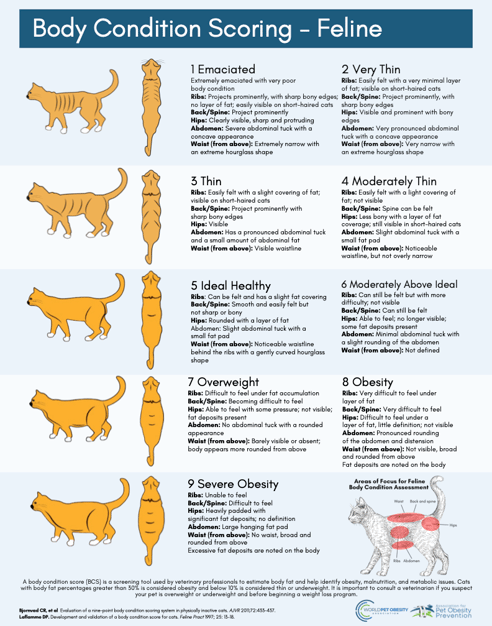
Excess weight makes it hard for cats to twist and reach all parts of their body. Mobility problems stemming from obesity or injury can stop them from grooming effectively. If your cat seems overweight, could this be the reason behind their poor grooming?
How To Help Your Cat Groom
Helping your cat groom itself is essential, especially if you notice signs that your feline friend is struggling with self-care. Grooming keeps your cat’s coat healthy, reduces shedding, and prevents skin problems. By taking a proactive role in your cat’s grooming routine, you can improve their comfort and well-being.
Regular Brushing Techniques
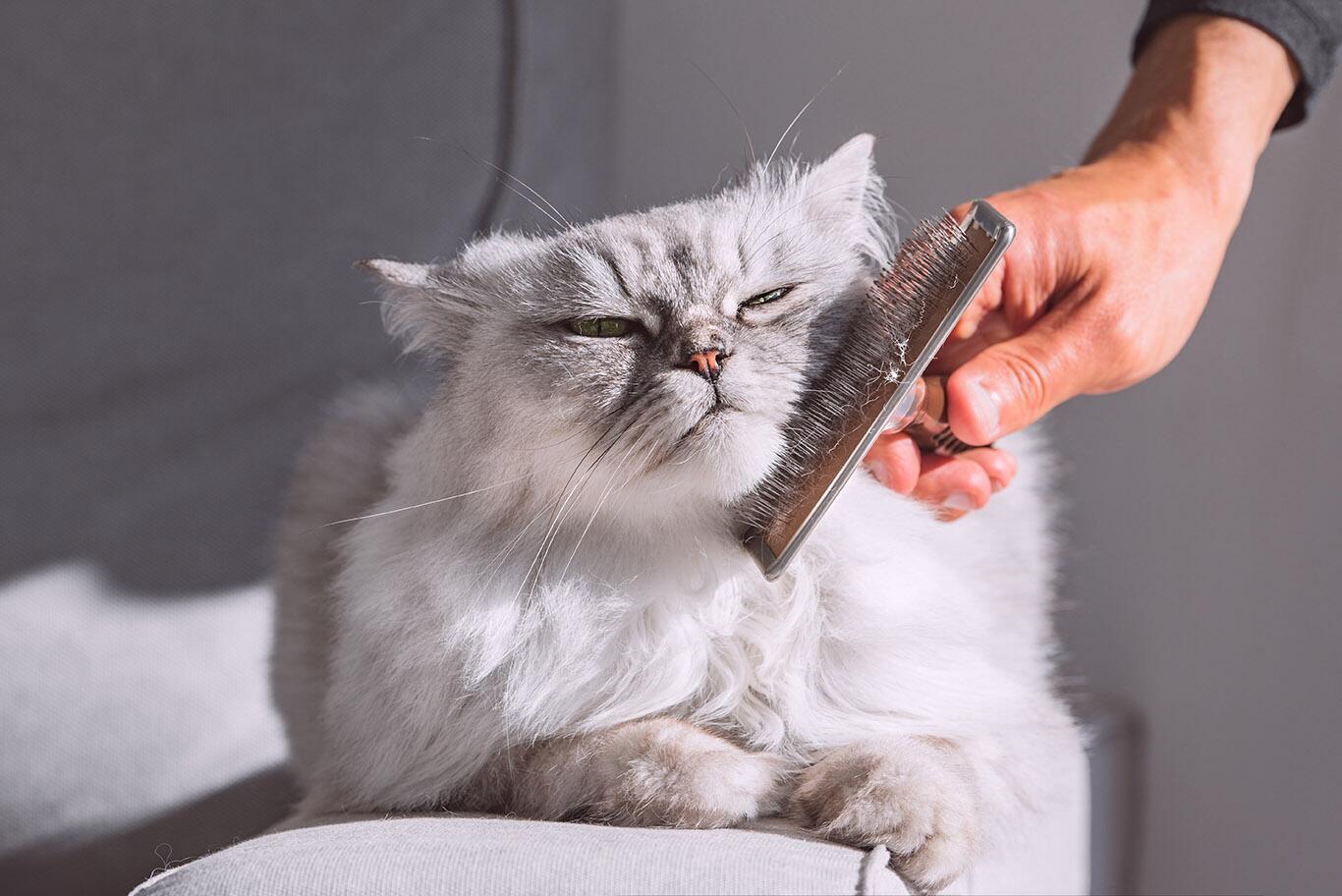
Brushing your cat daily can make a big difference in their grooming habits. Use a brush suited to your cat’s fur type—slicker brushes work well for long-haired cats, while rubber brushes suit short-haired ones. Gently brush in the direction of hair growth to avoid discomfort.
Notice if your cat relaxes or resists during brushing. This feedback helps you adjust your approach. Try brushing in short sessions to keep your cat comfortable and build a positive routine.
Bathing Tips For Cats
Bathing isn’t always necessary, but when your cat refuses to groom, a bath can help remove dirt and oils. Use lukewarm water and a cat-safe shampoo designed for sensitive skin. Speak softly and move slowly to reduce stress during the bath.
After bathing, dry your cat thoroughly with a towel or a pet dryer on a low setting. Have treats ready to reward calm behavior, encouraging your cat to tolerate baths better in the future.
Providing A Comfortable Environment
Your cat’s grooming habits can improve if their environment feels safe and stress-free. Create quiet spaces with cozy bedding where your cat can relax and groom without interruptions. Avoid loud noises and sudden movements that might scare your cat away from self-care.
Think about the temperature too—cats may avoid grooming if they’re too cold or hot. Adjust heating or cooling to keep your cat comfortable year-round.
Using Grooming Tools
Besides brushes, there are several grooming tools that can make your job easier and more effective. Nail clippers help keep claws trimmed, preventing accidental scratches during self-grooming. Combs can remove mats and tangles that brushes might miss.
Try using grooming gloves if your cat enjoys being petted but not brushed. These gloves can gently remove loose fur while providing a soothing massage.
Encouraging Activity And Play
Active cats tend to groom more regularly because physical movement stimulates their overall health. Engage your cat with toys that encourage jumping, chasing, and climbing. Simple games can motivate your cat to stay agile and maintain their grooming routine.
Have you noticed your cat grooming less after periods of inactivity? Try introducing short play sessions several times a day to boost their energy and self-care habits.
Credit: www.latimes.com
When To See A Veterinarian
Knowing when to see a veterinarian is crucial if your cat stops grooming itself. Grooming is a natural behavior for cats, and any disruption can signal underlying health issues. Paying close attention to your cat’s habits and physical condition can help you decide if professional help is needed.
Persistent Grooming Problems
If you notice your cat consistently neglects grooming for more than a day or two, this is a red flag. Cats usually keep themselves clean, so a sudden drop in grooming could mean pain or discomfort. Have you observed your cat avoiding certain areas or struggling to reach spots it used to clean easily?
Persistent grooming problems can lead to matted fur, skin irritation, or even infections. Don’t wait for the condition to worsen—schedule a vet visit to identify the cause early.
Signs Of Infection Or Injury
Look out for redness, swelling, or open wounds on your cat’s skin. These signs often indicate infections or injuries that prevent your cat from grooming. You might also spot discharge, scabs, or excessive scratching in certain areas.
Ignoring these symptoms can cause more pain and lead to serious complications. A veterinarian can provide proper treatment and pain relief to get your cat back to normal grooming habits.
Behavioral Changes
Has your cat suddenly become withdrawn, irritable, or less active? Behavioral shifts often accompany health problems that affect grooming. Cats may hide or refuse interaction if they’re in pain or feeling unwell.
Notice any changes in how your cat interacts with family members or other pets. These subtle clues often prompt a timely veterinary check-up, preventing further decline.
Weight Loss Or Appetite Changes
Weight loss or a decrease in appetite can signal illness that impacts grooming. A cat that isn’t eating well might lack the energy to clean itself properly. Have you measured your cat’s weight recently or noticed less interest in food?
These symptoms combined with poor grooming habits mean your cat needs a thorough veterinary evaluation. Early intervention can improve outcomes and restore your cat’s health and comfort.
Preventive Measures For Healthy Grooming
Cats are known for their grooming habits, but sometimes they may stop. Understanding why this happens is crucial. Implementing preventive measures can help maintain healthy grooming habits. These actions ensure your cat stays clean and comfortable.
Balanced Diet
A nutritious diet supports your cat’s overall health. Proper nutrition directly affects their skin and fur. Protein-rich foods are essential for fur maintenance. Omega-3 and Omega-6 fatty acids improve skin health. Ensure your cat gets enough vitamins and minerals. Consult your vet to choose the best diet plan.
Routine Health Checks
Regular vet visits are vital for detecting health issues. Early detection prevents problems from worsening. Check your cat’s fur and skin during these visits. Look for signs of parasites or infections. Your vet can provide treatments if needed. These checks support your cat’s grooming behavior.
Stress Reduction Strategies
Stress can affect a cat’s grooming habits. Identify sources of stress in your home. Provide a quiet space for your cat to relax. Use pheromone diffusers to calm your cat. Engage them with toys and playtime. A stress-free environment promotes healthy grooming.
Maintaining Clean Living Spaces
A clean home supports your cat’s grooming efforts. Regularly clean their bedding and litter box. Remove dust and hair from common areas. A tidy environment reduces the chance of infections. It encourages your cat to groom more frequently. Keeping your home clean benefits both you and your cat.
Frequently Asked Questions
How Can I Tell If My Cat Is Not Grooming?
Look for matted fur, greasy coat, or bald patches. Cats usually keep themselves clean and tidy. Changes in grooming habits often indicate health or stress issues.
What Are Common Signs Of Poor Cat Grooming?
Signs include dull fur, strong odor, excessive scratching, and skin irritation. Cats that stop grooming may appear dirty or have flaky skin.
Why Do Cats Stop Grooming Themselves?
Cats may stop grooming due to illness, pain, obesity, or stress. Dental issues and arthritis can also prevent proper self-grooming.
When Should I See A Vet For Cat Grooming Issues?
If your cat shows patches of missing fur, wounds, or behavioral changes, consult a vet. Prompt care can address underlying health problems quickly.
Conclusion
Cats stop grooming for many reasons. Watch for signs like dirty fur or bad smell. Check your cat’s skin for redness or sores. Grooming helps cats stay clean and healthy. When grooming stops, health problems may grow. Act quickly and consult a vet if needed.
Regular care keeps your cat happy and well. Small changes in behavior can tell a lot. Stay alert and give your cat the best care.




Leave a Reply