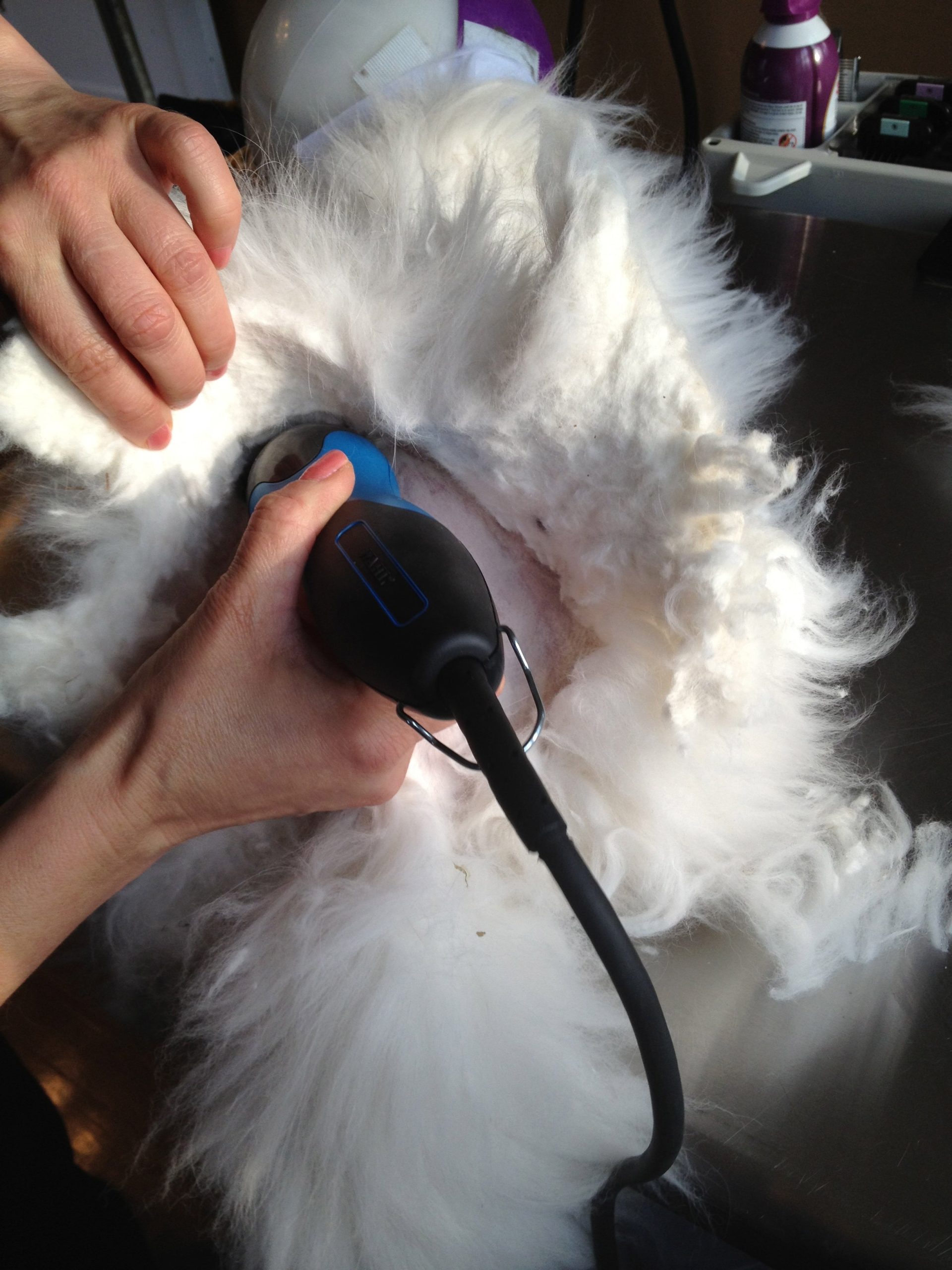
You want the best for your cat, especially when it comes to grooming. But how do you know if the grooming your cat is getting is actually good or bad?
Poor grooming can cause discomfort, health issues, and stress for your furry friend. If you’re worried about your cat’s grooming, this article will help you spot the warning signs. By learning what to look for, you can protect your cat’s well-being and make sure they stay happy and healthy.
Keep reading to find out how to tell if cat grooming is bad before it’s too late.

Credit: www.88petsmart.com
Signs Of Poor Grooming
Poor grooming can harm your cat’s health and comfort. It shows in their coat and skin condition. Spotting early signs helps protect your pet from pain and illness. Watch for changes in fur texture and cleanliness. These clues often point to grooming problems. Understanding these signs lets you act quickly.
Mattes And Tangles
Mattes form when fur stays dirty or unbrushed. They pull on your cat’s skin, causing pain. Tangles trap dirt and moisture, leading to skin issues. Cats with long hair need regular brushing to avoid this. Mattes can hide wounds or parasites. Check your cat’s coat for lumps or knots often.
Excessive Shedding
Shedding is normal but too much signals poor grooming. It means dead hair is not removed properly. Excess fur can cause discomfort and skin irritation. Cats may scratch or bite themselves more. Regular brushing helps reduce shedding and keeps skin healthy. Notice if shedding seems heavier than usual.
Dirty Or Greasy Fur
Clean fur looks soft and shiny. Dirty or greasy fur feels sticky and looks dull. It means your cat is not grooming well or is stressed. Greasy fur attracts dust and bacteria, leading to infections. Check areas like under the legs and belly for dirt buildup. Bathing or brushing can improve this condition.
Unpleasant Odor
Healthy cats have little to no smell. A bad odor shows poor grooming or health issues. It can come from dirty fur, skin infections, or dental problems. Smell your cat’s fur and skin regularly. A strong, foul smell means it’s time to clean or visit a vet. Don’t ignore this warning sign.
Behavioral Clues
Behavioral clues reveal much about your cat’s comfort during grooming. Cats often show subtle signs when grooming is unpleasant. Watching these behaviors helps catch bad grooming early. It protects your cat’s well-being and strengthens your bond.
Increased Scratching
Scratching more than usual can mean discomfort. Bad grooming might irritate the skin or cause pain. Your cat may try to relieve itching or remove stuck fur. Notice if scratching happens after a grooming session.
Restlessness Or Agitation
Restlessness shows your cat feels uneasy. Agitated cats may pace, meow loudly, or seem tense. This behavior often follows grooming that is too rough or stressful. Calm grooming leads to relaxed, happy cats.
Avoidance Of Grooming Sessions
Cats avoiding grooming is a clear warning. They may hide or run away when you bring out brushes or combs. This behavior suggests past grooming caused fear or discomfort. Gentle, patient grooming helps rebuild trust over time.
Health Indicators
Watching your cat’s health closely after grooming can reveal a lot about the quality of care they received. Health indicators often show up on their skin, behavior, and overall vitality. Noticing any sudden changes can help you decide if the grooming was done properly or if it caused issues that need attention.
Skin Irritations And Redness
Check your cat’s skin carefully after grooming. Look for any unusual redness, bumps, or raw spots. These signs often mean the groomer may have been too rough or used inappropriate tools.
Sometimes, irritation can be subtle, like a small patch of dry skin or tiny scratches. If your cat starts scratching more than usual, it’s a strong hint that something isn’t right. Have you ever noticed your cat hiding or avoiding touch after grooming? That can also indicate discomfort caused by poor grooming techniques.
Presence Of Parasites
Parasites like fleas or ticks should never be left behind after a grooming session. If you spot these unwelcome guests, it means the grooming was ineffective or incomplete. Parasites can cause itching, skin infections, and even more serious health problems.
Check for tiny black specks (flea dirt) or small moving dots on the fur. If you find any, ask yourself if the groomer thoroughly cleaned your cat or simply brushed over the surface. Your cat’s comfort depends on getting rid of these pests, not just a quick tidy-up.
Changes In Appetite Or Energy
Pay attention to how your cat acts after grooming. A sudden drop in appetite or energy can signal stress or pain caused by the grooming process. Cats are often quiet about discomfort, so you need to be observant.
If your cat refuses food or sleeps much more than usual, ask yourself if the grooming could have caused this reaction. Sometimes, grooming can be stressful enough to affect their mood and health. How well does your groomer handle your cat’s temperament and needs?
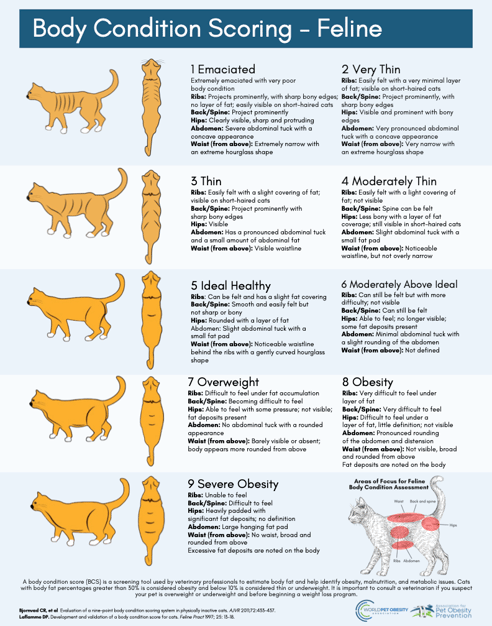
Credit: www.preventivevet.com
Common Grooming Mistakes
Common grooming mistakes can harm your cat’s health and comfort. Many pet owners do not realize that poor grooming can cause skin problems, stress, and even injury. Knowing these mistakes helps you avoid them and keep your cat happy.
Using Wrong Tools
Using the wrong tools can hurt your cat or make grooming less effective. Metal combs may be too harsh for sensitive skin. Plastic brushes might not remove loose fur well. Choose tools made for your cat’s fur type and size. Sharp scissors or clippers can cause cuts. Always pick safe, comfortable grooming tools.
Over-grooming Or Under-grooming
Grooming too much can irritate your cat’s skin. It may cause redness, dryness, or even wounds. Grooming too little leads to mats and tangles. These cause pain and trap dirt or parasites. Find a balance by grooming regularly but gently. Watch your cat’s coat condition to adjust grooming frequency.
Ignoring Sensitive Areas
Some parts of a cat’s body need extra care. Areas like the belly, tail, and behind the ears can be sensitive. Ignoring these spots might leave mats and dirt behind. Careful grooming here prevents infections and discomfort. Always check these areas gently during grooming sessions.
Choosing A Good Groomer
Signs of poor cat grooming include rough fur, cuts, or stressed behavior after the session. Watch for uneven trimming or discomfort during grooming. A bad groomer may miss cleaning important areas or harm the cat accidentally.
Choosing a Good Groomer Selecting the right groomer ensures your cat’s safety and comfort. A good groomer has the right skills and a gentle touch. They know how to handle different cat breeds and temperaments. Here are some tips to help you choose a qualified groomer for your feline friend.Qualifications To Look For
Seek groomers with formal training or certification. This shows they understand pet grooming standards. Check if they have experience with cats specifically. Cats require different handling than dogs. A groomer with cat-specific knowledge is crucial.Asking For References
Gather references from friends or fellow cat owners. They can share their experiences with local groomers. Positive feedback often indicates reliable service. Contact the groomer’s previous clients for honest opinions. This helps you make an informed decision.Observing Grooming Techniques
Visit the grooming salon before booking an appointment. Watch how the groomer interacts with cats. Gentle and patient handling is essential. Notice if the environment is clean and calm. A stress-free setting is important for your cat’s well-being.Diy Grooming Tips
Taking care of your cat’s grooming at home can be a rewarding experience for both of you. It helps build trust and keeps your feline friend comfortable and clean. However, knowing the right techniques is key to avoiding mistakes that could harm your pet or make grooming stressful.
Brushing Techniques
Choose a brush suited for your cat’s fur type—slicker brushes work well for long hair, while rubber brushes suit short-haired cats. Brush gently in the direction of hair growth to prevent pulling or hurting your cat.
Start with short sessions and watch your cat’s reaction. If your cat shows signs of discomfort, pause and try again later. Regular brushing prevents mats and reduces shedding, but forcing it can backfire.
Bathing Your Cat Safely
Bathing isn’t always necessary, but when your cat gets into something sticky or dirty, a quick bath helps. Use a mild, cat-specific shampoo and warm water to avoid skin irritation.
Keep the water shallow and talk softly to calm your cat. Avoid getting water in their ears and eyes, and rinse thoroughly to prevent residue. Have towels ready for a quick dry—cats dislike being wet for long.
Trimming Nails Properly
Use a sharp, small pet nail clipper and only trim the tips to avoid cutting into the quick, which causes pain and bleeding. If you’re unsure where the quick ends, trim small amounts gradually.
Hold your cat gently but firmly to prevent sudden movements. Offering treats after trimming can turn nail care into a positive experience. Have styptic powder on hand just in case you accidentally cut too far.

Credit: nationalcatgroomers.com
Frequently Asked Questions
How Can I Recognize Bad Cat Grooming Signs?
Bad cat grooming shows as matted fur, skin irritation, and bald patches. Cats may scratch or bite excessively. Uneven fur length or missing patches also indicate poor grooming.
What Health Issues Arise From Poor Cat Grooming?
Poor grooming can lead to infections, skin diseases, and discomfort. It may cause hairballs, mats, and parasites. Regular grooming keeps cats clean and healthy.
How Often Should Cat Grooming Be Done?
Cats need grooming at least once a week. Long-haired breeds require more frequent care. Regular grooming prevents mats and maintains skin health.
Can Bad Grooming Affect My Cat’s Behavior?
Yes, bad grooming causes discomfort, leading to irritability or hiding. Cats may stop using the litter box. Proper grooming improves their mood and well-being.
Conclusion
Bad cat grooming shows through signs you should never ignore. Watch for skin problems, fur mats, or unusual behavior. Healthy grooming keeps your cat happy and clean. Regular checks help catch issues early and protect your pet. Trust your instincts if something feels off during grooming.
Taking action soon can prevent pain and stress for your cat. Keep your cat’s comfort and health as top priorities always. Good care means a joyful, well-groomed furry friend.




Leave a Reply