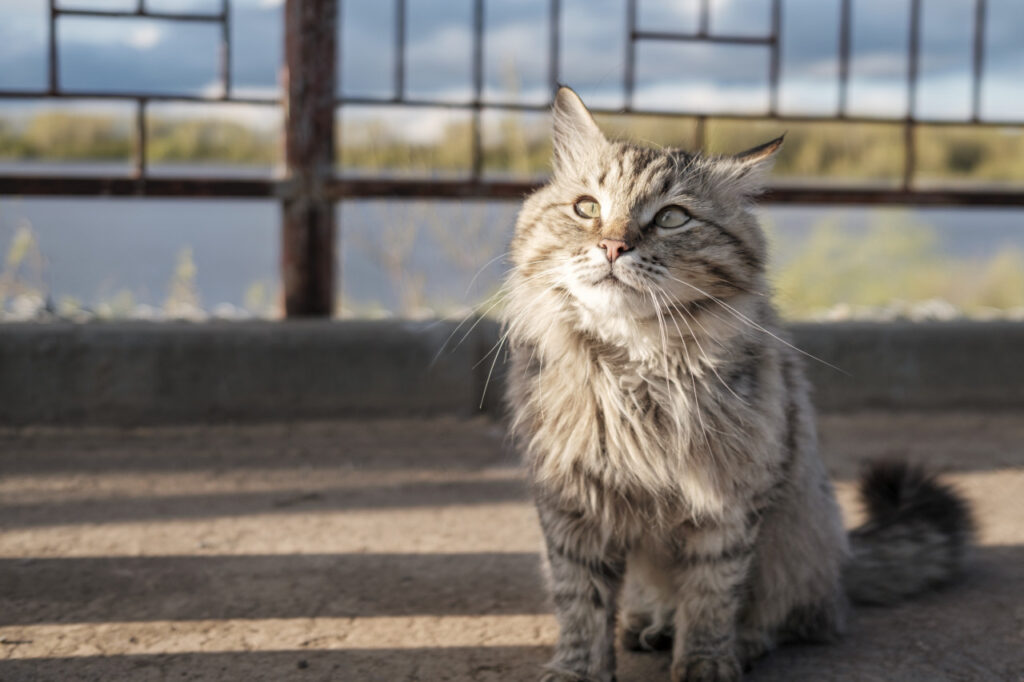
Caring for an elderly cat is different from caring for a young one, and grooming plays a big part in keeping your furry friend comfortable and healthy. You might notice your older cat isn’t as active or as eager to clean themselves as they used to be.
That’s where you come in. Knowing how to groom your elderly cat properly can help prevent health problems, reduce stress, and strengthen the bond between you. In this guide, you’ll discover simple, effective tips that make grooming easier and more enjoyable for both you and your cat.
Ready to give your senior cat the care they deserve? Let’s dive in.

Credit: nationalcatgroomers.com
Preparing For Grooming
Preparing your elderly cat for grooming sets the stage for a smooth and stress-free experience. Older cats can be more sensitive, so it’s important to take extra care with each step before you start brushing or trimming. A little preparation helps both you and your cat feel more comfortable and confident during grooming.
Choosing The Right Tools
Select tools that suit your cat’s coat type and age. Soft-bristled brushes work well for delicate, thinning fur. Avoid harsh combs that might irritate sensitive skin or cause discomfort.
Consider tools designed for senior cats, like gentle nail clippers with ergonomic handles. If your cat has arthritis or mobility issues, these can make the process easier for both of you.
Have everything ready before you begin: brushes, combs, nail clippers, and a damp cloth for wiping away dirt. This prevents interruptions that could unsettle your cat.
Creating A Calm Environment
Find a quiet, warm spot where your cat feels safe. Elderly cats often dislike loud noises and sudden movements, so minimize distractions.
Try playing soft, soothing music or use calming pheromone sprays to help your cat relax. A familiar blanket or cushion can also provide comfort.
Grooming sessions should be short and positive. If your cat shows signs of stress, pause and offer gentle petting or treats to keep the experience pleasant.
Assessing Your Cat’s Health
Before grooming, check your cat for any lumps, bumps, or skin changes. Older cats may develop sensitive areas or wounds that need gentle care or veterinary attention.
Look for signs of pain when touching joints or muscles, as arthritis is common in seniors. If grooming triggers discomfort, adjust your technique or consult your vet.
Taking note of your cat’s health condition helps you tailor grooming to their specific needs. Have you noticed any new behaviors or physical changes that might affect grooming?
Brushing Techniques
Brushing your elderly cat requires more care and attention than with younger cats. Their skin is often more delicate, and their fur may be thinner or prone to tangles. Understanding the right brushing techniques can make grooming a comfortable and even enjoyable experience for both of you.
Selecting The Best Brush
Choosing the right brush sets the foundation for effective grooming. Soft-bristle brushes or rubber grooming gloves work well for older cats with sensitive skin.
If your cat has long fur, a wide-toothed comb helps detangle without pulling harshly. Avoid stiff bristles that might irritate or scratch.
Have you noticed how your cat reacts to different brushes? Their preference can guide your choice and make brushing easier.
Gentle Brushing Methods
Start brushing slowly to let your cat get used to the sensation. Use gentle, short strokes along the direction of fur growth to avoid discomfort.
Focus on calm areas like the back before moving to more sensitive spots like the belly or tail. Watch your cat’s body language closely to know when to pause or stop.
Try brushing during quiet moments when your cat is relaxed, such as after a nap. This can help build a positive association with grooming.
Dealing With Matted Fur
Matted fur can be painful for elderly cats and needs careful handling. Use your fingers to gently loosen mats before brushing, avoiding any force that could hurt your cat.
For stubborn mats, a dematting comb or a pair of blunt-ended scissors can help, but only if you are confident and careful. If mats are severe, consider consulting a professional groomer or vet.
Have you checked your cat’s fur regularly for mats? Catching them early prevents discomfort and makes grooming more manageable.
Bathing Tips
Bathing an elderly cat requires extra care and attention. Older cats may have sensitive skin and health issues that make regular baths challenging. Knowing the right way to bathe your senior feline can keep them comfortable and clean without causing stress.
When To Bathe Your Cat
Not all cats need frequent baths, especially elderly ones. Only bathe your cat if they are unusually dirty, have a skin condition, or your vet recommends it. Overbathing can dry out their skin and cause discomfort.
Watch for signs like greasy fur, unpleasant odors, or mats that can’t be brushed out. If your cat is unable to groom properly due to arthritis or other health issues, a bath might help them stay clean. Do you notice your cat struggling to clean certain areas?
Using Safe Shampoos
Always choose shampoos formulated specifically for cats. Human or dog shampoos may irritate your cat’s skin or disrupt their natural oils. Look for gentle, hypoallergenic options without harsh chemicals or strong fragrances.
Try to avoid shampoos with ingredients like parabens, sulfates, or artificial dyes. If your cat has sensitive skin, a medicated shampoo recommended by your vet is best. Have you ever checked your shampoo’s label for safety before?
Drying Your Cat Properly
Drying is as important as washing, especially for older cats who can get cold easily. Use a soft towel to gently pat your cat dry, avoiding vigorous rubbing that might irritate their skin. If your cat tolerates it, a low-heat setting on a hairdryer can speed up drying.
Make sure your cat is completely dry before letting them rest to prevent chills or skin infections. Keep them in a warm, draft-free room until fully dry. How do you usually dry your cat after a bath?
Nail Care
Nail care is very important for elderly cats. Their nails grow fast and can cause pain or injury. Keeping nails trimmed helps prevent scratches on furniture and skin. It also stops nails from curling into paw pads, which is painful. Regular nail care keeps your senior cat comfortable and healthy.
Trimming Nails Safely
Choose a quiet place with good light. Use sharp, small cat nail clippers. Hold your cat’s paw gently but firmly. Look for the pink part inside the nail, called the quick. Avoid cutting the quick to prevent bleeding. Trim only the sharp tips. Take breaks if your cat gets stressed. Reward your cat with treats and praise.
Managing Overgrown Nails
Long nails can catch on carpets and furniture. They may cause limping or infections. If nails are too long, trim a little every few days. Use a nail file to smooth rough edges. If nails are very thick or curved, visit a vet. A vet can safely trim or treat nails. Regular checks help catch problems early.
Alternatives To Trimming
Some cats dislike nail clipping. Use nail caps to cover sharp nails. These are soft and glued on. They protect your cat and your home. Another option is regular scratching posts. They help wear down nails naturally. Keep posts clean and easy to reach. Monitor your cat’s nails even with alternatives.
Ear And Eye Care
As cats age, their grooming needs change. Elderly cats often face challenges with ear and eye health. Regular grooming helps maintain their well-being. It also prevents infections. Focus on gentle cleaning and monitoring for signs of trouble.
Cleaning Ears Gently
Older cats may have wax build-up in their ears. Use a soft cloth or cotton ball to clean. Avoid using cotton swabs inside the ear canal. Gently wipe the outer ear to remove dirt or wax. Check for redness or swelling, which may indicate issues.
Handling Eye Discharge
Eye discharge is common in senior cats. Use a damp cloth to clean away debris. Gently wipe from the corner of the eye outward. Be careful not to touch the eyeball. Regular cleaning helps keep your cat comfortable.
Signs Of Infection
Watch for signs of ear or eye infections. Redness, swelling, or strong odors in the ears need attention. In the eyes, look for excessive tearing, redness, or cloudiness. Consult a vet if you notice these symptoms. Early detection prevents complications.

Credit: justcatsclinic.com
Dental Hygiene
Maintaining good dental hygiene is vital for elderly cats. Healthy teeth and gums help them eat comfortably and avoid pain. Dental care reduces bad breath and prevents infections. Regular attention keeps your cat happy and active.
Brushing Your Cat’s Teeth
Brushing your cat’s teeth removes plaque and prevents tartar build-up. Use a soft, small toothbrush made for cats. Choose a toothpaste with flavors your cat likes. Never use human toothpaste, as it can harm cats. Start slowly and be gentle. Let your cat get used to the brush and taste. Brush a few teeth at first. Gradually clean all teeth over time. Aim to brush daily or at least several times a week.
Dental Treats And Toys
Dental treats and toys help clean teeth naturally. Chewing reduces plaque and massages gums. Select treats designed for dental health with vet approval. Offer these treats regularly as a reward. Choose safe toys that encourage chewing. Avoid hard toys that can break teeth. These items support brushing but do not replace it.
Recognizing Oral Health Issues
Watch for signs of dental problems in your cat. Bad breath, drooling, or difficulty eating are common signs. Red or swollen gums show irritation. Loose or missing teeth need attention. Your cat may paw at the mouth or hide more often. Visit the vet for regular dental check-ups. Early detection prevents serious issues and costly treatments.
Monitoring Behavior And Health
Keeping an eye on your elderly cat’s behavior and health is key to effective grooming. Changes in how your cat grooms itself or reacts during your grooming sessions can tell you a lot about their well-being. By paying close attention, you can catch problems early and adjust your care to keep your cat comfortable and happy.
Spotting Grooming Changes
Has your cat stopped licking certain areas or started scratching more than usual? These shifts might indicate discomfort or pain. Notice if your cat’s fur looks dull or patchy—this can signal underlying health issues.
Older cats often groom less due to arthritis or dental pain. You might see matted fur or greasy patches that weren’t there before. Watching these subtle signs helps you identify when your cat needs extra help keeping clean.
When To Consult A Vet
If your cat suddenly resists grooming or shows signs of distress, don’t wait to ask a vet. Persistent changes in behavior or coat condition can point to illnesses like kidney disease or thyroid problems.
Also, if you find lumps, wounds, or fleas during grooming, schedule a check-up. Your vet can provide treatments or pain relief that make grooming easier for both of you.
- Unusual weight loss or gain
- Sudden changes in appetite
- Increased hiding or aggression
These signs alongside grooming issues mean professional advice is necessary.
Adjusting Grooming For Age
Your elderly cat’s grooming needs are different from when they were young. Use softer brushes and shorter sessions to avoid stressing your cat. If they have arthritis, help them into a comfortable spot before brushing.
Bathing should be rare and gentle, only if absolutely needed. Regularly check ears, eyes, and nails since older cats may struggle to clean these areas themselves.
Ask yourself: What small change can I make today to ease grooming for my aging cat? Sometimes, just a little extra patience and care makes all the difference.
Credit: www.purina.com
Frequently Asked Questions
How Often Should I Groom My Elderly Cat?
Elderly cats need grooming at least once a week. Regular grooming helps remove loose fur and prevents matting. It also improves blood circulation and skin health. Increase frequency if your cat has long hair or mobility issues.
What Tools Are Best For Grooming Senior Cats?
Use soft-bristle brushes and wide-tooth combs for elderly cats. These tools gently remove loose fur without hurting sensitive skin. Nail clippers designed for cats help trim claws safely. Avoid harsh brushes to prevent skin irritation.
How Do I Handle Grooming If My Cat Resists?
Stay calm and patient during grooming sessions. Use treats and gentle praise to encourage your cat. Break grooming into short, manageable sessions to reduce stress. If needed, consult a vet for advice on calming techniques.
Can Grooming Help With Elderly Cat Health Problems?
Yes, grooming can detect health issues like lumps or skin infections early. It promotes better hygiene and comfort. Regular grooming also helps elderly cats feel relaxed and loved, improving their overall well-being.
Conclusion
Grooming an elderly cat keeps them healthy and happy. Regular brushing helps reduce hairballs and skin problems. Gentle care makes your cat feel safe and loved. Pay attention to their comfort and needs. Small steps create a big difference in their life.
Stay patient and enjoy the bonding time. Your cat will thank you with purrs and trust. Keep grooming simple and part of your routine. It helps your senior cat live better every day.




Leave a Reply